

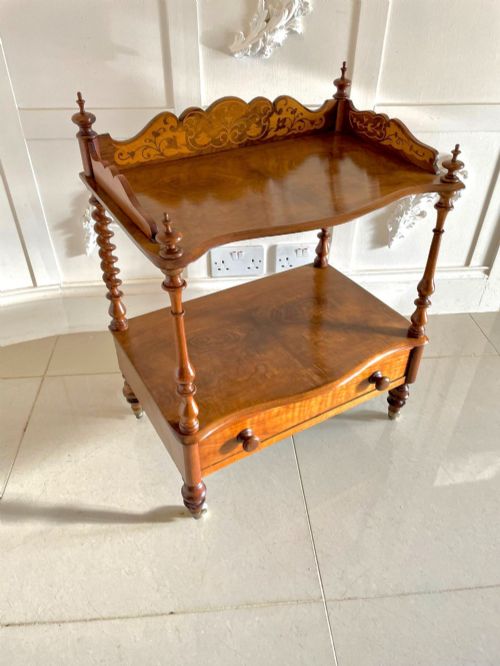
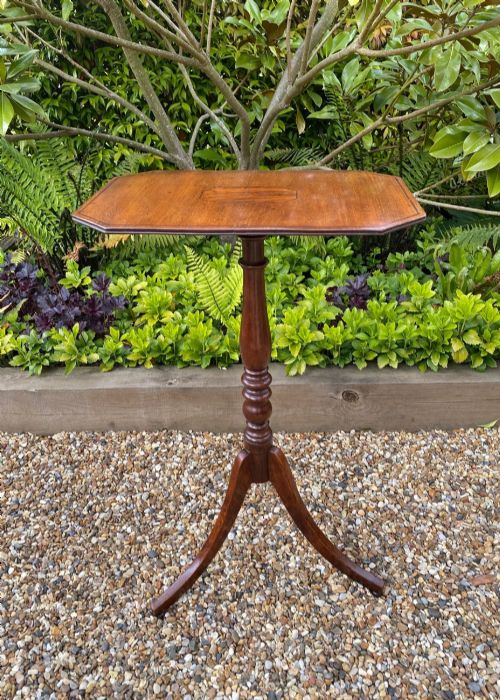
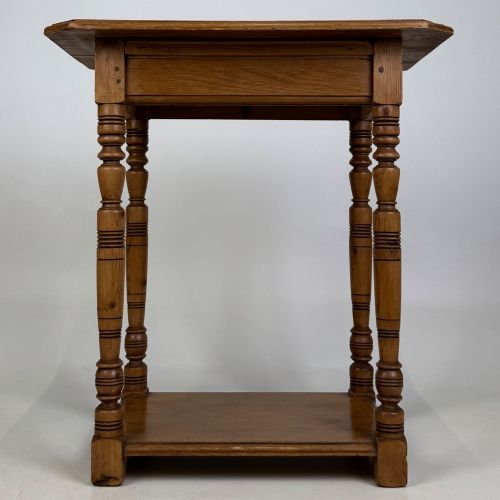
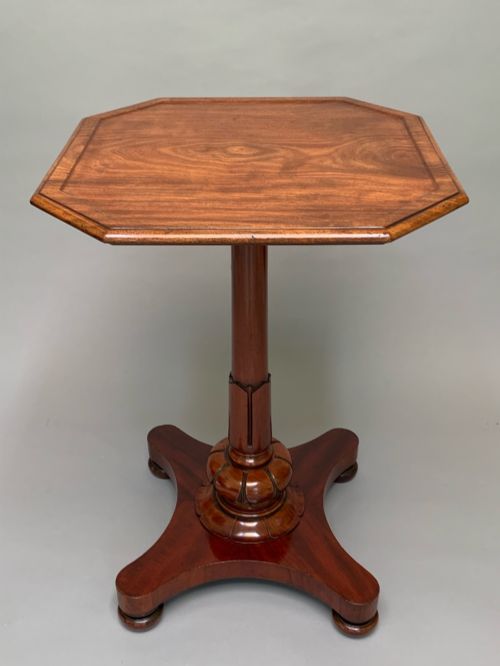
Victorian Wooden Lamp Stand
A victorian wooden lamp stand provides a sturdy surface for illumination, bringing nineteenth-century craftsmanship directly to your living space.
Victorian Wooden Lamp Stand
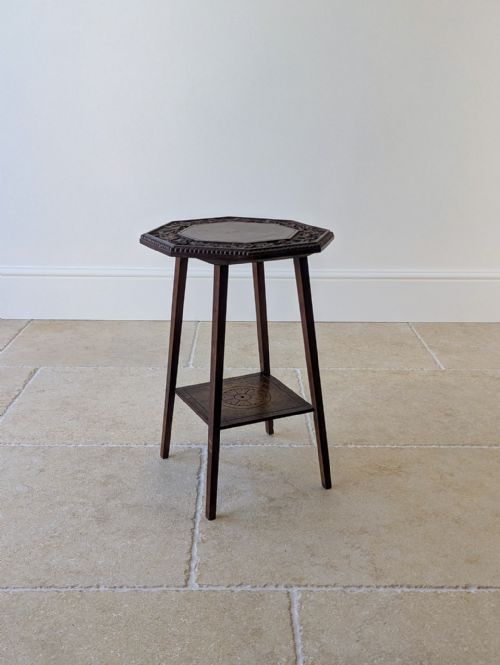
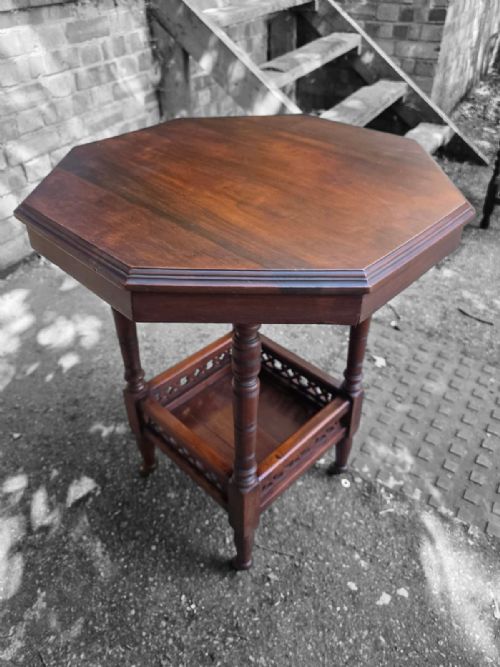
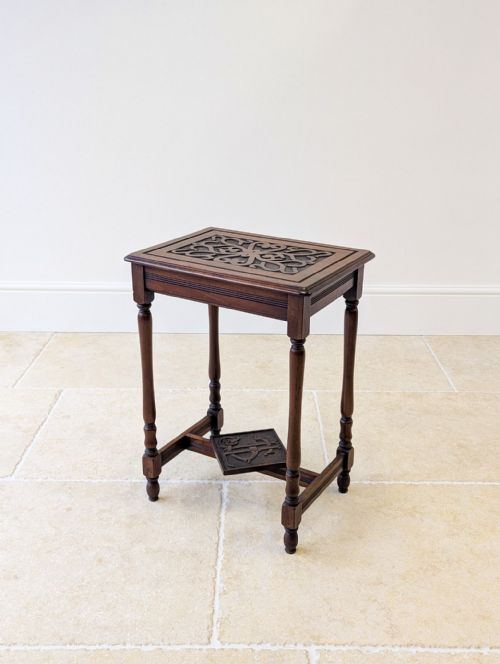
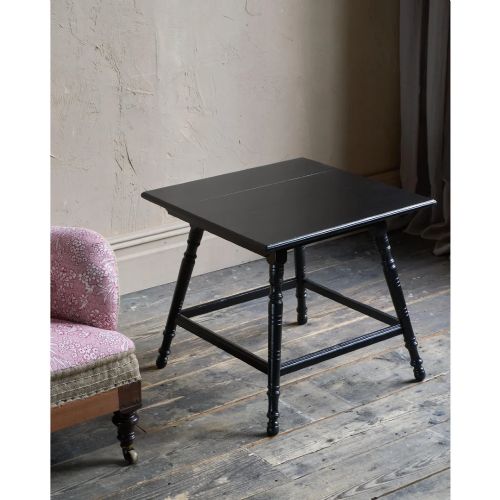
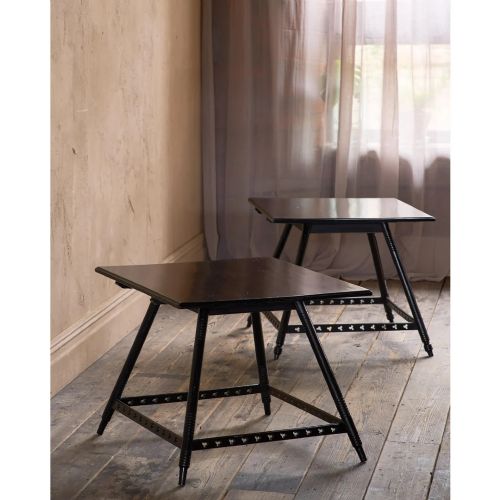
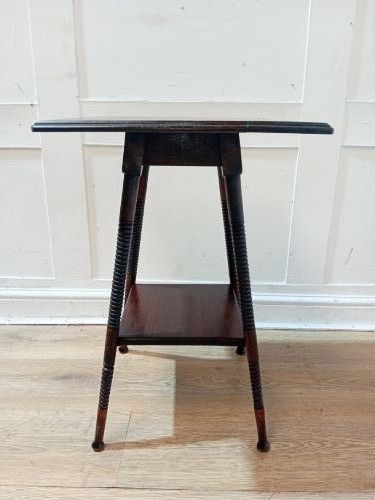
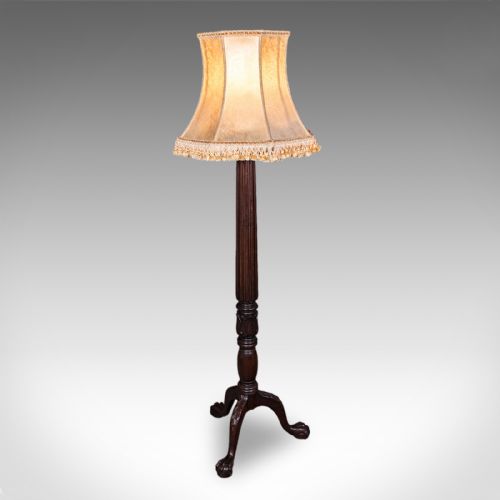
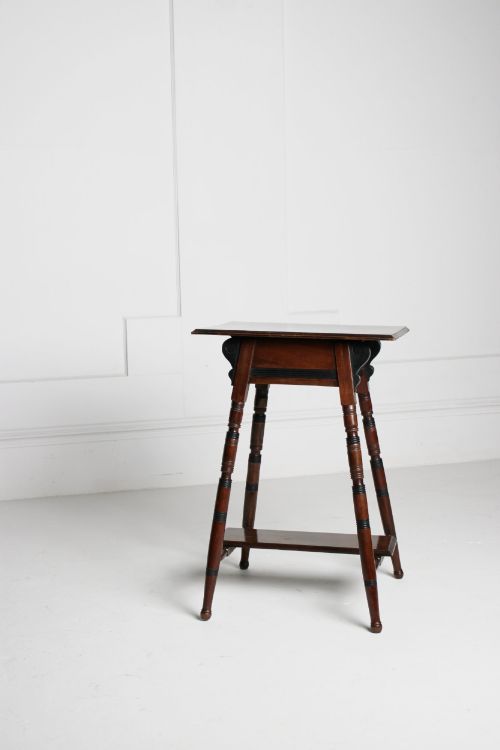
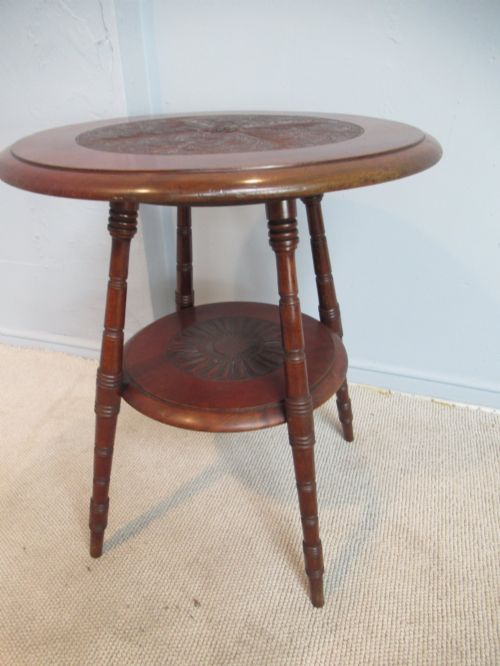
A victorian wooden lamp stand covers a range of occasional tables, floor lamps, and side tables produced during the nineteenth century. Buyers typically encounter mahogany and walnut pieces shaped into small lamp tables, wine tables, and octagonal occasional stands.
The selection draws from periods spanning the mid-nineteenth century through to the early twentieth century, incorporating styles such as the Aesthetic Movement, Arts and Crafts, and English Country. These items function as practical surfaces or lighting supports within domestic interiors.
Materials and Construction
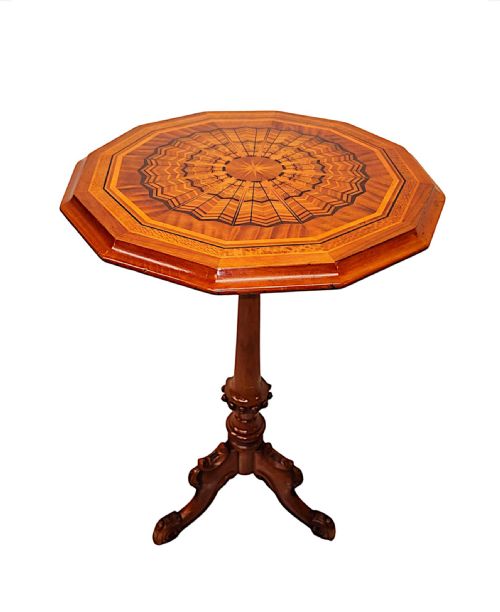
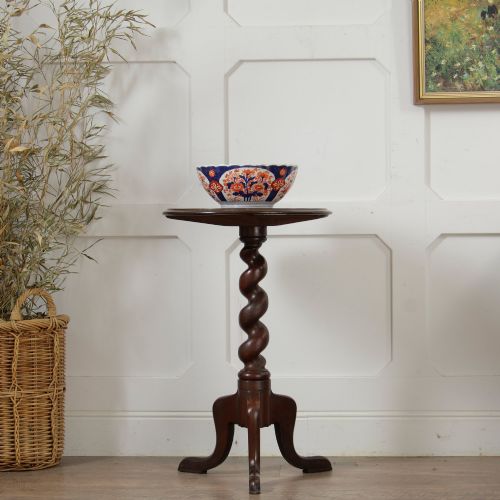
Cabinetmakers utilised hardwoods such as mahogany, walnut, oak, and rosewood, often enhancing surfaces with burl veneers, satinwood inlay, or ebonised finishes. Turned columns, barley twist pedestals, and tripod legs provide structural support across the various forms.
Joinery techniques include pegged joints, turned spindles, and carved detailing, supplemented occasionally by brass mounts or marble inserts. Construction methods reflect the functional requirements of holding lamps, candles, or decorative items.
Some nineteenth-century tables feature tilt tops designed to save space when not holding the evening candle.
Quality and Craftsmanship
The standard of a piece depends on the selection of timber, the precision of the inlay work, and the execution of carved details like barley twist columns. Superior examples display balanced proportions, tight joints, and carefully matched wood grains on tabletops.
Simpler utilitarian stands contrast with refined pieces featuring elaborate geometric inlay, figural carvings, or specialist ebonised surfaces. The integrity of the timber and the subtlety of the turning separate standard production items from workshop pieces.
Gillows·Hindley and Sons·William Birch·Druce and Co London·W Turner Lord and Co
The Victorian Wooden Lamp Stand Glossary
- Occasional table
- A small, movable table designed for a specific, non-permanent use in a room. These pieces function well beside seating for holding lamps or small objects.
- Ebonised wood
- Timber treated with a dark stain or finish to imitate ebony. This technique gained popularity during the nineteenth century for furniture with a dramatic appearance.
- Barley twist
- A turned column or leg resembling a helix or twisting rope. This decorative carving appears frequently on nineteenth-century table pedestals and floor stands.
- Crossbanded
- A method of applying veneer strips around the border of a tabletop so the grain runs perpendicular to the centre. This adds a decorative frame to walnut and rosewood surfaces.
- Jardiniere stand
- A tall pedestal or small table intended to hold a plant pot or floral display. These stands share construction traits with lamp tables of the same period.
Victorian Wooden Lamp Stand: Frequently Asked Questions
What is a victorian wooden lamp stand used for?
These pieces hold table lamps, candles, or decorative objects beside seating areas in a room.
They serve as functional small surfaces within living spaces and studies.
How do I identify a nineteenth-century piece?
Look for traditional construction methods, timber choices like mahogany and walnut, and stylistic cues such as barley twist turns.
Periods often manifest through specific aesthetic movements like Arts and Crafts or Aesthetic designs.
Are these stands stable enough for modern lamps?
Tripod bases and weighted pedestals provide adequate balance for standard lighting fixtures.
Solid hardwood construction ensures durability for daily domestic use.
What is the difference between an occasional table and a lamp stand?
The terms frequently overlap in nineteenth-century furniture categories, as many small tables served multiple purposes.
Lamp stands often feature slightly taller or more compact tops specifically suited for lighting.
How do I care for ebonised wood surfaces?
Dust regularly with a soft, dry cloth and avoid placing items in direct sunlight.
Keep wooden finishes away from excessive moisture and heat sources.