





Victorian Wooden Ladder
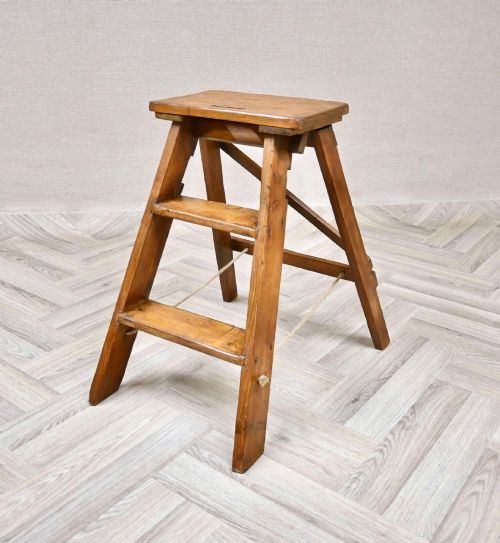
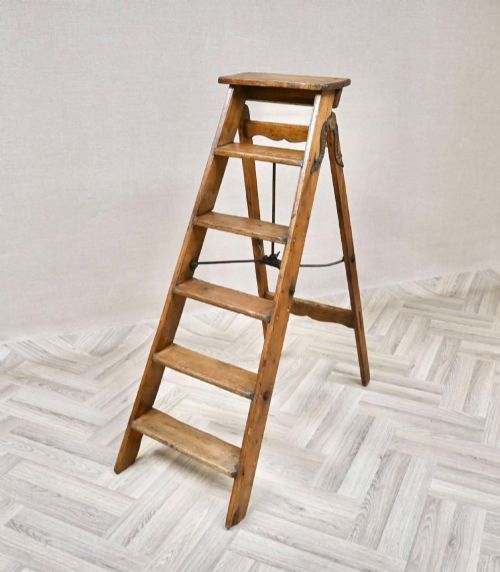
A victorian wooden ladder offers functional elevation built with the sturdy timbers and honest joinery of the nineteenth century.
Victorian Wooden Ladder
A victorian wooden ladder serves practical domestic or institutional duties, ranging from domestic library access to shop display work. These pieces combine simple utility with the robust timber construction typical of nineteenth-century workshop production.
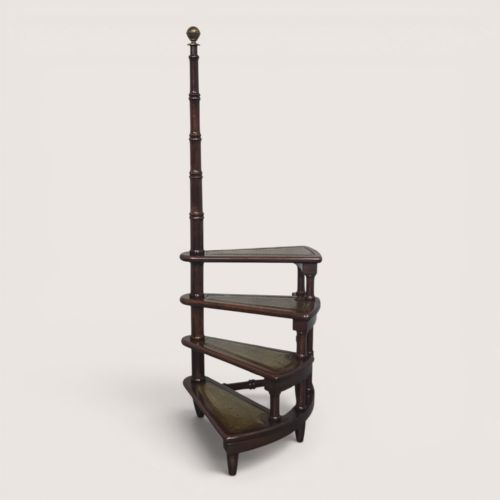
The selection includes folding designs, flights of library steps, and tall pine step ladders intended for everyday use. Woods such as oak, mahogany, pine, and ash predominate across these utilitarian structures.
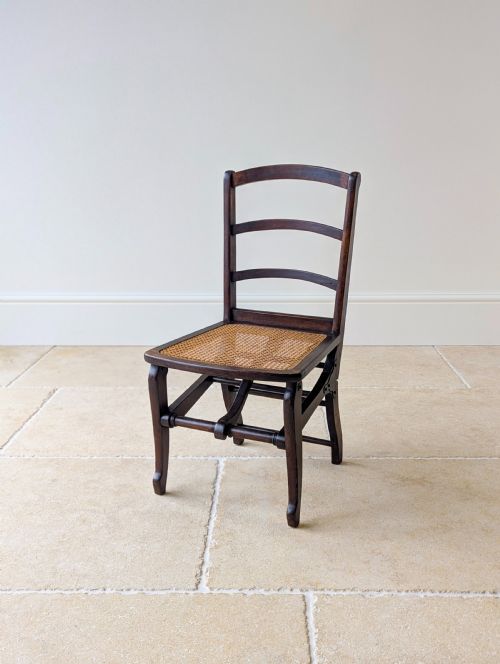
Many examples double as metamorphic library chairs, transforming from seating into functional steps through clever hinged mechanisms. Such dual-purpose items reflect the space-saving ingenuity valued in nineteenth-century interiors.
Materials and construction methods
Carpenters utilised dense hardwoods like oak and mahogany for library steps, while domestic ladders often relied on lighter pine or ash. These timbers provided the necessary strength to support weight safely during daily climbs.
Joinery techniques focused on structural integrity, employing secure tenons and robust bracing to withstand frequent folding and movement. Leather treads and brass fittings occasionally appeared on finer library variants to protect the wood and aid grip.
Victorian Wooden Ladder Retail Price Guide 2026
Typical asking prices for victorian wooden ladder among the pieces listed under this phrase on Sellingantiques today, from the lower quarter to the upper quarter. They describe what is for sale here now, not the wider market.
Listings feature oak, mahogany, pine, and ash across library steps and utility ladders spanning the nineteenth and early twentieth centuries.
Assessing build quality
Quality rests upon the tightness of the joints and the preservation of the original timber rather than decorative flourishes. Surviving structural stability indicates careful initial manufacture and subsequent preservation.
Finer library examples feature turned supports, leather-topped treads, or carved mahogany details, setting them apart from plain utility steps. Original surface finishes contribute significantly to the character and authenticity of each piece.
Philip Clissett
The Victorian Wooden Ladder Glossary
- Metamorphic
- Furniture that converts from one form to another, such as an armchair transforming into library steps.
- Treads
- The horizontal surfaces or steps upon which a person places their feet when climbing.
- Gothic Revival
- An architectural and decorative style drawing inspiration from medieval design, visible in pointed arches and heavy oak construction.
- Campaign chair
- Portable folding furniture designed for easy transport by travellers and officers during the nineteenth century.
Victorian Wooden Ladder: Frequently Asked Questions
How do I use these safely?
Check the stability of the hinges and locking mechanisms before applying any weight to the treads. Ensure the ladder stands on a level surface to prevent wobbling during use.
Position the frame at the correct angle if dealing with folding or leaning variants. Regular light waxing keeps the timber conditioned without making the steps slippery.
Can I use library steps daily?
Sturdy oak and mahogany library steps remain fully capable of supporting everyday climbing tasks. Inspect the joints periodically to ensure the timber handles regular movement well.
Softer pine or delicate folding mechanisms require a gentler approach to preserve their historical structure. Placing them on carpeted floors also reduces stress on the feet and base.
How do I identify the wood?
Observe the grain pattern and colour tone to distinguish between pine, oak, mahogany, and ash. Oak displays prominent silver flecks in the grain, while mahogany presents a deeper reddish-brown hue.
Pine is lighter in weight and colour with softer knot markings, whereas ash offers a pale, resilient grain. Familiarity with these visual traits helps clarify the origin of each piece.