


Victorian Wooden Dress Cane
These Victorian wooden dress cane pieces are fine gentleman's accessories from the nineteenth and early twentieth centuries that finish an outfit with distinction.
Victorian Wooden Dress Cane
A Victorian wooden dress cane is a gentleman's accessory designed for promenade use rather than heavy support. The pieces on this page span from the nineteenth century into the Edwardian period and the early twentieth century.
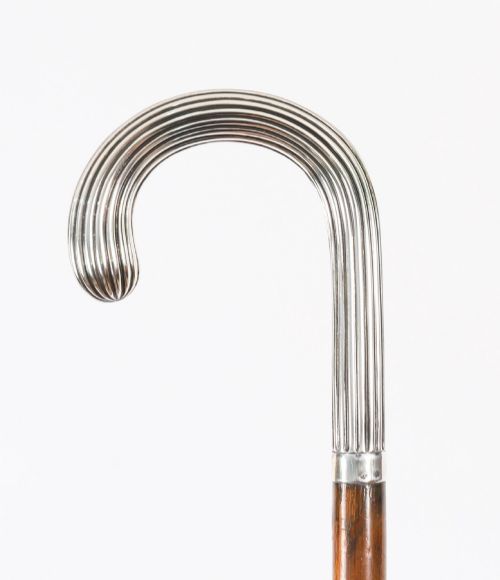
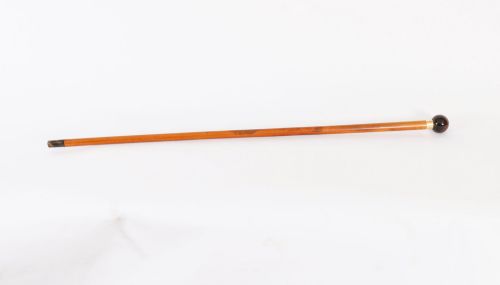
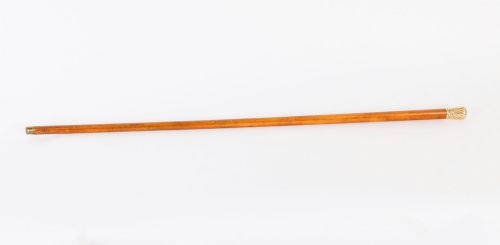
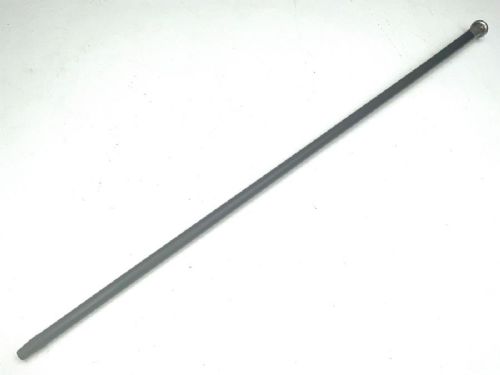
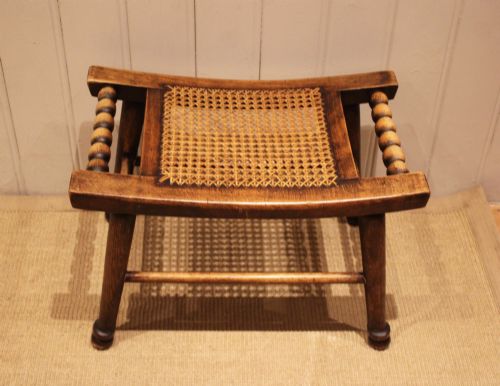
Most examples combine a slender wooden shaft with metal mounts or carved handles, though some double as sword sticks. You will also encounter related seating items such as turned beech cane seat stools within the wider selection.
Makers such as Thomas Johnson worked during these periods, producing pommels in gold alongside silver and horn mounted designs. The shafts utilise materials like hardwood, beech, and ebonised oak.
Materials and Construction
Shafts are turned or shaped from dense timbers including hardwood and ebonised oak, providing a rigid foundation. Selected pieces incorporate fruitwood carved into detailed grips such as a clenched fist.
Mounts and pommels utilise precious metals like eighteen carat gold and silver, often displaying fine embossing or figural work such as a boar head. Steel blades are concealed within the wooden shafts of sword stick variants.
Listings feature items spanning the Victorian period, Edwardian era, and the early twentieth century, incorporating wood, silver, and gold.
Judging Quality
Quality rests in the precision of the handle carving and the integrity of the precious metal pommel. Fine examples display crisp detail in embossed silver or well-modelled fruitwood grips.
The balance between the shaft and the handle determines the grace of the piece in the hand. Superior specimens maintain straight timber shafts paired with secure metal collars.
Thomas Johnson
The Victorian Wooden Dress Cane Glossary
- Pommel
- The knob or handle on the upper end of a walking stick. It often consists of silver or eighteen carat gold.
- Sword stick
- A walking stick with a concealed blade housed inside the wooden shaft. These were popular among gentlemen during the nineteenth and early twentieth centuries.
- Ebonised
- Wood treated to imitate ebony, giving a deep black finish. This technique creates a smart appearance on oak and other timbers.
- Hardwood
- Dense and durable wood utilised for the shafts of walking sticks. It provides the strength required for daily carriage.
Victorian Wooden Dress Cane: Frequently Asked Questions
How were dress canes used?
Gentlemen carried dress canes during walks and social calls as a mark of status and fashion. Certain variants also functioned as hidden sword sticks for personal defence.
They were held in the hand or tucked beneath the arm rather than leaned upon for heavy weight.
What materials are the shafts made from?
Shafts are primarily constructed from various timbers including hardwood, ebonised oak, and beech. These woods were chosen for their straight grain and durability.
Some pieces feature plain polished wood while others are stained black to mimic more expensive materials.
How do I identify the period?
Periods are identified through the style of the metal mounts, the hallmarks on gold and silver pommels, and the construction methods used on the wood.
Items span from the Victorian era into the Edwardian period and the early twentieth century.