




Decorative Wooden Cane
These decorative wooden cane examples bring tactile nineteenth-century character into a room, offering both traditional walking aids and carved conversation pieces.
Decorative Wooden Cane
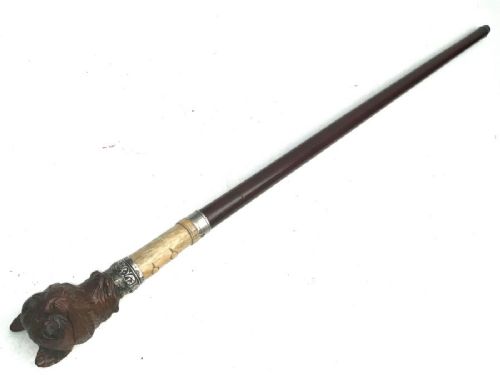
The selection includes gentlemen's walking sticks with novel handles and sword sticks alongside smaller children's walking sticks with silver plated mounts. These items serve primarily as display objects or historical accessories rather than everyday mobility aids.
Materials and construction
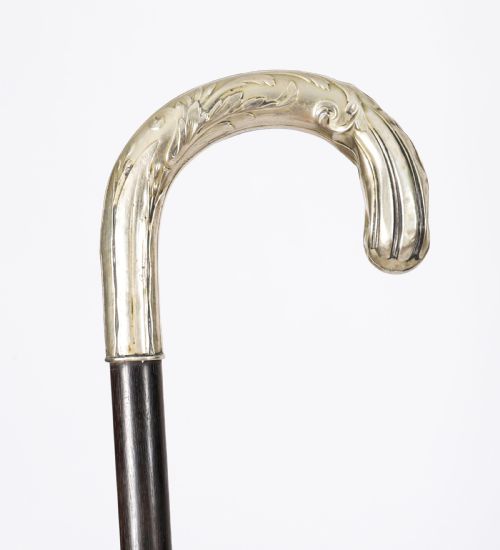
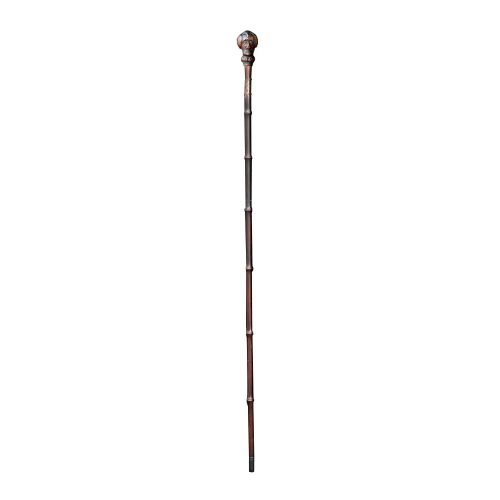
Maker construction relies on dense hardwoods shaped into slender shafts, often paired with handles cast from silver or silver plate. Some pieces incorporate carved bone details or distinct metallic embossing to accent the wooden body.
Art Nouveau examples utilise organic curving lines in their metal mounts, while nineteenth-century English and French workshops applied hand-carved detailing directly to the wood.
Current listings feature nineteenth-century items including walking sticks, dining chairs, and decorative stools spanning the 1880 to 1910 period.
Assessing quality
Quality rests in the crispness of the handle ornamentation and the structural integrity of the wooden shaft. Finely embossed silver handles and tightly integrated novel mechanisms distinguish superior specimens from plain utility pieces.
Artistic execution in the metalwork and the preservation of original surface finishes determine the standing of an individual stick within its period.
The Decorative Wooden Cane Glossary
- Silver plate
- A thin layer of silver applied to a base metal core. This technique allows handles to display decorative relief without the weight of solid silver.
- Art Nouveau
- A decorative style characterised by fluid, organic lines and floral motifs. Pieces from this movement often feature sinuous metal handles.
- Victorian
- Pertaining to the reign of Queen Victoria, spanning the nineteenth century. Items from this era demonstrate diverse revival styles and industrial manufacturing techniques.
- Novel handle
- A walking stick grip fashioned into an unexpected figurative or mechanical shape. These designs often conceal dual purposes like sword sticks.
Decorative Wooden Cane: Frequently Asked Questions
What is a decorative wooden cane?
A decorative wooden cane is a nineteenth-century walking stick or walking cane featuring artistic handles made of silver, silver plate, or bone. These items functioned historically as fashion accessories or gentleman's tools.
Today, collectors value them for their craftsmanship, period metalwork, and unusual handle designs.
How do I date a cane?
Dating relies on stylistic markers such as Art Nouveau curves, Victorian hallmarks, or the specific type of metal plating on the handle. Nineteenth-century examples often display distinct manufacturing traits from English or French workshops.
Examining the wear patterns on the wooden shaft also helps confirm the period of origin.
Are these canes meant for walking?
Most antique walking sticks function better as display pieces than as reliable mobility aids. Handle mechanisms, such as those on sword sticks, and delicate silver plating require gentle handling.
Collectors generally exhibit them in stands rather than using them outdoors.
What materials are used?
These pieces combine hardwoods for the main shaft with metals like silver and silver plate for the handles. Some variations incorporate bone elements or painted wooden details.
French and English examples from the nineteenth century demonstrate this mixture of organic and metallic elements.