

Victorian Wooden Dining Seating
Victorian wooden dining seating gathers sturdy elm, beech, mahogany and oak chairs and benches built for everyday dining.
Victorian Wooden Dining Seating
Victorian wooden dining seating comprises a diverse range of 19th-century chairs, benches and extending dining tables designed for the home and public spaces. Buyers searching this phrase meet everything from robust Windsor kitchen chairs to formal mahogany dining sets.
Origins stretch across the Victorian era and adjacent periods like the Regency and William IV, capturing vernacular country craftsmanship as well as formal cabinet-maker production.
How they were made
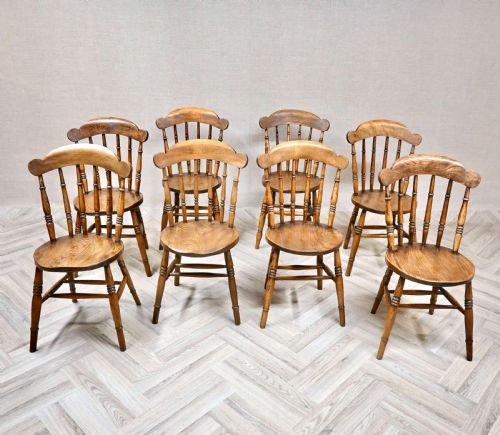
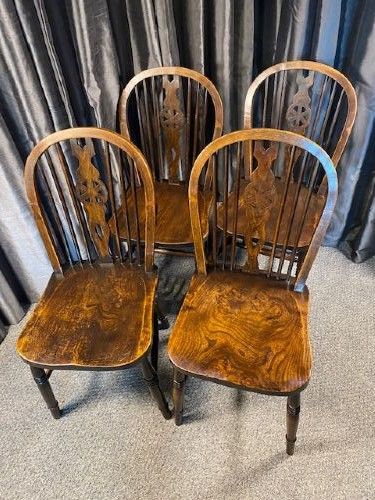
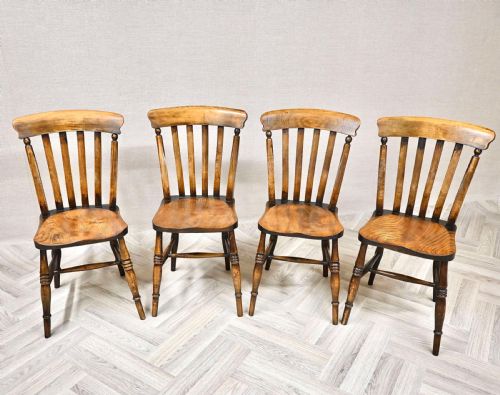
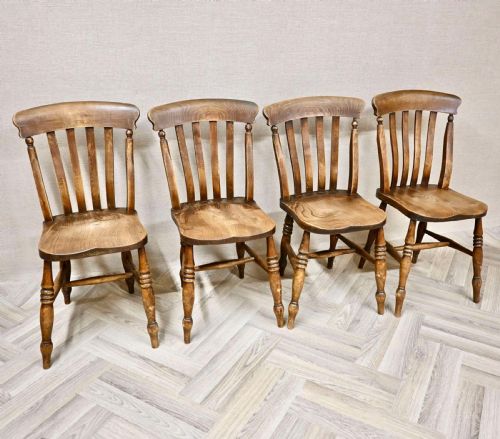
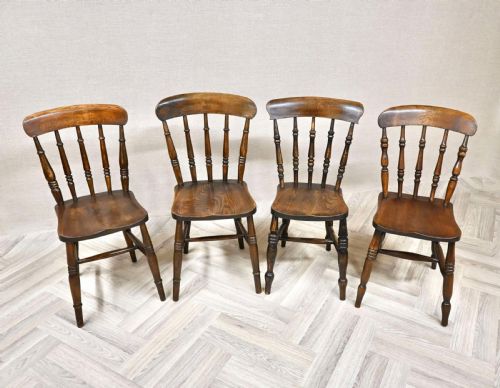
Makers utilised a combination of native hardwoods such as elm, beech, ash, oak and yew, often pairing different timbers within a single chair. Elm seats were frequently shaped for comfort and combined with turned beech spindles or ash framing.
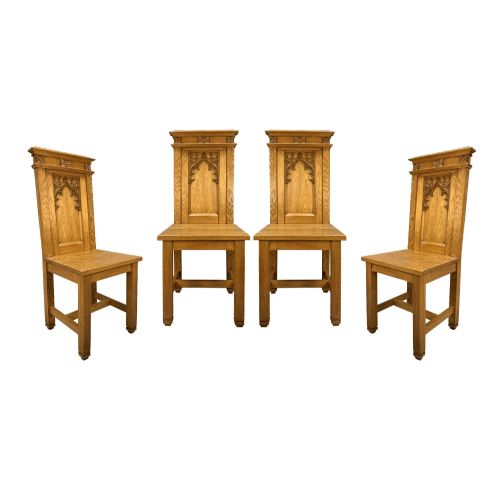
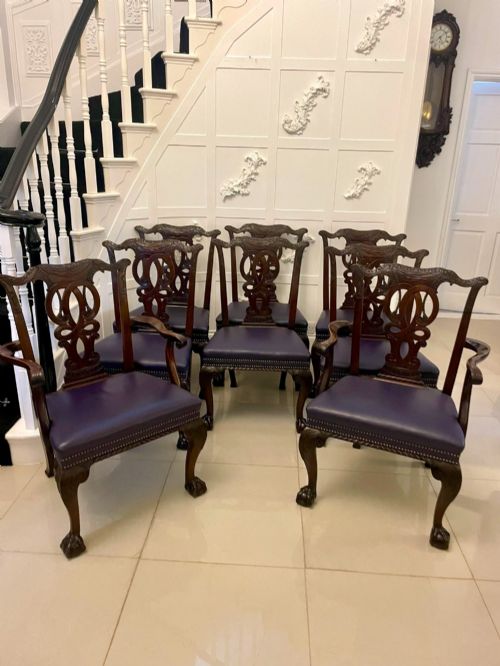
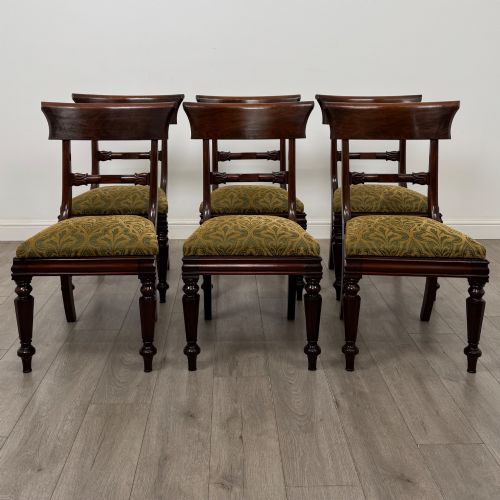
Formal dining sets were constructed from imported and domestic hardwoods like mahogany, walnut and rosewood, employing traditional joinery, carved detailing and occasional leather upholstery.
The inventory spans dining chairs, benches, armchairs, side chairs, extending dining tables and complete furniture sets.
What varies in quality
Quality rests upon the integrity of the timber selection and the precision of the underlying construction. Pieces fashioned from closely matched timbers with well-executed turning and solid joinery command greater appreciation.
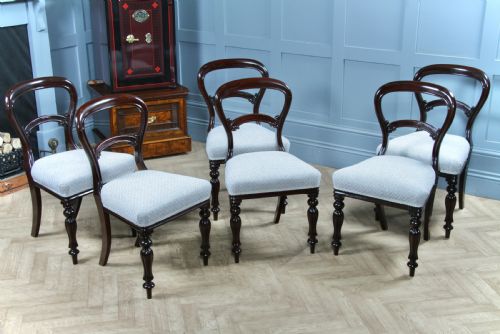
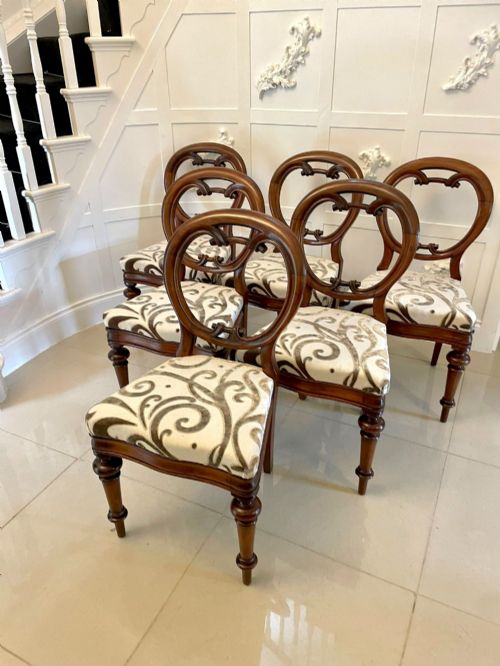
Refinement of carving, the balance of proportions in styles such as Windsor or balloon back designs, and the retention of original surface patination distinguish the finest examples from simpler utilitarian seating.
William Morris
The Victorian Wooden Dining Seating Glossary
- Windsor chair
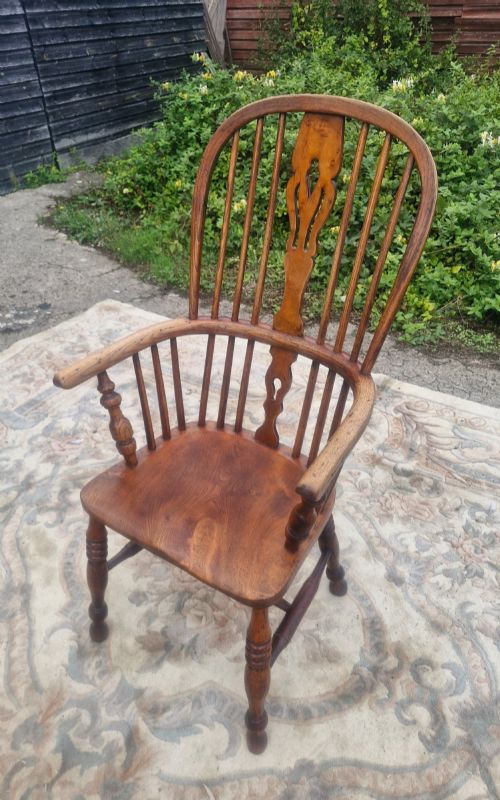
- A wooden chair built with a solid sculpted seat into which the legs and back spindles are directly tenoned. These traditional seats often incorporate steam-bent hoops and central splats.
- Carver
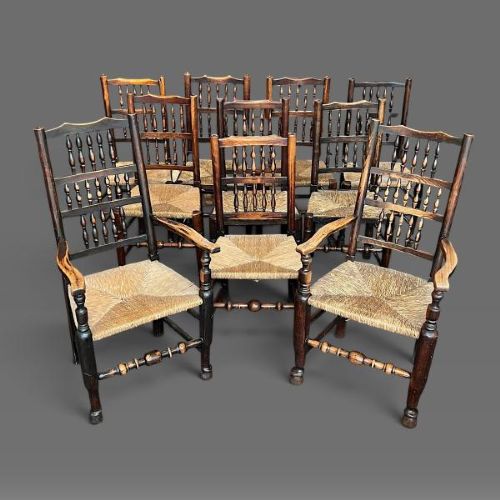
- An armchair designed to match a set of dining chairs, typically placed at the head of the table. They frequently feature scrolled or elbow-height armrests.
- Elbow chair
- A term for an armchair with low armrests, commonly found in 19th-century domestic interiors. They offer support without the bulk of a full armchair.
- Lathe back
- A chair back featuring turned wooden spindles or upright slats shaped on a lathe. This construction method provides durable support for daily kitchen and dining use.
- Balloon back
- A rounded, oval-shaped chair back popular during the Victorian period, resembling the profile of a hot air balloon. These are frequently seen on walnut and mahogany dining chairs.
Victorian Wooden Dining Seating: Frequently Asked Questions
How do I clean wooden dining chairs?
Wipe surfaces gently with a soft, slightly damp cloth to remove dust and daily grime. Avoid harsh chemical cleaners that can strip traditional wax or polish finishes.
Period timber benefits from occasional application of natural beeswax to nourish the wood and maintain its soft sheen.
Can I mix different chair styles together?
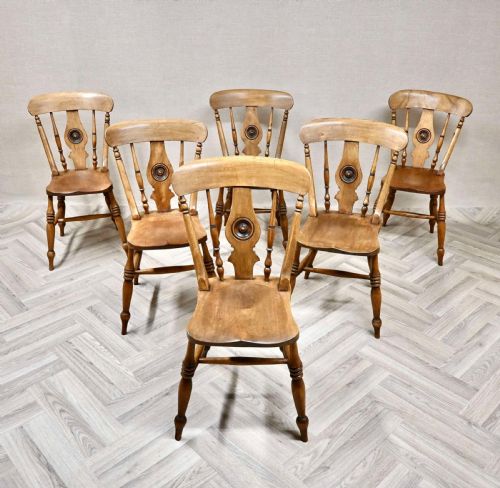
Mixing country chairs like Windsors around a dining table creates an eclectic, gathered aesthetic that reflects historical use. Many households accumulated seating over time rather than buying rigid matching sets.
Keep a consistent wood tone or shared seat height to tie disparate country kitchen chairs together harmoniously.
How do I identify a Windsor chair?
Look for a thick wooden seat base that forms the central anchor for all other components. The legs and back spindles insert directly into drilled holes rather than connecting via a conventional frame.
Traditional versions often use elm for the carved seat combined with beech or ash for the bentwood hoop and spindles.
Are church pews practical for dining?
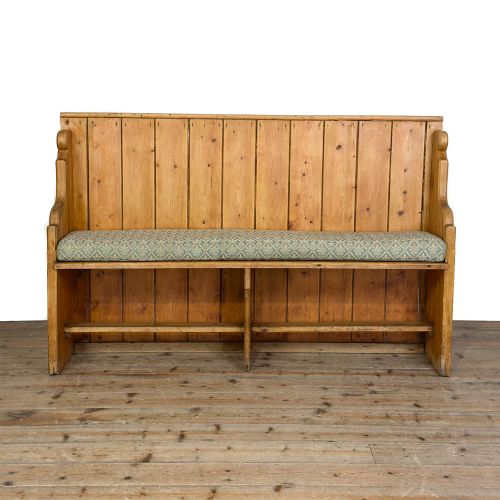
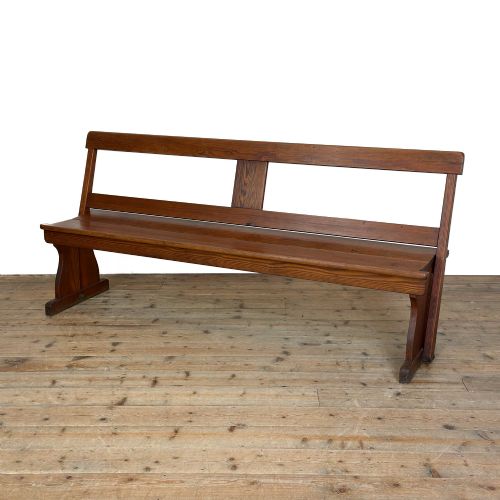
Church pews and chapel benches provide long, linear seating that fits neatly against dining tables in rustic or farmhouse interiors. Their deep wooden seats and high backs offer substantial support.
Check the seat height relative to your table clearance before pairing them for daily meals.