

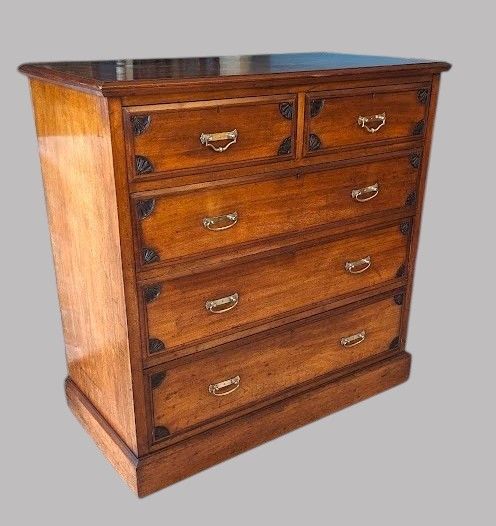
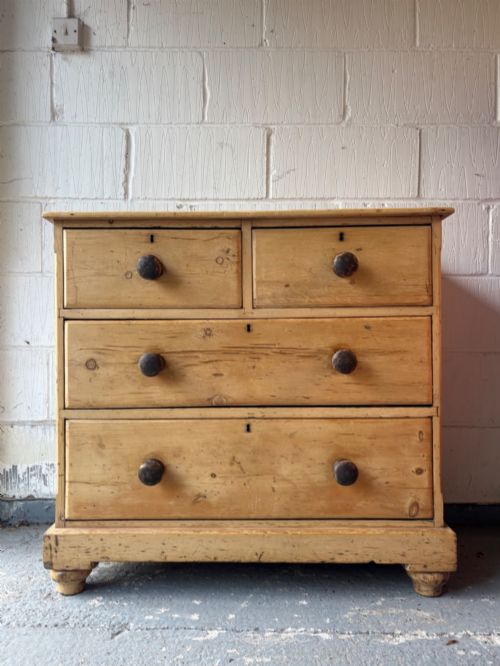
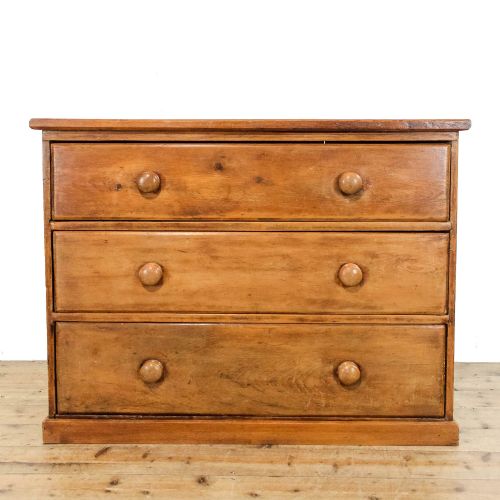
Victorian Wooden Commode
A victorian wooden commode brings domestic history into the bedroom, offering clever seating that conceals a chamber pot.
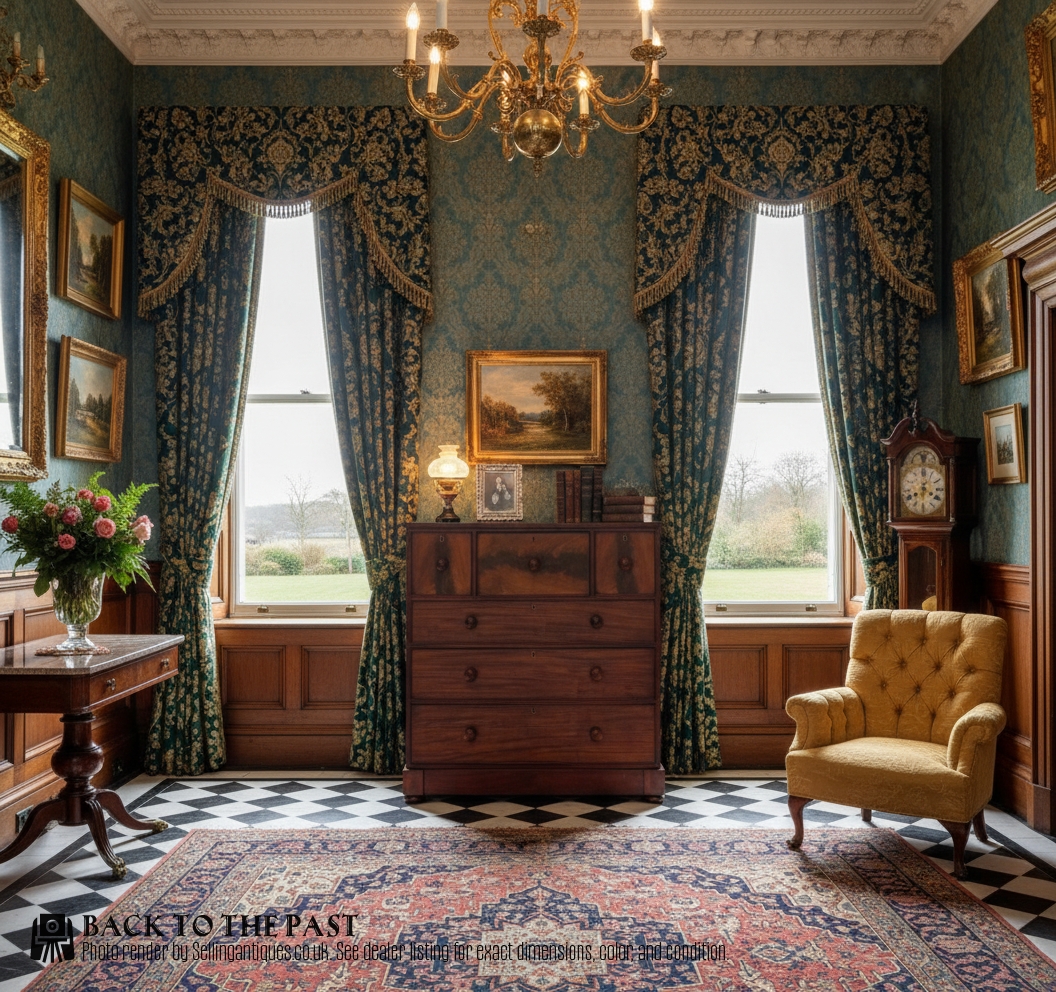
Victorian Wooden Commode
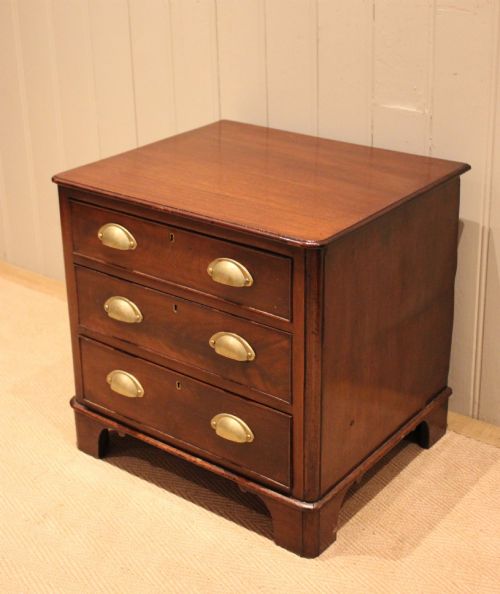
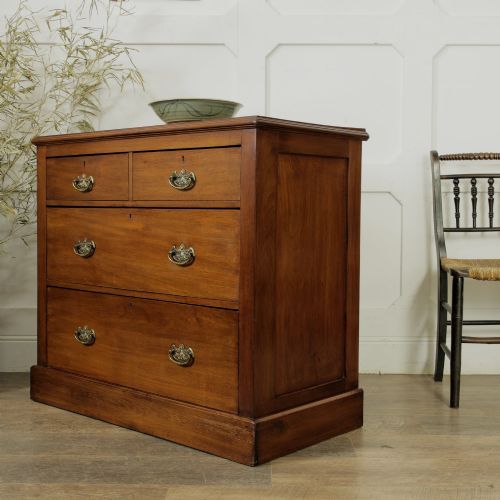
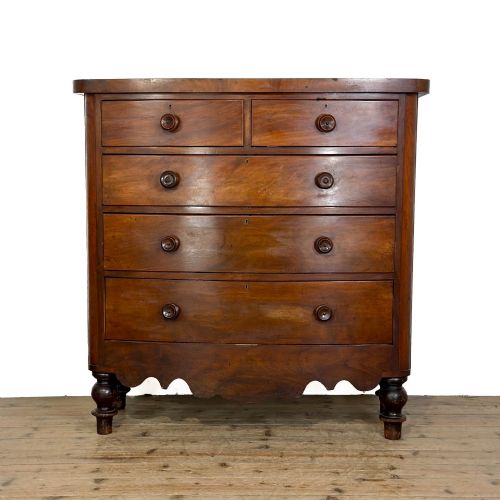
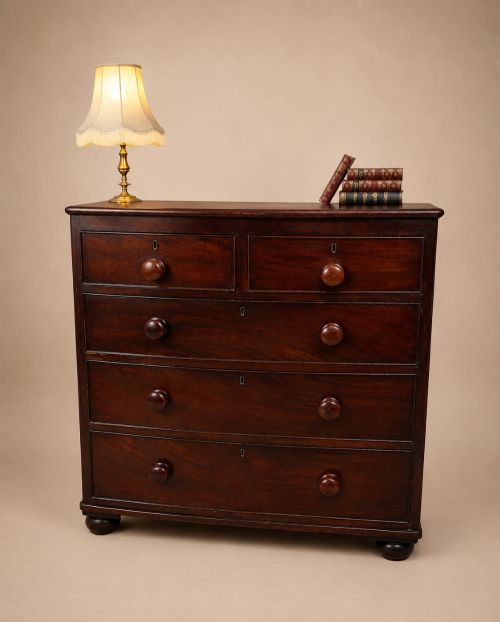
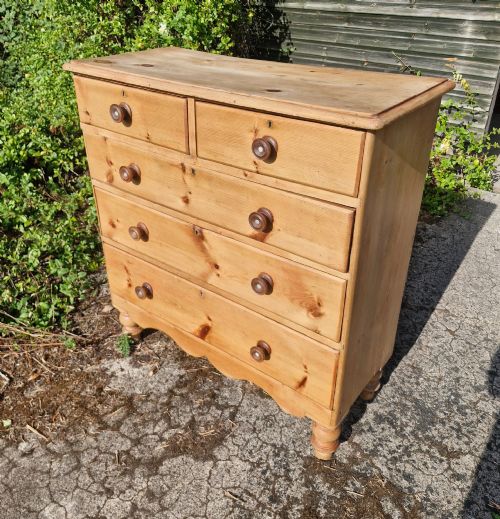
A victorian wooden commode is a piece of furniture designed to house a chamber pot beneath a lidded seat, often taking the form of a small cabinet or chair. Buyers searching this phrase meet wooden chamber pot chairs alongside chest of drawers forms from the nineteenth century.
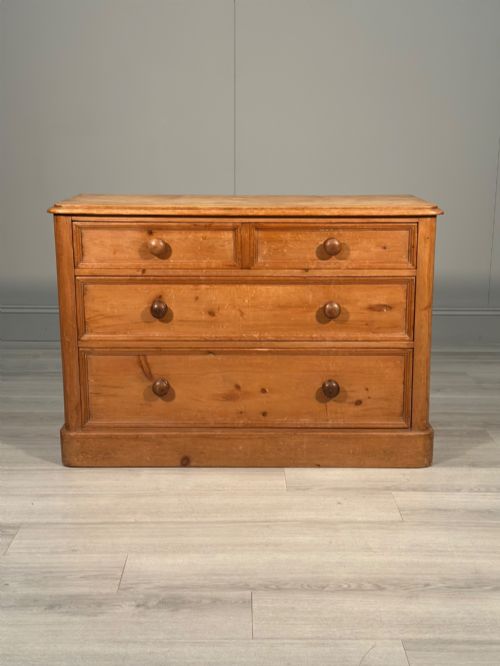
The evidence shows these items spanning the Victorian era, alongside related nineteenth century bedroom storage such as chests of drawers and bed steps. Woods like mahogany and pine predominate, reflecting the practical domestic needs of the period.
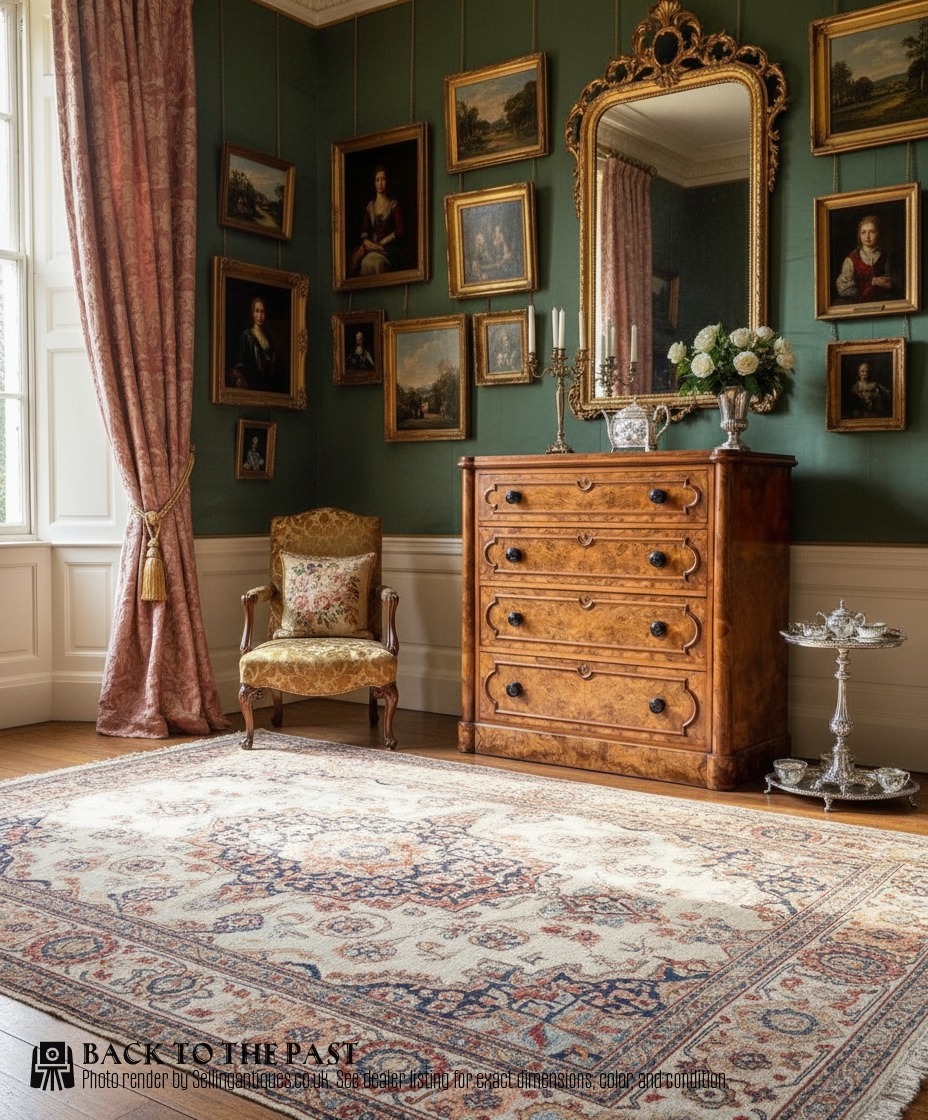
Materials and construction
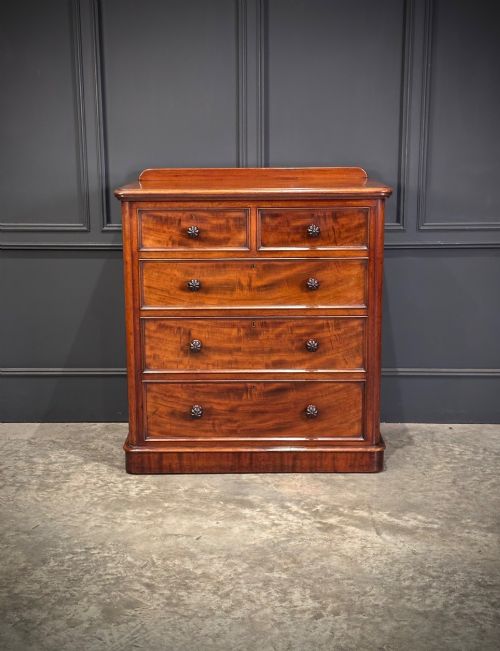
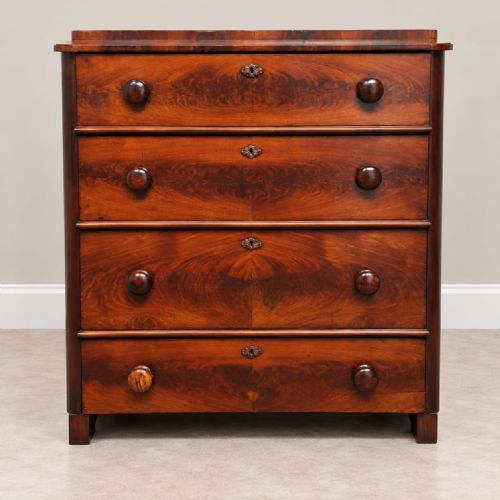
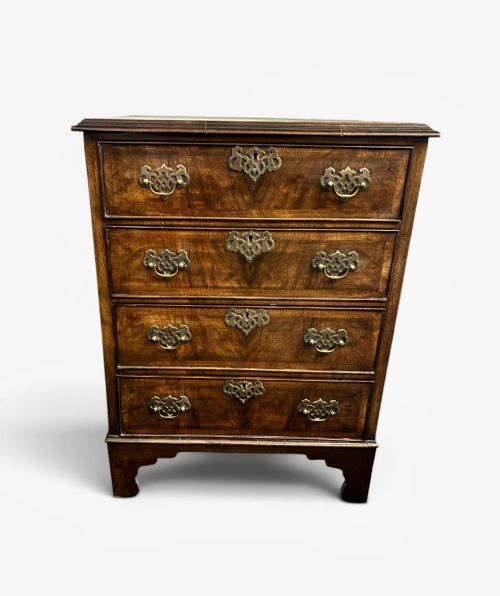
Cabinet makers utilised solid mahogany and pine for these functional pieces, occasionally applying flame mahogany veneer to the primary surfaces for a richer finish. Brass fittings and bone details often provide the hardware and structural accents.
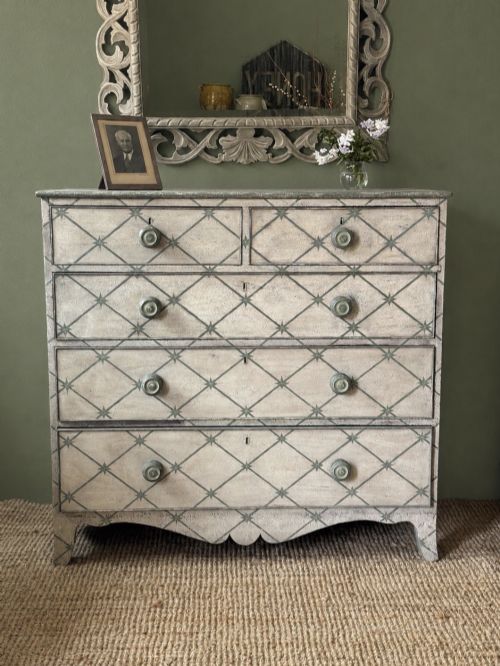
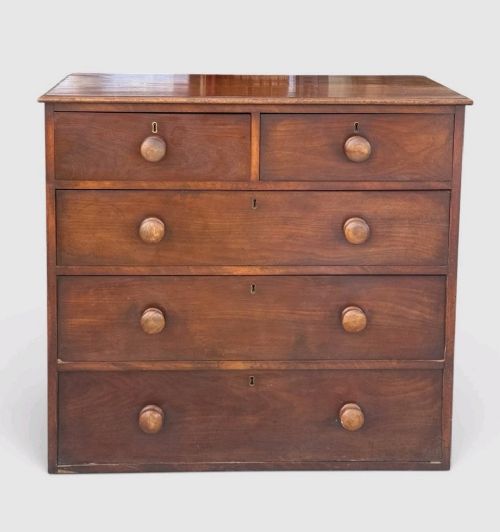
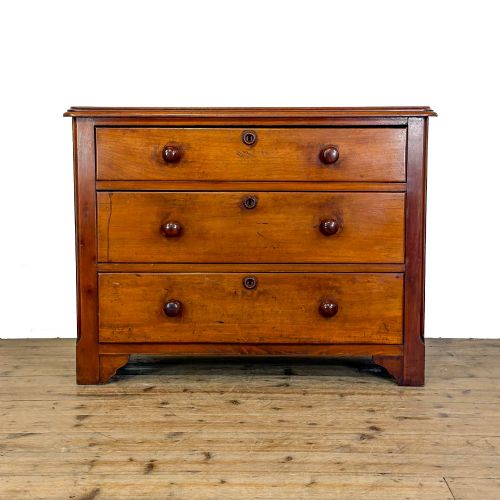
Pieces frequently feature turned wooden handles, painted finishes or wax treatments to protect the timber from daily use. Construction methods rely on traditional joinery suitable for heavy bedroom furniture.
Victorian Wooden Commode Retail Price Guide 2026
Typical asking prices for victorian wooden commode among the pieces listed under this phrase on Sellingantiques today, from the lower quarter to the upper quarter. They describe what is for sale here now, not the wider market.
The listings show nineteenth century pieces constructed predominantly from mahogany, pine, and satinwood, spanning the Victorian and Edwardian periods.
Assessing quality
Quality rests upon the selection of timber and the dexterity of the cabinet maker, with figured mahogany and satinwood veneers marking out finer examples. Plain scrubbed pine versions serve a more utilitarian aesthetic.
The integrity of the internal compartment and the preservation of original hardware distinguish superior items from standard domestic utilitarian pieces.
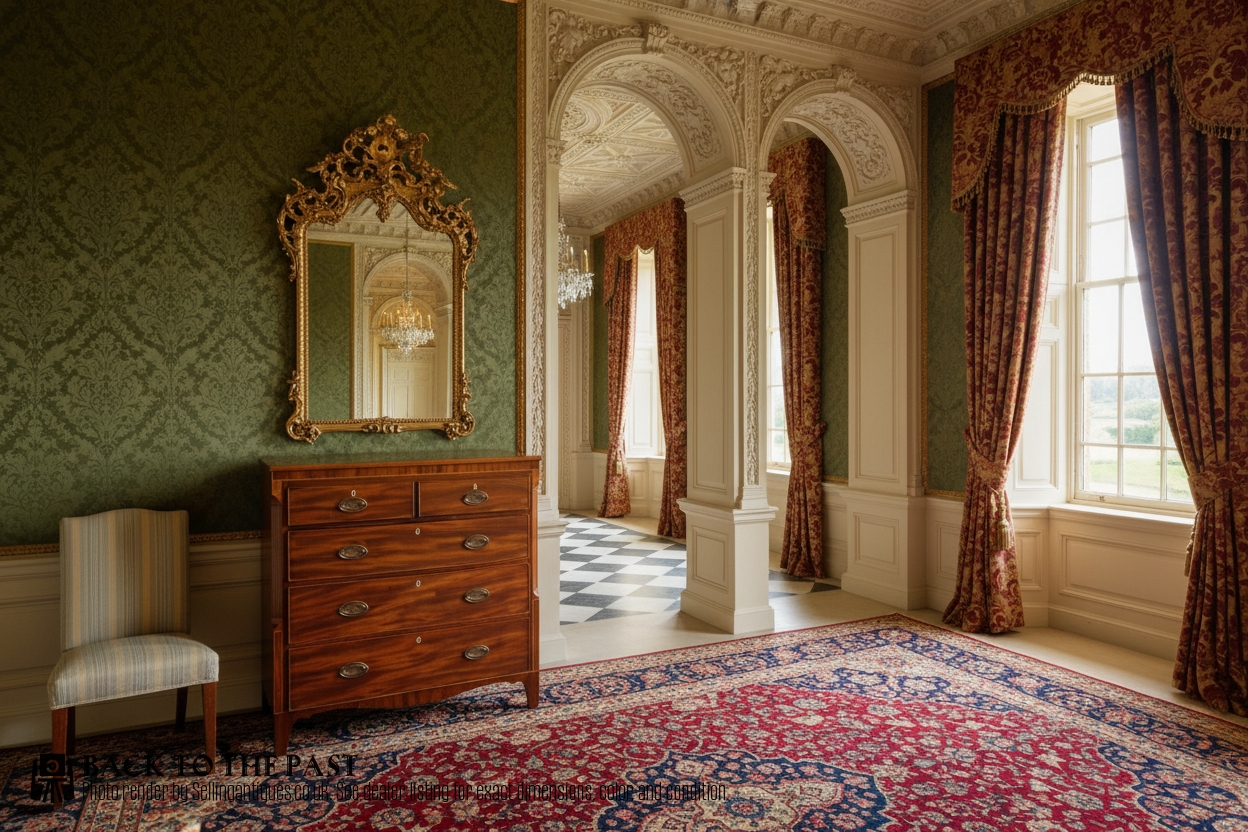
Heal & Son·Howard and Sons
The Victorian Wooden Commode Glossary
- Commode
- A piece of furniture containing a chamber pot. In nineteenth century contexts, this usually means a wooden chair or cabinet with a hinged seat.
- Flame mahogany
- A timber veneer displaying a rippled, flame-like grain pattern. It was favoured by cabinet makers for grander nineteenth century facades.
- Pine
- A soft timber commonly utilised for utilitarian or country furniture. It appears frequently in waxed or scrubbed finishes.
- Satinwood
- A dense, hard timber with a golden sheen. It provides decorative contrast or forms entire small bedroom pieces.
Victorian Wooden Commode: Frequently Asked Questions
How do I use a commode today?
Modern collectors typically utilise these pieces as decorative accent furniture in hallways or bedrooms. They make effective bedside cabinets or small storage cupboards once the internal chamber pot is removed.
The hinged top also allows the piece to function as an occasional seat or a low display surface for plants and books.
How do I identify Victorian pine?
Victorian pine furniture usually displays a warm, aged golden tone developed through decades of waxing and natural oxidation. The grain is straight with occasional knot details characteristic of softwood.
Pieces from this era often show hand-planed surfaces and traditional joinery rather than modern mechanical fastenings.
What is flame mahogany?
Flame mahogany is a highly decorative wood veneer harvested from the point where a branch joins the main trunk of the tree. This produces a distinctive flickering, flame-like pattern across the surface.
Cabinet makers during the nineteenth century applied this veneer to the primary display surfaces of chests and commodes to create visual impact.