


Victorian Wooden Coal Bin
These Victorian wooden coal bins keep domestic fuel close to the hearth while concealing it inside polished timber and brass.
Victorian Wooden Coal Bin
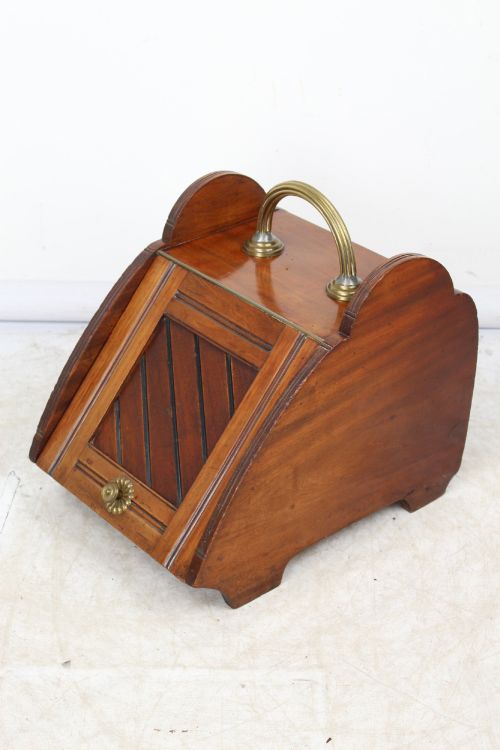
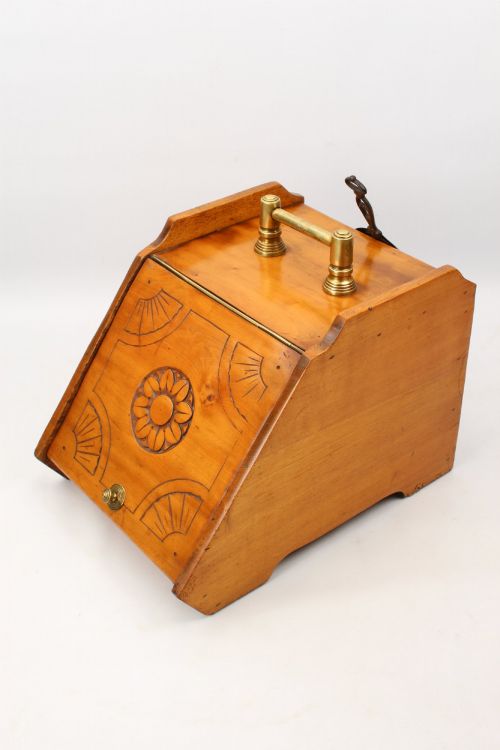
A victorian wooden coal bin sits by the hearth to store fuel within easy reach of the fire. You will encounter these fireside storage pieces most frequently as upright boxes or sloping scuttles made from period timbers.
The selections span the Victorian and Edwardian eras, with many examples originating from the later decades of the nineteenth century. Makers offered various forms such as coal boxes, purdoniums, and log bins designed to suit formal drawing rooms or simpler farmhouse settings.
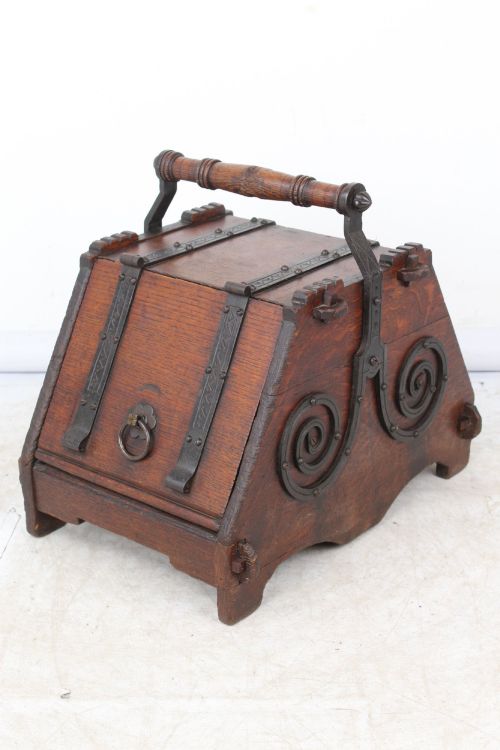
Makers adapted these receptacles into distinct regional and stylistic variations, incorporating Gothic Revival, Rococo Revival, and Louis XV revival motifs. Each piece serves the practical function of holding fuel while contributing to the decorative scheme of the fireplace.
Materials and construction
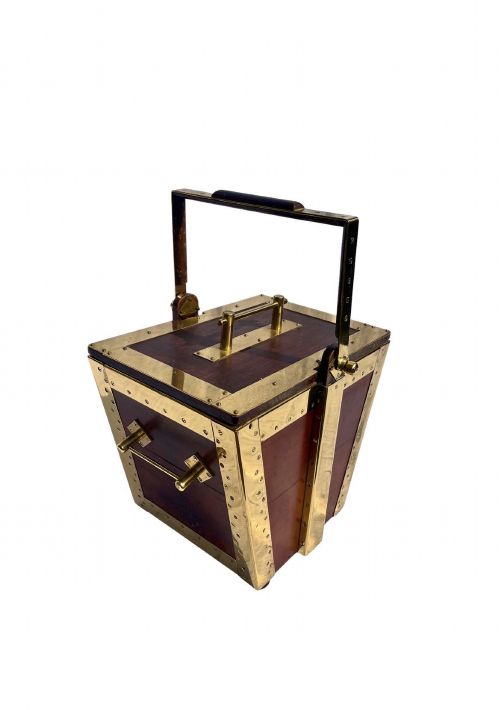
Carpenters constructed these items using durable hardwoods such as oak, mahogany, walnut, and rosewood, sometimes adding marquetry inlay for decorative effect. Brass and iron mountings, handles, and hinges reinforced the timber structures for daily domestic use.
Interior metal liners protected the wooden boxes from moisture and coal dust, while matching shovels or scoops hung from exterior fixings. Carved panels and ormolu mounts finished the exteriors of more elaborate boxes.
The listings feature oak, mahogany, walnut, and rosewood alongside brass and iron components.
Judging quality and craftsmanship
Quality rests on the selection of timber figures, such as pollard oak or figured walnut, and the crispness of any carved decoration or marquetry inlay. Substantial brass mountings and original internal metal liners indicate higher standards of production.
Design complexity also distinguishes standard utilitarian boxes from finer items decorated with ormolu mounts, specialised metamorphic mechanisms, or attribution to notable designers.
Christopher Dresser
The Victorian Wooden Coal Bin Glossary
- Purdonium
- A specialised type of coal box with a drop-front door that conceals an interior metal tipping hod. These units often include a compartment for a coal shovel.
- Marquetry inlay
- Decorative patterns formed by fitting contrasting pieces of veneer into a timber surface. This technique frequently ornaments the lids and fronts of rosewood and mahogany boxes.
- Ormolu
- Gilt bronze mounts applied to furniture and decorative items for ornamentation. They provide a polished metallic contrast against dark woods like walnut and mahogany.
- Log bin
- A robust container built to store larger pieces of firewood rather than small coal. These pieces often incorporate iron fittings alongside oak or walnut construction.
Victorian Wooden Coal Bin: Frequently Asked Questions
What is a purdonium?
A purdonium is a specialised coal box featuring a hinged, drop-down front that reveals a removable metal liner. This design allowed domestic staff to tip fuel onto the fire without lifting the entire weight of the container.
The term gained popularity during the late nineteenth century for refined household fuel receptacles.
Did these bins come with shovels?
Many period coal boxes and scuttles included designated slots or hanging clips for a matching metal shovel or scoop. These accessories formed an integral part of the fireside set.
Finding a piece with its original shovel and metal liner remains a desirable trait for collectors.
How do you tell oak from walnut pieces?
Oak displays a prominent, open grain with visible medullary rays, often carrying a lighter golden or medium brown tone. Walnut presents a darker, smoother grain with richer chocolate hues and subtle figuring.
Both timbers were standard choices but suited different interior aesthetics of the period.
Are these items suitable for modern firesides?
These wooden containers serve as functional storage for logs or kindling beside contemporary fireplaces. The protective metal liners originally designed for coal prevent debris from damaging the timber.
Care should be taken to protect the polished wood surfaces from excessive moisture and heat.