



Victorian Wooden Bucket
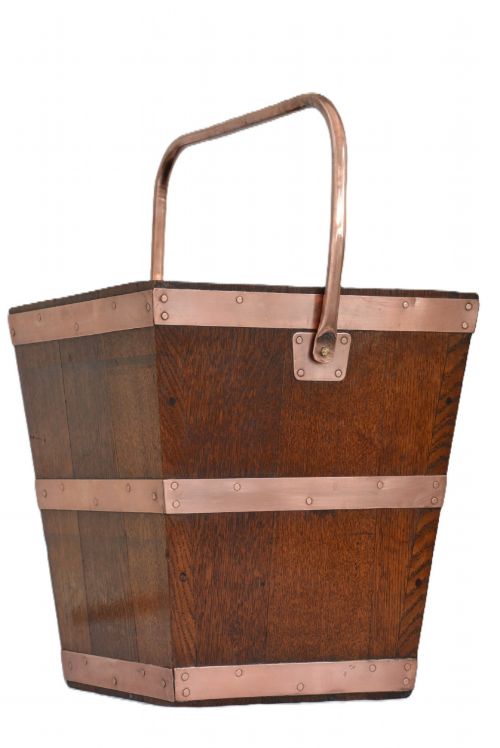
These pieces are a victorian wooden bucket, robust vessels designed for holding fuel, water, or wine that bring tactile warmth and period character to a modern interior.
Victorian Wooden Bucket
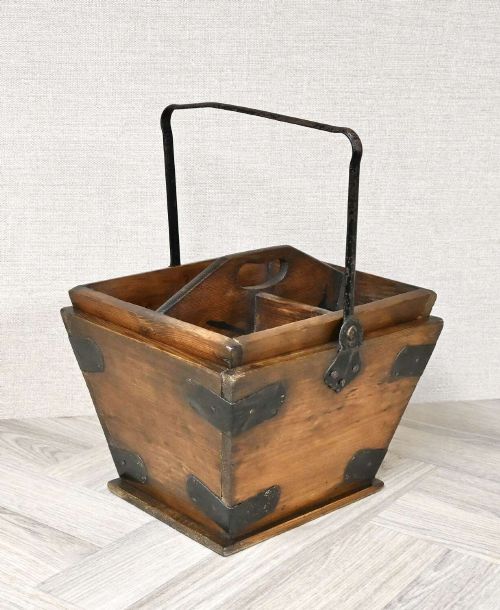
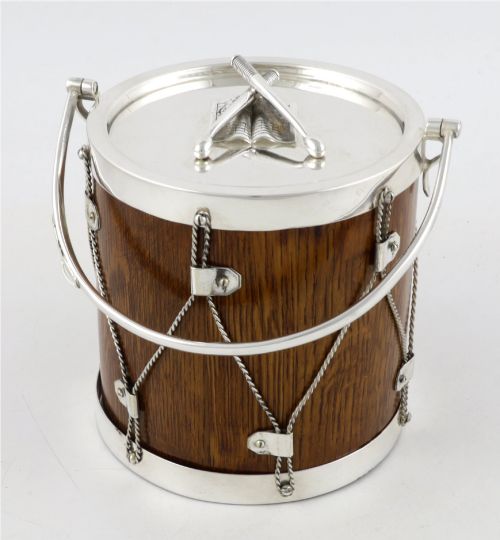
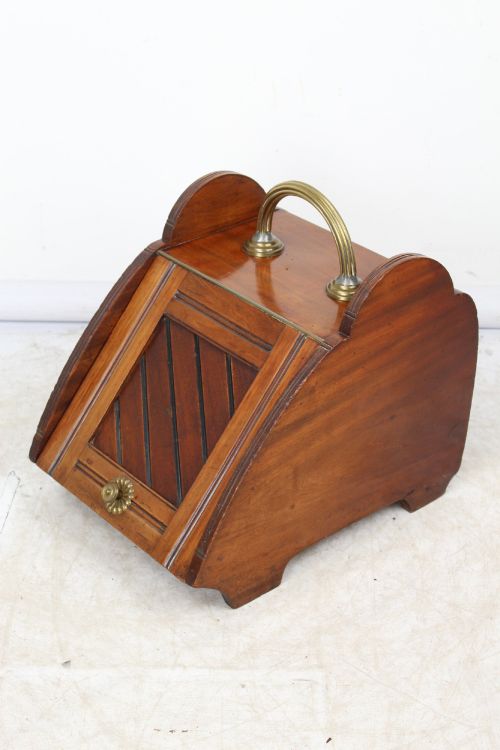
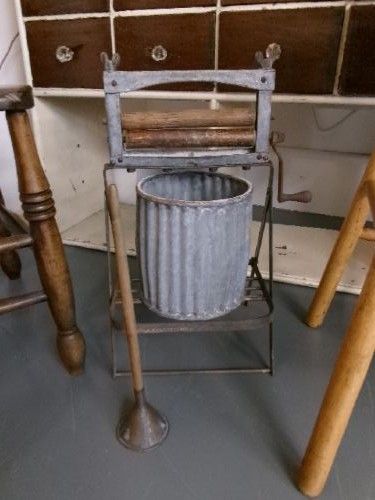
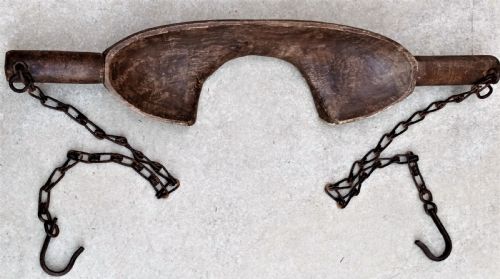
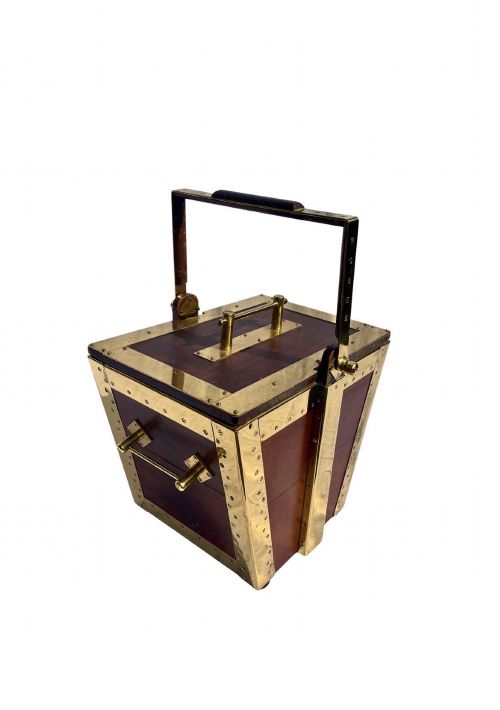
A victorian wooden bucket encompasses a diverse range of utilitarian vessels built for domestic service, including coal scuttles, wine coolers, stick stands, and laundry tubs. These items bridge the gap between practical household equipment and decorative interior furnishing, utilising sturdy timbers for heavy daily tasks.
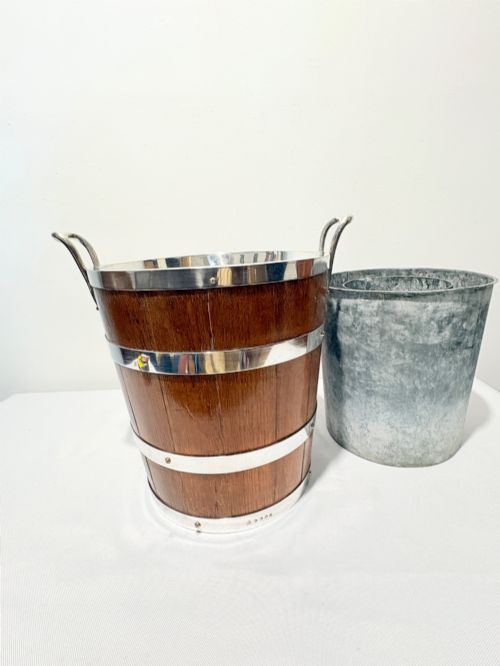
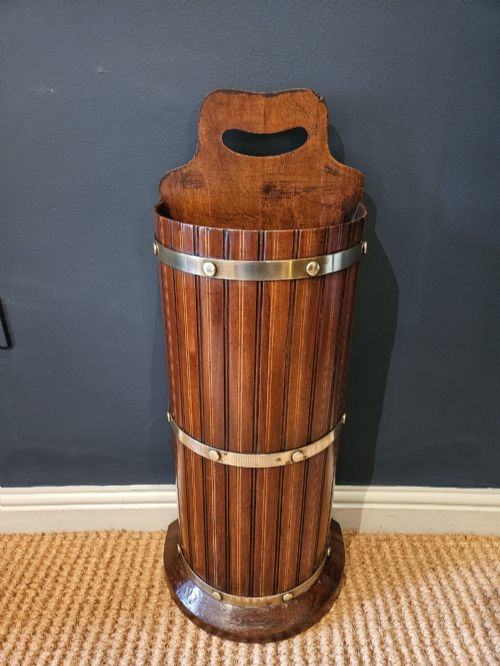
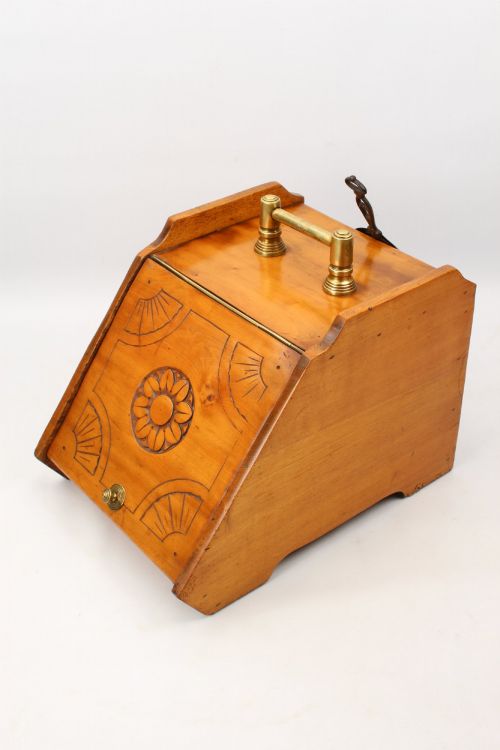
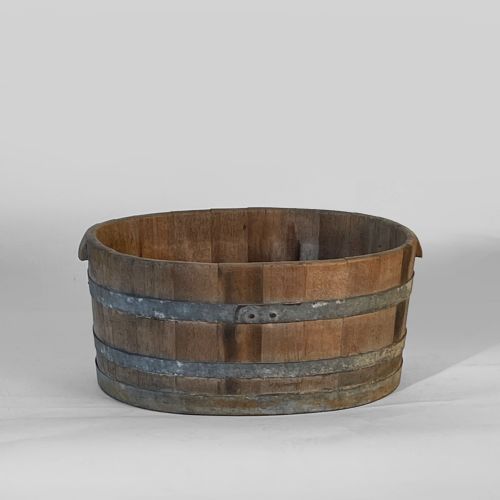
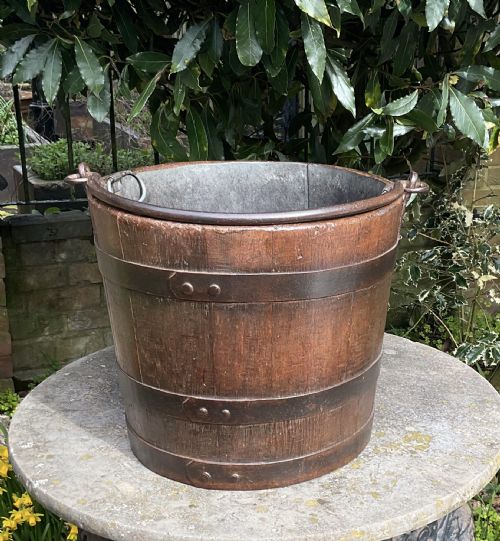
The specimens seen here span the nineteenth century and into the early twentieth, drawing on oak, mahogany, and walnut. They appear as coopered tubs with staves and metal hoops, carved coal boxes, and handled hods intended for the fireside or cellar.
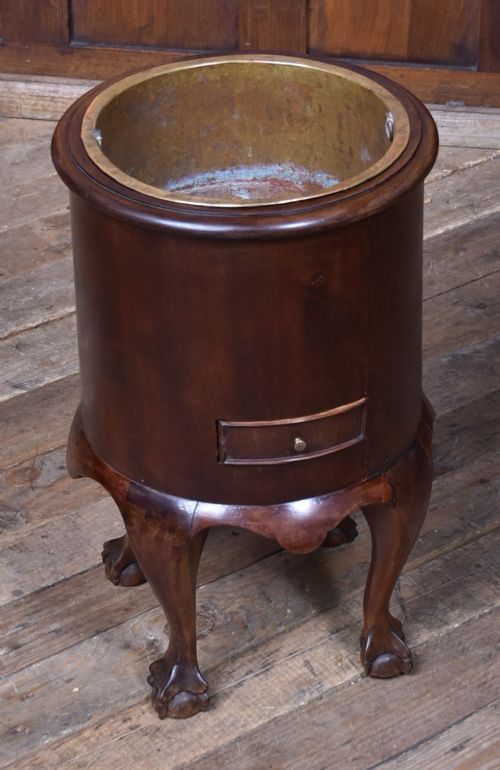
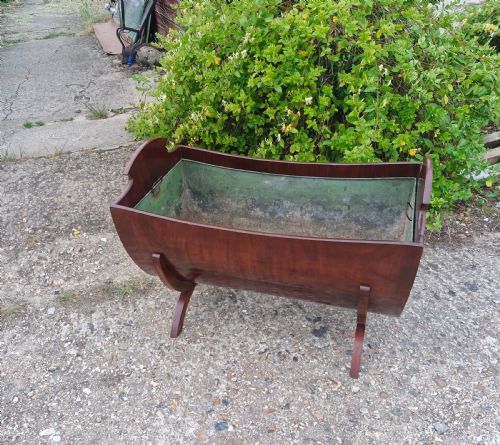
Buyers seeking a victorian wooden bucket will encounter variations from simple rustic farmhouse log bins to refined brass-bound mahogany champagne coolers. Each form reflects the specific domestic chore it originally served, adapted now for contemporary display and storage.
Materials and Construction
Makers relied primarily on dense hardwoods such as oak, mahogany, and walnut, complemented by structural metal components. Brass bands, copper liners, iron handles, and silver plating provide reinforcement and contrast against the warm grain of the timber.
Many of these items employ cooperage techniques, assembling curved wooden staves held tightly together by encircling metal hoops. Other examples utilise traditional cabinetmaking methods with joined panels, carved decorations, and fitted metal inserts for practical containment.
Victorian Wooden Bucket Retail Price Guide 2026
Typical asking prices for victorian wooden bucket among the pieces listed under this phrase on Sellingantiques today, from the lower quarter to the upper quarter. They describe what is for sale here now, not the wider market.
Recorded forms span the nineteenth century, covering the Victorian and Edwardian periods.
Distinctions in Standard
Quality separates through the selection of timber and the precision of the joinery, particularly in coopered vessels where stave alignment is paramount. Higher tier pieces integrate finer secondary metals like heavy cast brass or silver plating alongside well-figured wood grains.
Decorative detailing also marks the distinction between standard utility items and high-end country house pieces. Carved fronts, armorial crests, and original interior liners elevate a simple container into a piece of decorative art.
The Victorian Wooden Bucket Glossary
- Coopered
- Constructed from curved wooden staves bound together with metal hoops, much like a barrel. This method ensures waterproof integrity and structural strength for holding liquids or heavy fuel.
- Purdonium
- A specialised coal box designed for the Victorian parlor, often featuring a sloping front and a hinged lid. It keeps domestic fuel neatly enclosed beside the hearth.
- Peat bucket
- A deep vessel originally intended for holding dried peat turf for fuel. These often incorporate brass handles and liners for hearthside use.
- Jardiniere
- An ornamental pot or stand designed to hold growing plants or flowers. In wood, these vessels frequently feature metal liners to protect the timber from moisture.
- Bygones
- Obsolete items of domestic, agricultural, or trade utility collected for their nostalgic and historical interest. They illustrate daily life in previous centuries.
Victorian Wooden Bucket: Frequently Asked Questions
What were wooden buckets used for?
These vessels served demanding daily tasks around the nineteenth-century home, estate, or ship. They transported coal to fireplaces, chilled wine and champagne, held walking sticks, and managed laundry or wash water.
Over time, utilitarian designs evolved into more decorative furnishings for middle and upper-class interiors. Their sturdy construction allowed them to withstand heavy materials like wet timber, blocks of ice, and dense coal.
How do I clean a wooden bucket?
Dust the wood regularly with a dry cloth and occasionally nourish the timber with a traditional beeswax polish. Avoid soaking the wood in water, especially on coopered items where excessive moisture can cause the staves to shrink or warp.
Removable metal liners inside coal scuttles and ice buckets should be taken out and emptied or wiped clean separately. Keeping the interior dry prevents rust on iron and brass fittings and protects the structural integrity of the base.
How can I tell the period?
Dating relies on the style of the hardware, the type of timber, and construction methods. Early Victorian pieces often feature heavy brass banding and rich mahogany, while later nineteenth-century examples may incorporate varied oak finishes and different locking mechanisms on coal boxes.
Examine the fasteners, screws, and handles, as machine-made components generally point toward the later decades of the nineteenth century or the Edwardian era. The presence of original ceramic or metal liners can also offer clues regarding the exact decade of manufacture.
Can I use these for logs and coal?
Many of these pieces were specifically built as coal bins, scuttles, or log baskets and remain entirely functional for fireside use today. Utilising the fitted metal or ceramic liners prevents direct contact between the fuel and the historic wood.
For pieces lacking a liner, placing modern protective inserts inside helps preserve the interior timber from soot, moisture, and scratching. This allows you to enjoy practical storage while protecting the antique fabric of the vessel.