



Victorian Wooden Bowl
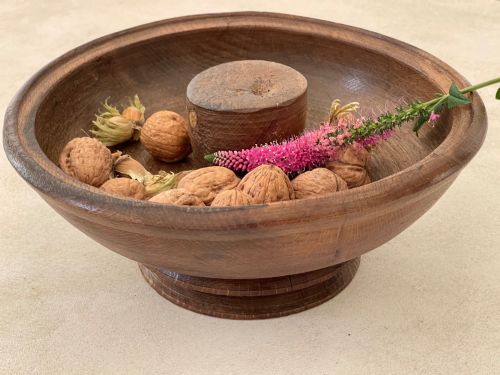
A victorian wooden bowl brings tangible domestic history into a modern interior, offering deep grain and honest utility.
Victorian Wooden Bowl
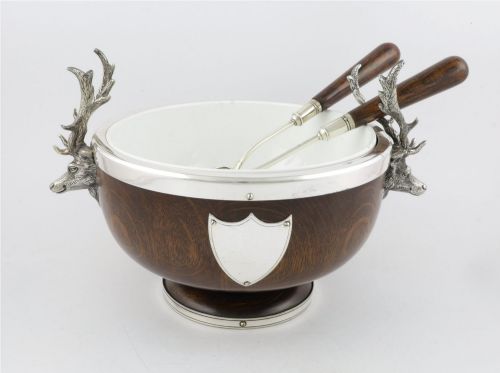
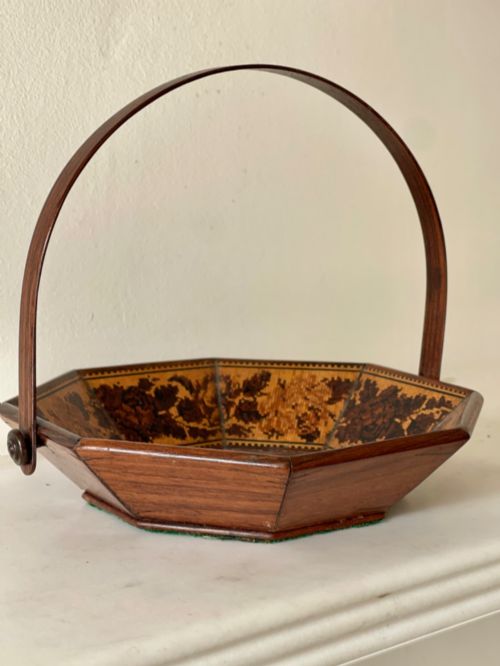
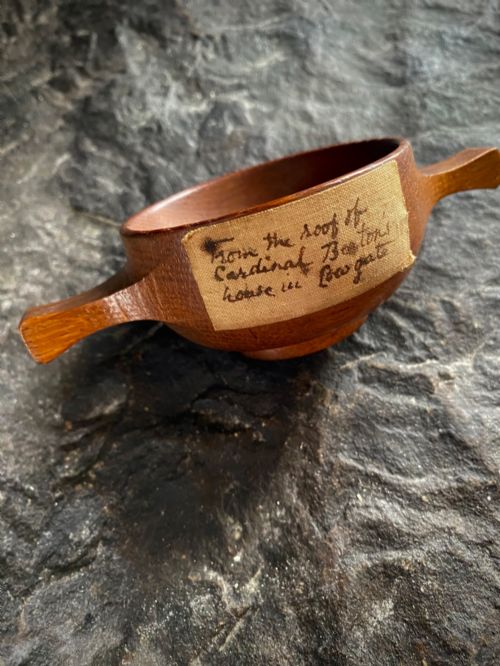
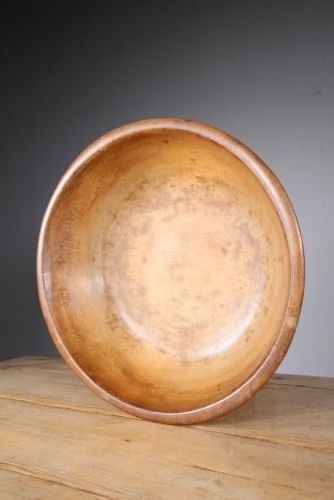
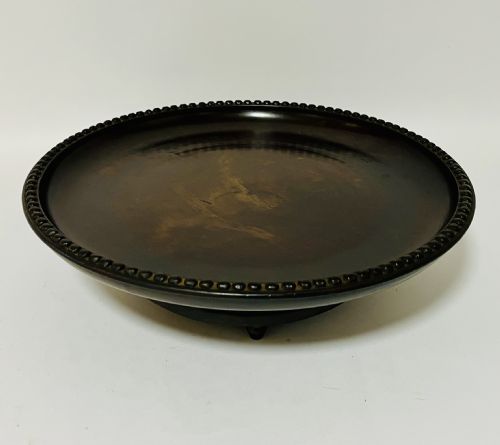
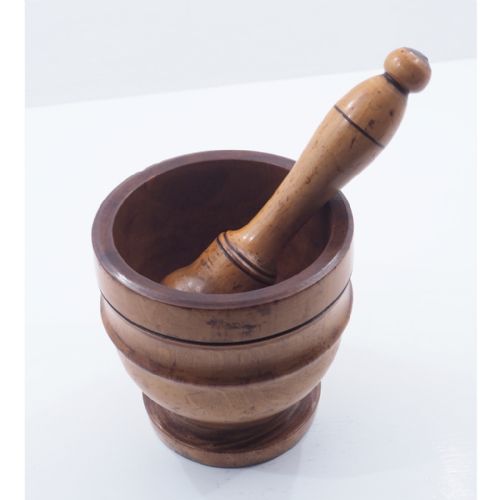
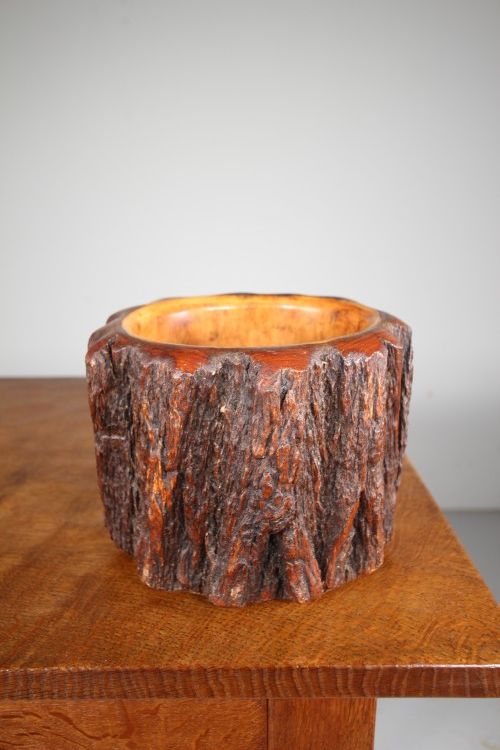
The selection ranges from simple sycamore dairy bowls to carved oak liege bowls and Swiss fruit bowls. Sycamore and walnut examples predominate, often showing the marks of daily use and simple turning methods.
Materials and construction
Turners shaped these vessels on lathes using native and exotic timbers including sycamore, walnut, mahogany, oak, and fruitwood. Some pieces incorporate brass, ceramic, or silver-plated mounts to reinforce rims and handles.
Makers utilised seasoned wood to prevent excessive splitting while turning the bowls to achieve thin, resonant walls. Surfaces were finished simply, relying on friction polish, oil, or natural wear to develop a warm patina over decades.
Victorian Wooden Bowl Retail Price Guide 2026
Typical asking prices for victorian wooden bowl among the pieces listed under this phrase on Sellingantiques today, from the lower quarter to the upper quarter. They describe what is for sale here now, not the wider market.
Keep your bowl away from direct radiator heat, unless you want it to develop a dramatic new personality through spontaneous cracking.
Judging quality and character
Superior examples display crisp turning rings, balanced proportions, and timber with strong grain patterns, such as flame mahogany or figured walnut. Wear should look organic and smooth rather than aggressive or obscuring the original form.
The integrity of the timber and the subtlety of the rim profile distinguish better pieces. Retaining original surfaces without heavy modern restoration preserves the historical character that collectors value.
The Victorian Wooden Bowl Glossary
- Treen
- Small handmade wooden household objects. These items range from bowls and spoons to boxes produced before mass manufacturing.
- Dairy bowl
- A large, shallow vessel traditionally used for setting milk to cream. They were typically turned from sycamore for its clean, taint-free qualities.
- Patina
- The surface sheen and colour acquired by wood through age, handling, and light exposure. A good patina shows depth rather than a flat modern varnish.
- Turned
- Shaped on a lathe using cutting tools against spinning timber. This method leaves concentric rings and circular tool marks visible on the underside.
Victorian Wooden Bowl: Frequently Asked Questions
How do I clean an antique wooden bowl?
Wipe the surface gently with a barely damp cloth and dry it immediately with a soft towel. Avoid soaking the wood in water or using harsh detergent.
Apply a neutral beeswax paste occasionally to nourish the dry timber and maintain a soft sheen without sealing the grain permanently.
Can I use these bowls for serving food?
Most nineteenth-century bowls have porous surfaces, old wax finishes, or shrinkage cracks that make them unsuitable for wet foods. They are best reserved for dry items like fruit or displayed empty.
Using them for heavy culinary use can introduce moisture and cause the aged timbers to split or warp further.
What wood was used most often?
Sycamore and various fruitwoods appear frequently, particularly in dairy and utilitarian bowls because the timber resists splitting and does not impart flavours to food.
More decorative examples utilise dense hardwoods like walnut, mahogany, and rosewood for richer colour and intricate grain patterns.
How do I spot a reproduction?
Examine the base and interior for the crisp, regular lines left by modern high-speed machinery compared to the softer chatter marks of nineteenth-century lathes. Genuine pieces show authentic surface wear and dried shrinkage consistent with age.
Smell the wood and inspect the finish for modern polyurethane varnish, which signals a recent manufacture rather than period polish.