

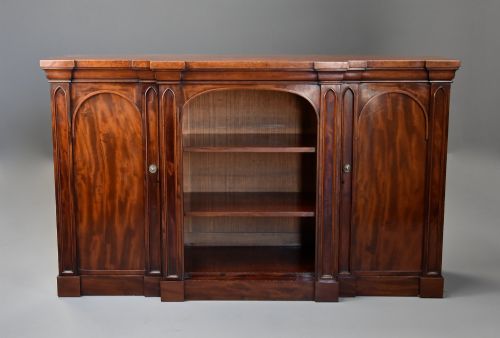
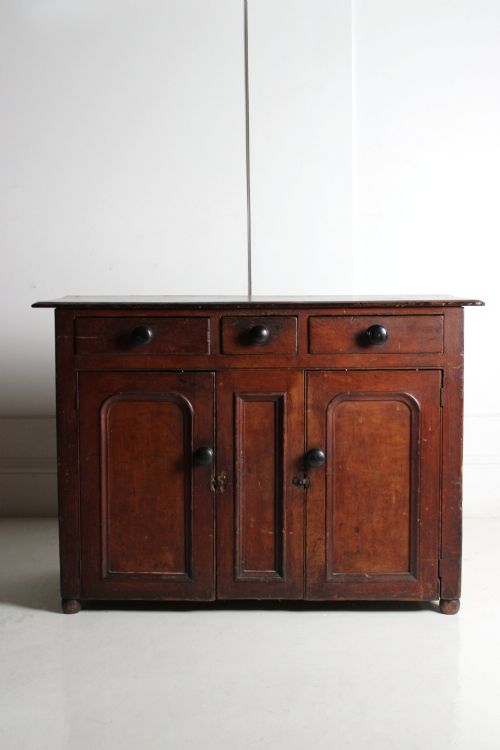
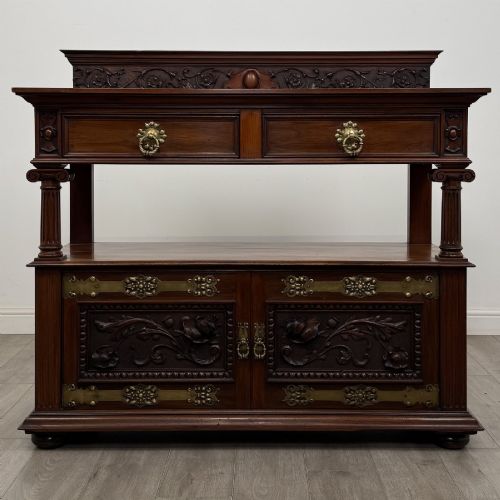
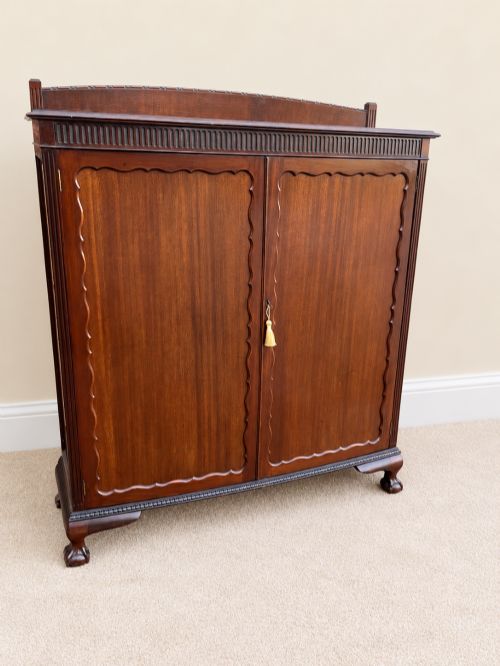
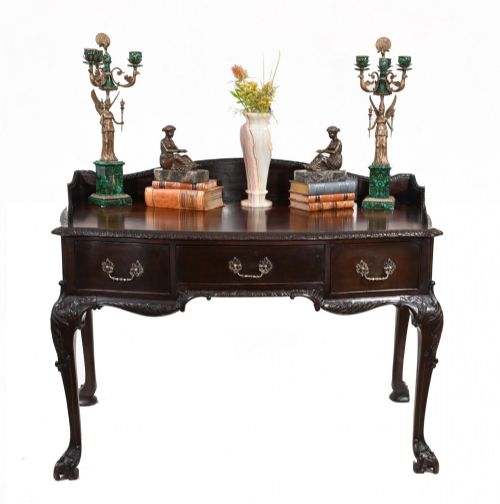
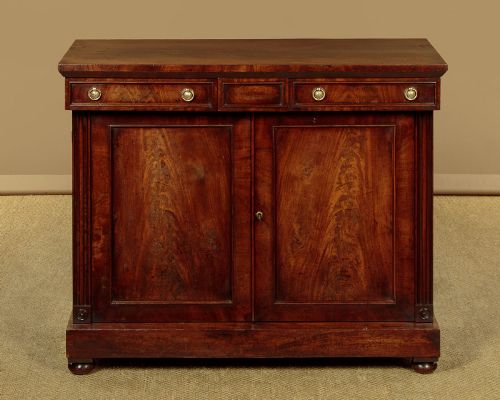
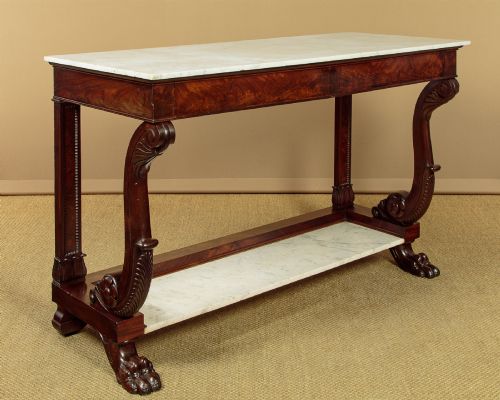
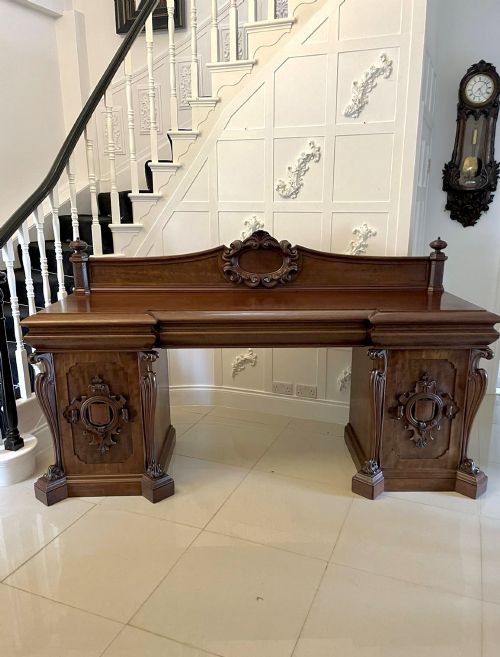
Victorian Wood Sideboard
A victorian wood sideboard is a substantial dining room piece built for serving and storage, combining practical utility with rich nineteenth-century timber.
Victorian Wood Sideboard
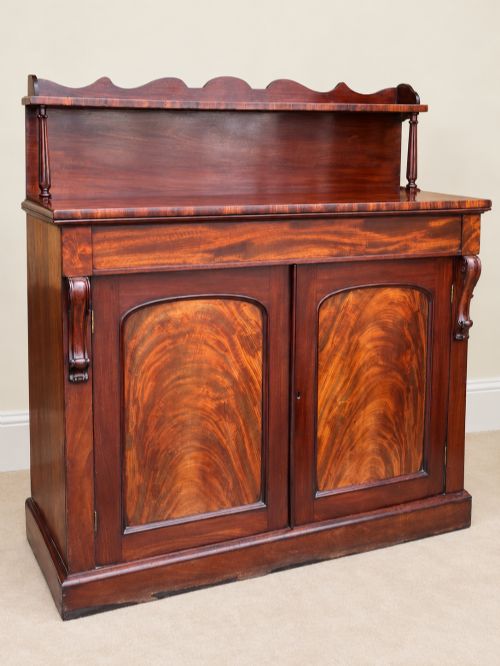
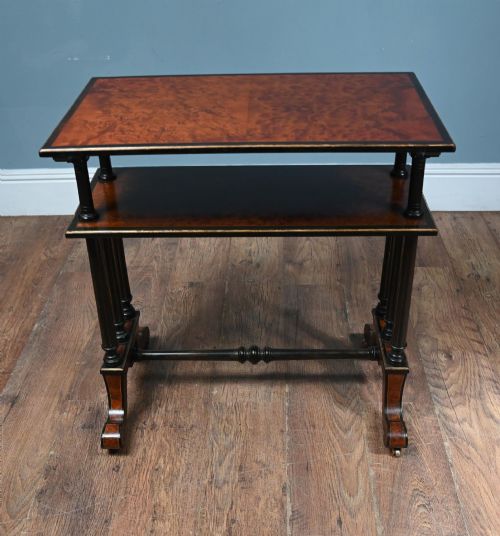
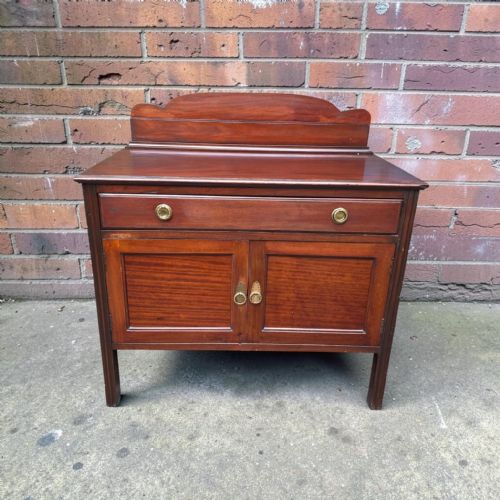
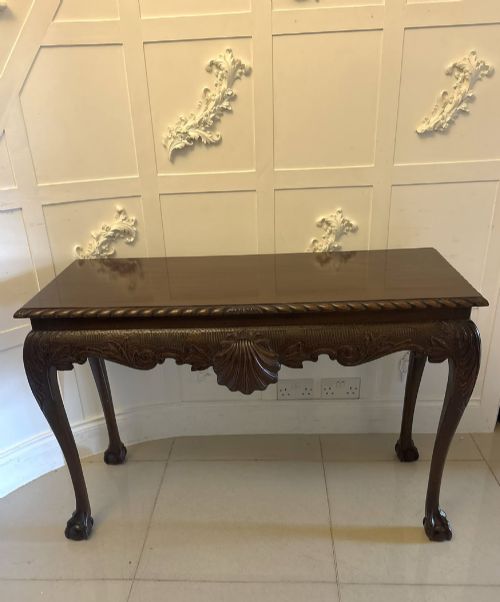
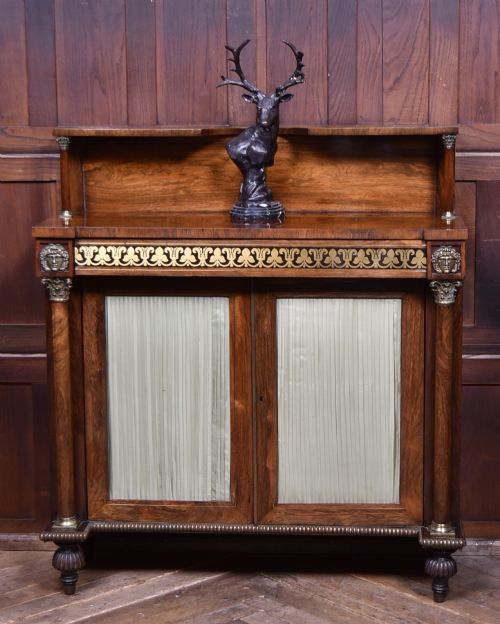
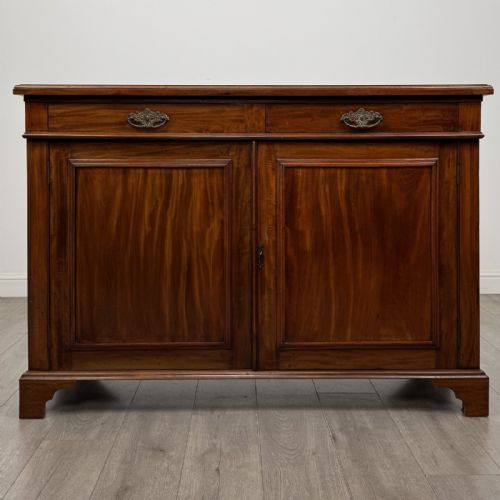
A victorian wood sideboard encompasses large dining room servers, credenzas, chiffoniers, and console tables designed during the nineteenth century. These items provide enclosed cupboard storage and surface space for serving food or displaying household objects.
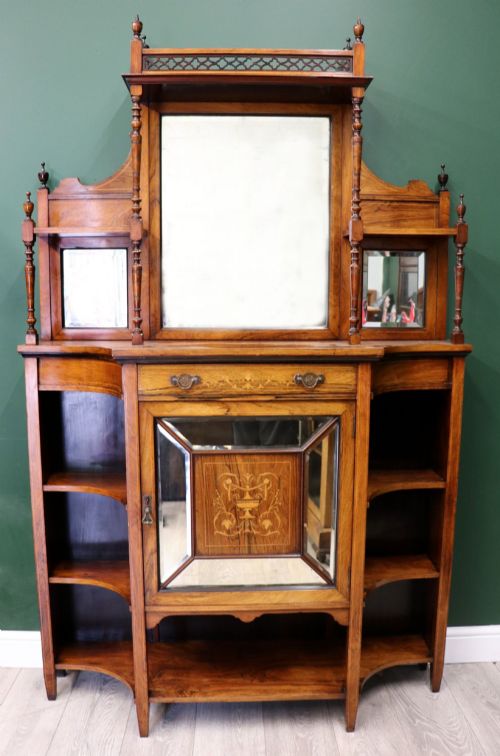
The pieces listed here frequently appear in dense hardwoods, incorporating styles that range from plain country utility to heavily carved Gothic Revival and mirror-backed statement furniture. Buyers meet diverse regional variations spanning walnut, mahogany, oak, and rosewood constructions from various decades.
Makers produced these forms to anchor formal dining spaces and parlours, often integrating glass doors, marble tops, and brass hardware into the wooden chassis.
How they were made
Cabinet makers utilised dense timbers such as mahogany, walnut, oak, and rosewood, frequently applying decorative veneers like flame mahogany, pollard oak, and amboyna to primary display surfaces. These woods received hand-polished finishes to accentuate natural grain patterns.
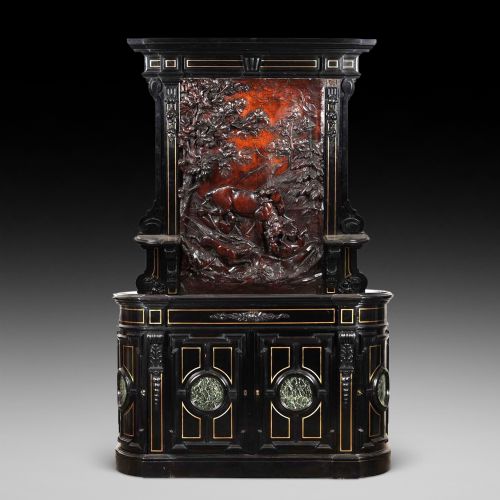
Construction involved traditional joinery techniques paired with hand-carved ornamentation, brass mounts, and occasionally inset marble slabs or glass panelling. Ebonised wood details and marquetry inlays added visual contrast to structural timber frames.
Victorian Wood Sideboard Retail Price Guide 2026
Typical asking prices for victorian wood sideboard among the pieces listed under this phrase on Sellingantiques today, from the lower quarter to the upper quarter. They describe what is for sale here now, not the wider market.
Object forms span standard sideboards, credenzas, chiffoniers, buffet servers, console tables, and cabinet bookcases.
What varies in quality
The refinement of hand-carved ornamentation and the selection of figured wood veneers distinguish standard workshop production from exhibition pieces. Superior examples display crisp joinery, intact original brass hardware, and carefully matched timber grains across large expanses.
Subtleties in secondary woods, the execution of mirror frames, and the presence of documented makers elevate certain pieces above domestic utility furniture.
G Bartholomew And Co·Hewetsons London
The Victorian Wood Sideboard Glossary
- Chiffonier
- A compact sideboard or low cabinet equipped with drawers and enclosed lower shelves, popular throughout the nineteenth century.
- Credenza
- A low cabinet originating in continental Europe, often featuring glass doors and amboyna or ebonised wood details.
- Marquetry
- Decorative inlay work using various coloured woods to create pictorial or geometric patterns on furniture surfaces.
- Gothic Revival
- A nineteenth-century design style drawing on medieval architectural motifs, seen in heavy carved oak sideboards.
Victorian Wood Sideboard: Frequently Asked Questions
What is a victorian wood sideboard used for?
These pieces served nineteenth-century households as dining room servers, holding heavy dishes, cutlery, and glassware behind enclosed cupboard doors.
Their upper surfaces provided a convenient staging area for serving food during formal meals or displaying decorative ceramics.
How do I identify a chiffonier?
A chiffonier is typically smaller than a full dining room sideboard, combining a low waist with a raised shelf back or small cupboard.
They function well in modern living rooms and hallways where space is limited.
Which woods are most common?
Mahogany, walnut, and oak appear frequently across nineteenth-century dining furniture, often enhanced with decorative veneers like flame mahogany or burr walnut.
Exotic timbers such as rosewood and amboyna indicate higher status decorative pieces.
How do I style a large mirror back sideboard?
Mirror back sideboards work effectively as focal points in dining rooms or entrance halls, reflecting ambient light around the space.
Keep the main surface uncluttered to showcase the timber grain and carved details.