
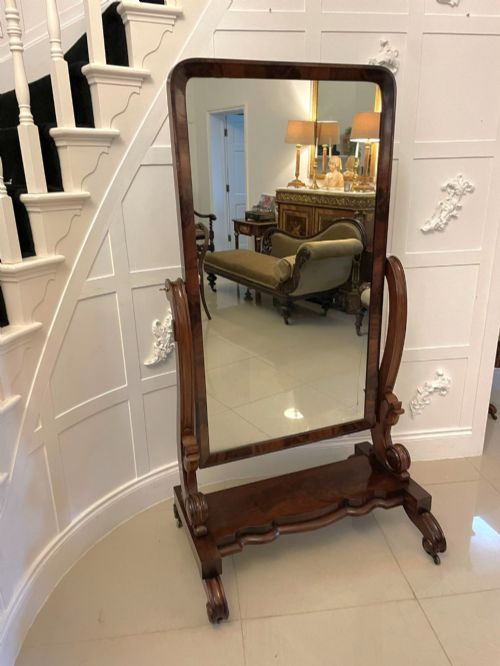
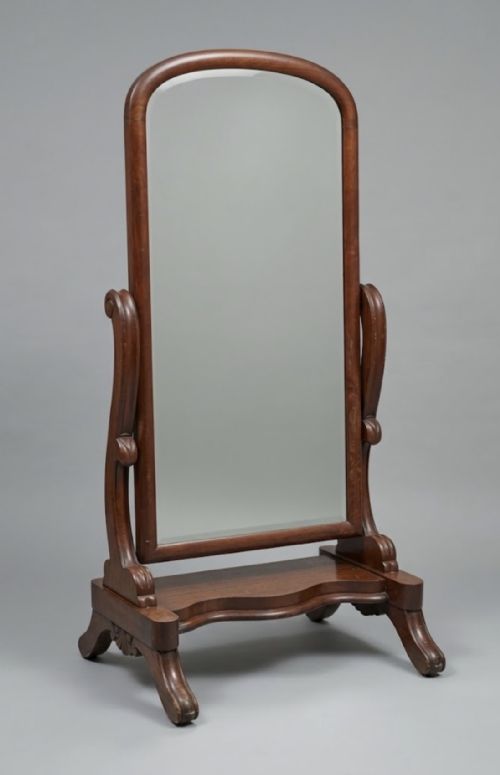
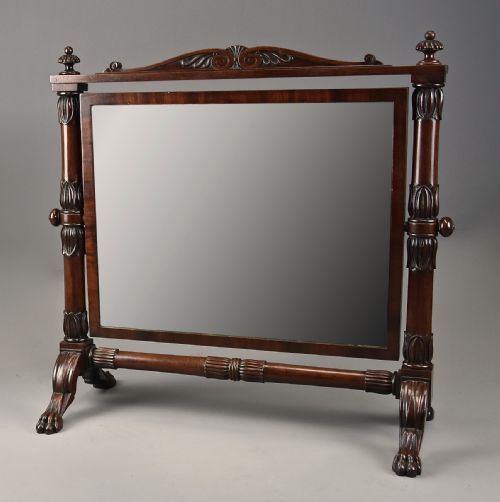
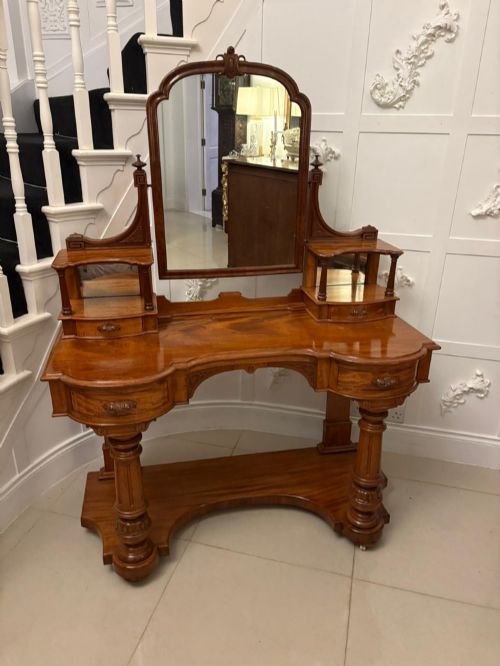
Victorian Wood Dressing Mirror
A Victorian wood dressing mirror brings daily reflection to life with rich timber frames and pivoting glass.
Victorian Wood Dressing Mirror
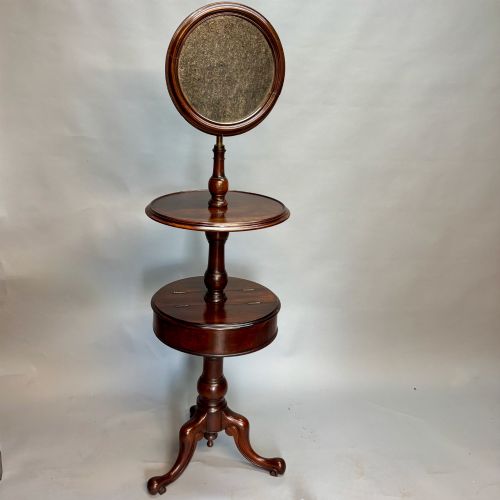
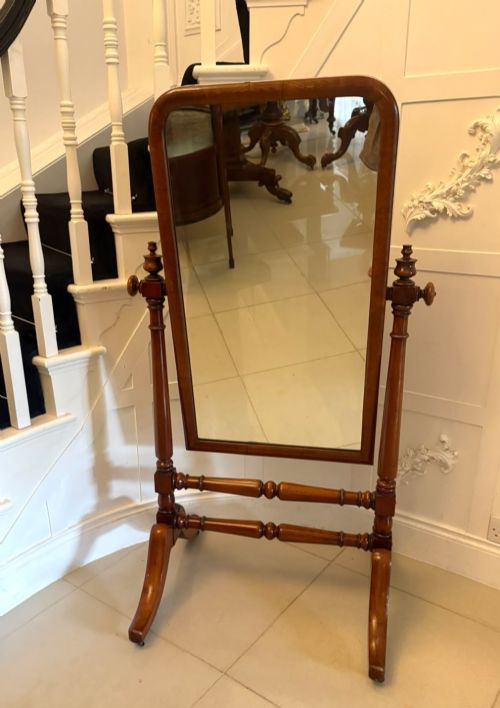
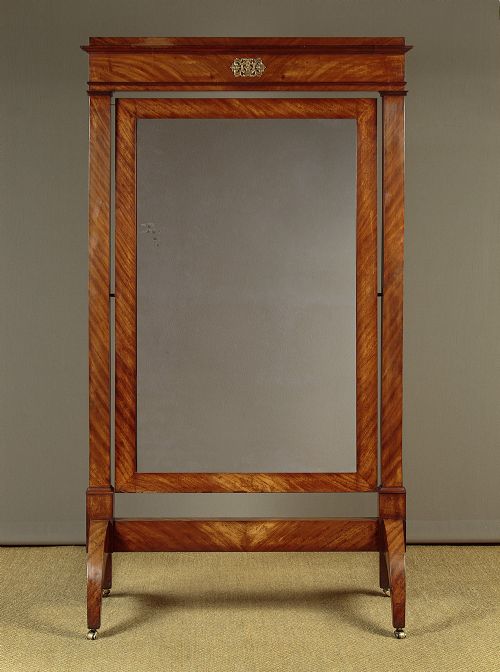
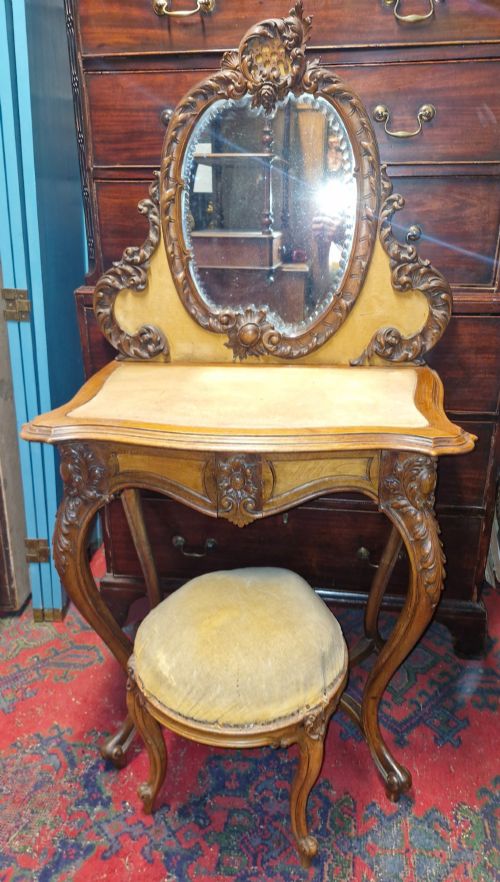
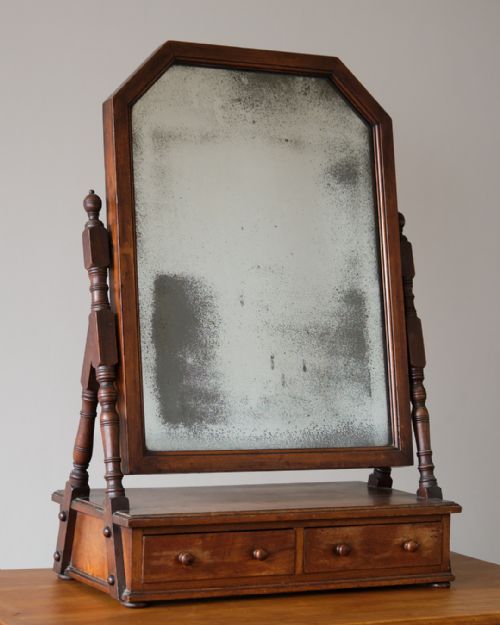
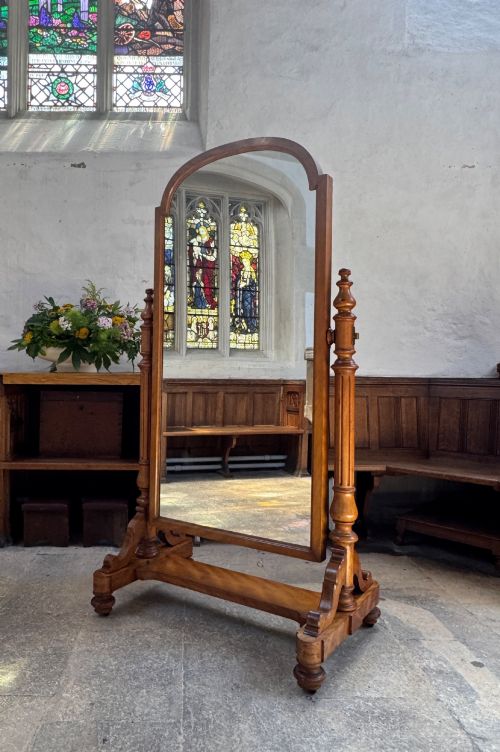
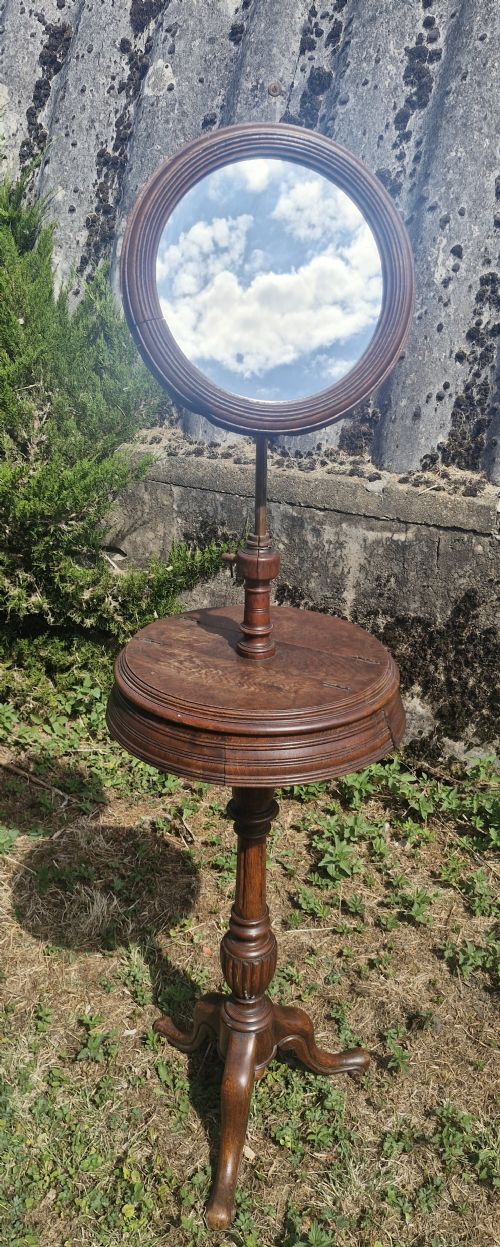
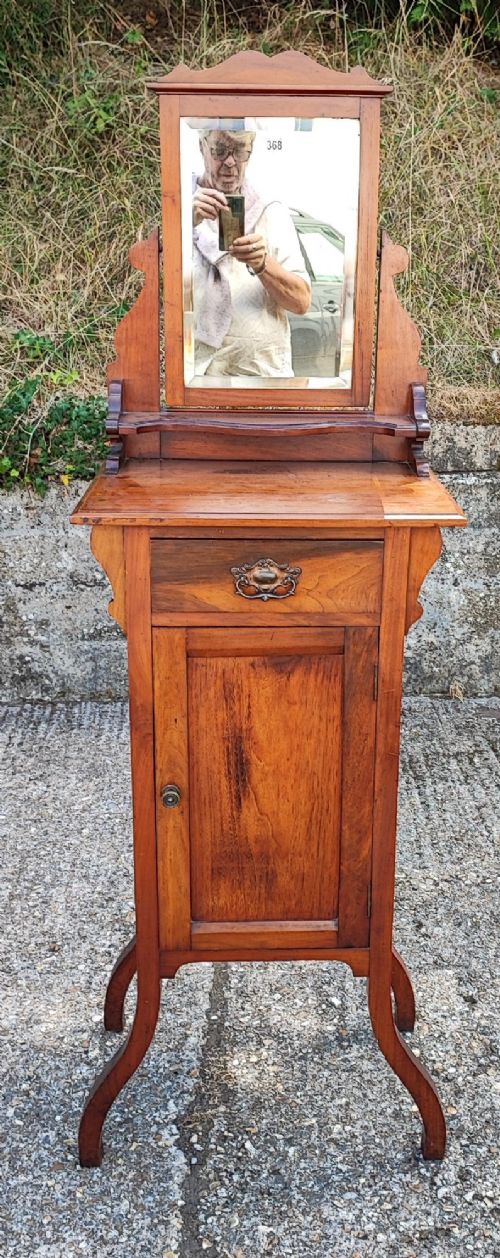
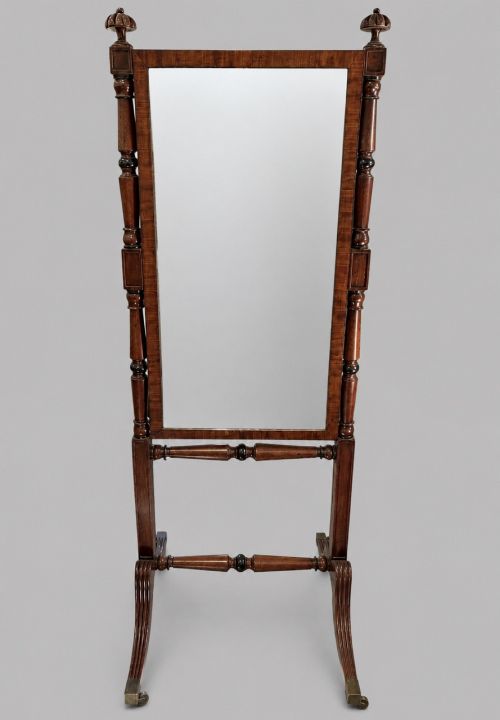
A victorian wood dressing mirror is an essential furnishing designed to sit upon a chest or stand independently as a floor-standing cheval glass. The pieces seen here span the nineteenth century, drawing heavily on Victorian and Regency aesthetics.
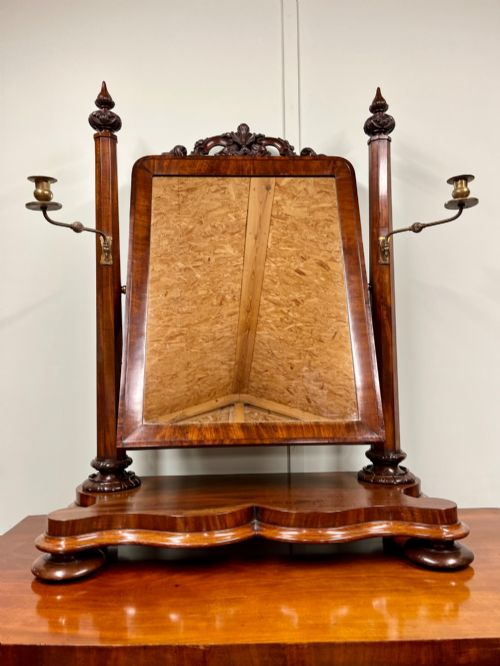
Mahogany and walnut form the backbone of these selections, appearing in both tabletop toilet swing mirrors and tall freestanding formats. Makers utilised dense timbers to create sturdy frames that pivot smoothly between upright supports.
Materials and construction
Carpenters constructed these frames primarily from mahogany, walnut, and satinwood, often accenting the timber with brass fittings and candle arms. Glass plates are held securely within pivoting wooden frames mounted onto robust pedestals or scrolled legs.
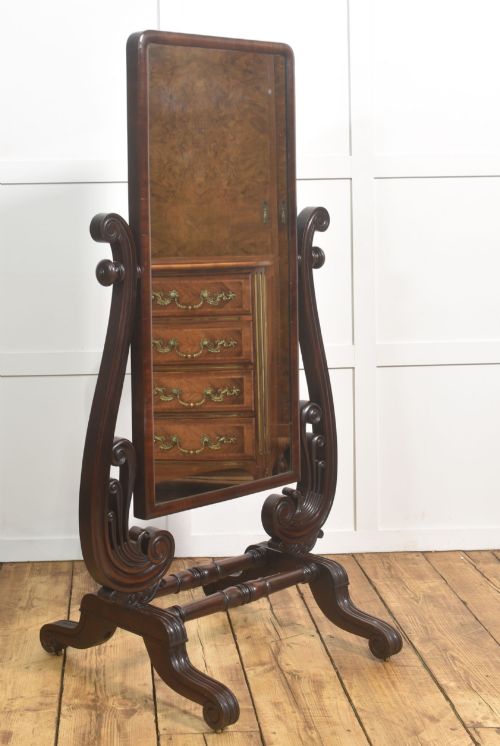
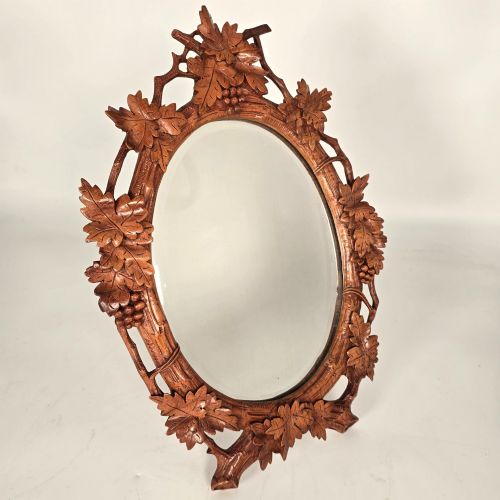
Carving and turning shaped the uprights and bases, employing techniques such as rope carving and fine lime wood detailing. Giltwood and gesso also appear on select Italian and French influenced examples, adding decorative contrast to the warm wood tones.
Listings feature mahogany, walnut, and satinwood alongside specialised shaving stands and full-length cheval designs.
Judging the range
The distinction between standard examples and superior pieces rests on the choice of timber and the crispness of the carved details. Finely figured mahogany and walnut veneers elevate a piece, while robust swivel mechanisms indicate careful workshop execution.
Proportion and stability define the upper tier of these mirrors, ensuring the swing frame balances securely at any angle. Pieces bearing maker or retailer attribution further distinguish themselves through documented provenance.
Heal & Sons·Waring & Gillows·Maple & Co·P & MA Nicholson
The Victorian Wood Dressing Mirror Glossary
- Cheval mirror
- A large freestanding floor mirror that swings within a fixed frame. This format allows a full-length view of attire.
- Toilet mirror
- A smaller dressing mirror designed to sit atop a table or chest of drawers. These often feature miniature drawer bases.
- Giltwood
- Wood that has been coated with gold leaf or gold paint. It frequently highlights decorative carvings on nineteenth-century frames.
- Gesso
- A plaster-like material applied to wood surfaces and carved before gilding. It provides a smooth base for ornate surface decoration.
- Swing mirror
- Any glass mounted on pivots between two upright posts to adjust the tilt angle. The mechanism relies on brass screw caps or wooden friction knobs.
Victorian Wood Dressing Mirror: Frequently Asked Questions
What is a cheval mirror?
A cheval mirror is a tall floor-standing dressing glass mounted on a frame that permits the plate to tilt. These pieces allow a full-length view and require adequate floor space in a bedroom.
Most examples from this period utilise heavy mahogany or walnut stands with stable feet to support the weight of the pivoting glass.
How do I use a toilet mirror?
A toilet mirror sits securely on top of a dressing table, chest of drawers, or sideboard to aid with grooming. The pivoting glass adjusts the angle of reflection while small integrated drawers store accessories.
These compact pieces bring traditional utility to modern dressing areas without demanding permanent floor space.
How do I date a Victorian mirror?
Dating relies on examining the timber species, construction joints, and the backing boards of the frame. Earlier nineteenth-century pieces often feature hand-turned uprights and simpler mahogany frames, whilst later Victorian items introduce richer veneers and varied revival styles.
Hardware such as brass screw caps and the clarity of the mirror glass provide further clues to the decade of manufacture.
Are these mirrors easy to maintain?
Maintaining these wooden frames requires simple dusting with a dry cloth and protecting the timber from direct sunlight and moisture. The glass can be cleaned with standard window sprays applied to a cloth rather than directly onto the mirror.
Checking the stability of the pivot screws periodically ensures the swing mechanism remains secure and balanced.