

Victorian Wood Dining Table
When you search for a victorian wood dining table, you are looking for solid craftsmanship designed to anchor a room.
Victorian Wood Dining Table
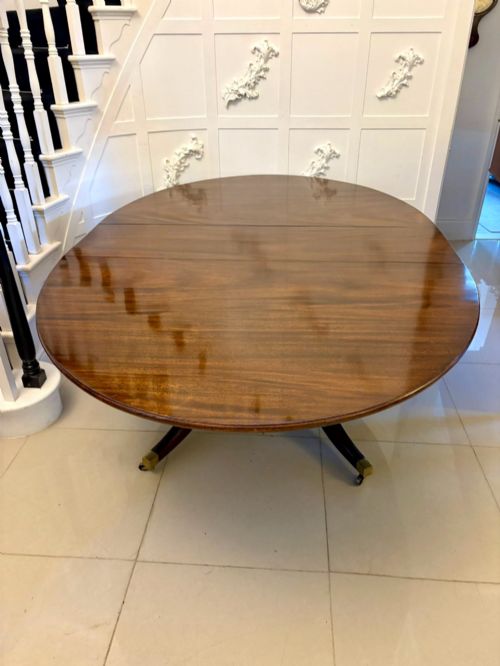
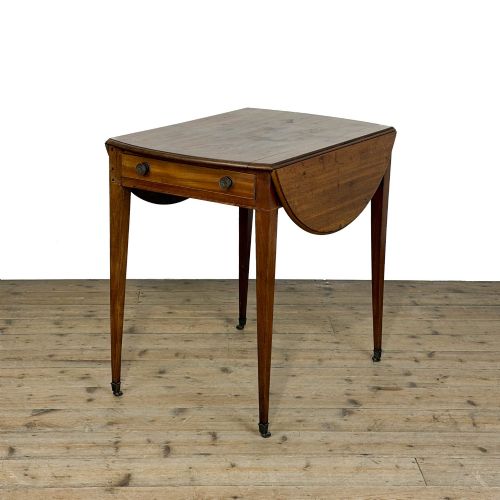
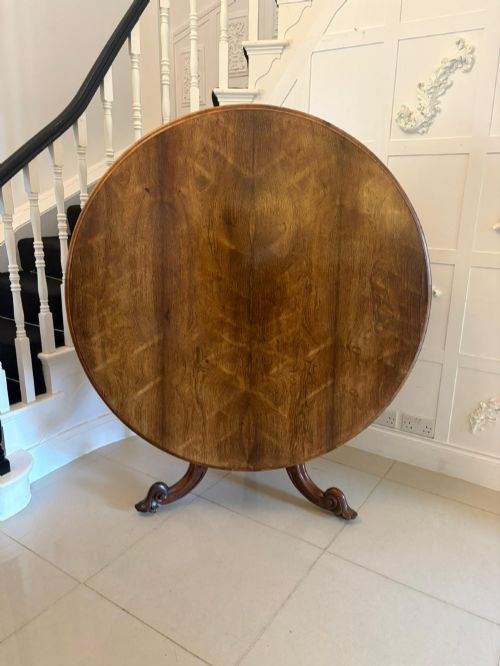
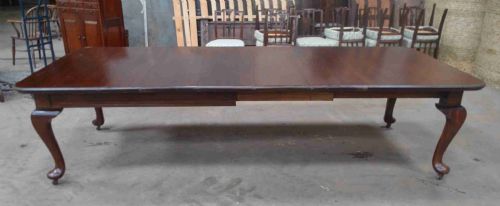
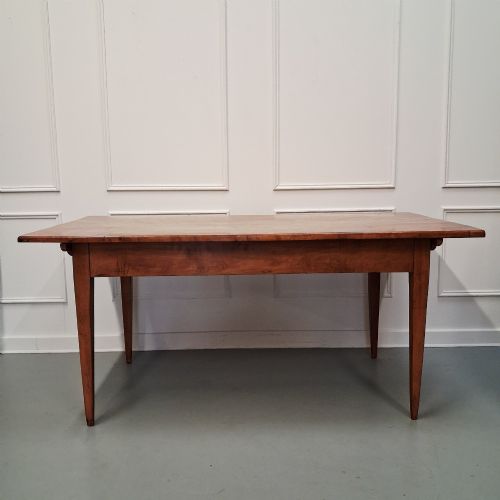
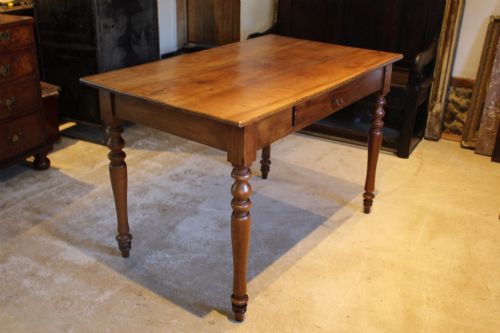
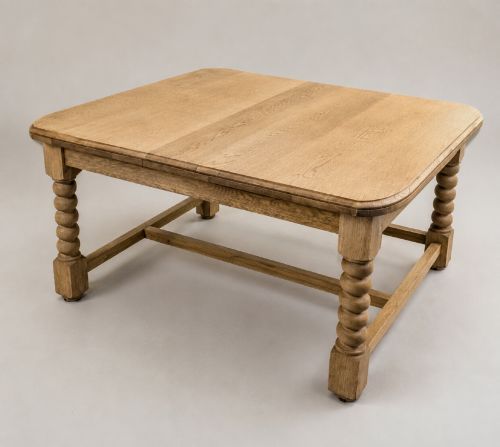
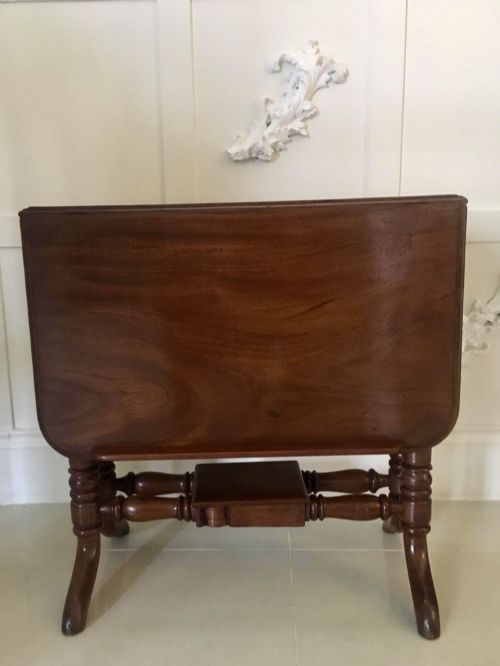
A victorian wood dining table bridges the gap between domestic utility and grand interior display, with formats ranging from compact tilt-top designs to expansive multi-pillar extending boards.
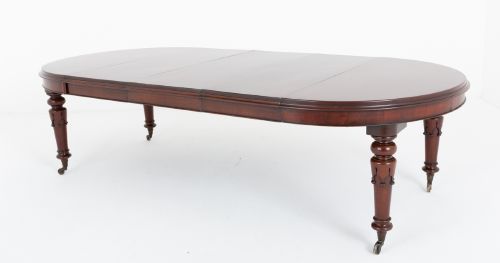
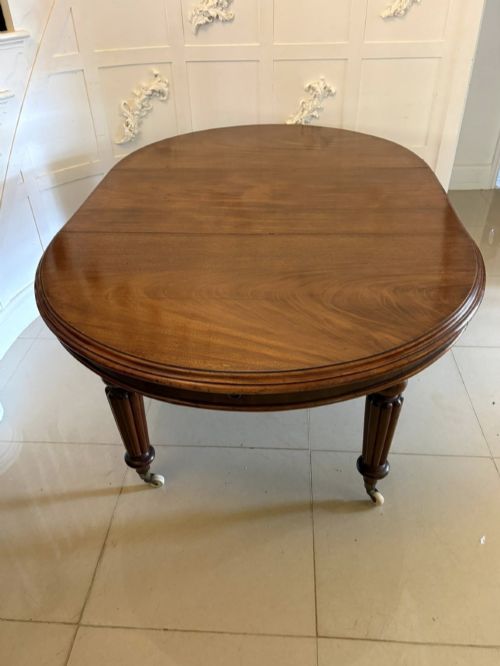
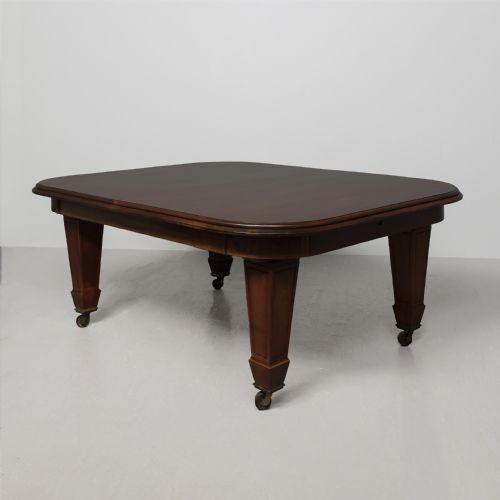
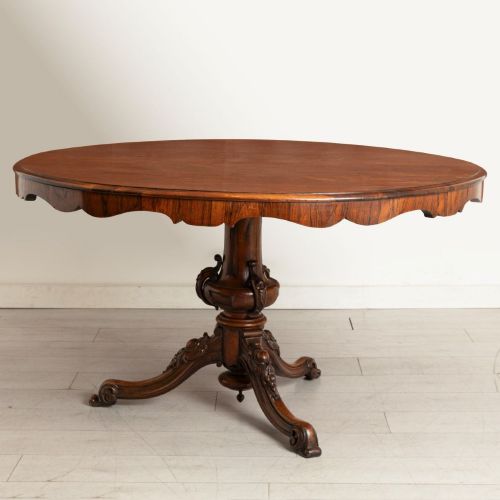
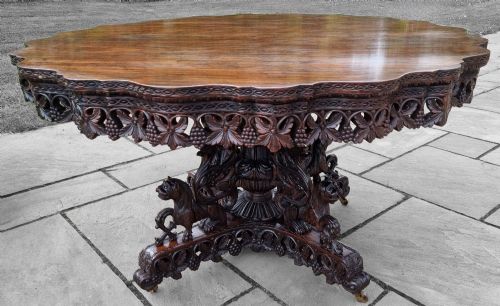
The most common examples encountered on this page are mahogany extension tables utilising winding mechanisms, alongside circular rosewood centre tables suited to domestic reception rooms.
Originating predominantly from nineteenth-century British workshops, these pieces reflect the shifting dining habits of the period, moving from parlour gatherings to large family banquets.
Materials and Construction Methods
Makers relied heavily on dense tropical hardwoods like mahogany and rosewood, often enhanced by walnut, satin birch, or pine for secondary framing and farmhouse variants.
Mechanical ingenuity defined the extending tables of the era, incorporating brass castors, internal screw mechanisms, and removable leaves supported by sturdy pedestals or turned legs.
The listings span the nineteenth and early twentieth centuries, featuring robust mahogany, exotic rosewood, and practical pine farmhouse constructions.
Distinctions in Quality and Make
Superior examples demonstrate careful timber selection, utilising well-figured grain patterns that remain stable across large surface areas without excessive warping.
The integrity of the structural joinery, the smoothness of winding actions, and the crispness of carved details on pedestals and aprons separate standard workshop production from finer cabinet work.
Gillows·Maple & Co·William and Gibton
The Victorian Wood Dining Table Glossary
- Extending table
- A dining table designed with a mechanism to separate and accept additional leaves for increased seating capacity.
- Tilt-top
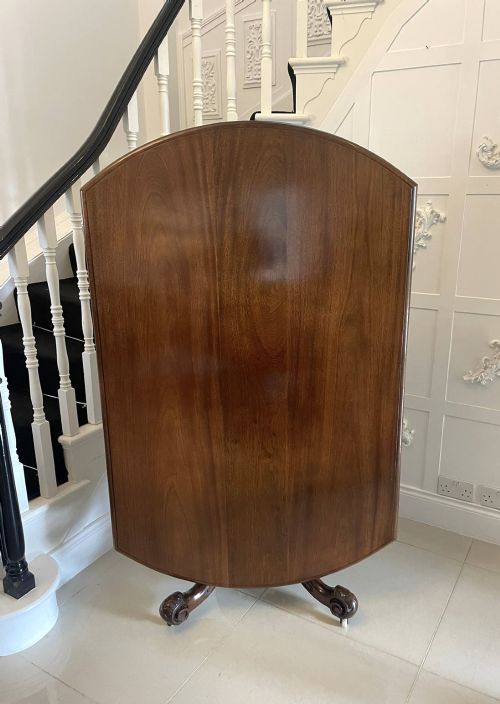
- A table top hinged to pivot vertically when not in use, allowing the piece to stand flat against a wall to save space.
- Wind out
- An extending table mechanism operated by a detachable crank handle that turns a central screw to draw the table ends apart.
- Castor
- A small wheel mounted in a swivel housing attached to the bottom of table legs to ease movement across floors.
- D-End
- A dining table format featuring semicircular ends, often created by placing two side tables against an extending middle section.
Victorian Wood Dining Table: Frequently Asked Questions
How do I operate a wind-out dining table?
Insert the metal crank handle into the socket beneath the table edge and turn it clockwise to expand the gap between the sections. Place your additional leaves into the centre channel before turning the handle in reverse to lock the top securely together.
Ensure the internal wooden runners remain lightly waxed so the mechanism slides smoothly without binding or straining the brass screw components.
Can I use a tilt-top table for daily dining?
Tilt-top tables were historically used as breakfast or centre tables where heavy daily use was less common than in formal dining rooms. The pivoting mechanism relies on a brass catch or wooden peg which can experience wear if subjected to constant pressure.
For everyday meals, a fixed-pedestal or four-legged frame offers greater rigidity and stability than a pivoting top.
What is the difference between a centre table and a dining table?
Centre tables are typically smaller, standing on a single central pillar with a fixed top, designed to sit in the middle of a parlour or entrance hall for display. Dining tables are engineered for seating multiple people around a wider surface, often featuring extending mechanisms or multiple legs.
While some larger rosewood centre tables double as dining surfaces in historical records, most standard dining formats prioritize legroom and extension capacity.