


Victorian Wood Corbel
These Victorian wood corbel examples bring distinct architectural weight and nineteenth-century carving skill straight to your walls.
Victorian Wood Corbel
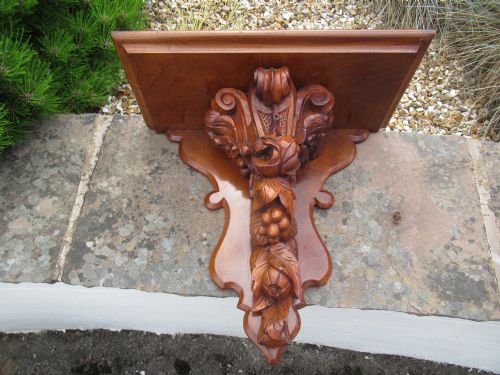
When searching for a victorian wood corbel, buyers encounter architectural salvage elements and decorative wall brackets designed to support shelves or project beneath mantelpieces. These architectural supports emerge from the nineteenth century, spanning decades from eighteen fifty to nineteen hundred in various timber forms.
The most common versions met on this page include architectural carvings and wall brackets fashioned from walnut, pine, and rosewood. Pieces often display specific regional and stylistic traits, ranging from Black Forest animal carvings to Anglo-Indian shelf structures and Gothic Revival designs.
How they were made
Craftsmen shaped these items using solid hardwoods and softwoods including mahogany, rosewood, walnut, pine, limewood, and goncalo alves. Timbers were selected for grain pattern and density to withstand structural weight or hold intricate chisel work.
Makers utilised hand-carving techniques to create deep relief motifs, scrolls, and animal figures. Surfaces were finished to highlight the natural colour and figure of the wood without obscuring the manual tool marks left by the carver.
Among the carved timber heads keeping watch from the walls, a fierce tiger and a lion share space with an archangel.
What varies in quality
The depth and conviction of the carving separate standard architectural salvage from exceptional decorative art. Superior examples exhibit crisp undercut details, anatomical precision in figural subjects, and harmonious proportions that balance structural purpose with ornament.
The choice of timber significantly alters the character of the piece, with dense exotic hardwoods such as rosewood and goncalo alves yielding sharper definition than softer pine or limewood. Preservation of the original timber surface and crispness of the edge profiles further distinguish finer items.
The Victorian Wood Corbel Glossary
- Corbel
- A structural member projecting from a wall to carry a weight, usually designed with decorative scrolls or carved motifs. In nineteenth-century interiors, these elements frequently functioned as shelf supports or architectural enrichments.
- Black Forest carving
- Woodwork originating from the mountainous regions of central Europe, noted for realistic representations of animals and foliage. These items often feature detailed bears, lions, or game figures.
- Giltwood
- Timber that has been coated with gold leaf or metallic gilt paint to simulate solid gold enrichment. This treatment appears on decorative brackets intended for formal reception rooms.
- Goncalo alves
- A dense exotic hardwood featuring striking contrasting dark brown and blonde figuring, highly favoured by nineteenth-century cabinet makers. It provides exceptional weight and a smooth finish.
- Architrave
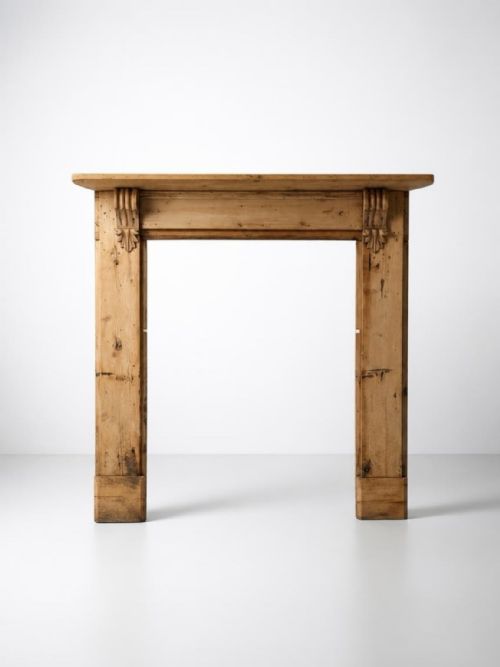
- The moulded frame surrounding a door, window, or fireplace opening, often incorporating carved wooden elements like corbels. Salvaged pieces retain the profile of their original domestic context.
Victorian Wood Corbel: Frequently Asked Questions
How were Victorian wood corbels used in houses?
These architectural supports were built into interior walls to bear the weight of heavy oak shelving, mantelpieces, or structural ceiling beams. They provided both physical reinforcement and ornate visual enrichment for nineteenth-century rooms.
Over time, many of these architectural pieces were salvaged from period properties to serve as standalone wall brackets or decorative display ledges in modern spaces.
What woods were used for nineteenth-century corbels?
Cabinet makers and architectural carvers utilised a broad selection of timbers depending on the required function and stylistic region. Native softwoods like pine appeared alongside rich hardwoods including walnut, mahogany, and rosewood.
More specialised items employed exotic woods such as goncalo alves or limewood, which allowed carvers to achieve fine detail in foliage and animal sculptures.
How do I date a Victorian wood corbel?
Dating relies on examining the timber species, tool marks, and stylistic indicators such as Gothic Revival motifs or Black Forest animal carvings. Pieces from the mid nineteenth century often feature dense rosewood and classical scrollwork.
Later Victorian items towards the end of the century frequently display more naturalistic foliage and bolder high-relief carving styles executed in walnut or pine.
How do I mount a heavy wooden corbel safely?
Mounting requires securing the flat backplate directly to wall studs using appropriate steel fixings or hidden interior brackets rated for the weight of the timber. Because nineteenth-century hardwoods and dense pine carry substantial weight, proper anchoring into structural framing is essential.
Consulting a professional installer ensures the piece remains secure if the bracket is intended to hold books or display objects.