

Victorian Wood Chairs
Victorian wood chairs offer sturdy construction and rich grain, bringing period character and practical seating to any room.
Victorian Wood Chairs
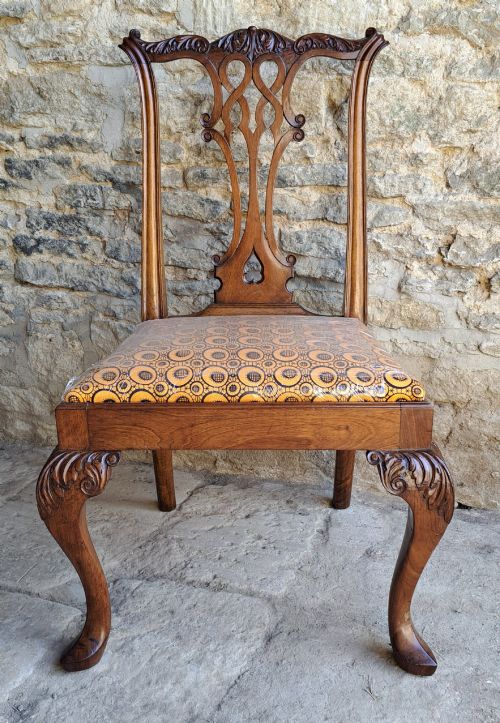
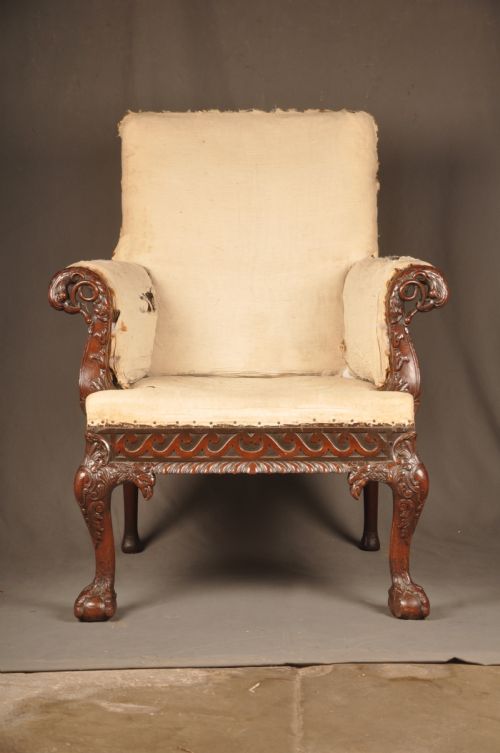
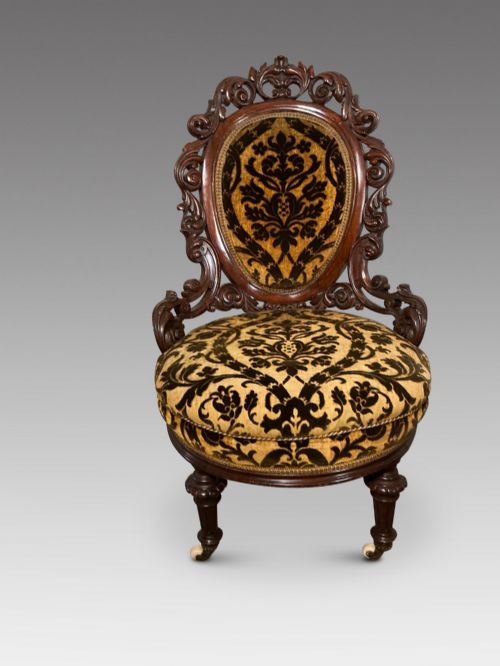
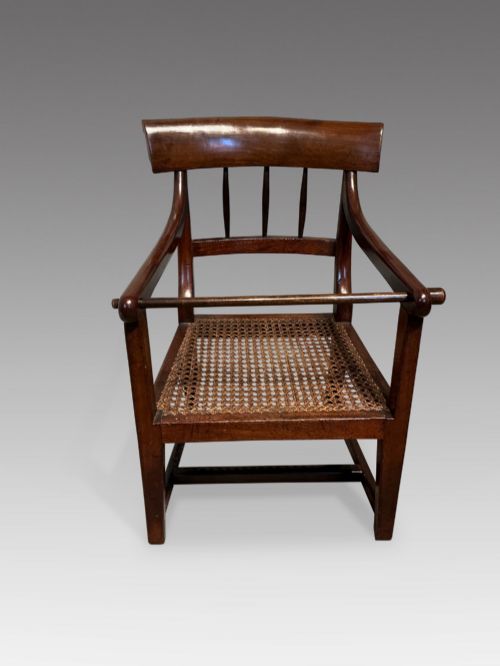
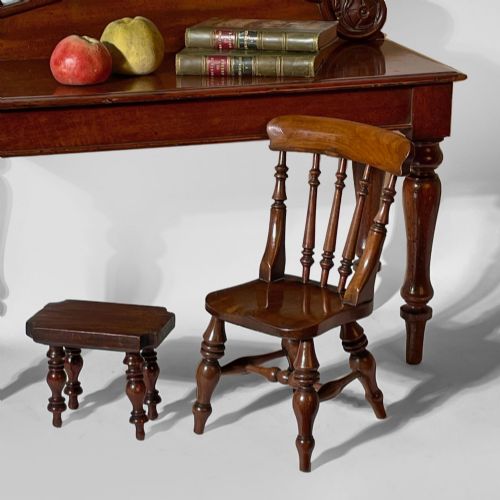
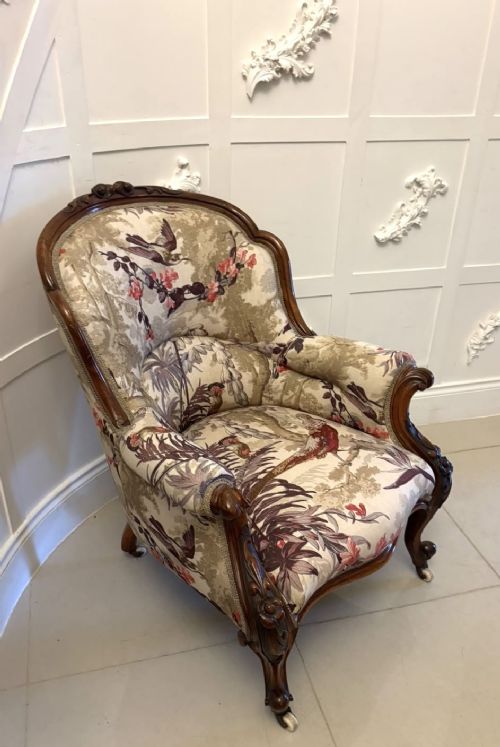
When buyers search for victorian wood chairs, they encounter a diverse range of seating originating primarily from the nineteenth century. These pieces span formal dining sets in mahogany and walnut alongside robust country vernacular designs shaped from elm, ash, and beech.
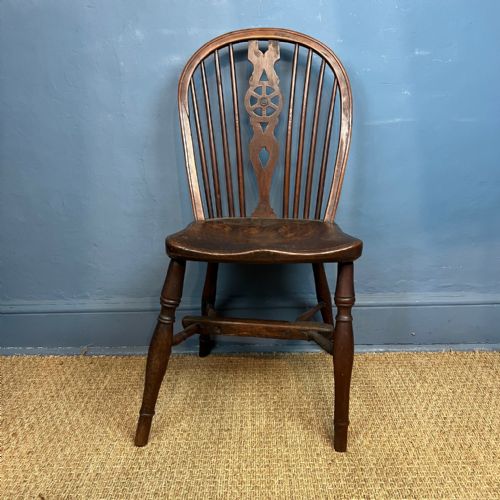
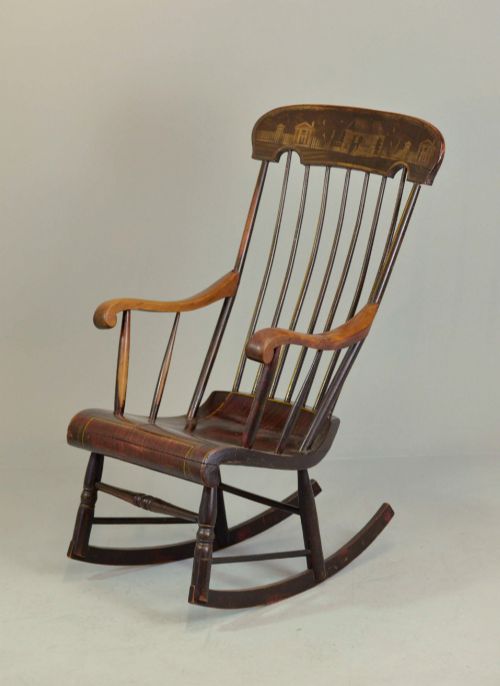
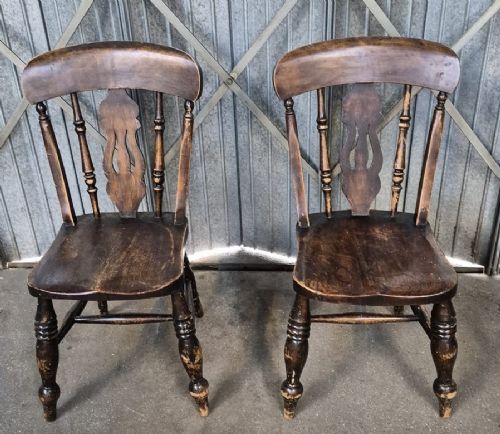
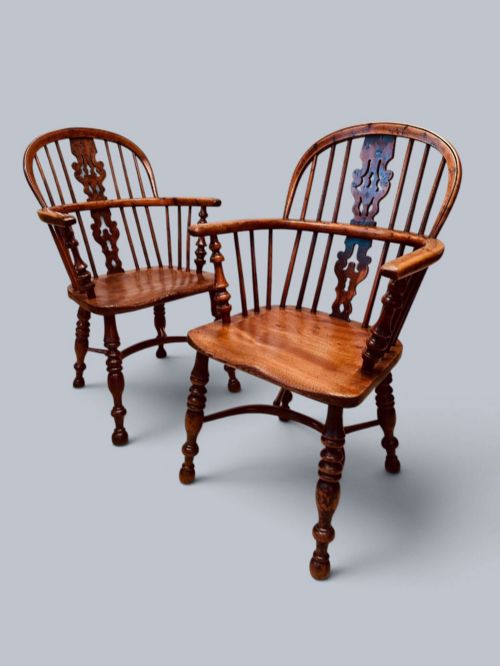
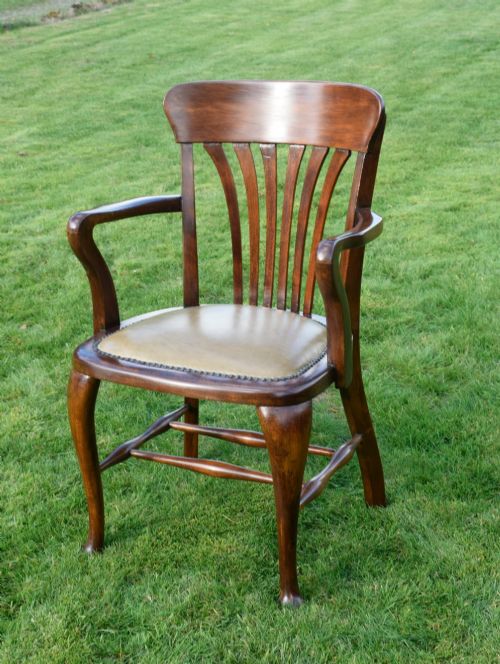
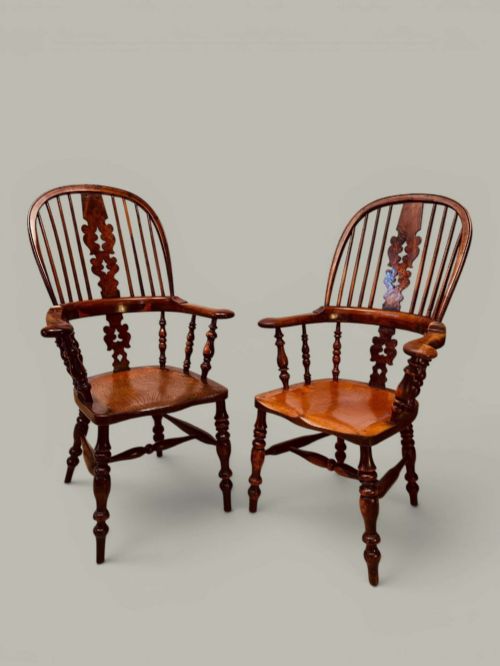
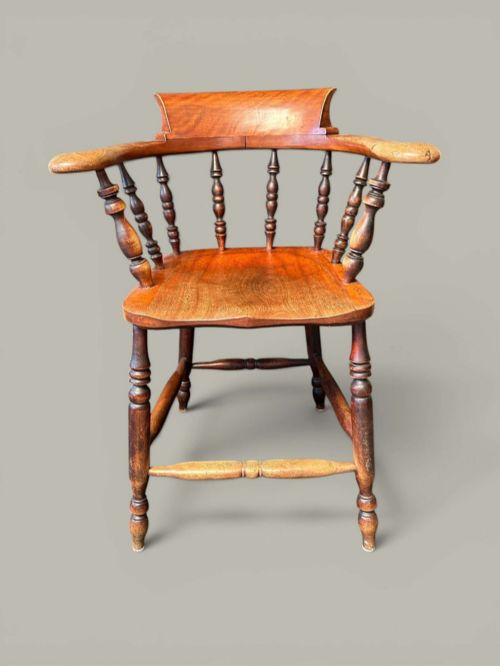
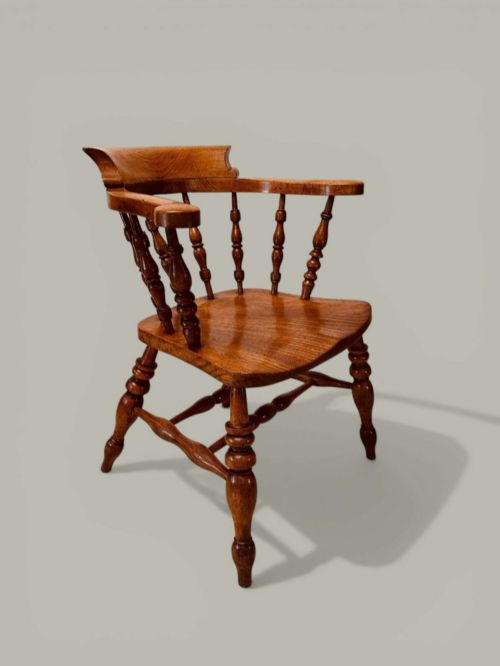
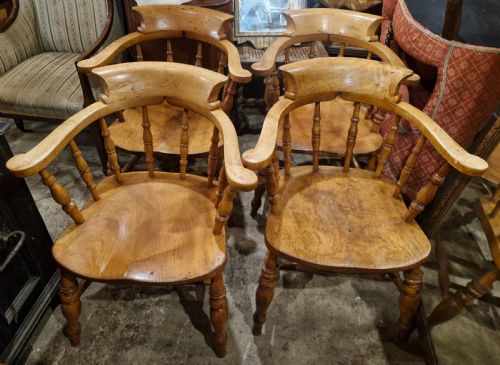
The selections on this page appear in numerous forms, including Windsor armchairs, hall chairs with shield backs, revolving desk chairs, and sets of dining chairs. Dining chairs and kitchen Windsors dominate the available selection, serving as the most common pathways into collecting this period.
Materials and construction methods
Cabinet makers and bodgers utilised native timbers like elm, ash, beech, and fruitwood alongside imported hardwoods such as mahogany, walnut, and rosewood. Solid timber construction forms the backbone of these pieces, frequently employing turned spindles, carved splats, and steam-bent components.
Regional variations dictate the joinery, with Thames Valley Windsors and English country vernacular pieces relying on wedged tenons and saddle seats. Decorative detailing includes mother-of-pearl nacre-shell inlay, carved motifs in Gothic Revival styles, and reeded legs.
Victorian Wood Chairs Retail Price Guide 2026
Typical asking prices for victorian wood chairs among the pieces listed under this phrase on Sellingantiques today, from the lower quarter to the upper quarter. They describe what is for sale here now, not the wider market.
Some nineteenth century desk chairs feature revolving mechanisms, allowing Victorian clerks to swivel while managing ledgers.
Assessing quality in period seating
The distinction between standard utility seating and high-end parlour pieces rests in timber selection and the crispness of the carving. Superior dining chairs and armchairs utilise dense, deeply figured mahogany, walnut, or rosewood with integrated structural elements rather than applied ornamentation.
Proportion and retention of original surfaces also govern worth. Pieces that maintain unaltered patination, robust joinery without excessive shimming, and well-executed turning demonstrate the skill of the nineteenth-century workshop.
The Victorian Wood Chairs Glossary
- Windsor
- A wooden chair built with a solid saddle-shaped seat into which the legs, back legs, and comb or bow are separately bored and secured. These rural seats often combine elm seats with ash or beech spindles.
- Lathback
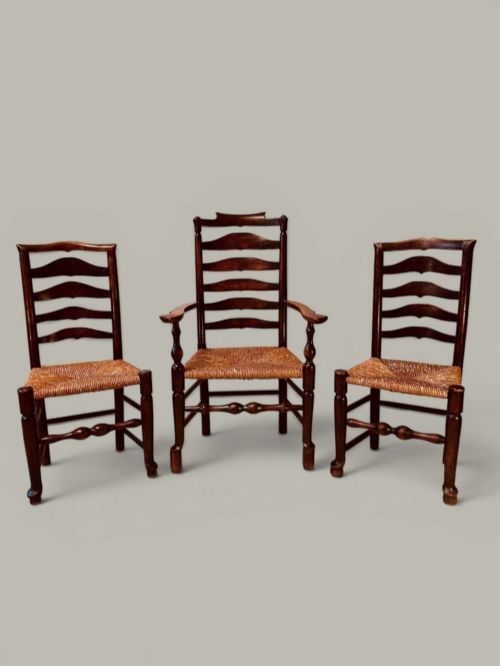
- A Windsor chair variation featuring horizontal wooden slats set into the vertical back posts instead of traditional vertical spindles. This regional vernacular design provides robust support for kitchen and dining use.
- Bentwood
- Furniture formed by steaming wood until pliable and bending it into curved profiles, notably utilised by Thonet. This technique created lightweight, resilient frames popular in the later nineteenth century.
- Reeded
- A decorative moulding consisting of parallel convex strips resembling inverted fluting. This classical detail appears frequently on the straight or turned legs of dining chairs.
Victorian Wood Chairs: Frequently Asked Questions
How do I clean my Victorian chair?
Dust regularly with a dry cloth and occasionally apply a quality beeswax to nourish the timber.
Avoid chemical sprays and keep wooden seating away from direct heat sources to prevent the timber from splitting.
Can I use these chairs daily?
Most nineteenth-century seating was built for everyday domestic use and remains structurally robust for modern dining.
Check the joints periodically and avoid rocking back on rear legs to preserve antique glue lines.
What is a Windsor chair?
A Windsor is a sturdy wooden seat constructed by inserting legs and back spindles directly into a thick sculpted plank.
They originated in rural workshops and utilise contrasting woods such as elm for the seat and ash for the bow.
How do I identify dining chair sets?
Sets are typically identified by matching timber grain, identical carving details, and uniform dimensions across the group.
Larger gatherings of chairs often indicate pieces assembled over time rather than an original unified suite.