





Victorian Wood Casket
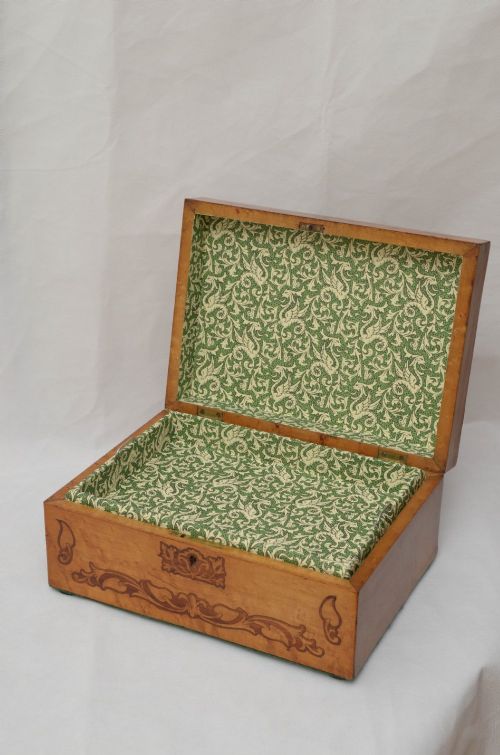
These nineteenth-century wooden caskets and boxes offer secure storage for letters, jewellery, and keepsakes, combining fine cabinetmaking with decorative materials.
Victorian Wood Casket
A victorian wood casket encompasses a range of lidded containers designed to hold jewellery, stationery, and small personal valuables. These pieces take the form of dedicated writing boxes, sewing cases, glove boxes, and desk top cabinets.
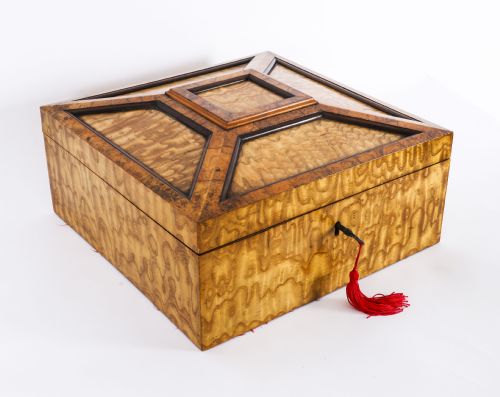
The examples appearing here span several decades of the nineteenth century, utilising dense tropical hardwoods and indigenous British timbers. Makers built these containers to sit upon dressing tables, writing desks, and drawing room credenzas.
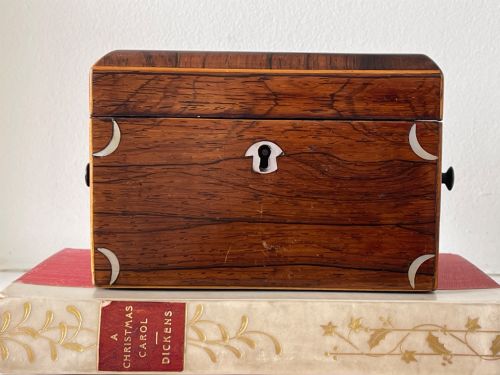
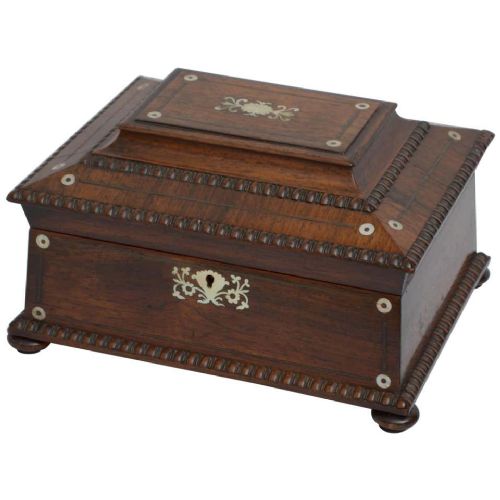
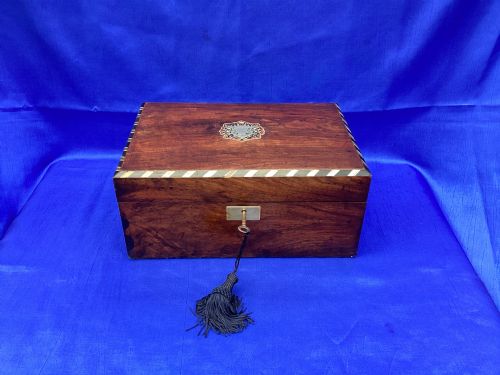
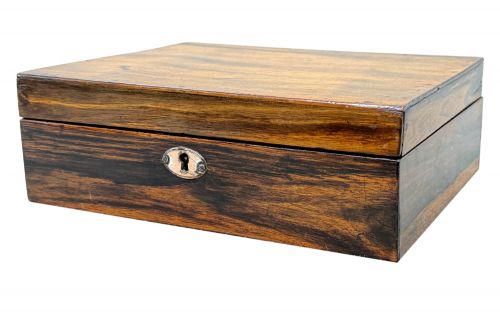
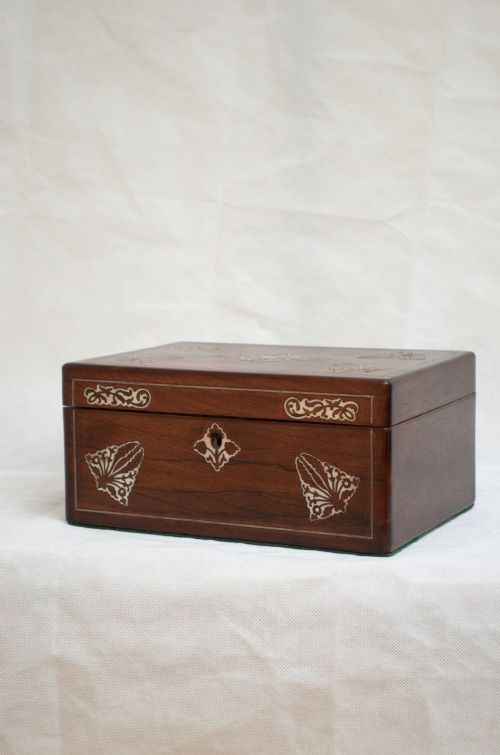
Rosewood, walnut, and coromandel dominate the selection, frequently enhanced with contrasting stringing, brass mounts, and inlaid panels. Many retain fitted interior trays and velvet or silk linings intended for the safe custody of trinkets.
Materials and Construction Methods
Cabinetmakers constructed carcass boxes from solid pine or mahogany before applying costly face veneers of rosewood, burr walnut, amboyna, or coromandel. Corners often received brass reinforcement or mitred joints to withstand heavy daily handling.
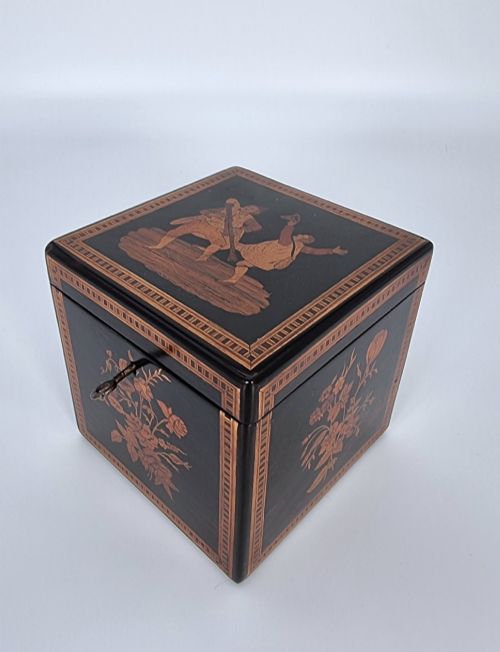
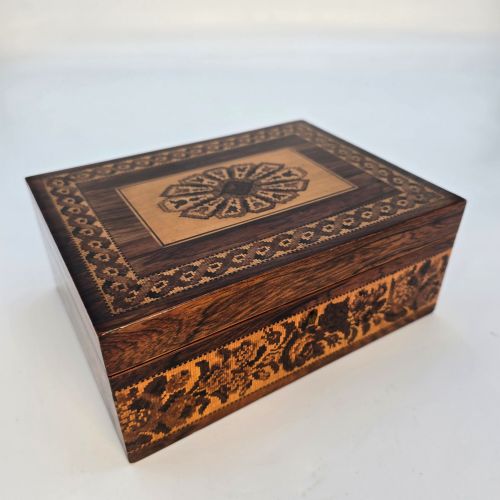
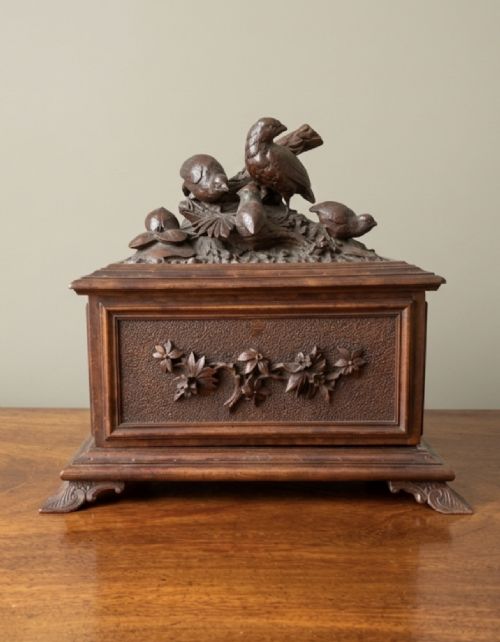
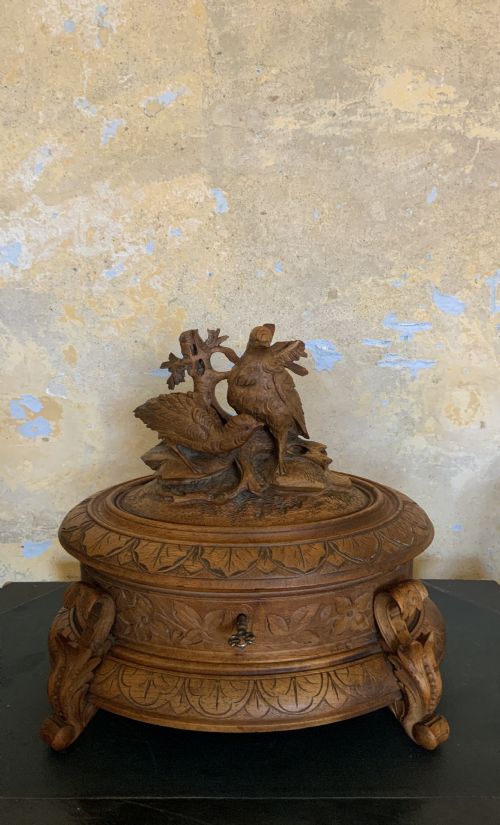
Surface enrichment relied on specialised techniques such as Tunbridge ware micro-mosaic tesserae, Sorrento marquetry, bone inlay, and mother-of-pearl escutcheons. Black Forest examples display deep, three-dimensional carved foliage and animals worked directly into walnut or lime wood.
Victorian Wood Casket Retail Price Guide 2026
Typical asking prices for victorian wood casket among the pieces listed under this phrase on Sellingantiques today, from the lower quarter to the upper quarter. They describe what is for sale here now, not the wider market.
The selection includes specialised forms such as stationery cabinets, glove boxes, writing slopes, and sewing chests originating from British, Italian, and Swiss workshops.
Assessing Craftsmanship and Condition
The distinction between standard commercial boxes and superior examples rests on the precision of the veneer matching and the complexity of internal fittings. Fine pieces incorporate secret drawers, working locks with original keys, and solid brass Tunbridge or coromandel mounts rather than plated substitutes.
Structural integrity depends upon how well the timber has coped with atmospheric changes over generations. Boxes that retain their original fitted velvet trays, intact paper linings, and crisp exterior marquetry demonstrate superior survival.
Edmund Nye
The Victorian Wood Casket Glossary
- Coromandel
- A dense, heavily figured southeast Asian timber with dark brown and black stripes, utilised for luxury nineteenth-century boxes. It provides a stable and highly decorative ground for brass banding and inlay.
- Tunbridge Ware
- A form of British woodwork originating in Kent, characterised by mosaic pictures built from thousands of tiny wood blocks. Artisans arranged natural-coloured timbers to create geometric patterns and topographical scenes on box lids.
- Marquetry
- The art of applying thin decorative veneer slices to a wooden structure to form pictorial or geometric designs. Craftsmen cut various woods together to ensure tight joints between contrasting elements.
- Sorrento Ware
- Italian woodwork featuring detailed micro-mosaic pictures produced using minute pieces of olive wood and other local timbers. These panels frequently adorn the lids of nineteenth-century grand tour souvenirs.
- Parquetry
- A geometric mosaic of wood pieces used for flooring or box exteriors, similar to marquetry but strictly utilising angular patterns. Squares, triangles, and diamonds form repeating motifs across the lid and sides.
- Escutcheon
- A flat plate of brass or bone surrounding a keyhole to protect the surrounding wood from wear. On these caskets, they often double as decorative centerpieces on the front lid.
Victorian Wood Casket: Frequently Asked Questions
What were antique wooden caskets used for?
These lidded containers held valuable personal items including rings, necklaces, letters, and sewing implements. Wealthy households kept them in bedrooms or public reception rooms to secure private possessions.
Interior compartments, lift-out trays, and velvet cushions kept delicate objects from shifting during daily use or transport around the estate.
How do I identify a Victorian casket?
Nineteenth-century boxes typically display specific timber choices such as coromandel, rosewood, and burr walnut combined with hand-cut dovetail joints. Look for period lock mechanisms, brass escutcheons, and traditional hand-applied French polish finishes.
Styles range from Gothic revival brass-bound models to intricate Tunbridge ware mosaics and deep Swiss wood carvings.
Are keys usually included with these boxes?
Many nineteenth-century boxes lost their small working keys over generations of use and house moves. Replacement keys can sometimes be fitted by specialists, though many collectors display the boxes unlocked.
The presence of an original matching key adds convenience for those who wish to secure the lid.
How should I care for antique wood boxes?
Keep wooden caskets away from direct sunlight and radiators to prevent the dry heat from splitting delicate veneers and warping the carcass. Maintain a stable indoor humidity level.
Apply a minimal amount of quality wax polish occasionally to nourish the timber, avoiding harsh modern chemical sprays that damage historic surfaces.