

Victorian Wood Cabinet
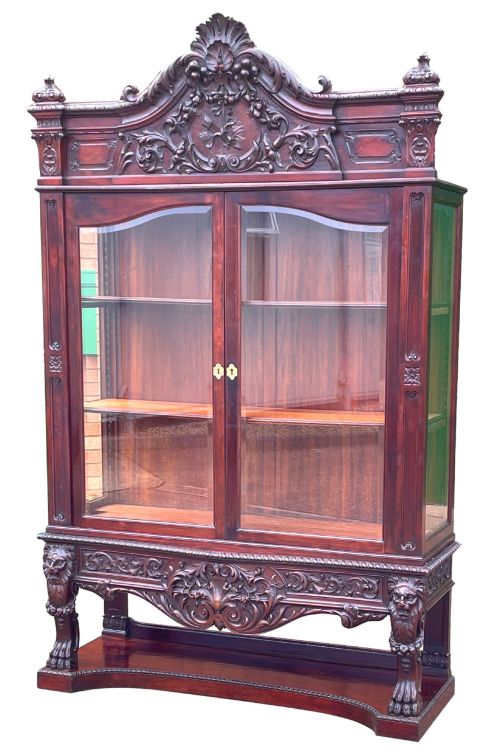
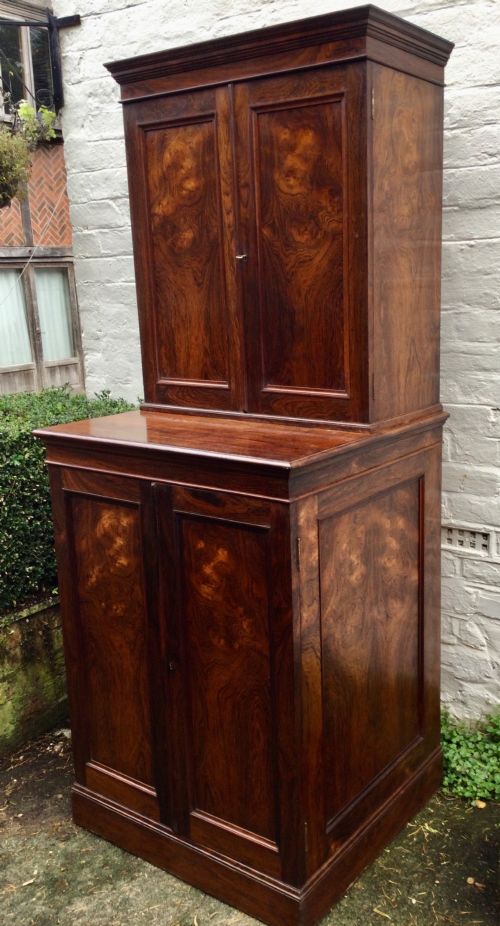
A victorian wood cabinet brings dense mahogany, walnut, and rosewood together with sturdy brass hardware to anchor a room with period utility.
Victorian Wood Cabinet
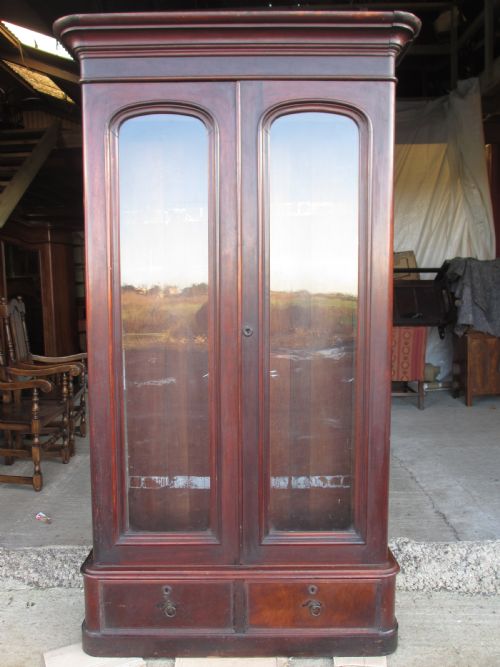
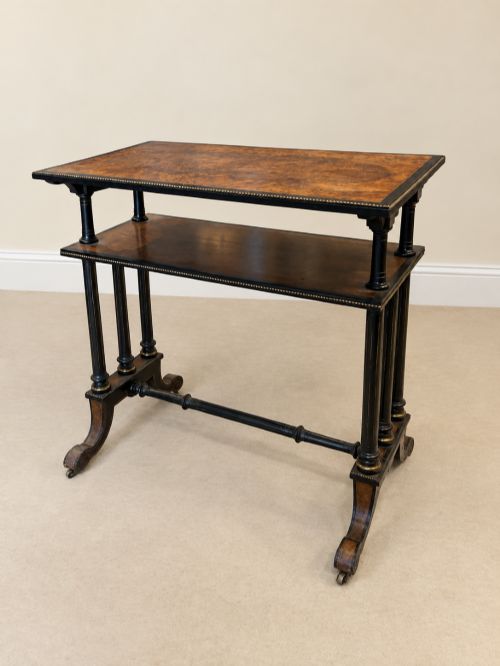
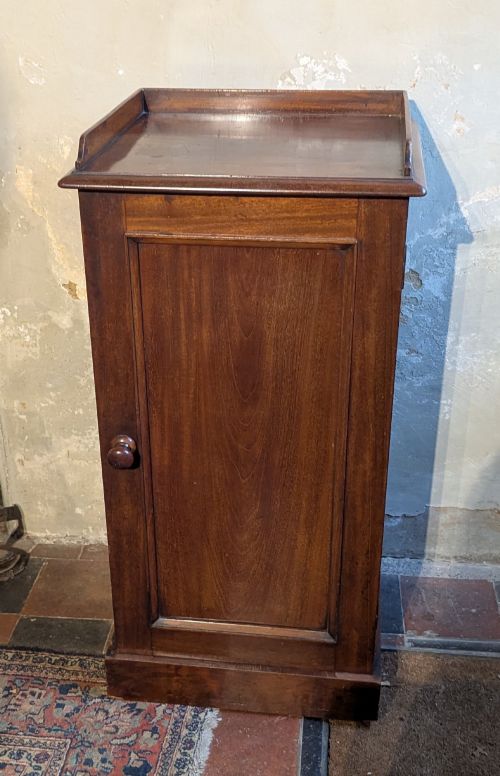
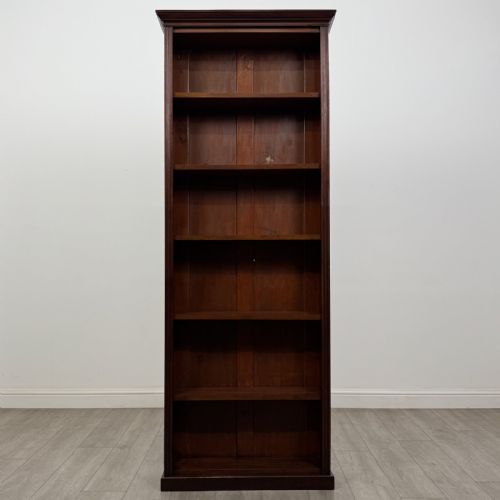
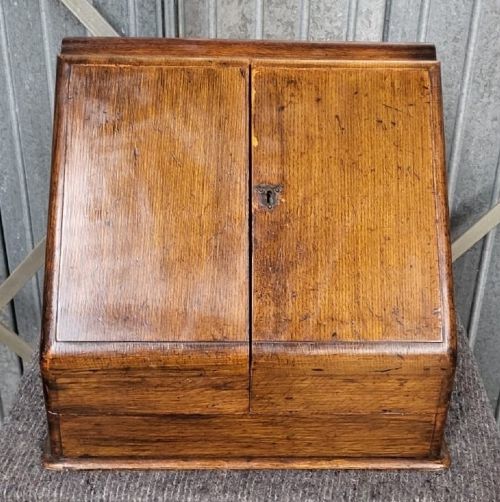
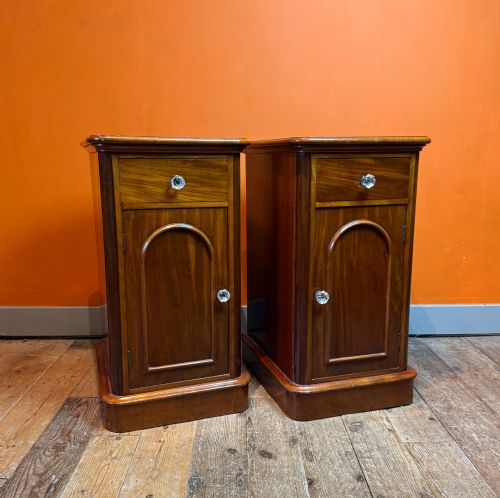
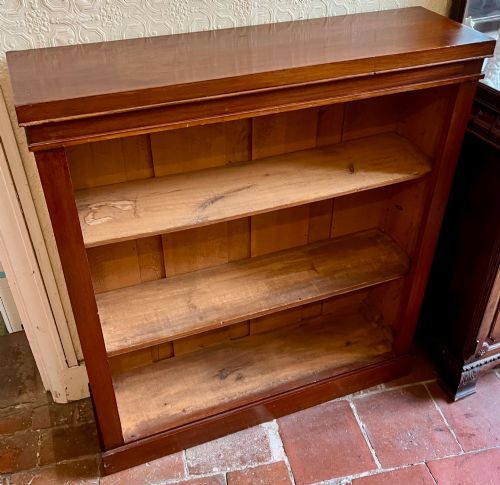
A victorian wood cabinet encompasses a wide variety of storage forms from the nineteenth century, ranging from tall bookcases and display cabinets to compact bedside cupboards and specialised watch repairer chests.
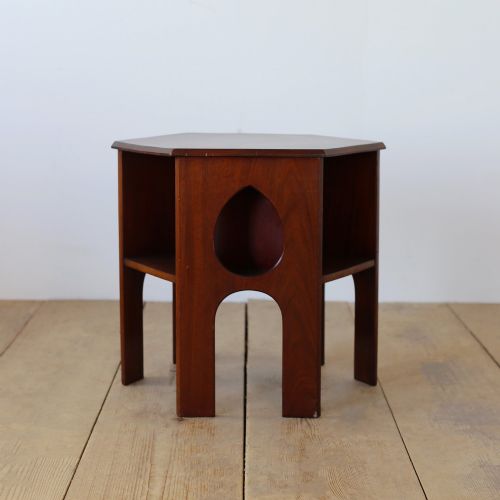
The pieces on this page appear mostly in solid and veneered timbers including mahogany, walnut, rosewood, and oak, reflecting the domestic and commercial needs of the era.
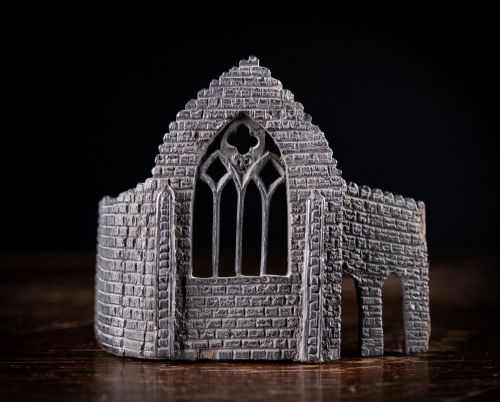
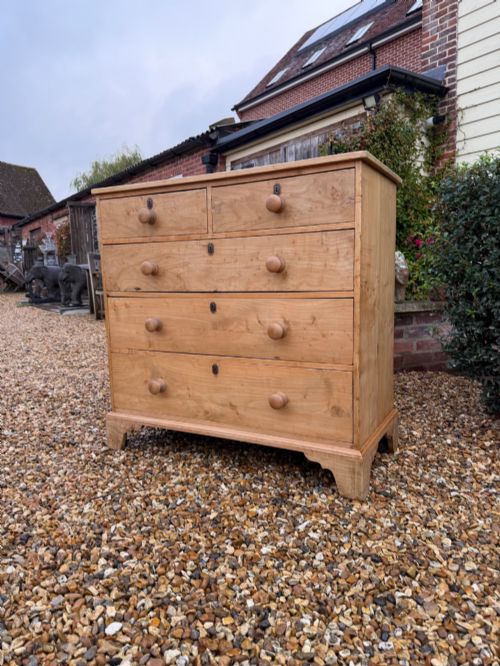
Buyers encounter distinct regional and stylistic expressions, from plain utilitarian pine and ash items to elaborate marquetry-inlaid corner cabinets and Gothic Revival storage pieces.
How they were made
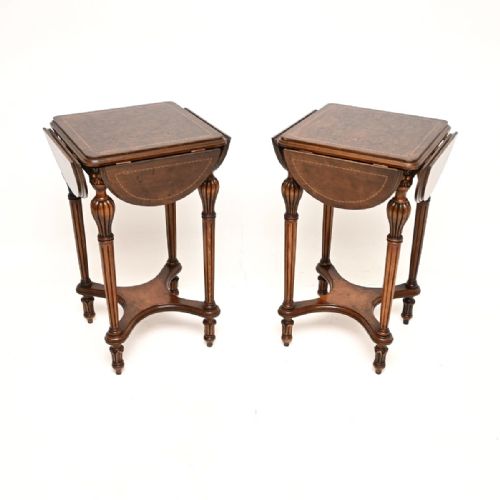
Cabinet makers utilised dense hardwoods such as mahogany and walnut, frequently applying flame veneers and marquetry inlay to achieve rich surface patterns on doors and panels.
Construction relied on traditional joinery paired with brass hinges, locks, and handles, alongside glass panes for glazed bookcases and display cabinets.
Internal elements often featured adjustable shelves, fitted pigeonholes, and hidden compartments tailored for specific domestic or commercial uses.
Victorian Wood Cabinet Retail Price Guide 2026
Typical asking prices for victorian wood cabinet among the pieces listed under this phrase on Sellingantiques today, from the lower quarter to the upper quarter. They describe what is for sale here now, not the wider market.
One unexpected survivor among the heavy storage is a dedicated watch and clock repairer's chest, ready for tiny springs.
What varies in quality
Quality rests upon the selection of timber figures, such as flame mahogany or burr walnut, and the precision of inlaid marquetry details.
Construction standards distinguish everyday utility furniture from superior pieces, evident in the complexity of carved ornamentation, the integrity of fitted interiors, and the finish of bracket feet or mirror backs.
John Moyr Smith·G Bartholomew And Co
The Victorian Wood Cabinet Glossary
- Astral glazed
- A term describing glass cabinet doors divided by thin wooden bars into geometric panes. This method allowed clear viewing of books and display items while keeping the glass secure.
- Credenza
- A sideboard or low storage cabinet originating for dining rooms and entertaining spaces. These pieces often feature multiple doors and drawers.
- Marquetry
- The art of applying small pieces of veneer to a structure to form decorative patterns and pictures. Makers used contrasting woods to create floral or geometric designs.
- Secretaire
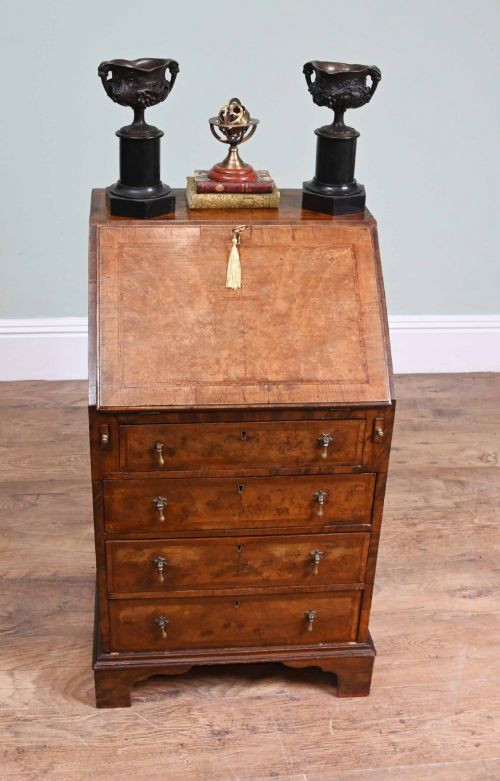
- A cabinet or desk incorporating a pull-down writing flap that conceals small drawers and pigeonholes. It combines closed storage with a functional writing surface.
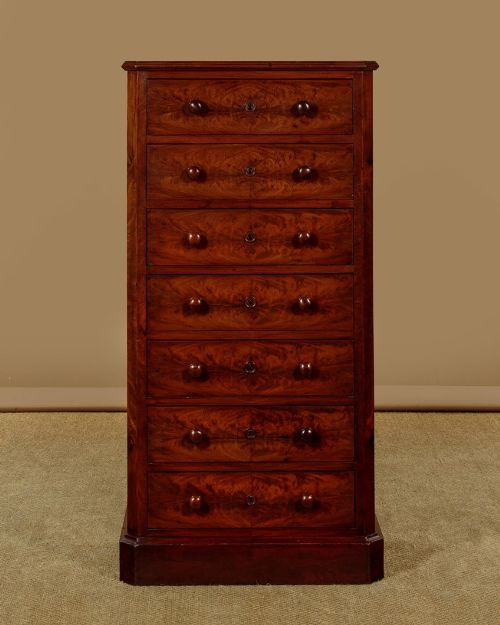
- Wellington chest
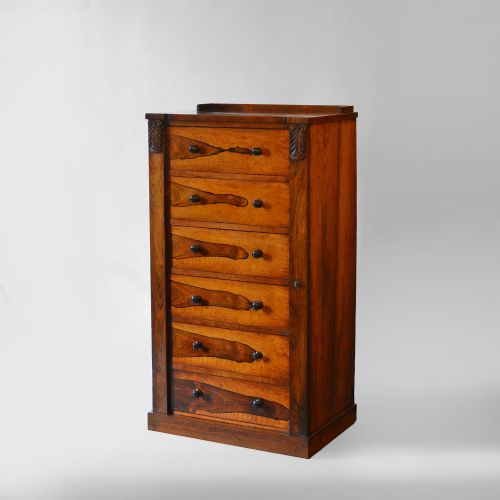
- A tall, narrow chest of drawers secured by a locking side flap that fastens over the drawer edges. This design provided secure storage for papers and valuables.
Victorian Wood Cabinet: Frequently Asked Questions
What is a Victorian wood cabinet used for?
These cabinets served diverse functions across nineteenth century homes and shops, ranging from displaying china and housing libraries to storing stationery and bedside items.
Today, they adapt easily to modern living rooms, studies, and bedrooms to organise books, collections, and daily necessities while adding historic character.
How do I identify a Victorian cabinet?
Look for characteristic nineteenth century timber choices like mahogany, walnut, and rosewood, alongside period styles such as Gothic Revival, Aesthetic Movement, and Arts and Crafts.
Construction details like hand-cut dovetails, brass hardware, and original glass panes further help anchor a piece within the Victorian era.
Where should I place a cabinet in my home?
Tall bookcases and sideboards suit living spaces and dining rooms where they can anchor a wall, while smaller bedside cupboards and corner cabinets fit neatly into tighter spaces.
Keep solid wood furniture away from direct heat sources and strong sunlight to protect the timber finishes and prevent veneer splitting.
How do I care for antique wood?
Dust the surfaces regularly with a soft, dry cloth and occasionally apply a quality beeswax to nourish the timber without building up heavy residues.
Maintain stable room humidity to ensure that old mahogany, walnut, and oak panels do not warp or crack over time.