
Victorian Wood Bookcase Unit
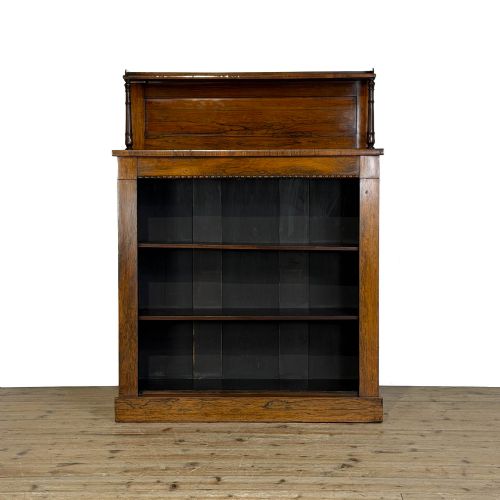
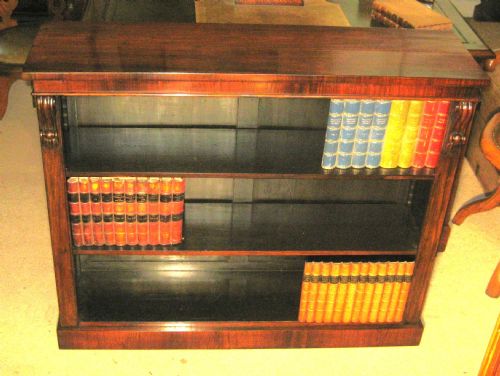
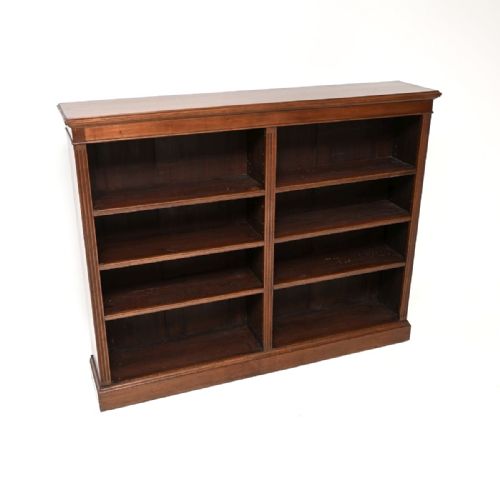
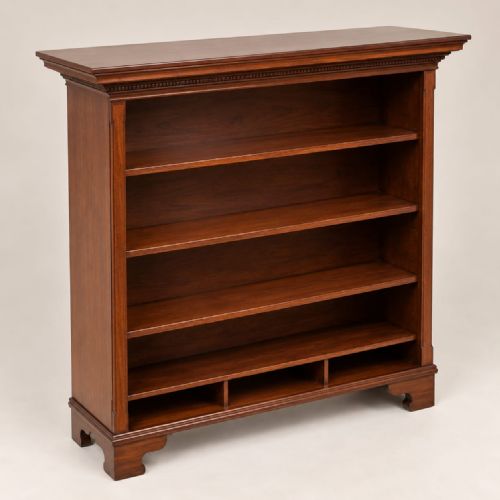
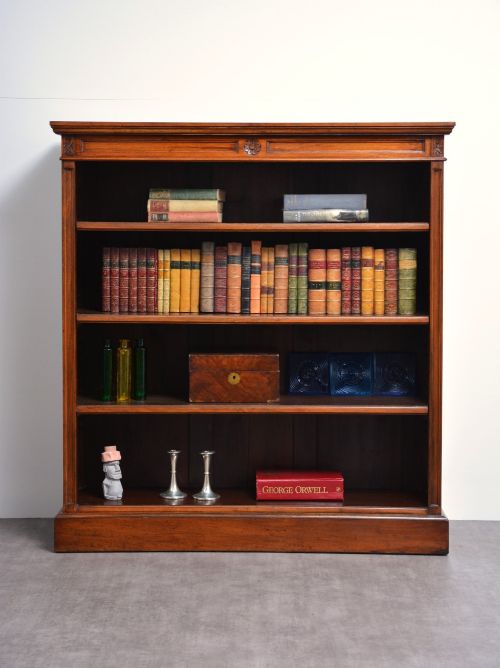
A victorian wood bookcase unit brings warmth and practical display space to a room, spanning open mahogany designs and walnut library pieces.

Victorian Wood Bookcase Unit
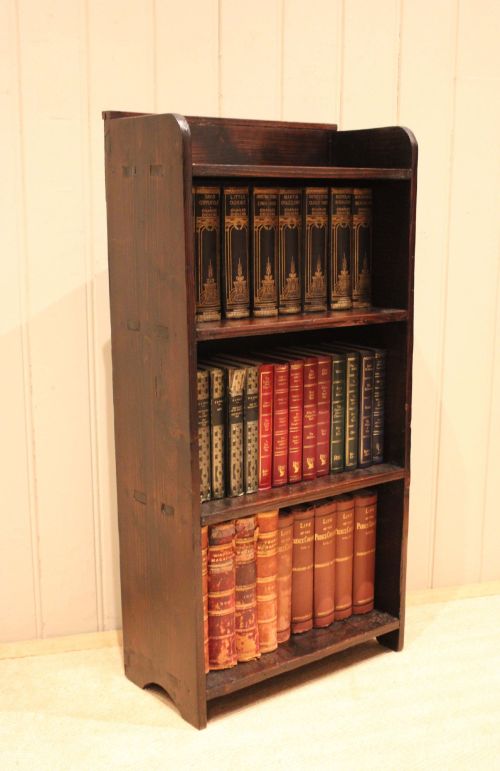
A victorian wood bookcase unit encompasses open library shelving, low dwarf bookcases, and tiered stands designed to hold volumes and display ornaments. These pieces date from the nineteenth century, including specific decades such as eighteen sixty, eighteen eighty, and nineteen hundred.
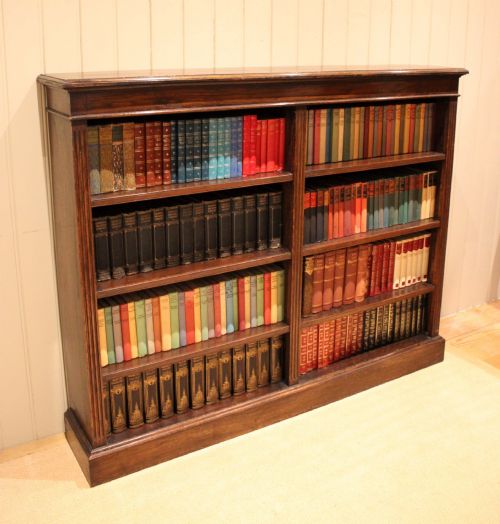
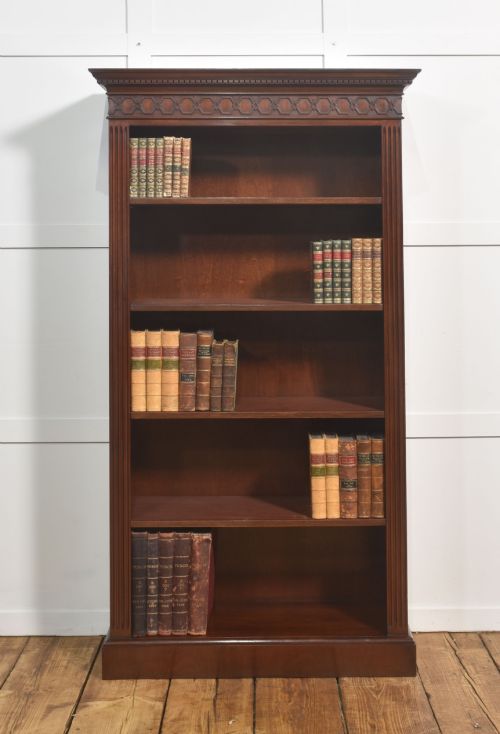
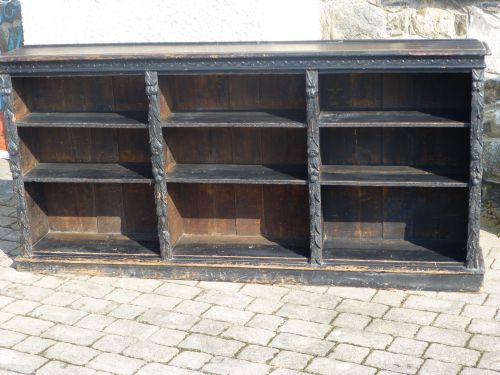
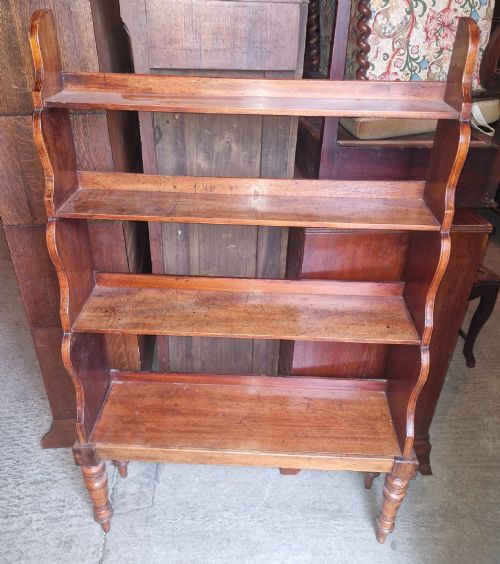
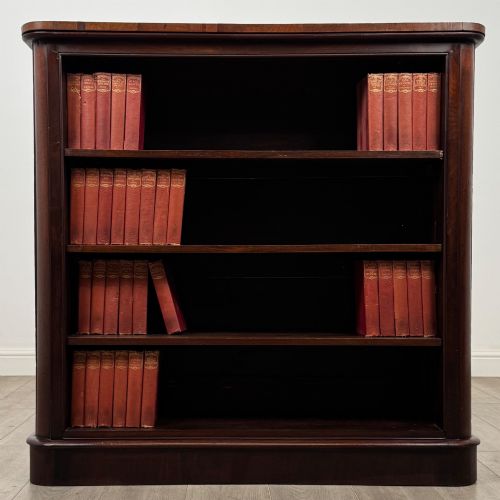
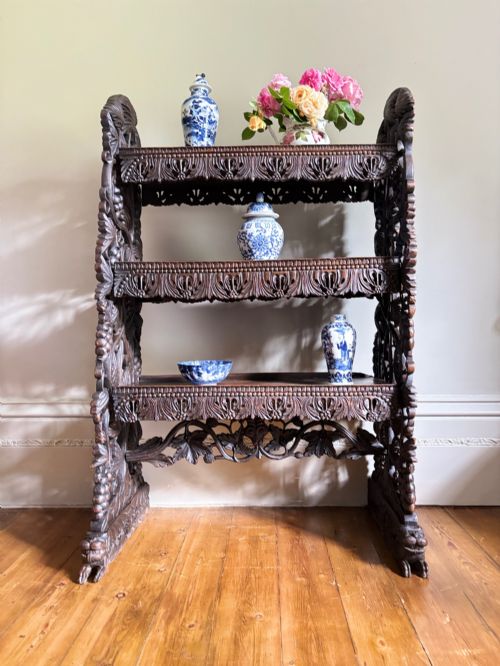
The most common version met on this page is the open mahogany bookcase, often featuring adjustable shelves for practical utility. Variations include walnut, rosewood, oak, and ebonised wood formats, alongside specialised forms like the waterfall bookcase and the tiered whatnot.
How they were made
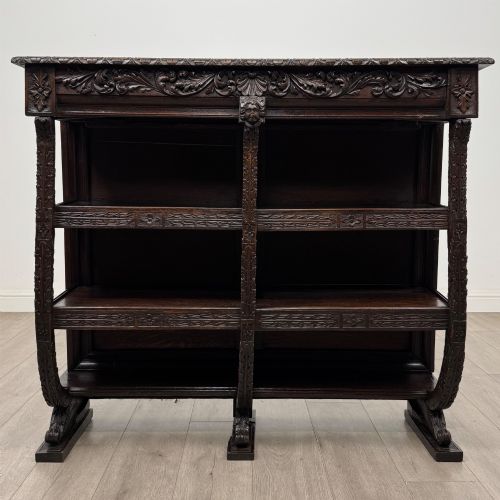
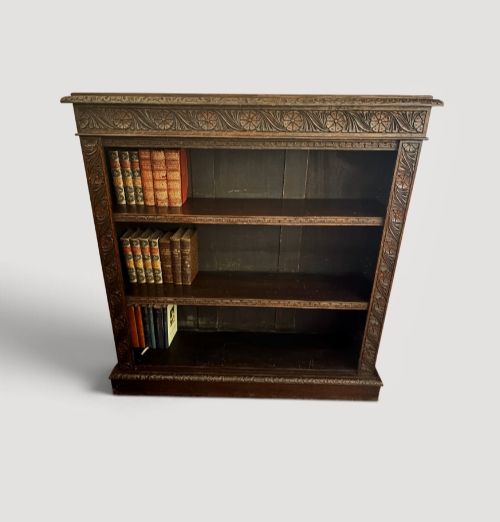
Cabinet makers utilised dense hardwoods such as mahogany, walnut, rosewood, and oak to construct these shelving units, ensuring structural strength for heavy volumes. Surfaces frequently display carved detailing, while brass mounts or ormolu provide decorative accents on finer examples.
Construction techniques include adjustable shelving mechanisms and sturdy freestanding frames, occasionally incorporating cupboards below open shelves. Ebonised finishes and painted surfaces also appear, reflecting broader stylistic influences from Gothic to French Empire tastes.
Listings feature woods spanning mahogany, walnut, rosewood, oak, pine, and ebonised timber across the nineteenth and early twentieth centuries.
What varies in quality
The choice of timber underpins the character of the piece, with richly figured rosewood, burr walnut, and dense mahogany representing the finer tier of cabinet making. Plain pine and simpler rustic formats sit at the other end of the scale, focusing on utility rather than decorative display.
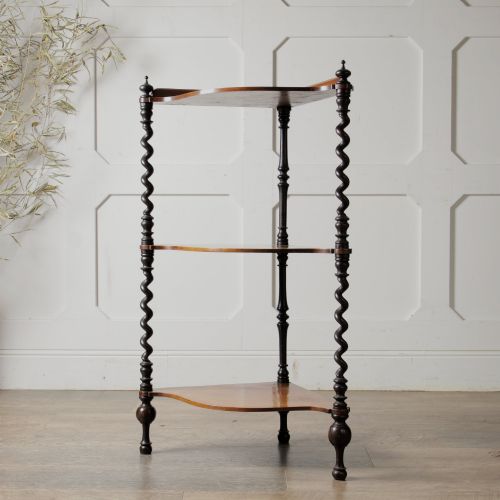
Carving execution and decorative additions like ormolu mounts or barley twist supports distinguish standard workshop output from exceptional examples. The inclusion of functional elements, such as easily adjustable shelf brackets, alters the practical capability of the unit.
The Victorian Wood Bookcase Unit Glossary
- Open bookcase
- A shelving unit without doors, designed for easy access to books and decorative objects.
- Dwarf bookcase
- A low shelving unit, often standing below window height, which keeps books within reach.
- Whatnot
- A multi-tiered piece of furniture used for displaying ornaments, books, or small collections.
- Waterfall bookcase
- A shelving unit with shelves that recede in depth from bottom to top, creating a stepped profile.
- Breakfront
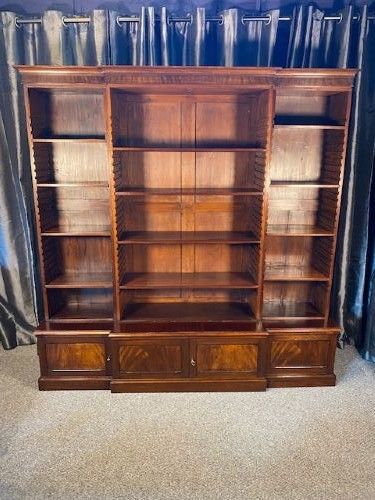
- A piece of furniture where the central section projects forward from the flanking wings.
Victorian Wood Bookcase Unit: Frequently Asked Questions
How do I use a whatnot?
A whatnot is a tiered stand traditionally utilised for displaying ornaments, small collections, and miscellaneous items.
In a modern interior, they function well in corners or narrow spaces where standard shelving proves too bulky.
Are the shelves adjustable?
Many nineteenth-century bookcases include adjustable shelves supported by wooden ratchets or metal pins.
This adaptability allows the unit to accommodate volumes of varying heights.
What woods were used?
Cabinet makers predominantly utilised dense hardwoods such as mahogany, walnut, rosewood, and oak.
Ebonised wood and softer pine also appear across specific rustic or decorative regional pieces.