



Victorian Woman Oil Painting
These historic canvas works capture societal ideals through portraiture and genre scenes.
Victorian Woman Oil Painting
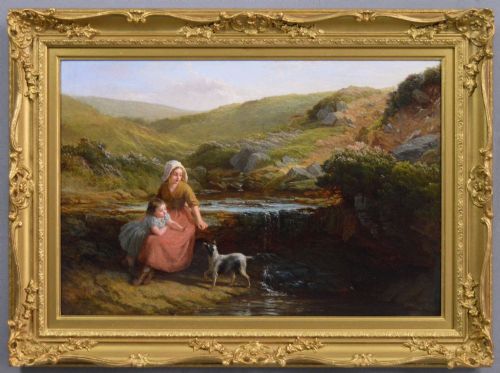
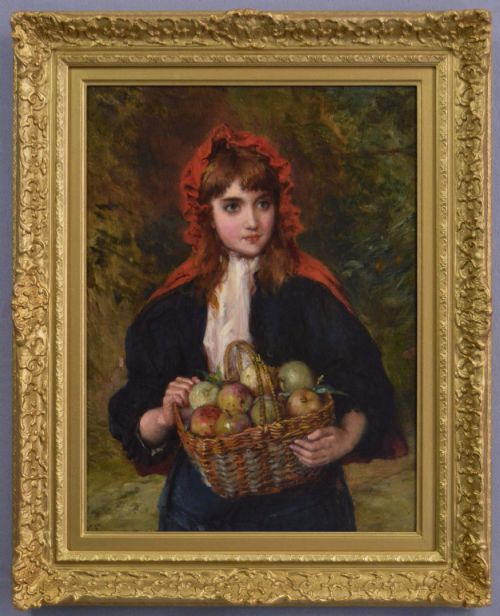
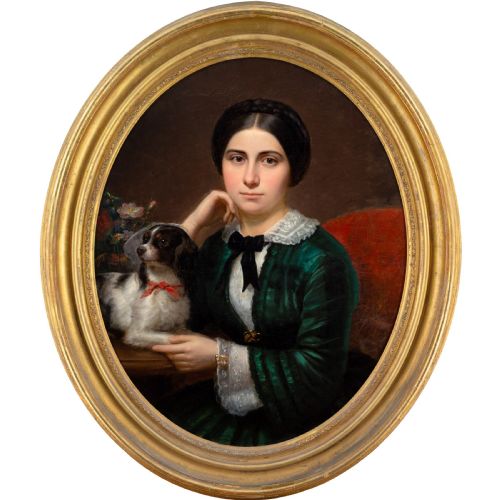
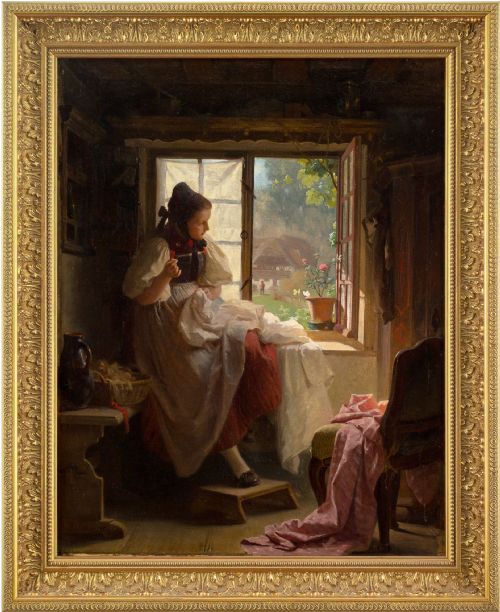
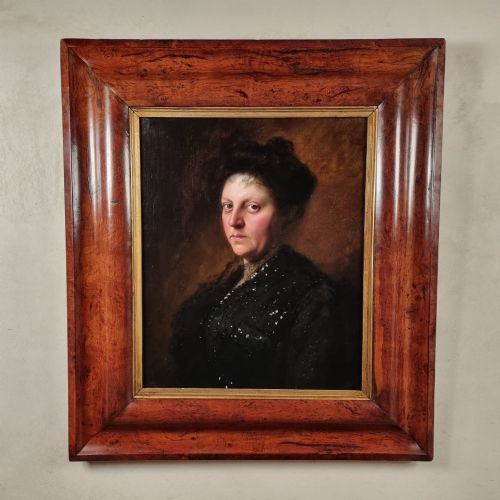
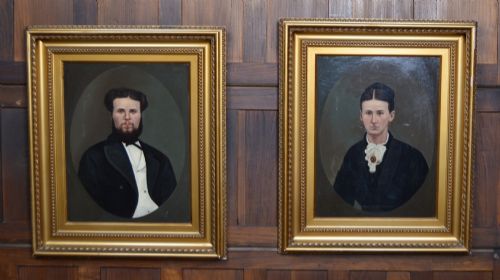
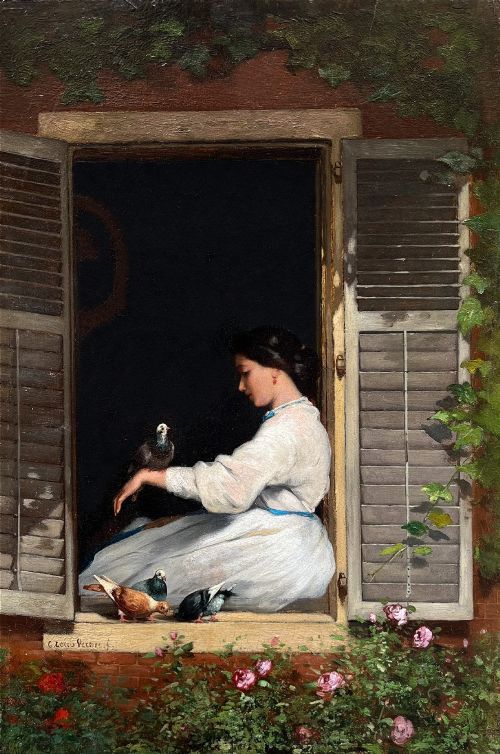
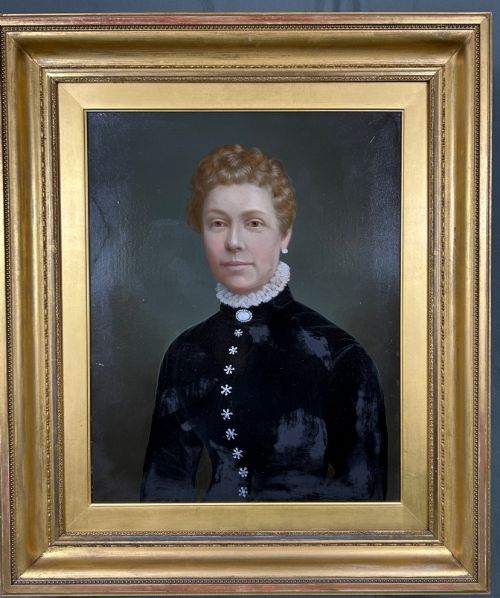
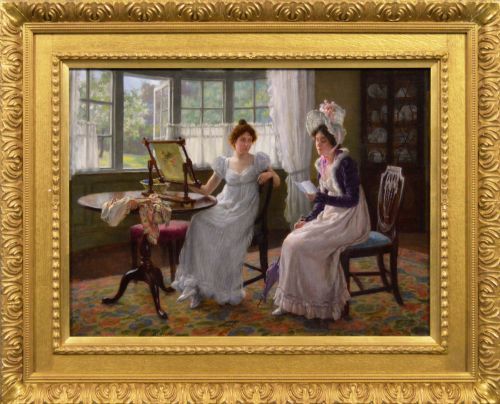
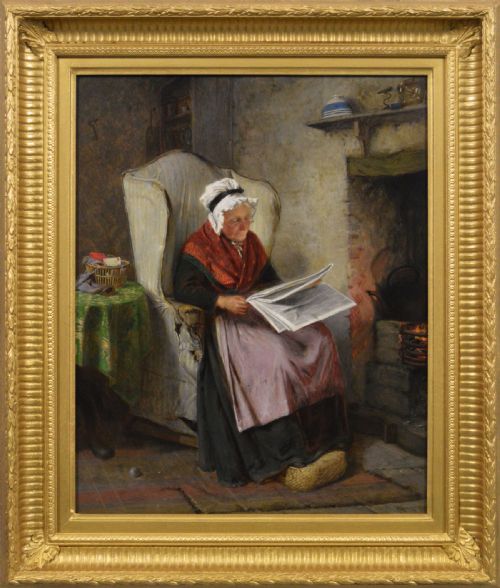
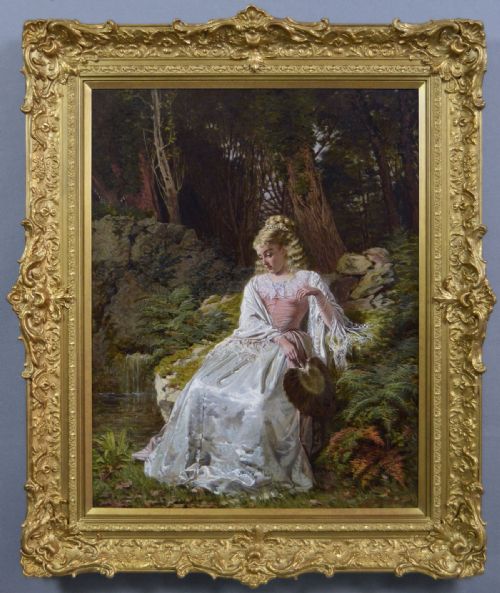
A victorian woman oil painting represents a diverse category spanning portraits of society ladies, domestic genre scenes, and pastoral studies produced throughout the nineteenth century and into the Edwardian era. Buyers seeking these works encounter everything from intimate interior studies of women reading or sewing to grand formal likenesses set against pastoral backdrops.
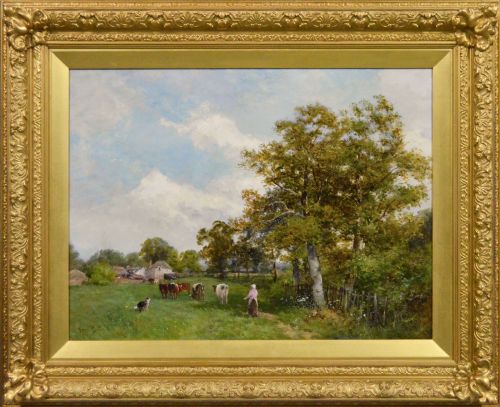
The selections on this page draw heavily from the broader nineteenth century, capturing individual subjects alongside narrative compositions involving domestic labour, leisure, and rural life. Most pieces originate from British and European schools, reflecting the stylistic developments of Academic, Realist, and Romantic traditions.
Materials and Technique
Artists of this period predominantly applied oil paint to stretched canvas or wood panels, employing layered brushwork to achieve depth in fabric textures and facial expressions. Canvases were often housed in heavy wooden frames finished with gesso and gold leaf or gilt wood.
Makers utilised traditional pigments combined with oil binders, building up compositions from initial underpaintings to detailed surface glazes. Frames frequently incorporated carved wooden ornamentations, sometimes accented with dark ebony finishes or gilded surfaces.
One past work paired a Victorian portrait with a kilim-covered frame and a Damascus table.
Assessing Artistic Merit and Condition
Quality in these works rests upon the painter's anatomical precision, the subtlety of light handling across fabrics and skin, and the expressive psychological depth of the sitter. Finer examples display confident brushwork and harmonious tonal balances that elevate them above routine commercial studio output.
The integrity of the original canvas, the stability of the paint layer, and the preservation of contemporary gilded frames significantly influence the standing of any individual piece. Works attributed to documented artists or academic exhibitors generally command greater interest than unsigned or provincial school pieces.
William Oliver·David Bates·Max Kaltenmoser·Louis Charles Verwee·Honore Cavaroc·William Arthur Breakspeare·Charles Haigh Wood·Haynes King·Thomas Edward Roberts·C.S. Lidderdale·William Henry Knight·Henry John Yeend King·John Robert Dicksee·Robert Alexander Hillingford·Louis William Desanges·August Heinrich Riedell·William Joseph Carroll·Jane Maria Bowkett·Claude Cardon
The Victorian Woman Oil Painting Glossary
- Genre painting
- Depictions of everyday life and ordinary people engaged in non-ceremonial activities. These scenes often take place in domestic interiors, cottages, or rural landscapes.
- Gesso
- A plaster-like mixture applied to wooden frames as a smooth base before gilding. It provides a crisp surface for intricate decorative mouldings.
- Academic art
- A style of painting produced under the influence of European academies of art. It is characterised by strict adherence to classical standards of composition and finish.
- Pastoral
- Relating to the countryside or rural life, frequently romanticised in art. These settings typically feature figures tending animals or gathering crops.
- Oil on canvas
- A technique involving pigmented oil paint applied to a woven fabric support stretched across a wooden frame. This medium allowed artists to achieve rich colours and subtle blended transitions.
Victorian Woman Oil Painting: Frequently Asked Questions
What defines a Victorian genre painting?
Genre paintings depict everyday scenes from domestic or rural life rather than historical, mythological, or religious events. They capture moments such as women sewing, writing at desks, or tending farm animals.
These works offer a window into nineteenth-century social habits, interior decor, and daily routines through carefully constructed narrative compositions.
How can I tell an oil painting on board from canvas?
Paintings on board utilise a rigid wooden or panel support rather than flexible woven fabric. This foundation prevents the characteristic bounce found when pressing gently near the centre of a stretched canvas.
Panel supports were frequently favoured by artists seeking a completely smooth, grain-free ground for minute detail work in smaller compositions.
What is the difference between a portrait and a genre scene?
Portraits focus primarily on recording the specific likeness, status, and identity of an individual sitter. Genre scenes use figures to tell a broader visual story or convey a mood within a fictionalized setting.
While a portrait names a specific person, a genre painting often portrays anonymous characters engaged in domestic or pastoral tasks.
How should I care for a nineteenth-century oil painting?
Keep historic oil paintings away from direct sunlight, extreme temperature fluctuations, and high humidity to prevent canvas warping and paint cracking. Dust the surface and frame gently with a dry, soft brush without applying pressure.
Avoid using liquid cleaners or household solvents on either the painted canvas or the gilded wooden frame, consulting a professional conservator for deeper cleaning needs.