




Classical Woman Wall Art
Classical woman wall art brings together centuries of painted portraits and studies, offering timeless character for your interior walls.
Classical Woman Wall Art
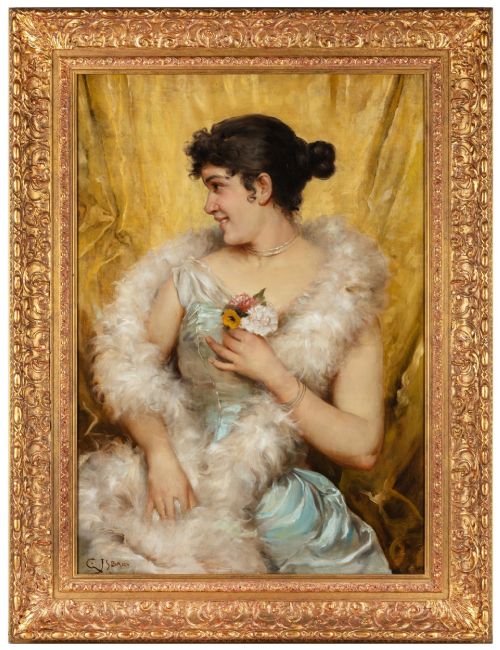
When you search for classical woman wall art, you encounter a selection of painted portraits and works on paper spanning several centuries. The pieces depict individual women, historical figures, and allegorical subjects in traditional formats. You meet works originating from the eighteenth and nineteenth centuries, alongside mid-twentieth century reproductions and European school studies.
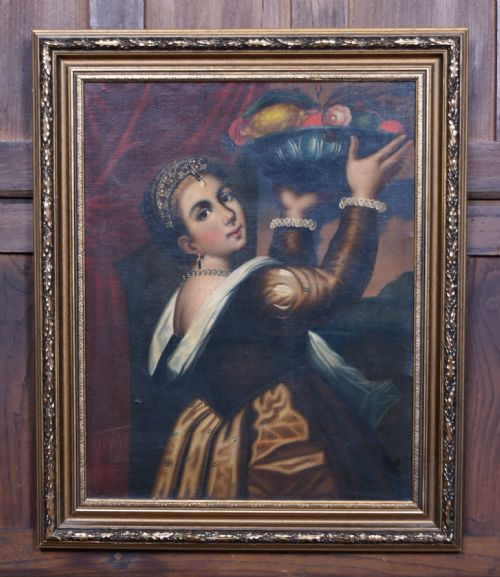
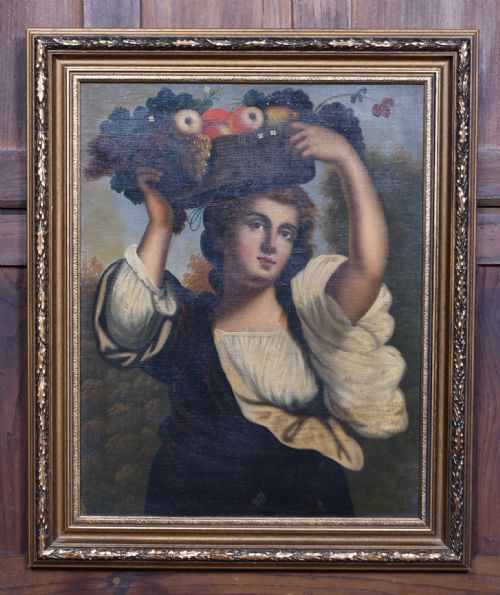
The assortment on this page relies heavily on oil paintings executed on canvas or board, complemented by pastels and sanguine drawings. These artworks range from intimate portrayals of young beauties to larger framed representations of seated ladies and figures with attributes like fruit or lutes. Each object reflects historical portraiture traditions, from academic styles to Renaissance revivals.
How they were made
The execution of these works relies on traditional painting and drawing techniques applied to prepared canvas, wood, or paper supports. Artists built up subjects using oil paint, pastels, or sanguine chalks, capturing light and shadow to define the human form. Many of these artworks are housed within period wooden frames, occasionally enhanced with gold leaf, gilt, or gilded wood finishes.
Makers employed methods standard to academic and regional European schools, developing compositions through layered brushwork and tonal shading. The supporting media vary from sturdy stretched canvases to wooden boards and delicate pastel papers. Framing techniques reflect the prevailing decorative tastes of the eighteenth and nineteenth centuries.
Several ladies depicted in these historical portraits manage to hold our gaze while sharing space with baskets of fruit and lutes.
What varies in quality
Material preservation and the quality of the surrounding frame also influence the overall character of the piece. Works retaining their original or period-appropriate gilt wood frames hold a different presence compared to those with later or simplified mountings. The depth of the pigment and the stability of the canvas or board contribute to the visual impact of the artwork.
G. J. S. Bary·Paolo Veronese·William Joseph Carroll·Karel Frans Philippeau
The Classical Woman Wall Art Glossary
- Sanguine
- A type of red chalk used historically for sketching and portrait drawings. It produces warm, earthy reddish-brown tones.
- Gilt
- Covered thinly with gold leaf or gold paint. This finish appears frequently on the wooden frames enclosing these portraits.
- Board
- A rigid flat panel used as a support for painting instead of stretched fabric. Artists often used wooden boards for smaller oil studies.
- European School
- A term applied to artworks created by artists trained within the continental European tradition. It indicates a broad geographic origin rather than a specific academy.
- Pastel
- A dry drawing medium consisting of powdered pigment and a binder. Pastel portraits require careful framing behind glass to protect the fragile surface.
Classical Woman Wall Art: Frequently Asked Questions
What is classical woman wall art?
Classical woman wall art encompasses historical portraits, figure studies, and genre scenes depicting women. These pieces originate primarily from the eighteenth and nineteenth centuries, created in various European traditions.
The selection includes oil paintings on canvas and board, pastel portraits, and sanguine drawings. They serve as decorative focal points that bring historical character into contemporary spaces.
How were these historical portraits displayed?
Historically, portraits of this nature hung in domestic drawing rooms, galleries, and formal reception spaces. They were designed to project status, lineage, or an appreciation for traditional fine art.
Framed in carved wood with gilt finishes, they functioned as architectural elements within a room. Today, they continue to be hung singly or grouped in salon-style arrangements.
How do I care for antique oil paintings?
Protect antique oil paintings by keeping them away from direct sunlight and dramatic fluctuations in temperature or humidity. These environmental controls prevent the canvas from sagging and the paint from cracking.
Dust the surface and frame gently with a soft, dry brush. Avoid using liquid cleaners or chemical solvents on the painted surface or the gilt frame.
How do I identify an eighteenth century piece?
Eighteenth century pieces often display specific stylistic markers, such as clothing fashions, hairstyles, and painterly techniques characteristic of Georgian or Rococo periods. The preparation of the canvas and the composition of the pigments also offer clues to the era.
Examining the stretcher bars, nails, and the back of the canvas or board can reveal age-related wear consistent with the period. Expert appraisal helps confirm the exact era of creation.
Where should I hang these artworks?
These portraits suit living rooms, studies, hallways, and dining areas where traditional decor is desired. They pair well with period furniture, dark wood paneling, and neutral wall colours.
Ensure the wall space supports the weight of the framed artwork and position it at eye level. Proper lighting, such as a dedicated picture light, highlights the details in the paint.