
Antique Oil Artwork Lady
An antique oil artwork lady captures centuries of portraiture on canvas and panel, offering a direct window into past lives for your walls.
Antique Oil Artwork Lady
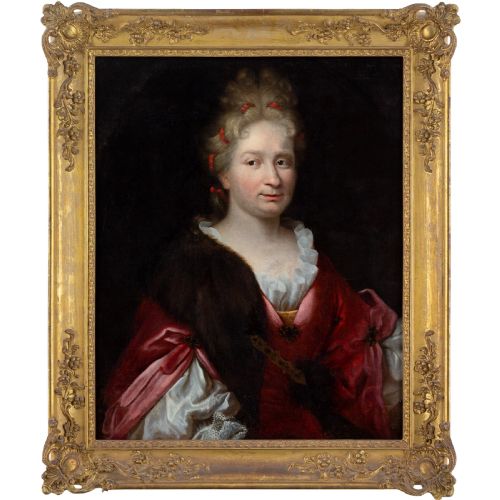
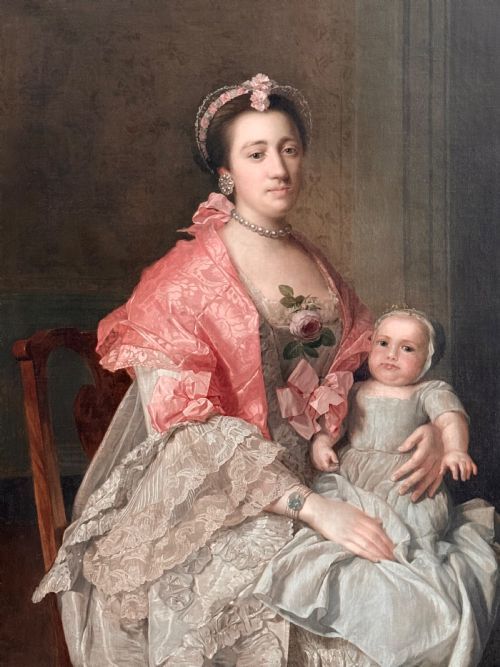
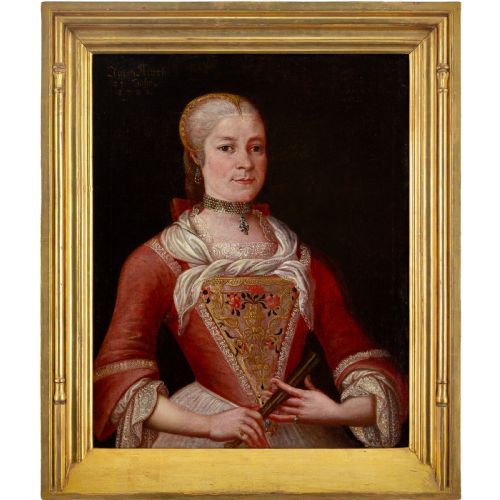
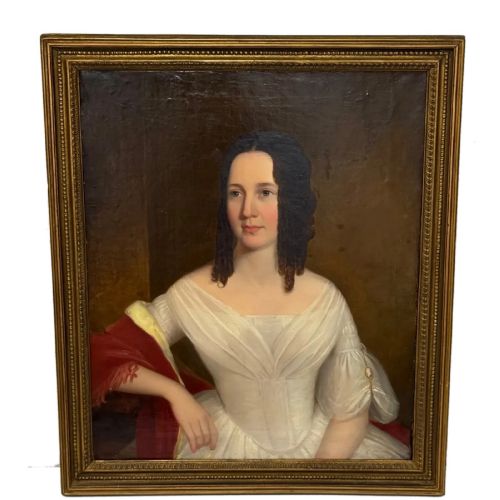
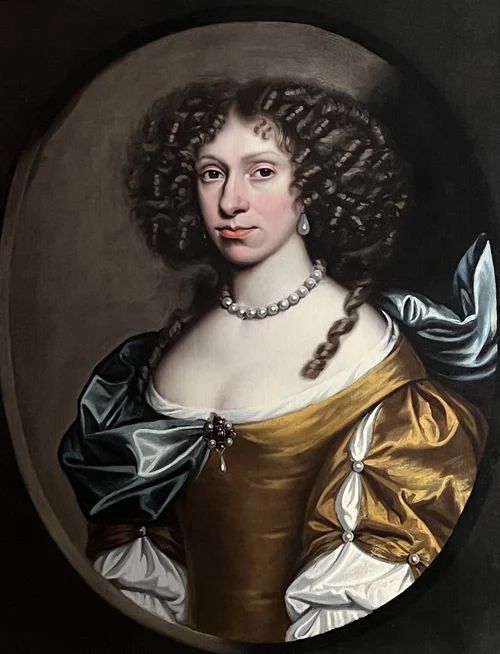
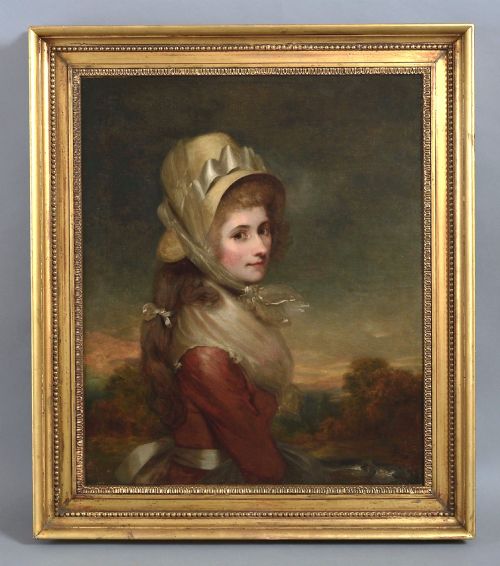
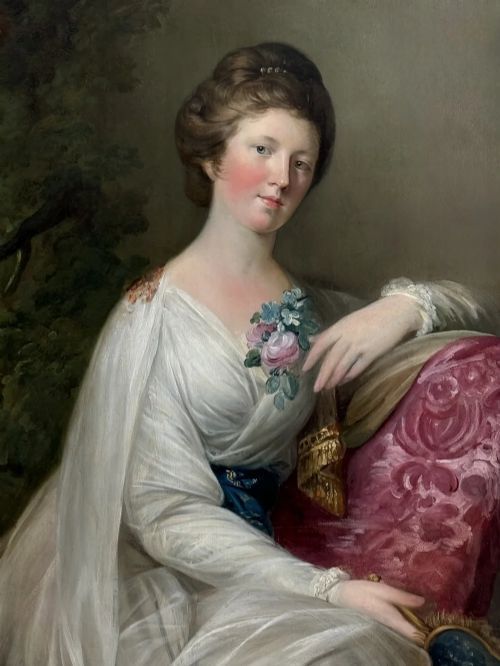
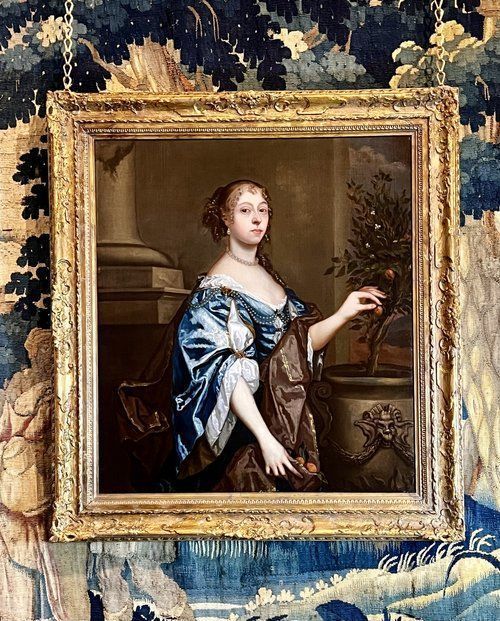
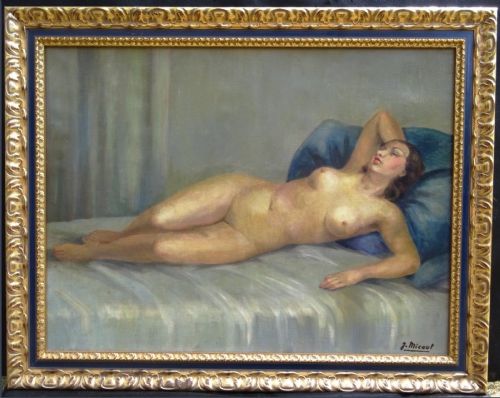
When you search for an antique oil artwork lady, you encounter centuries of portraiture spanning from the 17th century through the mid-20th century. These works depict individual sitters, noblewomen, and fictional studies rendered in oil mediums by various European and British schools.
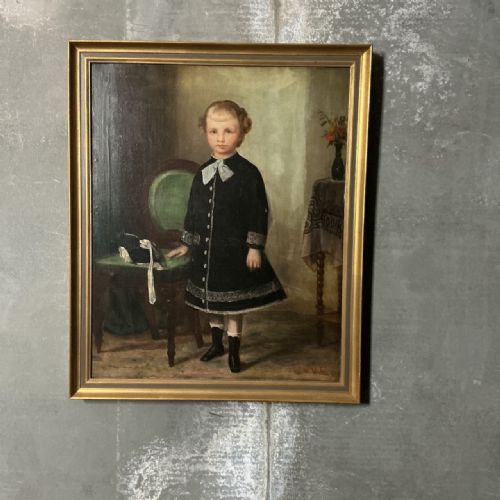
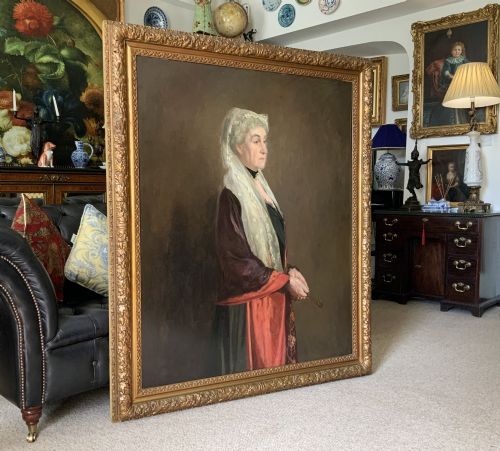
The most common examples on this page are canvas and panel paintings originating from the Victorian, Edwardian, and Georgian periods. Portrait formats range from intimate cabinet pieces to monumental canvases housed in elaborate giltwood frames.
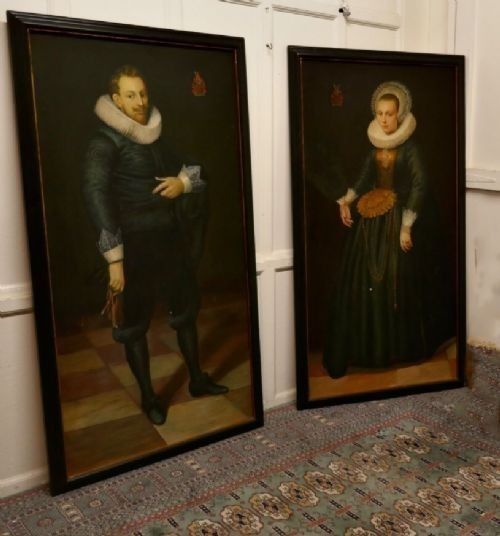
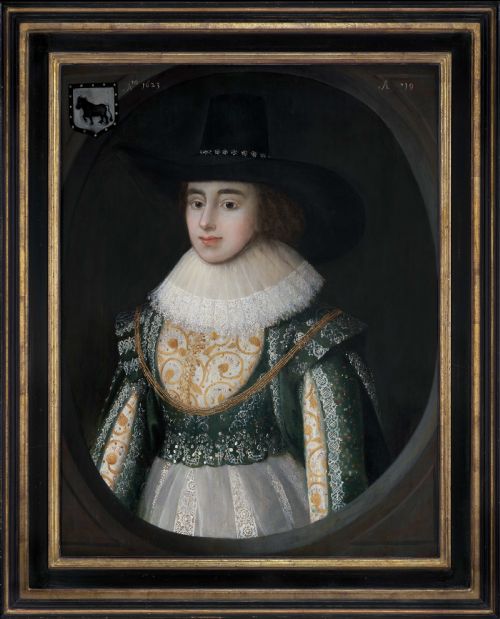
Subjects appear in diverse attire, from ruff collars and velvet dresses to simpler Edwardian gowns and country settings. Each piece preserves the likeness of a lady through traditional layering and brushwork techniques.
Materials and construction
Artists built these portraits using oil paint applied to stretched canvas or prepared wooden panels. Ground layers provided a stable base for the pigment, allowing painters to capture intricate details in lace, fabrics, and facial expressions.
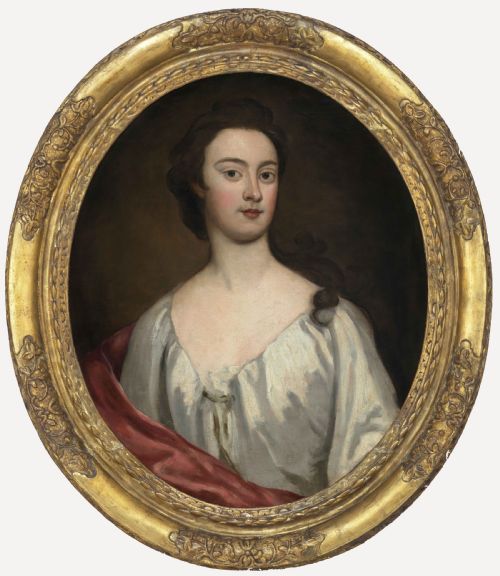
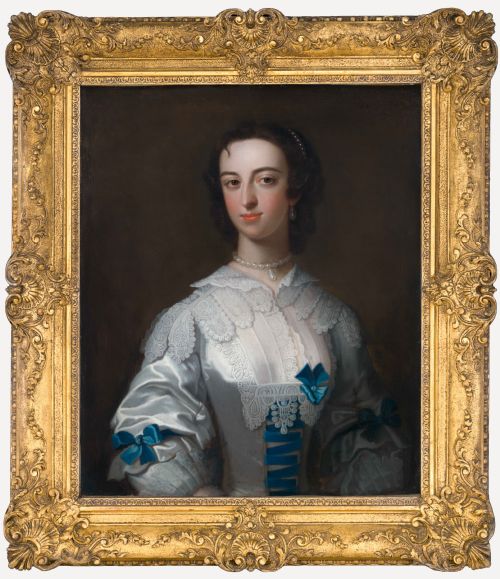
Frames play a significant role in the physical structure, utilising carved wood, gesso, and gold leaf or giltwood finishes. These heavy borders protected the edges of the canvas and enhanced the visual depth of the artwork.
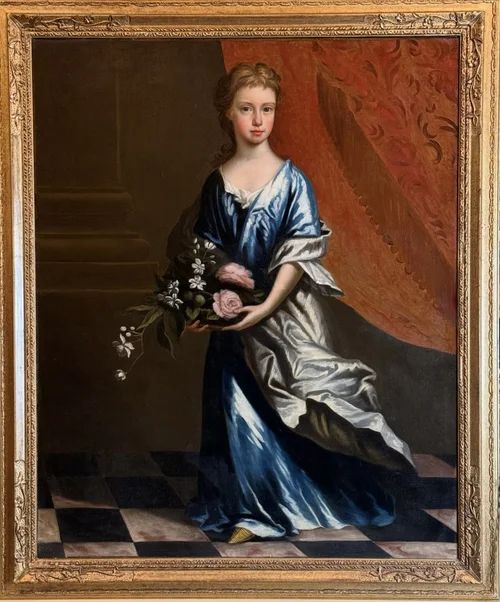
The inventory includes Georgian and Victorian school paintings depicting ladies in elaborate attire and formal garden settings.
Assessing quality in portraiture
Quality rests primarily in the handling of the subject's expression, anatomical proportions, and the rendering of textiles. Master portraitists achieved lifelike depth in skin tones and luminosity in fabrics through skillful glazing.
The provenance and attribution to a recognised school or named artist elevate a piece significantly. Condition of the original paint surface and the presence of a period-appropriate gilt frame also influence the overall standing of the work.
David Scougall·Pieter Borsseler·Sir Martin Archer Shee·George Willison·Jeremiah Davison·Sir Peter Lely·Cornelius Johnson·Sir Anthony Van Dyck·Allan Ramsay·James Maubert·Michael Dahl·John Greenhill·Joseph Highmore·Nicolaes Maes·Honore Cavaroc·Raymond Moritz·Edgard Maxence·Charles James McCall·W.R. Waters·Paolo Veronese
The Antique Oil Artwork Lady Glossary
- Giltwood
- Wood carved and coated with gold leaf or a gold-coloured finish. This material is standard for traditional antique picture frames.
- Oil on Canvas
- Pigment mixed with drying oil applied to a woven fabric support. This combination provides flexibility and durability over centuries.
- Ruff Collar
- A prominent pleated or fluted collar popular in 16th and 17th-century fashion. Sitters often wore these to denote high social status.
- Provenance
- The documented history of ownership of an artwork. Clear records help verify the authenticity and age of a portrait.
- Old Master
- A term generally applied to European painters working before the 19th century. These works set the technical standard for later portraiture.
Antique Oil Artwork Lady: Frequently Asked Questions
How do I date an oil portrait?
Dating relies on the sitter's costume, hairstyle, and the stretcher construction of the canvas. Painters often signed and dated the works directly on the front or reverse.
Period frames also offer clues, though they can be later replacements. Comparing the brushwork style to known works from specific centuries helps narrow down the decade.
Were these portraits painted from life?
Many formal commissions required the sitter to sit in a studio for multiple sessions. Painters used preparatory sketches to capture exact likenesses before completing the canvas.
Some later or decorative pieces were painted after earlier historical originals or from imagination. Attribution notes often clarify whether a piece is a direct life study.
How should I hang an oil painting?
Oil paintings require stable wall fixings that can support the weight of heavy wooden frames. Use picture hooks rated well above the weight of the piece.
Position paintings away from direct sunlight and heat sources to prevent the canvas and paint layers from drying out or cracking over time.
What is the difference between canvas and panel?
Canvas consists of woven fabric stretched over a wooden frame, offering slight give and a textured surface. Panels use solid wood boards, providing a rigid support for detailed brushwork.
Panel paintings often date to earlier centuries, while canvas became the dominant support from the 18th century onward.