


Regency Lady Oil Portrait
A regency lady oil portrait captures the poised elegance of the early nineteenth century through delicate brushwork and rich fabric detail.
Regency Lady Oil Portrait
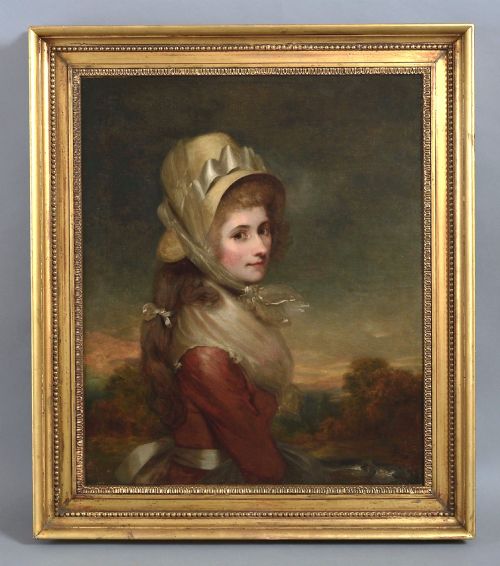
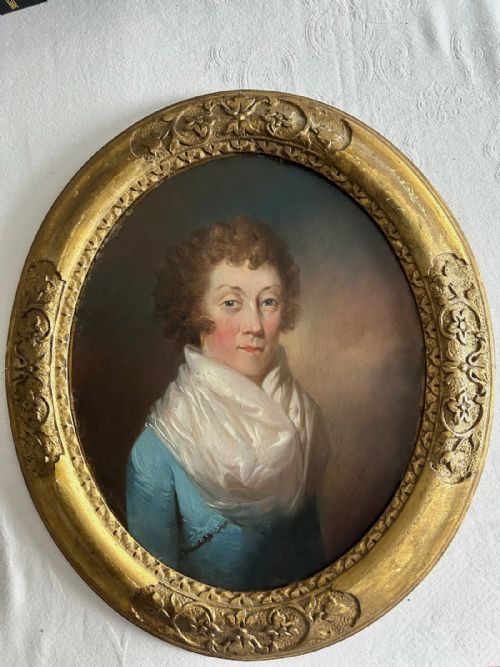
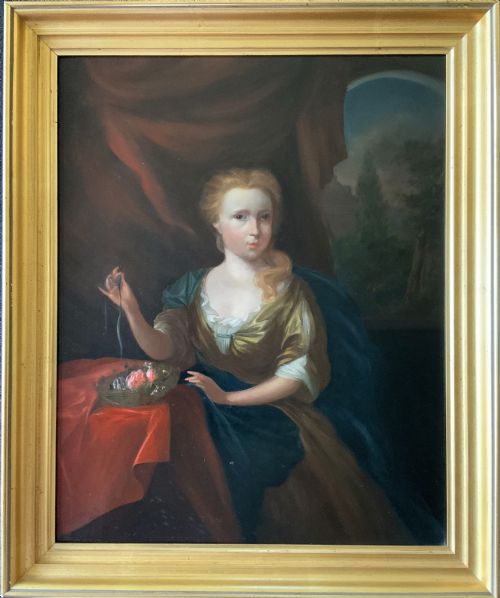
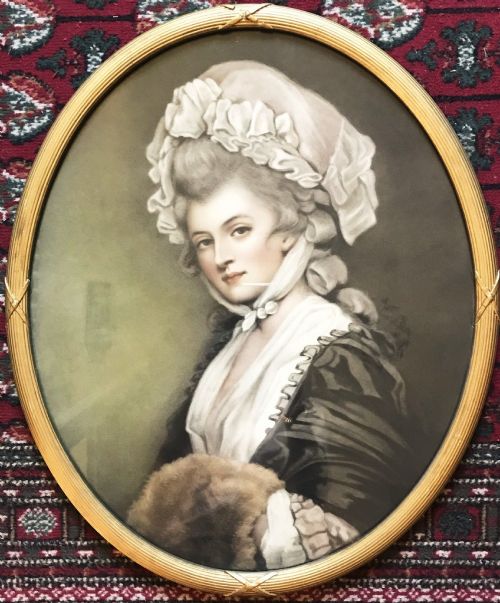
A regency lady oil portrait represents women from the late eighteenth and early nineteenth centuries, painted primarily during the Regency and Georgian periods. These works depict subjects in period attire such as white dresses, silk gowns, and elaborate bonnets.
The most common form encountered on this page is an oil on canvas painting housed in its original or period frame. Buyers also discover smaller portrait miniatures and oval framed works reflecting the romanticism of the era.
What Varies in Quality
The refinement of facial expression and the handling of textiles set superior examples apart from simpler works. Master painters rendered silk, lace, and pearls with distinct luminosity.
Original frames matching the age of the canvas contribute significantly to the standing of a piece. Condition of the underlying oil paint also influences the integrity of the work.
One listed portrait depicts a hound dog named Lady alongside her litter rather than a human subject.
Sir Martin Archer Shee·Samuel Raven·Sir Thomas Lawrence·William Owen RA·George Henry Harlow
The Regency Lady Oil Portrait Glossary
- Regency
- A period in British history spanning from 1811 to 1820, characterised by distinct artistic and architectural elegance. This era produced many of the portrait subjects seen here.
- Giltwood
- Wood carved and covered with a thin layer of gold leaf or gold paint. Frames of this material frequently accompany period canvases.
- Oil on Canvas
- A painting medium where pigments suspended in oil are applied to a woven fabric support. This combination allows for rich blending and longevity.
- Portrait Miniature
- A small, highly detailed painting capturing a likeness on a reduced scale. These intimate pieces often feature delicate facial rendering.
- Provenance
- The documented history of ownership surrounding an artwork. Clear attribution to named artists enhances historical interest.
Regency Lady Oil Portrait: Frequently Asked Questions
How do I date a regency lady oil portrait?
Examination of the subject's hairstyle, bonnet shape, and dress style provides the most reliable dating clues. Hairstyles and waistlines shifted rapidly between the Georgian and Victorian transitions.
Secondary evidence includes stretcher construction, canvas type, and the profile of the surrounding giltwood frame. Signed works or archival labels offer definitive confirmation.
Where were these portraits displayed originally?
Wealthy families hung oil portraits in the principal reception rooms, parlours, and long galleries of country houses and town residences. They served as visible statements of lineage, status, and personal taste.
Smaller miniatures and oval formats often occupied more intimate private spaces such as bedchambers or libraries.
How should I care for an antique oil painting?
Keep the canvas away from direct sunlight, heating vents, and damp environments to prevent cracking and warping of the wood frame. Consistent indoor temperature and humidity protect the fragile oil pigments.
Dust the surface gently with a soft, dry brush without applying pressure or moisture. Professional conservation should be left to specialists.
What does attribution to an artist mean?
Attribution indicates that experts believe a work was created by a specific painter based on stylistic similarities and technical execution. It is used when documentation is incomplete.
Signed works provide direct proof, whereas attributed pieces rely on comparative analysis with known works by that hand.