


Victorian Watercolour Art
Victorian watercolour art captures the nineteenth century in delicate pigment on paper, prized by collectors for its intimate scale and direct touch of the artist's hand.
What Victorian watercolour art is
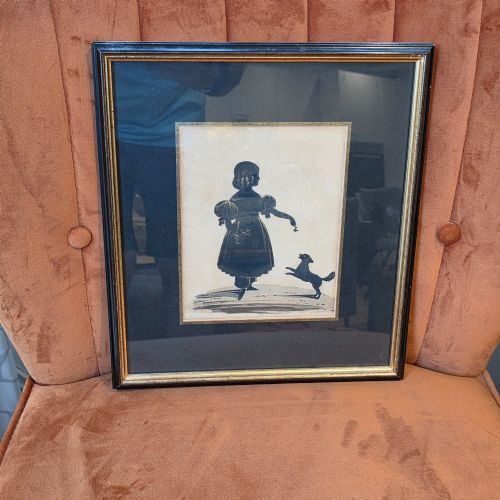
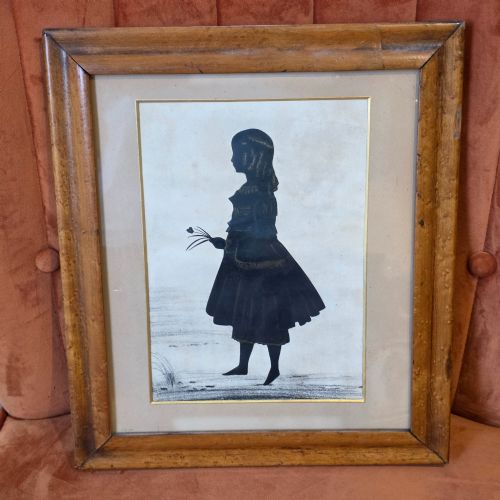
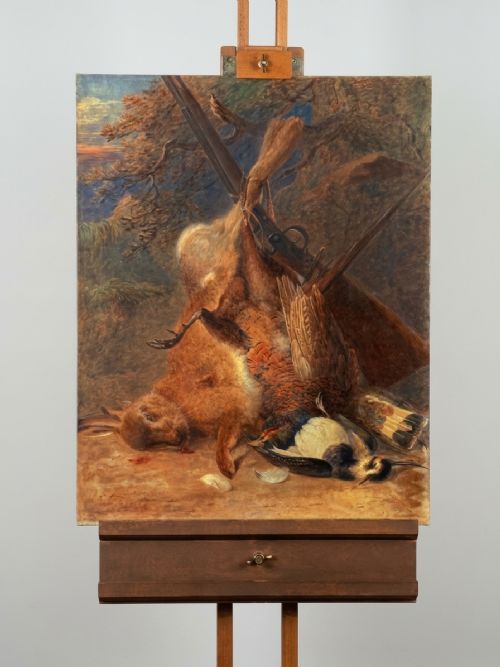
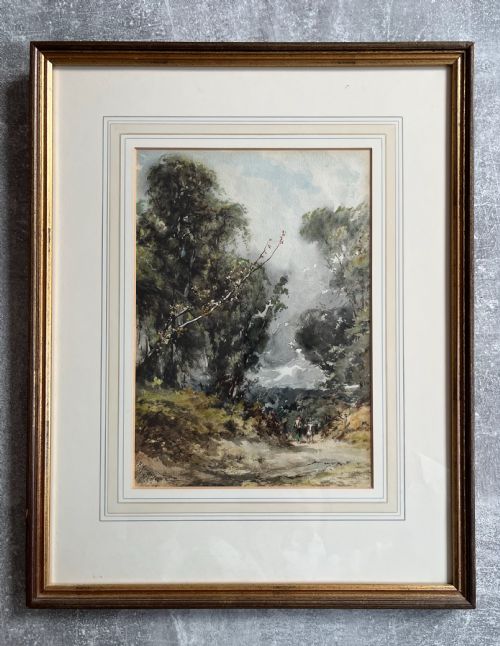
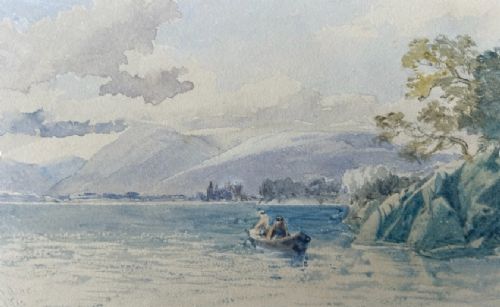
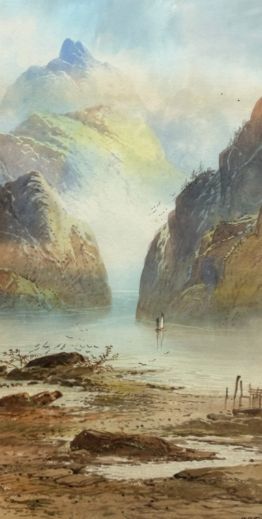
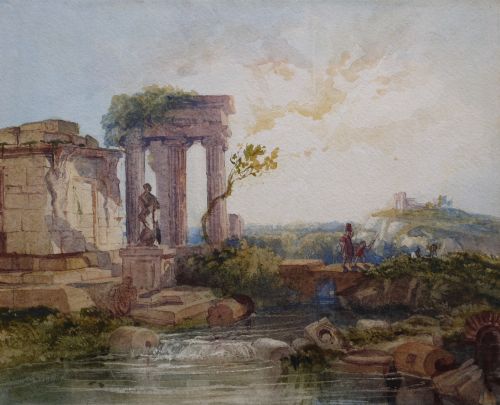
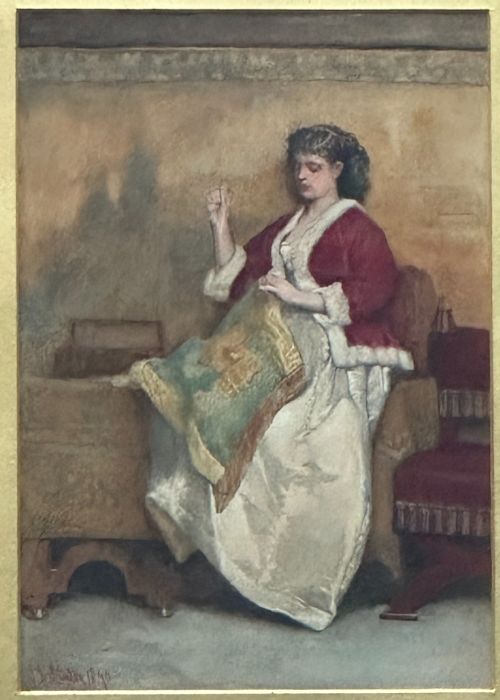
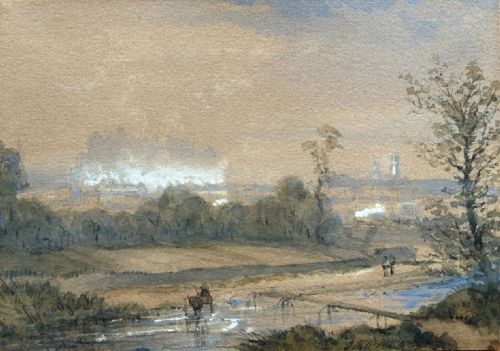
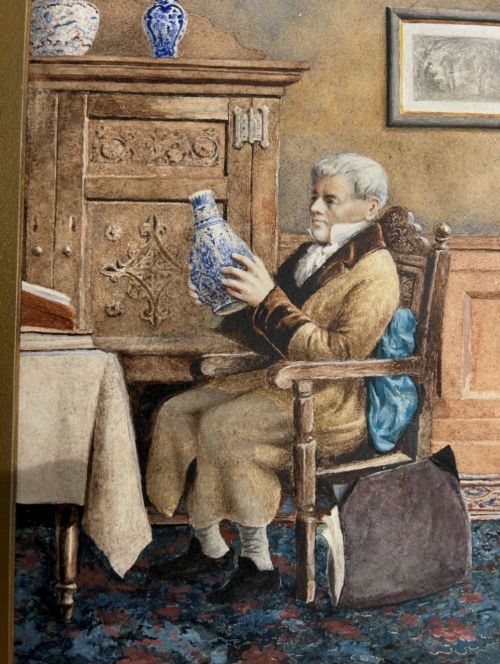
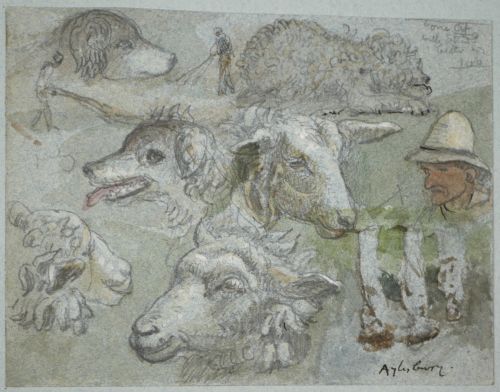
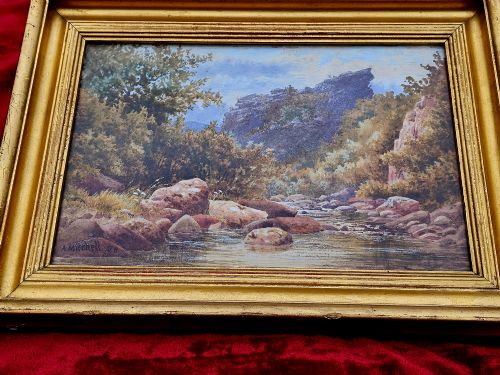
Victorian watercolour art encompasses original landscape paintings, botanical artwork, and caricature sketches produced across the nineteenth century. These pieces record subjects from Scottish crofts and historical British street scenes to French Orientalist traditions and Italian vistas.
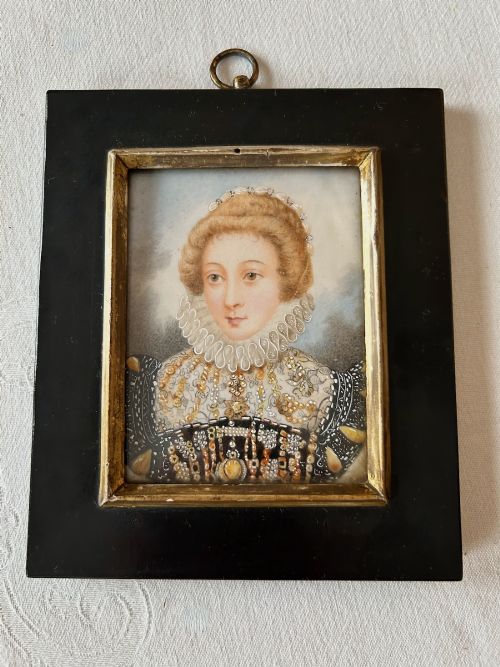
Buyers frequently encounter works signed by period artists alongside royal pieces by Princess Alice Maud Mary and military sketches by Lieutenant Dudley Maryon Wilson. Alongside paintings on paper, the category includes timber artist paint boxes by makers such as Winsor and Newton.
The works span decades from the Regency era through to the eighteen nineties, appearing framed in rosewood or gilt wood behind glass.
How they were made
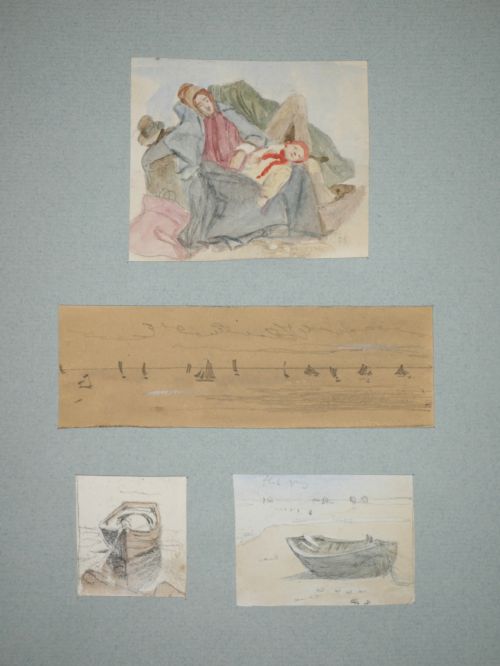
These works utilise watercolour pigment and pencil applied directly to paper supports. Artists often worked en plein air or in studios using cakes of pigment supplied in fitted wooden boxes.
Framing typically involves wood, rosewood, or gilt wood surrounds fitted with protective glass to preserve the delicate paper surface.
Retail Price Guide 2026
Typical UK retail prices for victorian watercolour art, calculated from the Sellingantiques database of over a million retail prices indexed since 2003. This retail price guide relies exclusively on Sellingantiques data; no external sources or auction records are used, so the figures do not describe the wider market.
Listings span periods from the Regency era through to eighteen ninety, featuring paper, wood, rosewood, and gilt wood.
What varies in quality
Quality rests upon the sureness of the draughtsmanship and the subtlety of the wash. A confident handling of pencil underdrawing and pigment density separates accomplished professional output from amateur efforts.
The preservation of the paper support and the vibrancy of the remaining colour define the standing of individual paintings. Original framing in period rosewood or gilt wood adds further distinction.
Charles Bellay·H P Ditmas·Charles H Poingdestre·Thomas Pritchard·Thomas Leeson Rowbotham
The Victorian Watercolour Art Glossary
- Watercolour
- A painting method in which the paints are made of pigments suspended in a water-based solution. The paper surface often remains visible to supply highlights and luminosity.
- Gilt wood
- Timber carved and surfaced with a thin layer of gold leaf. It provides a reflective and decorative border for nineteenth century frames.
- Pencil
- A graphite medium utilised for preliminary sketches and defining lines beneath watercolour washes. It reveals the working method of the artist.
- Rosewood
- A dense, dark timber marked with distinctive figuring, frequently utilised for nineteenth century picture frames and fitted artist boxes.
- Orientalist
- A style depicting scenes and subjects from the Middle East and North Africa, popular among nineteenth century European painters.
Frequently Asked Questions
How do I care for watercolour art?
Keep works out of direct sunlight to prevent the pigments from fading over time. Ensure they stay in stable, dry conditions behind glass.
Avoid hanging pieces in damp spaces such as kitchens or bathrooms where paper and wood frames can absorb moisture.
Are these paintings original?
The selection includes original hand-painted waterworks on paper alongside period artist paint boxes and some vintage printed reproductions after known artists.
Check individual listings to confirm whether a piece is an original painting or a print.
How are nineteenth century watercolours framed?
Period pieces frequently appear in their original wooden surrounds, including rosewood and gilt wood frames fitted with protective glass.
These frames often show age-related wear that corresponds with the nineteenth century origins of the art.
What subjects appear in these works?
Subjects range from British landscapes and historical street scenes to botanical studies of plums and military caricature sketches in Malta.
Other works record French Orientalist traditions and Italian views.