

Victorian Washstand Basin
A victorian washstand basin provides the ceramic core of a functional antique washing setup, bringing period utility and craftsmanship into the home.
Victorian Washstand Basin
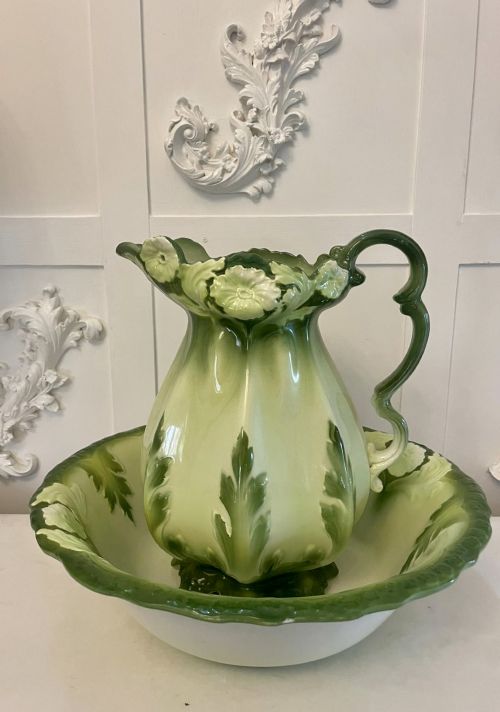
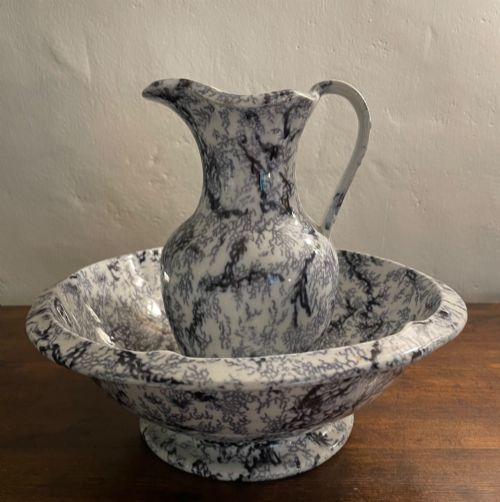
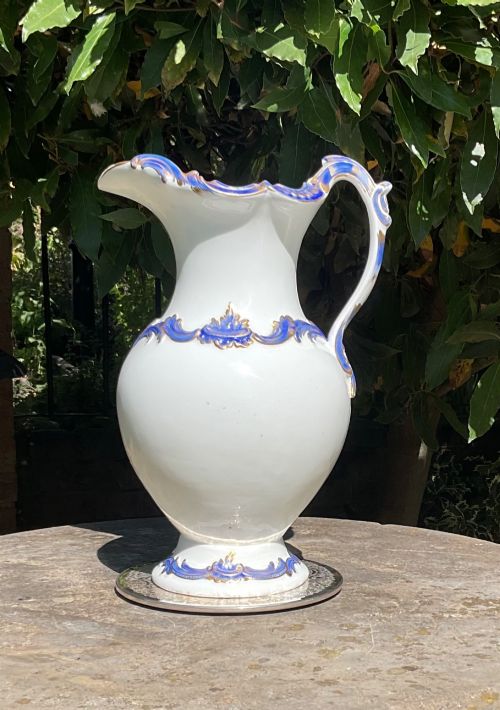
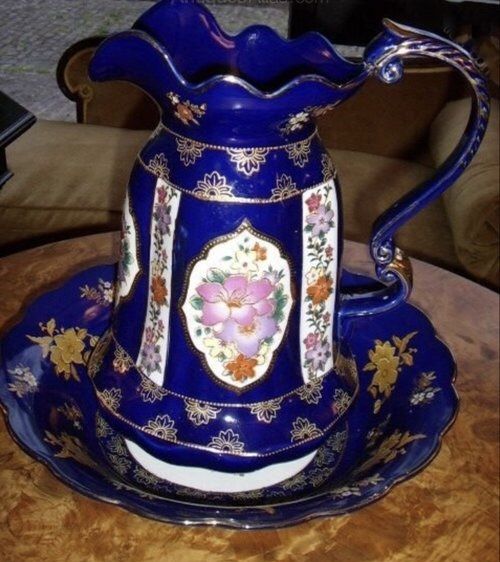
When you search for a victorian washstand basin, you encounter ceramic bowls and jugs designed for bodily hygiene before plumbed bathrooms became standard. These pieces appear as standalone basins, large ironstone bowls, and complete sets comprising a matching pitcher and washing vessel.
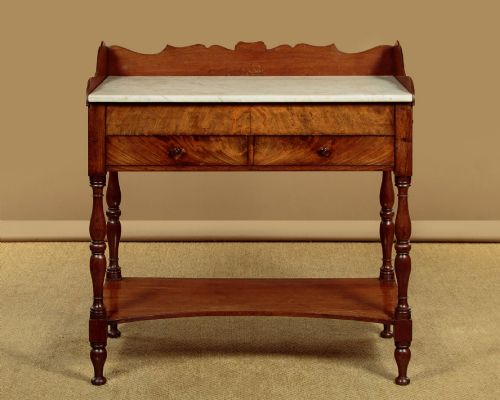
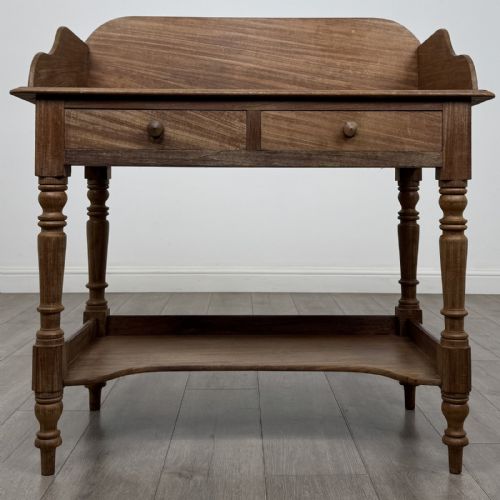
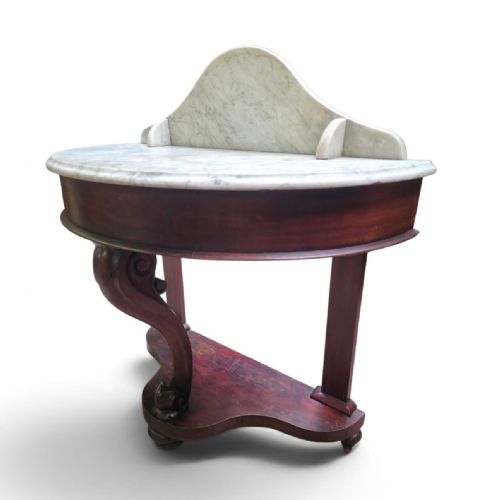
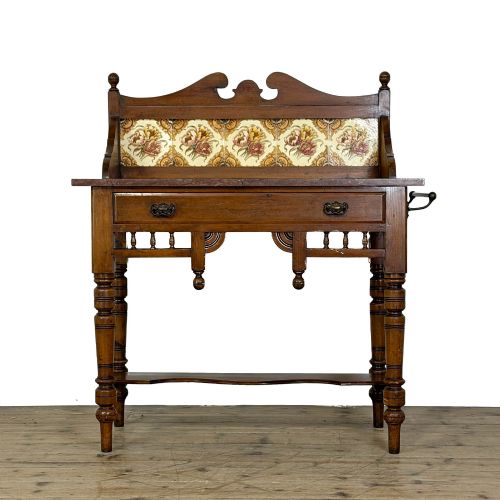
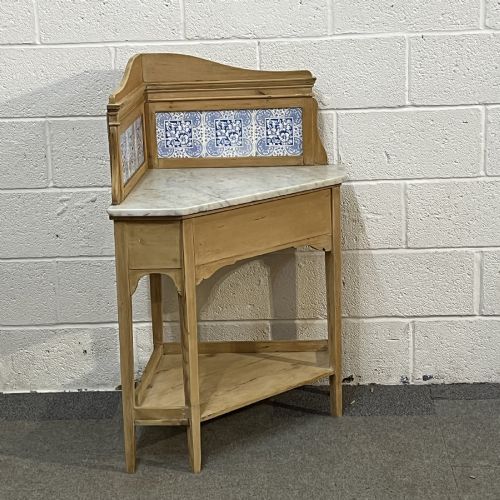
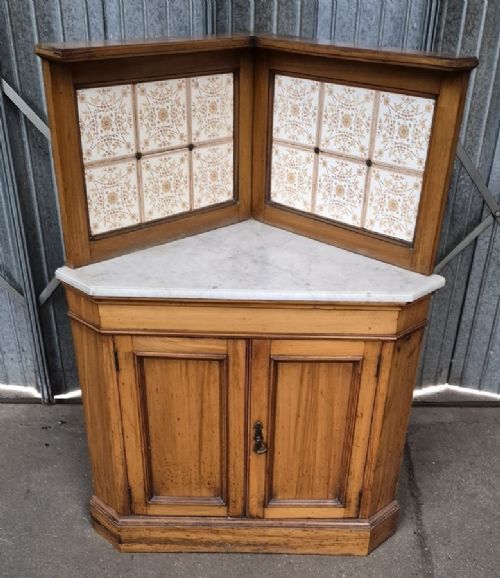
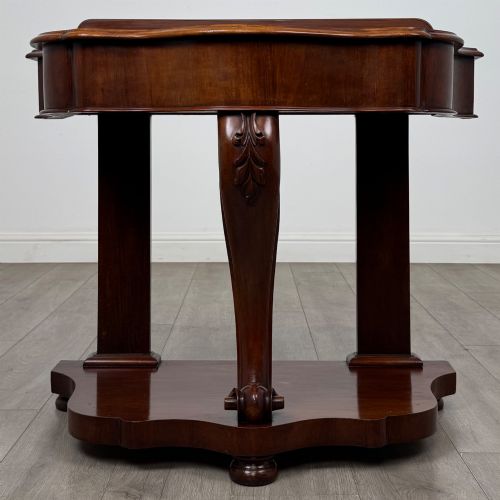
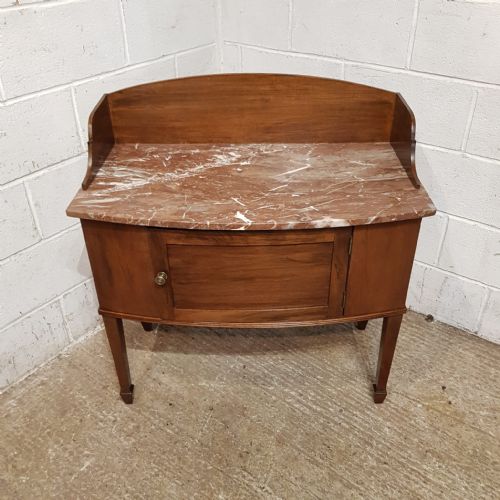
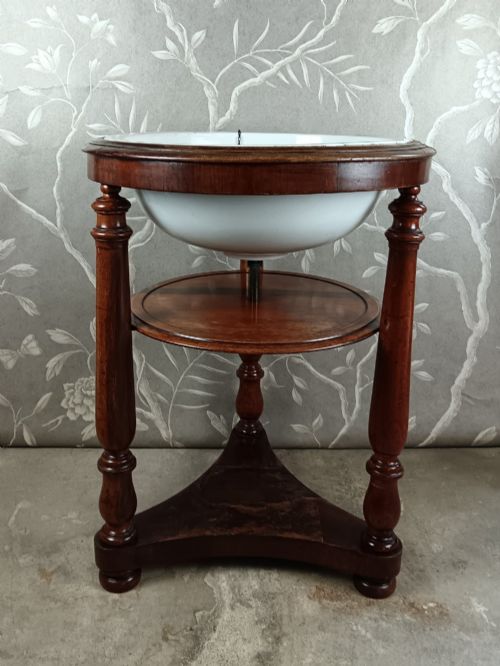
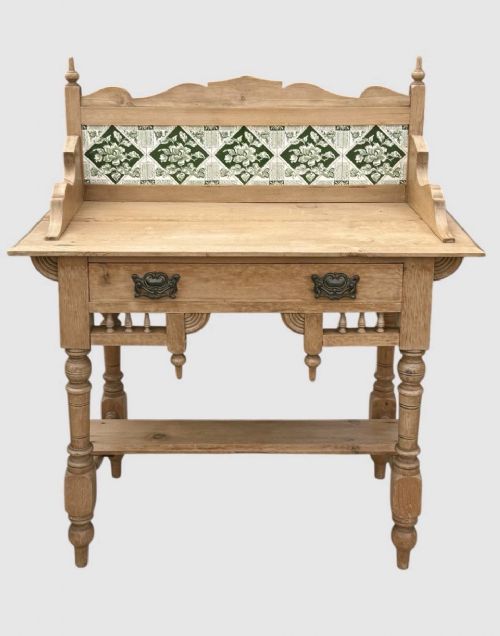
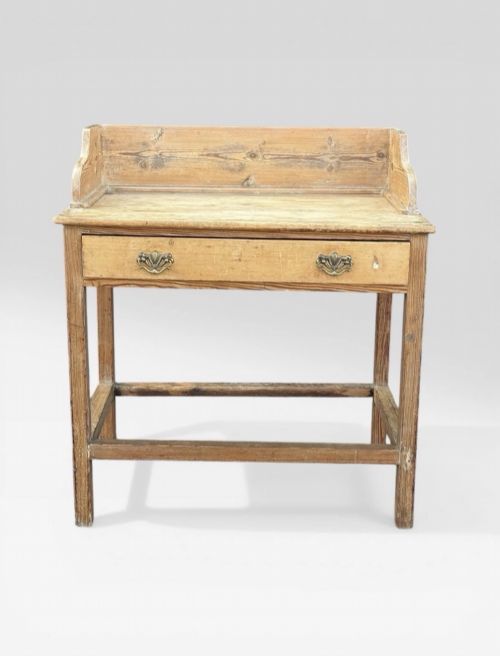
The objects stem predominantly from the Victorian and Edwardian eras, alongside related 19th-century and early 20th-century examples. You meet them paired with timber furniture frames such as pine, mahogany, and walnut washstands featuring marble tops and tile splashbacks.
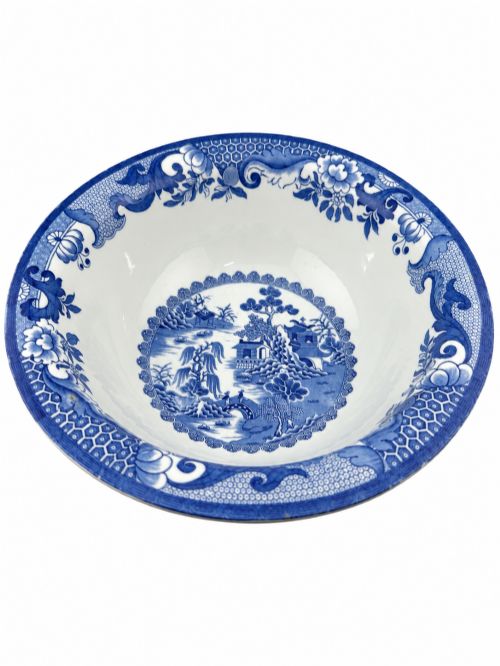
Regional styles range from country pine variants to campaign models, maritime ship washstands, and refined town house cabinetry. Makers and potteries like Masons, Minton, and Doulton Burslem produced specialised earthenware and porcelain versions with flow blue, Chinoiserie, and floral transfer prints.
Materials and Technique
Potters shaped basins and jugs from ceramic, earthenware, ironstone, and porcelain, applying coloured glazes and transfer-printed patterns such as flow blue and Chinoiserie designs. These ceramic elements sat within or alongside furniture constructed from hardwoods like mahogany and walnut, or softer timbers including pine.
Cabinet makers incorporated functional details such as raised three-quarter galleries, serpentine fronts, and brass fittings. Many wooden stands feature protective marble tops or painted faux marble surfaces designed to withstand daily splashing during personal washing routines.
Victorian Washstand Basin Retail Price Guide 2026
Typical asking prices for victorian washstand basin among the pieces listed under this phrase on Sellingantiques today, from the lower quarter to the upper quarter. They describe what is for sale here now, not the wider market.
Miniature jug and bowl sets offered miniature washing practice for Victorian children or served as whimsical salesman samples.
Craftsmanship and Distinction
The upper tier of the range distinguishes itself through superior ceramic body density, crisper transfer printing, and hand-finished painted details from established potteries. Cabinet work shows in timber selection, such as figured mahogany or satinwood inlay, alongside integrated marble tops and original decorative tiles.
Simpler pieces rely on basic pine construction and standard earthenware with minimal decoration, reflecting everyday utilitarian manufacture rather than specialised workshop production. The presence of complete matching sets rather than isolated bowls elevates the cohesion of the surviving grouping.
Walker & Sons·Mason·Minton·Doulton Burslem·mark Jones & Sons·Gillows
The Victorian Washstand Basin Glossary
- Ironstone
- A heavy, durable type of earthenware patented in the 19th century. It offered strength suitable for robust daily use in wash sets.
- Flow blue
- A ceramic transfer printing technique where cobalt blue bled slightly into the white glaze during firing. This created a soft, hazy outline popular on Victorian basins.
- Gallery
- A raised wooden border surrounding the top of a washstand. It prevented water splashes from reaching the wall behind the furniture.
- Campaign washstand
- A portable wash furniture variant designed for travel. It often incorporated folding wooden frames and brass mounts.
- Gaudy Welsh
- A style of colourful pottery decorated with cobalt blue, copper lustre, and iron-red floral motifs. It was produced for domestic utility in the 19th century.
Victorian Washstand Basin: Frequently Asked Questions
How were washstand basins used daily?
These basins sat atop wooden washstands to hold water poured from matching pitchers for morning and evening washing.
Servants filled the pitchers from larger ewers, and the set provided personal hygiene facilities in bedrooms before indoor plumbing.
Are wash basins and jugs waterproof?
Ceramic basins and jugs remain fully capable of holding water for display or practical use.
Glazed earthenware and porcelain bodies prevent liquid from seeping through the fired clay.
How do I date a washstand?
Dating relies on timber types, construction methods, and associated ceramic factory marks.
Mahogany and classical lines indicate earlier 19th-century pieces, while Edwardian examples often feature lighter satinwood or distinct art nouveau motifs.
Can I use these sets in modern bathrooms?
These pieces integrate well as decorative basins on top of contemporary vanity units or displayed within period interiors.
Their robust ceramic construction suits decorative placement, though original washstands require care around modern plumbing.