


Victorian Wash Tub
A victorian wash tub is a sturdy metal or ceramic utility vessel that brings robust nineteenth-century character into modern domestic spaces.
Victorian Wash Tub
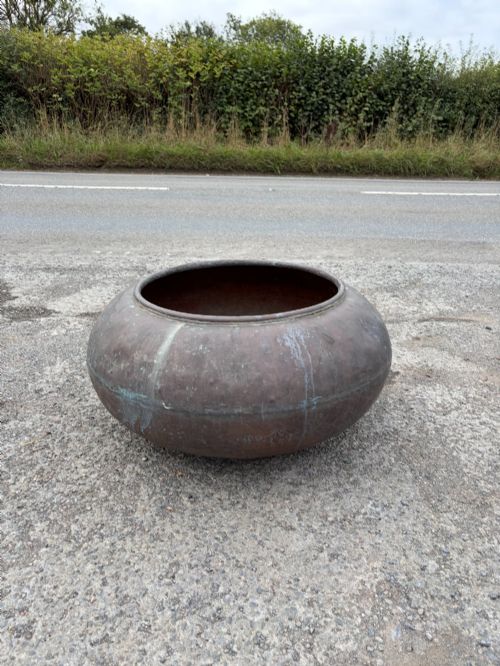
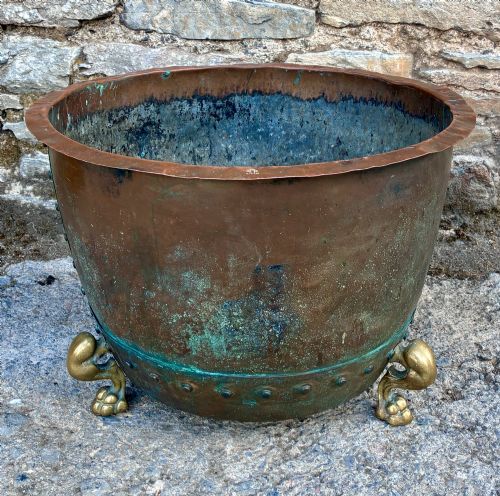
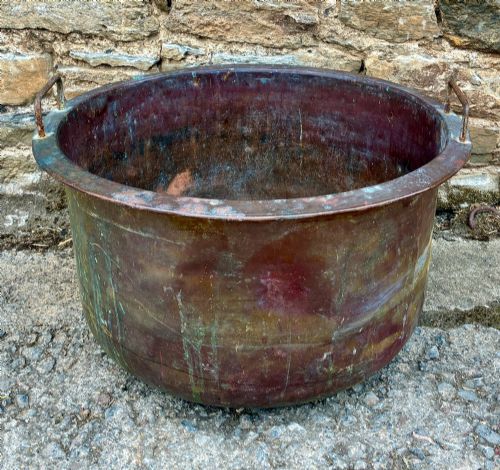
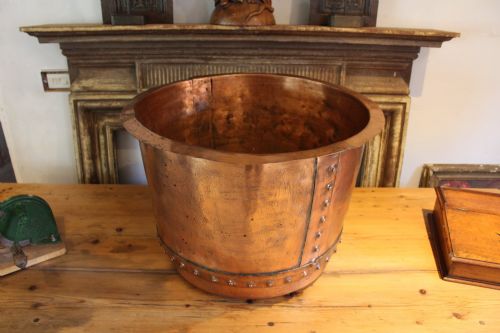
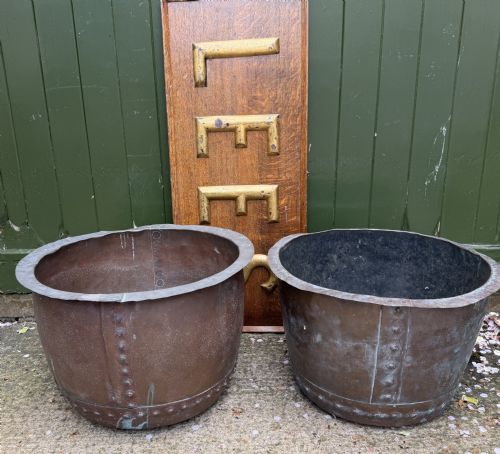
When searching for a victorian wash tub, collectors encounter heavy metal vessels originating from the nineteenth century, including copper boilers, cauldrons, and footbaths. Many examples survive as utilitarian kitchen and laundry items that now find a second life as log bins or garden planters.
The pieces appearing on this page span the Victorian era, utilising materials like copper, cast iron, tin, and earthenware. Alongside dedicated washing vessels, the selection encompasses related domestic cookware and large planters shaped by nineteenth-century country and industrial styles.
Materials and construction
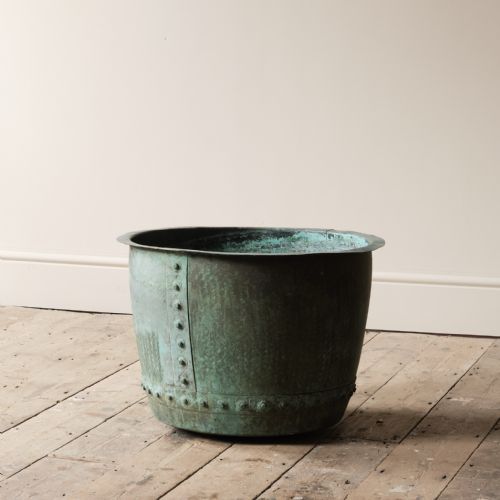
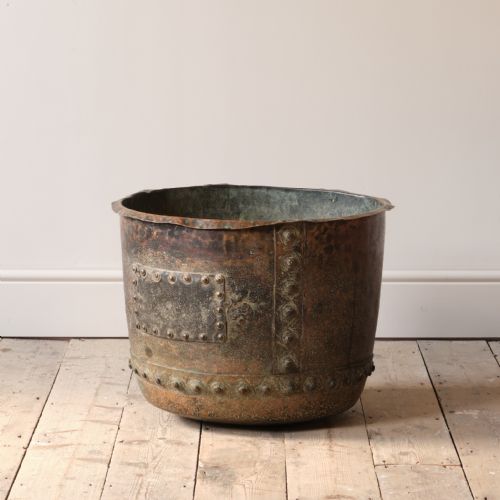
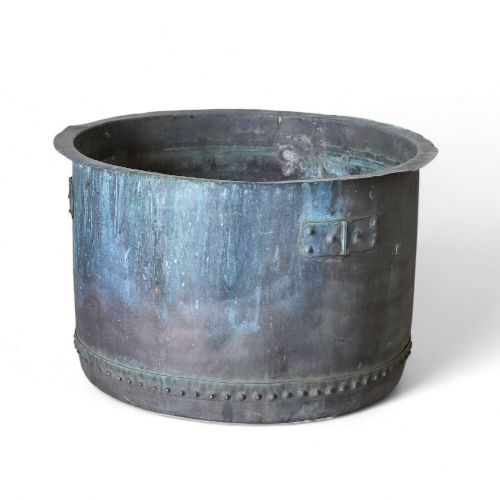
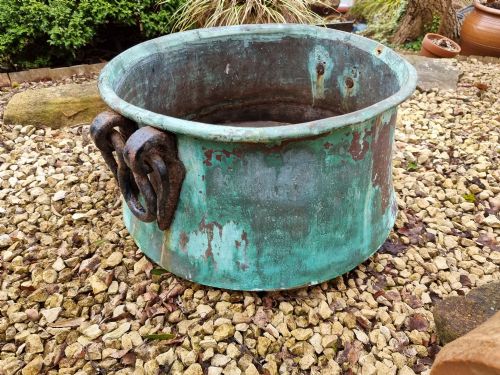
Copper dominates the construction of these vessels, shaped into large pots, boilers, and tubs often secured with hand-riveted seams. Wrought iron provides sturdy swing handles and structural support, while tin and cast iron serve alternative utility and bathing functions.
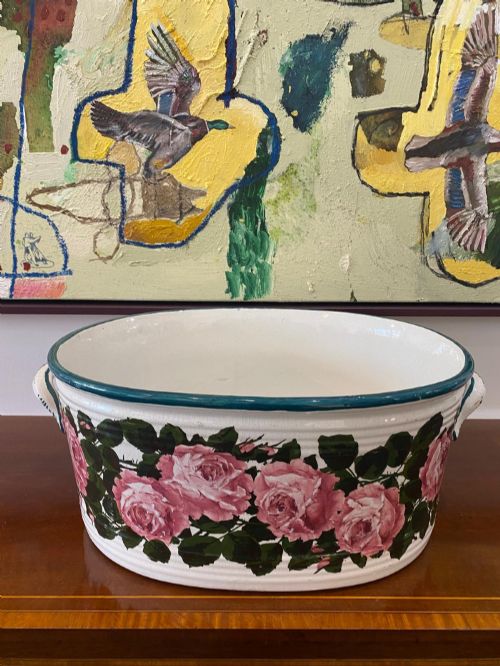
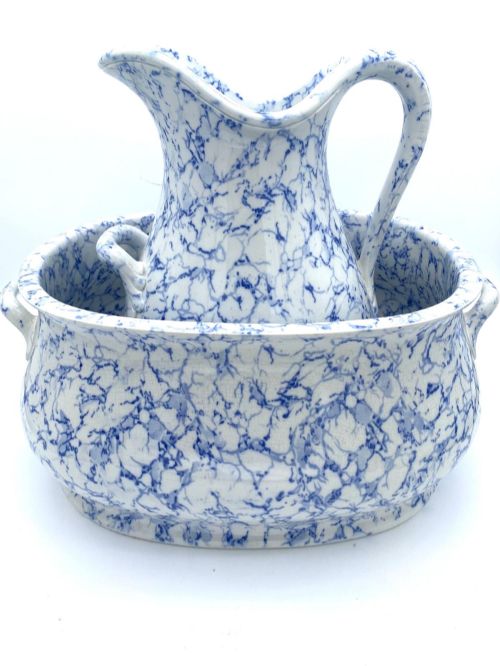
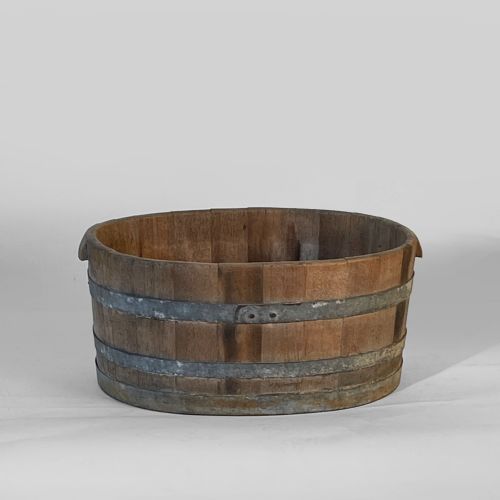
Ceramic pieces feature earthenware bodies decorated with flow blue glazes, such as the Italian marble pattern seen on footbaths. Metal surfaces often display natural patinas, verdigris finishes, and the structural marks of coopered timber or hammered plate.
Even heavy copper grain measures and laundry boilers now happily retire indoors as oversized holders for logs.
Assessing quality and character
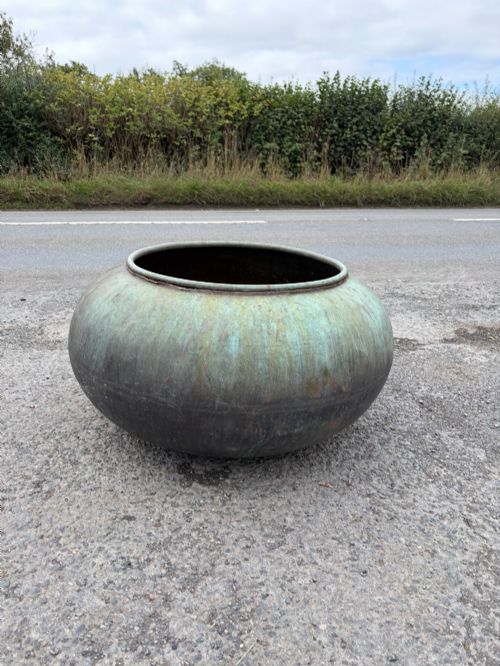
Quality rests in the integrity of the original construction, seen in hand-riveted copper plates and solid wrought iron attachments. The presence of authentic surface wear, such as a rich natural patina or developing verdigris, marks a vessel that has aged through utility.
Form and scale dictate desirability, distinguishing standard utility items from exceptional footbaths by named makers or unusually large cauldrons and coppers. Soundness of the primary metal or ceramic body remains paramount for pieces repurposed as interior log bins or exterior planters.
Wemyss·Minton·Copeland
The Victorian Wash Tub Glossary
- Verdigris
- A green patina formed naturally on copper or brass surfaces through atmospheric oxidation. This weathered layer is prized by collectors for its visual depth and proof of age.
- Coopered
- A method of construction using curved wooden staves bound together with metal hoops, typical of traditional washing tubs and buckets. This technique ensures watertight integrity for heavy liquid use.
- Flow blue
- A cobalt blue ceramic glazing technique where the colour bleeds slightly into the surrounding white glaze during firing. This effect creates a soft, hazy appearance popular on nineteenth-century earthenware.
- Cauldron
- A large metal cooking or heating vessel featuring a rounded base and a strong swing handle for suspension or lifting. These heavy utility pots frequently double as large garden planters.
Victorian Wash Tub: Frequently Asked Questions
How were these tubs used originally?
Nineteenth-century households utilised these heavy vessels for laundering clothes, heating water, and bathing. Footbaths and hip baths served personal hygiene, while larger coppers and cauldrons managed demanding domestic chores.
Over time, many of these utilitarian copper and iron containers transitioned from the laundry room and kitchen to hearthsides and gardens as decorative storage.
Can I use an antique copper tub outside?
Copper and iron vessels withstand outdoor conditions well, developing rich verdigris patinas when exposed to the elements. Their robust metal construction makes them suitable for holding plants and garden soil.
Gardeners should check for drainage holes or add suitable layers to protect the historical metal integrity from prolonged standing moisture.
How do I clean a vintage copper wash tub?
Preserving the natural patina and verdigris is generally preferred by collectors rather than polishing the metal to a bright shine. Gentle dusting and mild soapy water remove surface dirt without harming the historical finish.
Avoid abrasive metal cleaners that strip away the aged character accumulated over the nineteenth century.
What is the difference between a footbath and a wash tub?
Footbaths are smaller, often ceramic or refined metal vessels shaped for bathing the feet, sometimes featuring decorative patterns and maker marks. Wash tubs are deeper utility containers built from riveted copper or iron for heavy laundry work.
Both forms share nineteenth-century origins but served distinct domestic functions within the historic household.