



Rustic Metal Tub
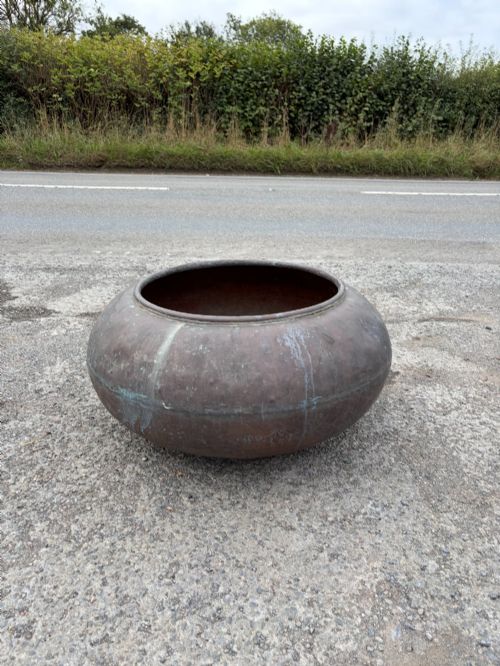
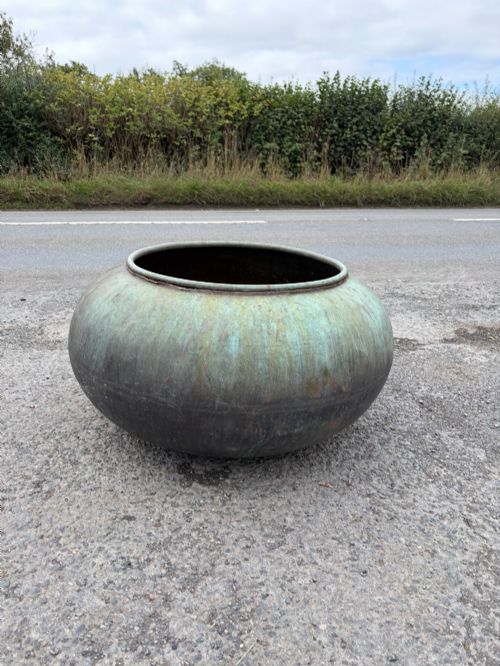
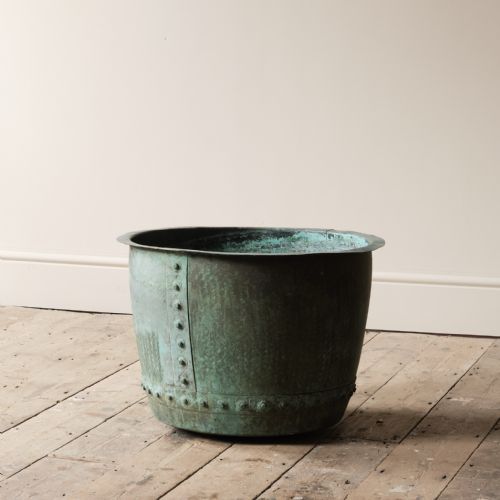
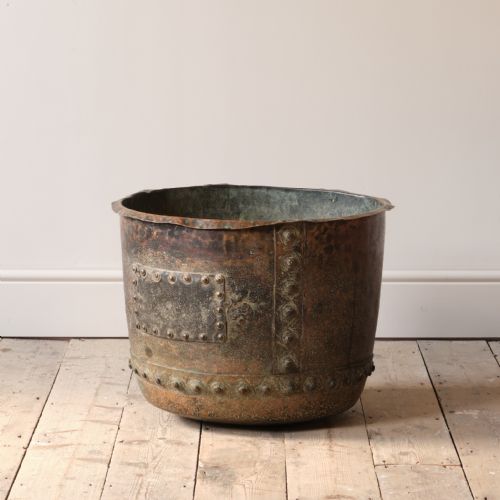
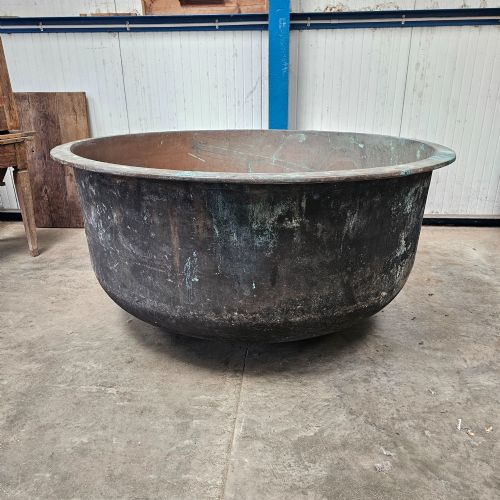
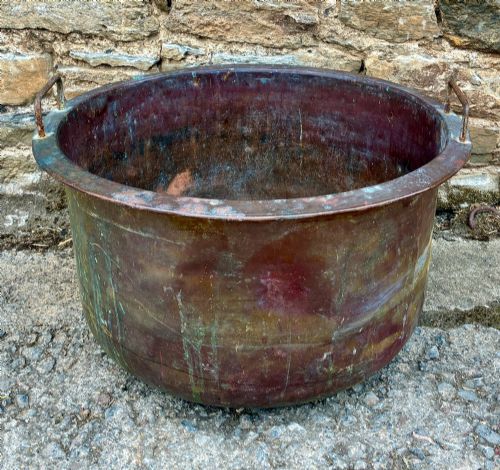
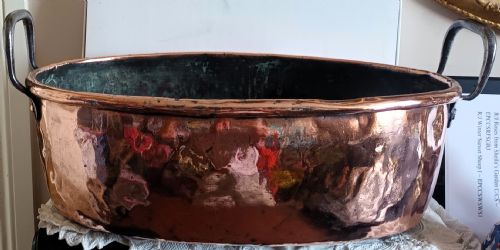
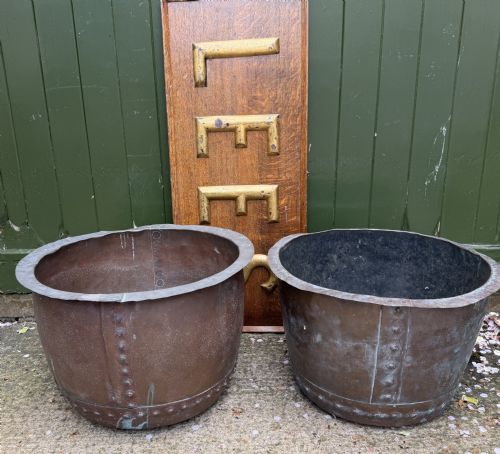
A rustic metal tub brings tactile warmth and utilitarian strength into a room, serving as a robust log bin or a garden planter.
Rustic Metal Tub
When you search for a rustic metal tub, you encounter utilitarian vessels originally forged for domestic, agricultural or culinary labour. These pieces span the nineteenth century and the Edwardian era, bearing the marks of active service in dairies, kitchens and laundries.
The selection on this page centres heavily on copper pots, cauldrons, wash tubs and boilers, alongside galvanised tin baths, iron vessels and zinc planters. Many of these forms double effectively as log bins or garden planters in contemporary interiors.
Origins stretch from English Georgian cream setting pans to French cheese vats and country coppers. The assortment relies upon practical items repurposed for display, retaining their original handles, rivets and patinas.
Materials and construction methods
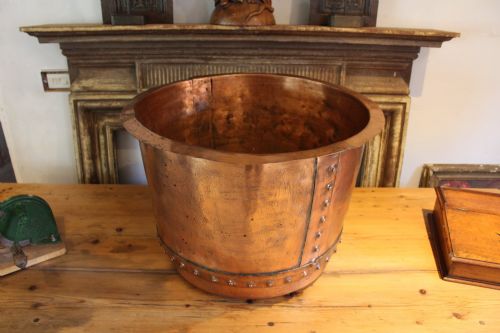
Construction relies upon heavy-gauge metals such as copper, iron, zinc and tin, often combined with wrought iron handles or oak bands. Smiths joined sheets of copper using hand-hammered rivets to withstand extreme heat and heavy loads of water or milk.
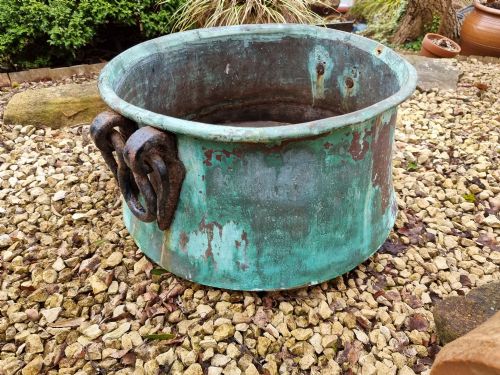
Surface finishes develop through decades of use, yielding natural verdigris, weathered patinas and painted toleware surfaces. Coopered wooden vessels employ metal banding to secure oak staves around a watertight core.
Listings feature items fashioned from copper, iron, wrought iron, tin, zinc, brass, paint, and oak across the nineteenth century and Edwardian era.
Distinguishing quality and character
Quality rests upon the integrity of the original construction, visible in the density of the metal gauge and the neatness of hand-hammered riveting. Vessels retain higher integrity when handles, swings and iron attachments remain original to the piece.
The character of the surface separation defines visual appeal, distinguishing naturally weathered verdigris and patination from modern artificial distressing. Substantial scale and clear regional forms elevate utilitarian cookware into architectural statement pieces.
The Rustic Metal Tub Glossary
- Verdigris
- A green patina formed naturally on copper, brass or bronze through atmospheric oxidation over long periods. This surface layer indicates genuine age and exposure to the elements.
- Coopered
- Made by a cooper using wooden staves bound together with metal hoops, typical of buckets and well barrels. The technique ensures a tight seal for holding liquids.
- Toleware
- Lacquered or enamelled metalware, often brightly painted, originating in the Victorian period. These items brought colourful utility into domestic spaces.
- Cauldron
- A large metal pot with a swing handle, traditionally used over an open fire for boiling or cooking. Their substantial capacity makes them suited for modern log storage.
- Setting pan
- A wide, shallow vessel utilised in dairies for resting milk to allow cream to rise to the surface. Georgian examples display wide rims and generous proportions.
Rustic Metal Tub: Frequently Asked Questions
What were rustic metal tubs originally used for?
These vessels served demanding physical tasks in domestic and agricultural settings, including boiling laundry, heating water, setting cream, and cooking large quantities over open fires.
Over time, heavy utility items like copper boilers and iron cauldrons found new life in domestic interiors as durable storage for firewood or as planters.
How do I style a copper wash tub at home?
A large copper wash tub or cauldron works well placed beside a fireplace to hold logs, adding texture and warmth to a hearth. Smaller vessels suit outdoor or indoor garden spaces as planters for large houseplants.
How can I tell a nineteenth-century piece apart from a later reproduction?
Examine the construction methods closely, looking for irregular hand-hammered rivets, heavy-gauge sheet metal, and genuine wear around the handles and base. True age shows in the depth of the patination and the natural accumulation of verdigris rather than uniform surface treatments.
Are these metal tubs still watertight for garden use?
Many riveted copper and galvanised iron vessels retain their structural integrity, but utility items from the nineteenth century may require checking for hairline fractures or historical repairs before holding standing water.
Using them as outer cachepots or lining them protects the historic metal while permitting vibrant garden planting.