


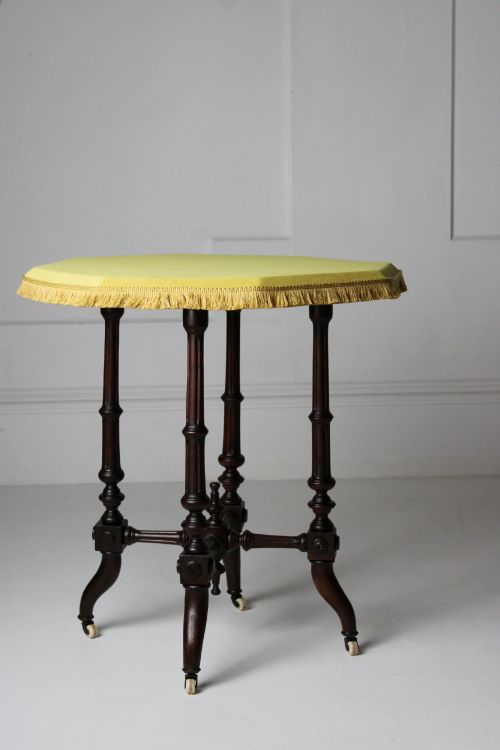


Victorian Walnut Hall Accent
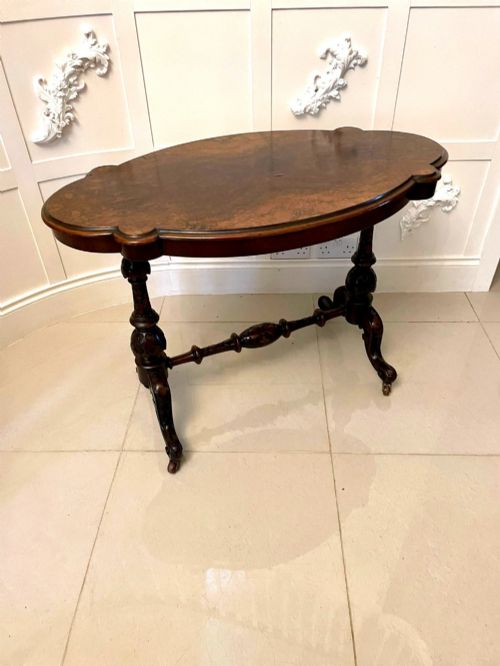
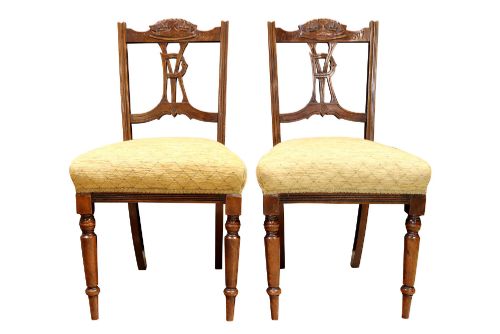
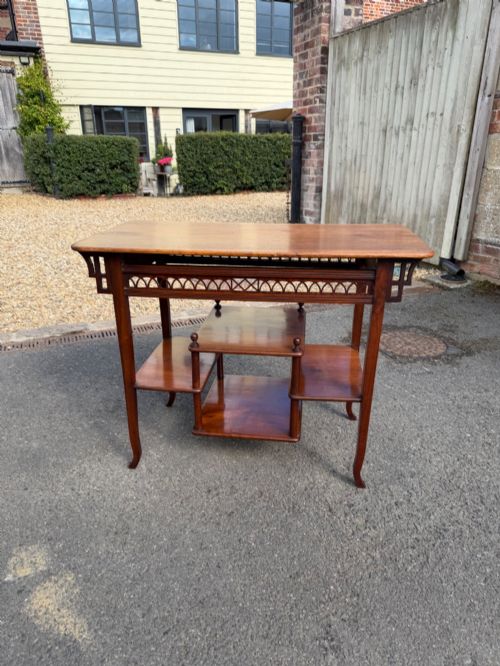
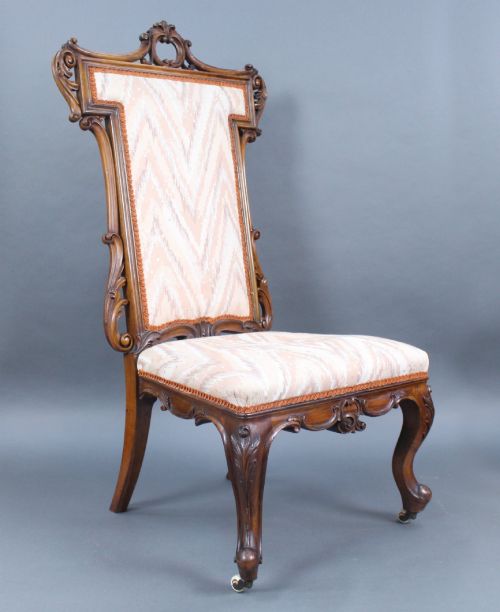
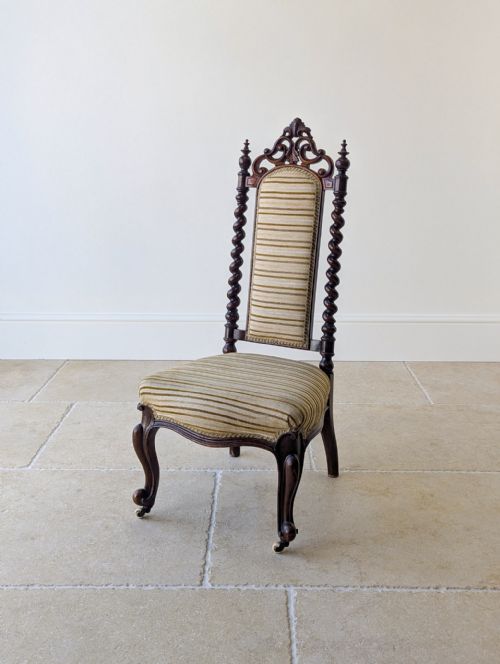
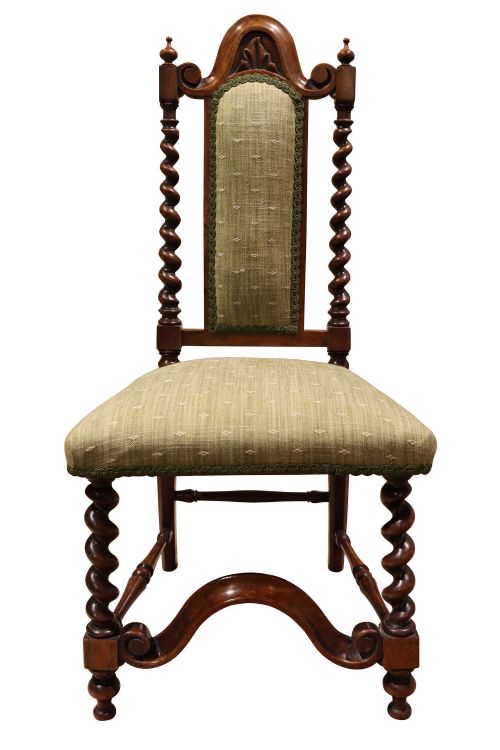
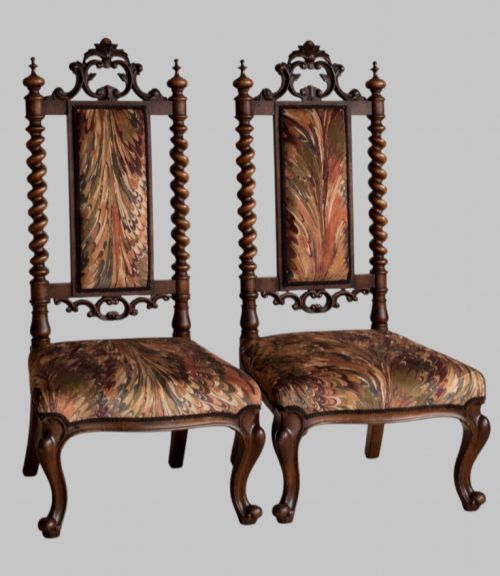
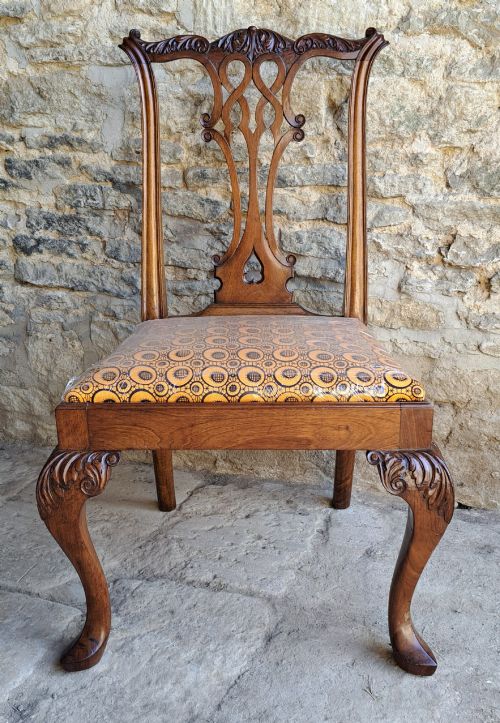
These Victorian walnut hall accent pieces combine sturdy timber with refined carving, offering a practical yet decorative focus for an entranceway.
Victorian Walnut Hall Accent
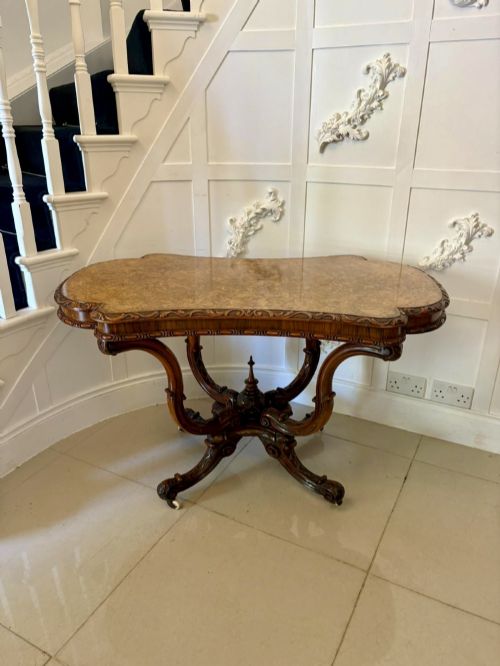
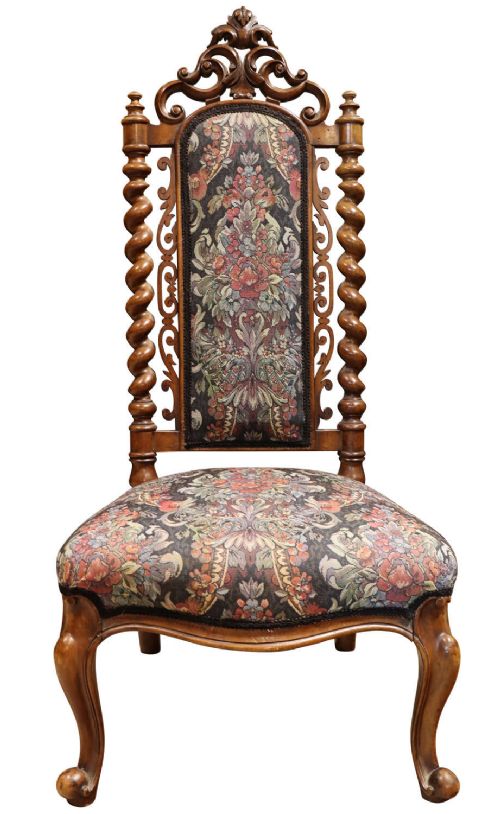
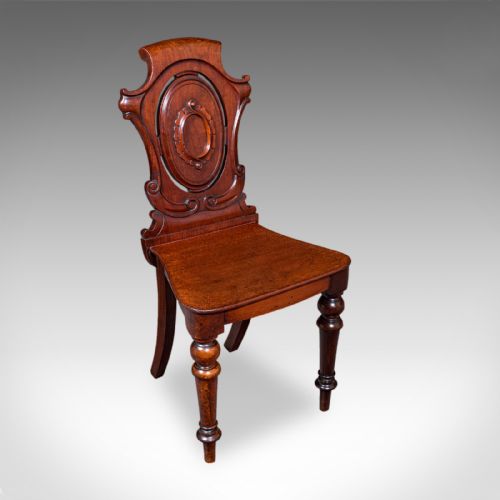
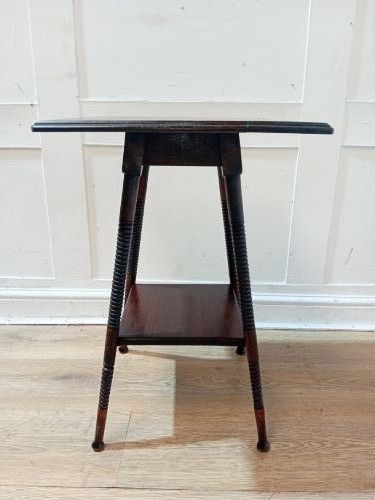
When searching for a Victorian walnut hall accent, buyers encounter various seating and table options designed for reception spaces and hallways. These forms range from rigid hall chairs and shield-back seats to octagonal side tables and console surfaces.
The pieces originate predominantly from the nineteenth century, spanning decades such as the eighteen-fifties, sixties, seventies, eighties, and nineties. Side chairs and hall chairs appear frequently, often constructed from dense walnut or burr walnut timber.
Makers and designers from specific movements, including Arts and Crafts and the Aesthetic Movement, contribute distinct stylistic interpretations. Regional variations also emerge, with Scottish pieces and items carrying specific workshop attributions appearing among the selection.
Distinctions in quality and execution
Quality separates standard utilitarian furniture from pieces demonstrating ambitious design and superior carving. The depth, crispness, and complexity of carved ornamentation on walnut frames indicate the skill of the maker.
The choice of timber significantly affects the visual impact, with figured burr walnut veneers and intricate marquetry or parquetry work representing higher levels of craftsmanship. The inclusion of specialised elements like musical mechanisms or parcel gilt detailing further distinguishes superior examples.
Structural proportion and the integration of decorative supports, such as barley twists or figural elements, dictate the overall success of the design. Pieces that balance robust construction with refined aesthetic movements command greater attention.
Victorian Walnut Hall Accent Retail Price Guide 2026
Typical asking prices for victorian walnut hall accent among the pieces listed under this phrase on Sellingantiques today, from the lower quarter to the upper quarter. They describe what is for sale here now, not the wider market.
One listed chair includes an internal musical mechanism, proving nineteenth-century furniture could double as entertainment.
LIBERTY of LONDON·WILLIAM BIRCH·Shoolbred and Co
The Victorian Walnut Hall Accent Glossary
- Burr walnut
- A type of timber veneer taken from the growth growths of a walnut tree, prized for its swirling, highly figured grain patterns. It appears frequently on tabletops and cabinet fronts.
- Hall chair
- A rigid wooden seat traditionally placed in an entrance hall or reception area, often featuring a carved back displaying a crest or shield.
- Marquetry
- The art of applying pieces of veneer to a structure to form decorative patterns and pictures. Craftsmen use various tinted woods and other materials to create intricate designs.
- Barley twist
- A carved wooden column or furniture leg shaped in a helical spiral resembling a twist of barley. This decorative turning technique is common on nineteenth-century supports.
- Occasional table
- A small, versatile table designed for specific, intermittent use rather than central daily tasks. These pieces function easily as side tables, window tables, or desk accompaniments.
Victorian Walnut Hall Accent: Frequently Asked Questions
What is a Victorian walnut hall chair?
A Victorian walnut hall chair is a rigid wooden seat designed for placement in an entrance hall or reception space. These chairs typically feature high carved backs and solid walnut construction to withstand heavy daily traffic.
Such seating often incorporates decorative elements like shield backs or barley twist supports. They served as functional furniture for visitors waiting in a hallway.
How do you identify an occasional table?
An occasional table is a small, moveable table designed for flexible placement around a room. Evidence shows these tables frequently feature octagonal or oval walnut tops.
They often display marquetry inlay or parquetry patterns characteristic of the nineteenth century. Their compact size allowed owners to shift them easily to windows or beside seating.
What materials were used in these pieces?
Makers relied primarily on walnut and highly figured burr walnut for the structural frames and decorative surfaces. Additional materials included brass, textiles, and upholstery fabric for chairs.
Carved wooden elements defined the aesthetic, occasionally accompanied by marquetry inlays. Metal components and ceramic details also appear on specific furniture types.
How can you tell the period of a hall table?
Dating relies on stylistic movements, construction techniques, and recorded dates spanning the nineteenth century. Pieces reflect distinct periods such as Arts and Crafts, Aesthetic Movement, and Renaissance Revival.
Specific details like parquetry tops and carved walnut supports help anchor pieces within Victorian production eras. Comparing construction methods with documented maker pieces aids further verification.