
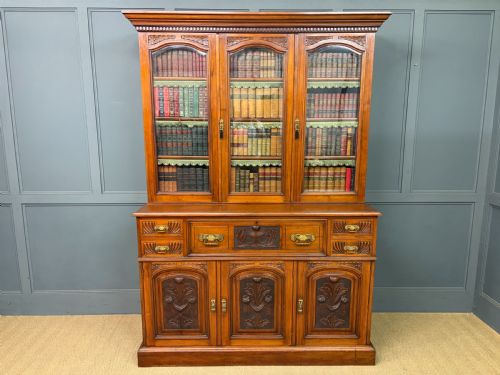
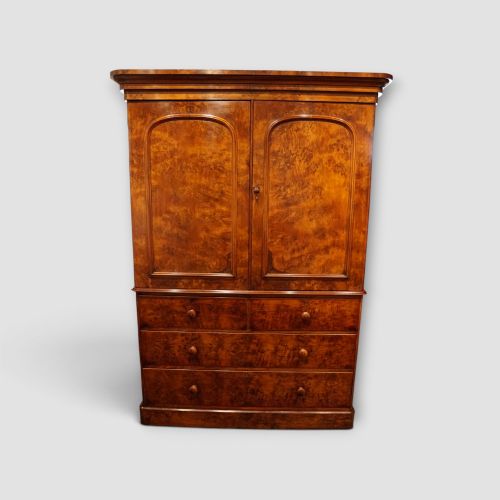
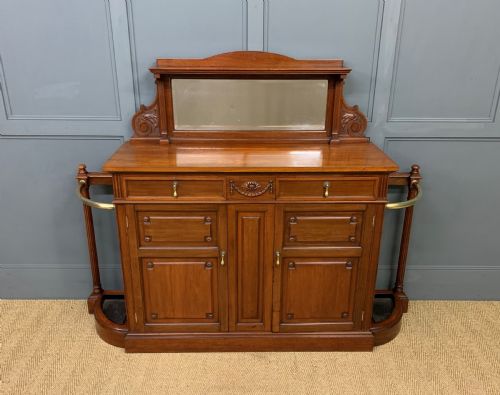
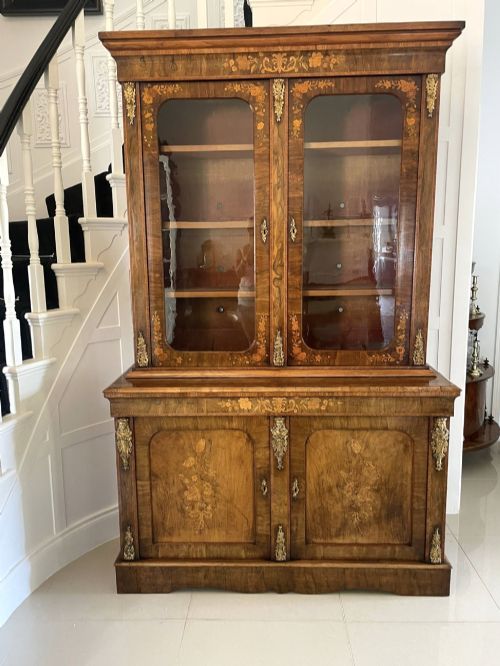
Victorian Walnut Cupboard
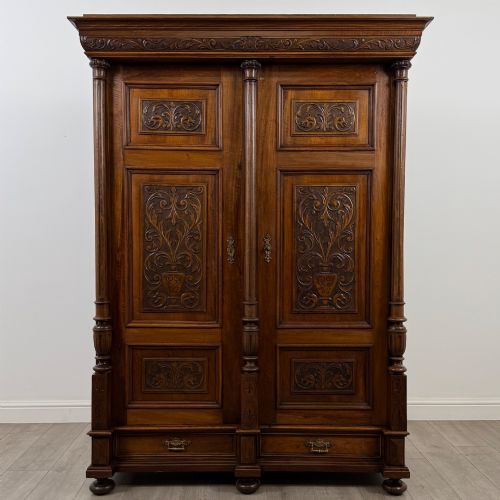
When you handle a victorian walnut cupboard, you hold domestic history fashioned in rich timber and brass.
Victorian Walnut Cupboard
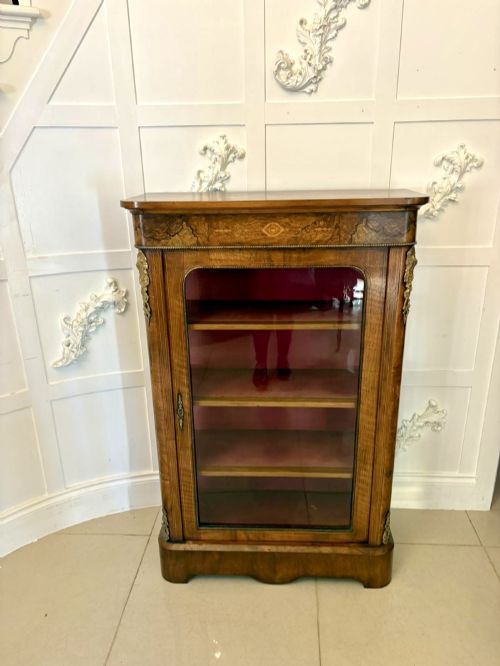
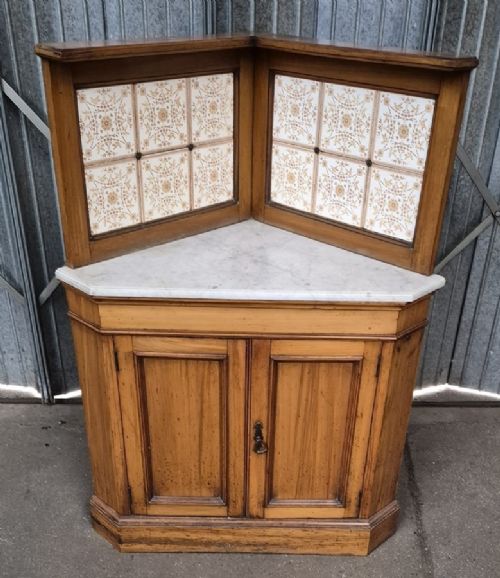
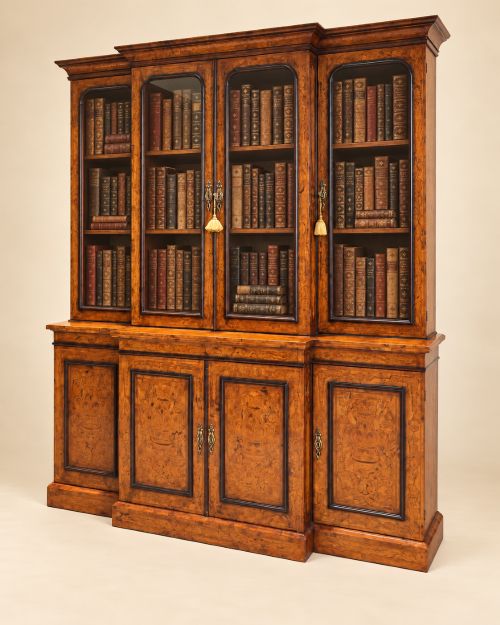
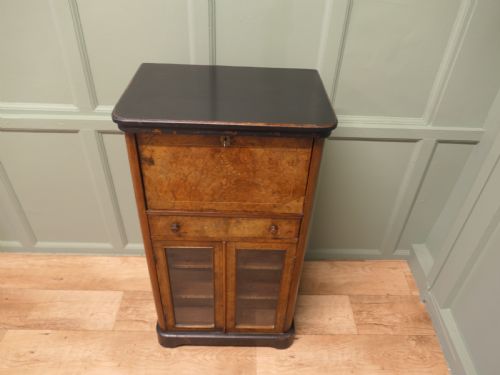
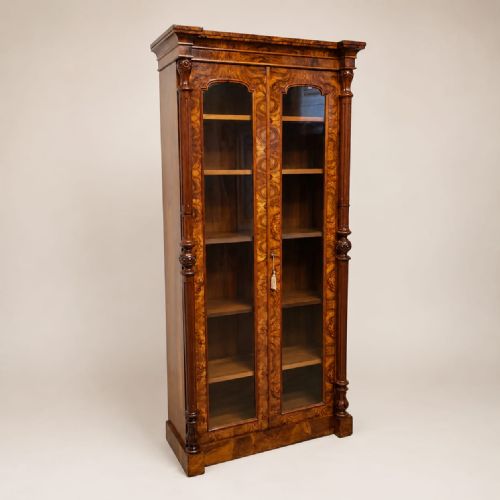
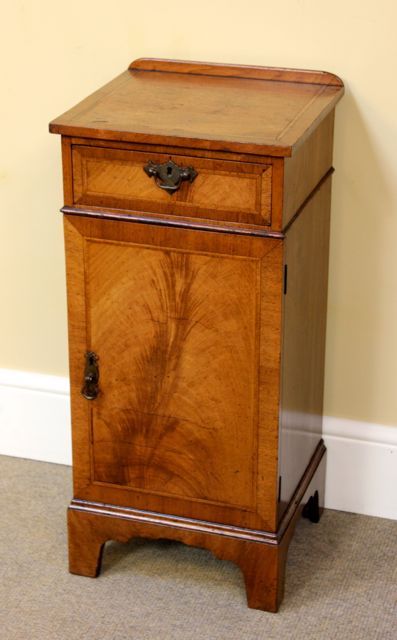
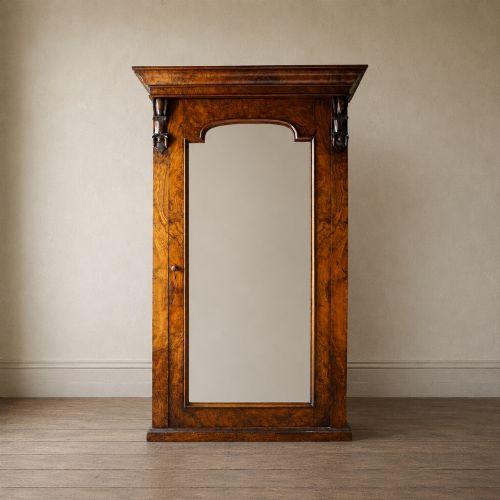
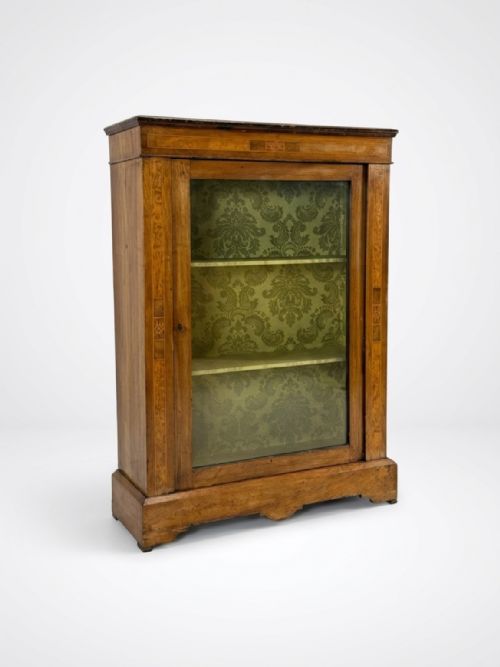
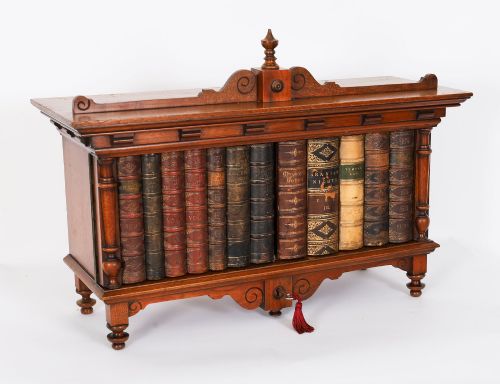
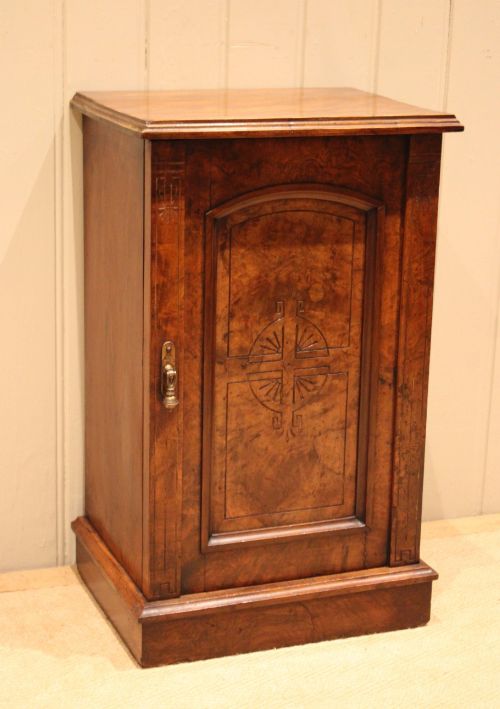
A victorian walnut cupboard encompasses everything from compact bedside pot cupboards to large breakfront bookcases and wardrobes made during the nineteenth century. Buyers searching this phrase will find a high proportion of smaller bedside cabinets and glazed display pier cabinets alongside larger utility pieces.
The objects originate primarily from the Victorian period, spanning decades from eighteen forty to nineteen hundred, with diverse styles including French Provincial, Rococo Revival, and Queen Anne Revival. These items served functional roles in bedrooms, salons, and halls, evolving from simple bedside storage to elaborate display furniture.
How they were made
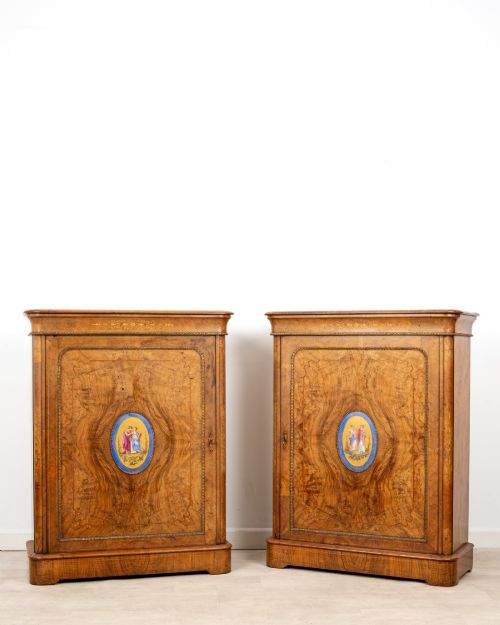
Cabinet makers utilised solid walnut and figured burr walnut veneers applied to secondary woods, often enhancing surfaces with delicate wood inlay and marquetry. Workshops incorporated brass mounts, ormolu, marble tops, and glass doors to elevate the visual weight of the timber.
Construction techniques balanced structural integrity with ornamental flair, employing hand-cut dovetails for drawers and turning for columns. Artisans shaped curved panels and applied gilt mounts with precision, reflecting the revivalist tastes of the nineteenth century.
Victorian Walnut Cupboard Retail Price Guide 2026
Typical asking prices for victorian walnut cupboard among the pieces listed under this phrase on Sellingantiques today, from the lower quarter to the upper quarter. They describe what is for sale here now, not the wider market.
Listings feature walnut combined with glass, marble, ormolu, and velvet across bedside cabinets, bookcases, and wardrobes.
What varies in quality
Quality rests in the selection of the timber grain, particularly the depth of burr walnut veneer and the intricacy of any marquetry or wood inlay. Superior examples display seamless matching of veneers across doors and panels rather than random patching.
The refinement of brass mounts, ormolu detailing, and porcelain plaques distinguishes standard production items from exhibition pieces. Sound structural joinery and original glass or marble tops further separate everyday utility furniture from master workshop output.
Shoolbred & Co.·Walker & Sons·Trapnell & Gane·M. Woodburn·Holland & Sons
The Victorian Walnut Cupboard Glossary
- Burr walnut
- A specialised timber cut from walnut tree growths, yielding intricate, swirling grain patterns highly prized for cabinet fronts.
- Ormolu
- Gilded bronze mounts applied to furniture for decorative enrichment, common in revivalist nineteenth-century pieces.
- Marquetry
- Elaborate patterns formed by fitting together thin slices of various woods and other materials onto a structural surface.
- Pier cabinet
- A narrow display cabinet designed to fit the wall space between windows, frequently featuring glass doors.
- Pot cupboard
- A small bedside cabinet originally constructed to house a chamber pot, now utilised as a lamp stand or nightstand.
Victorian Walnut Cupboard: Frequently Asked Questions
Where should I place a bedside cupboard?
These compact cabinets suit modern bedrooms as nightstands or lamp tables, providing discreet enclosed storage beside a low bed frame.
Their finished walnut surfaces also allow them to sit independently in hallways or studies as small side tables.
How do I clean burr walnut veneer?
Dust the timber regularly with a soft, dry cloth to prevent particulate accumulation in the swirling grain patterns.
Avoid liquid polishes and silicone sprays, opting instead for traditional beeswax applied sparingly to nourish the antique surface.
Did all these cabinets have marble tops?
Only specific forms, notably bedside pot cupboards and washstands, featured fitted marble slabs designed to resist water damage during daily washing.
Most bookcases, pier cabinets, and general cupboards utilised matching walnut timber across their top surfaces.