

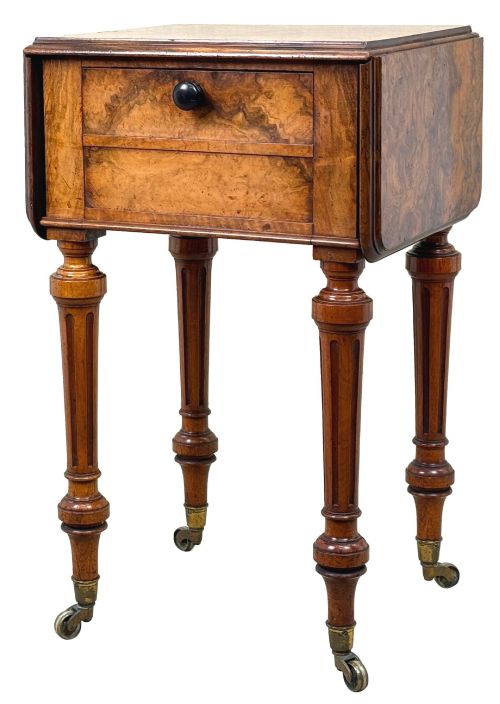
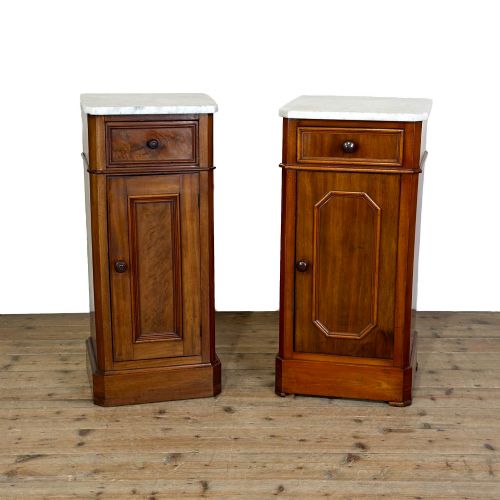
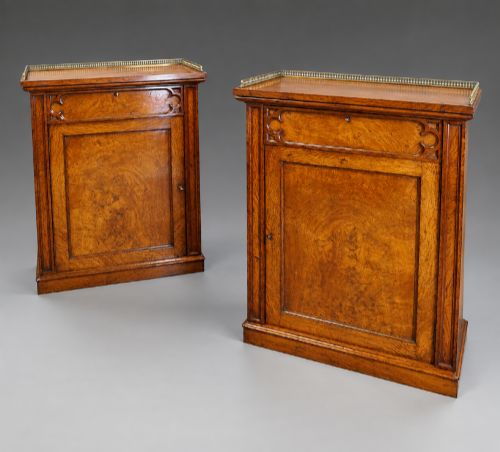
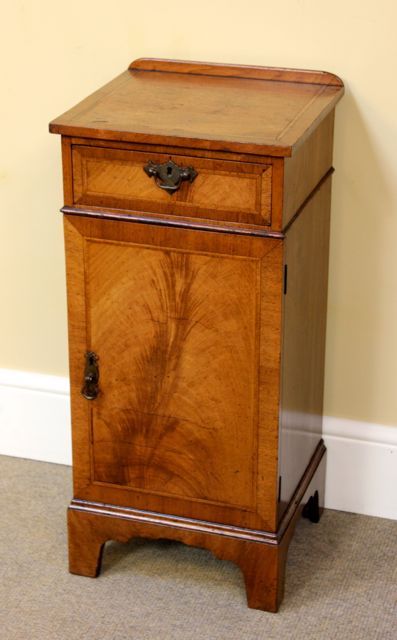



Victorian Walnut Bedside Cupboard
A victorian walnut bedside cupboard brings compact utility and rich grain figures to the bedroom, grounding the space in nineteenth-century craftsmanship.
Victorian Walnut Bedside Cupboard
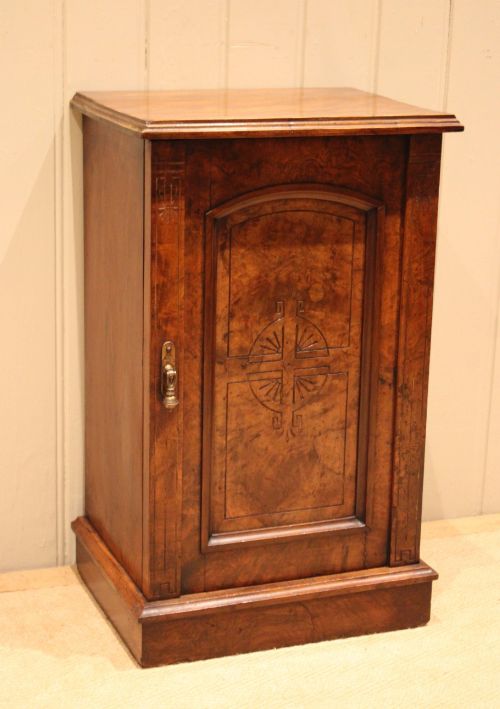
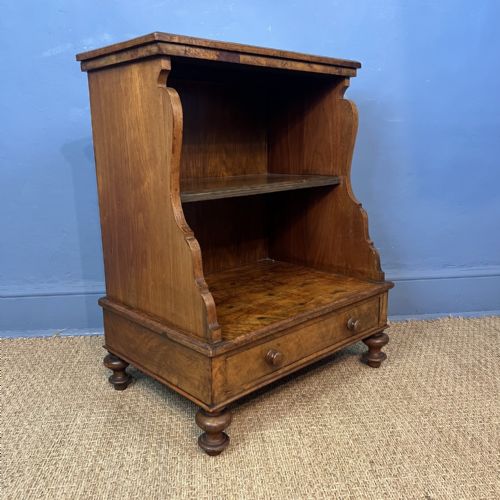
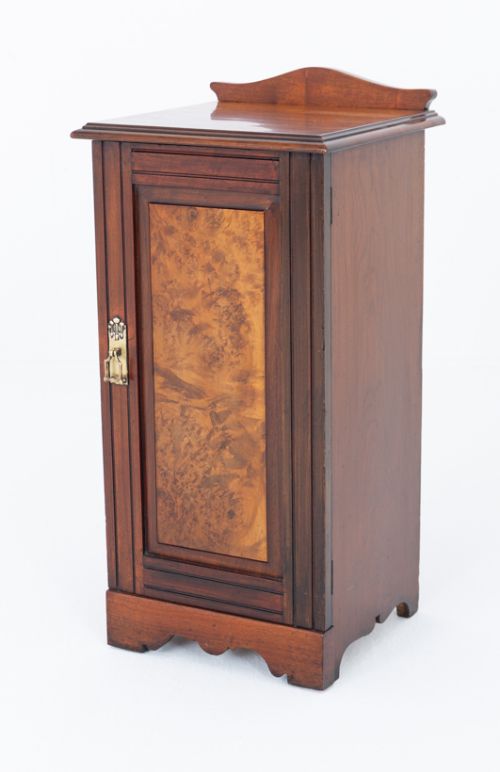
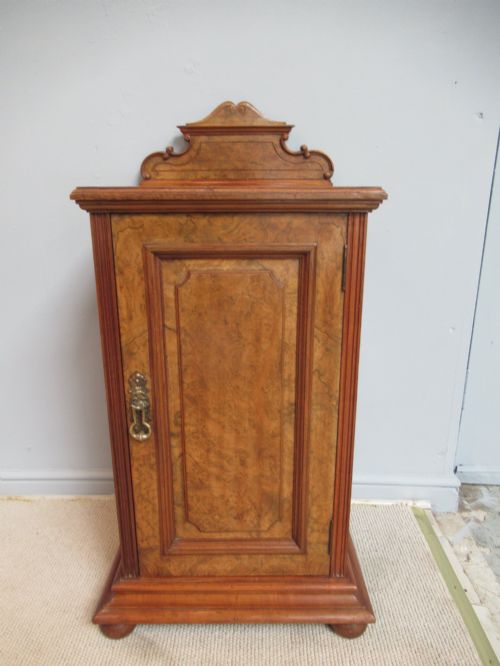
When browsing for a victorian walnut bedside cupboard, buyers encounter practical nineteenth-century chamber furniture designed to house washware or night necessities alongside the bed. The most common forms on this page include pedestal cupboards, small chests of drawers, and pot cupboards dating from the middle to the end of the nineteenth century.
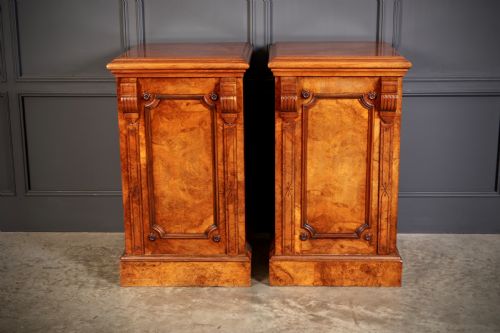
Makers of the period utilised various formats, ranging from simple hinged-door cupboards to pieces fitted with marble tops or multiple small drawers. Many examples appear as pairs, reflecting the domestic arrangements of larger Victorian and Edwardian bedrooms.
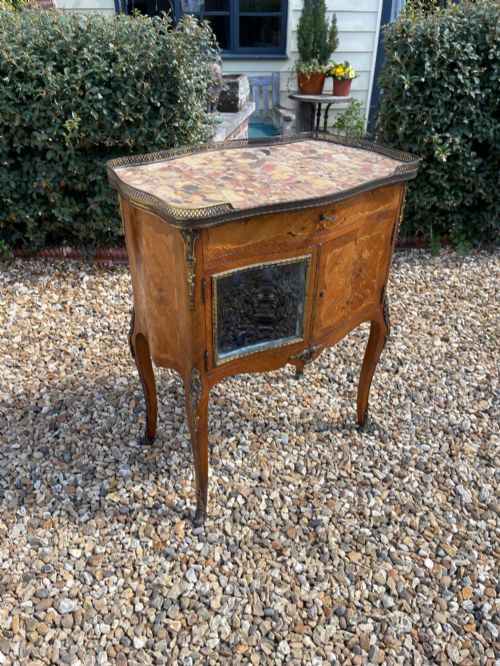
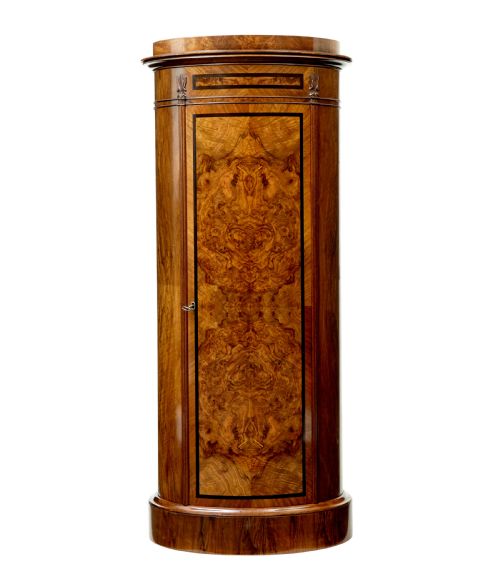
Alongside standard English pieces, variants influenced by French styles such as Louis XIV and Louis XVI revival appear, often incorporating cylindrical bodies or decorative marquetry inlay. These smaller side cabinets bridge the gap between utilitarian storage and decorative display.
How They Were Made
Cabinet makers built these pieces using solid pine carcases overlaid with walnut veneer, burr walnut, or figured walnut to display striking decorative grain patterns. Selected examples incorporated contrasting timbers like mahogany or utilised brass fittings and military-style corner binding for durability.
More elaborate iterations featured inset marble tops designed to resist water from washing jugs, alongside detailed floral marquetry inlay or carved architectural elements. Construction relied on traditional joinery methods suited to daily domestic use within Victorian households.
Victorian Walnut Bedside Cupboard Retail Price Guide 2026
Typical asking prices for victorian walnut bedside cupboard among the pieces listed under this phrase on Sellingantiques today, from the lower quarter to the upper quarter. They describe what is for sale here now, not the wider market.
Current listings feature walnut, burr walnut, figured walnut, and marble, spanning the Victorian, Edwardian, and Gothic Revival styles.
What Varies in Quality
The visual impact of a piece depends heavily on the choice of timber veneer, with rich burr walnut and symmetrical figured grain commanding greater presence than plain timber surfaces. Superior examples display meticulous attention to detail in their marquetry inlay, drawer dovetailing, and the crispness of any carved ornament.
The integrity of secondary materials also dictates the standard of a piece, such as the thickness and polish of an inset marble top or the originality of brass handles and hinges. Structural preservation and smooth operation of drawers and doors distinguish exceptional pieces from routine utility items.
Trapnell and Gane·M Woodburn·Holland and Sons
The Victorian Walnut Bedside Cupboard Glossary
- Burr Walnut
- A timber derived from the irregular growth or wart of a walnut tree, highly prized for its swirling, mottled grain patterns used in cabinet veneers.
- Pot Cupboard
- A traditional bedside cabinet originally designed to contain a chamber pot, usually featuring a single door and interior shelf.
- Marquetry
- Decorative patterns formed by fitting together thin slices of wood veneer and other materials onto a structural surface.
- Pedestal Cabinet
- A freestanding, upright piece of furniture with a single vertical storage compartment accessed via a door.
Victorian Walnut Bedside Cupboard: Frequently Asked Questions
What is a pot cupboard?
A pot cupboard is a compact bedside cabinet originally constructed to house a chamber pot behind a single enclosed door. Over time, these versatile units transitioned into general bedside storage for night items.
Most versions include an internal shelf and a drawer above the main compartment, combining utility with decorative timber surfaces.
Did Victorians use matching bedside tables?
Matching pairs of bedside cabinets certainly existed during the Victorian period, though many were produced as individual items rather than fixed sets. Finding a true pair often reflects the furnishing habits of larger nineteenth-century bedchambers.
Single cupboards were equally common, placed beside the bed according to individual requirements and available space.
Why do some cabinets have marble tops?
Marble tops provided a durable, water-resistant surface in the days before plumbed bedrooms, protecting the timber underneath from spilled washing water. They also added visual weight and a contrasting colour palette to the figured walnut body.
Pieces with marble tops frequently align with French design influences or higher-end domestic commissions.
How do I distinguish Victorian from Edwardian pieces?
Victorian furniture generally exhibits heavier proportions, deeper grain figures in the burr walnut, and rich, dark patination developed over decades. Edwardian pieces often present a lighter, more refined aesthetic with simpler lines and brighter polish.
Construction details and secondary timbers inside the drawers also offer clues to the specific decade of manufacture.