

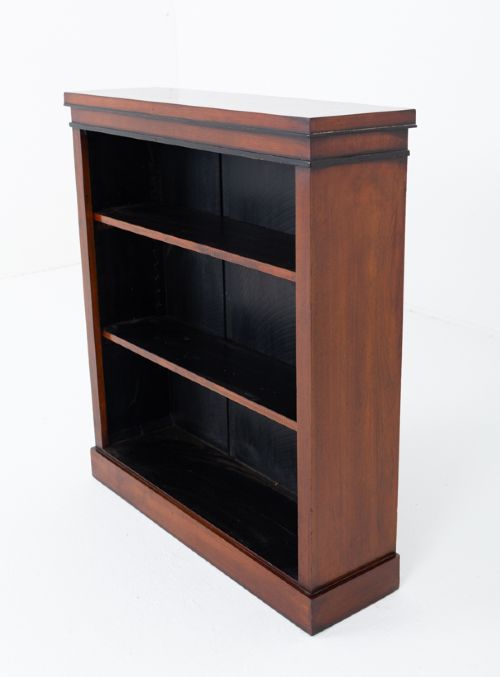
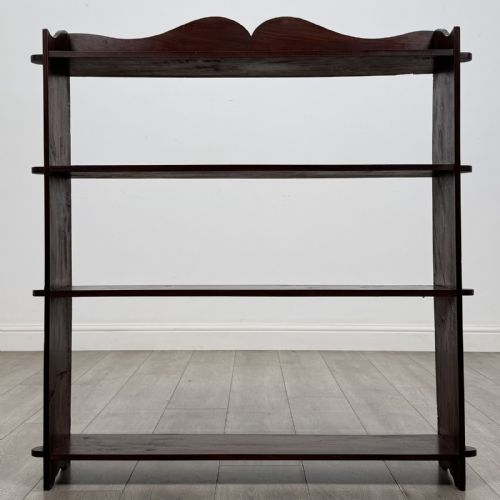
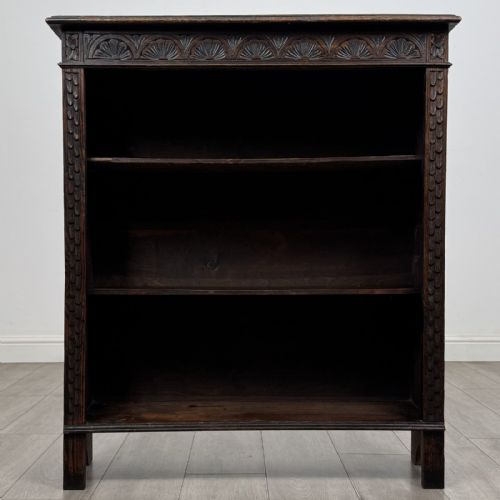
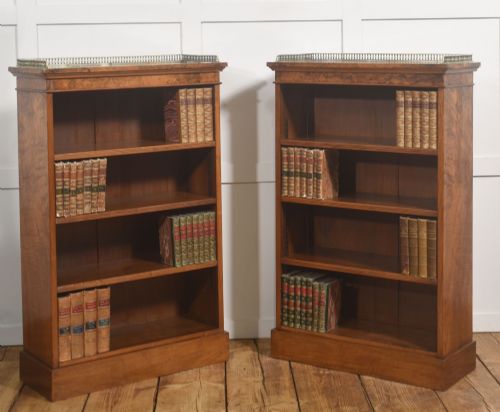
Victorian Low Shelf Unit
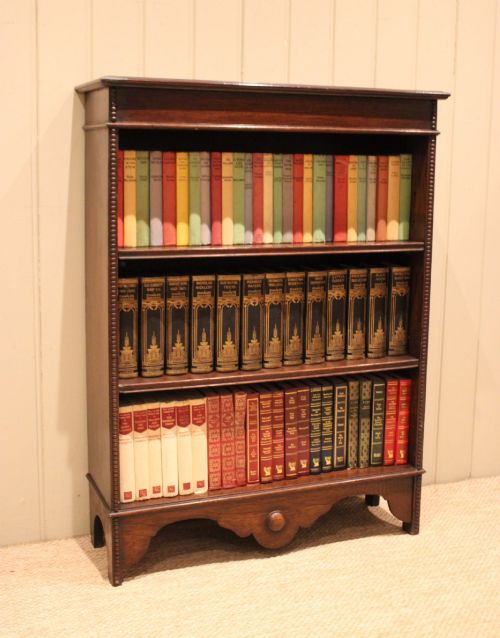
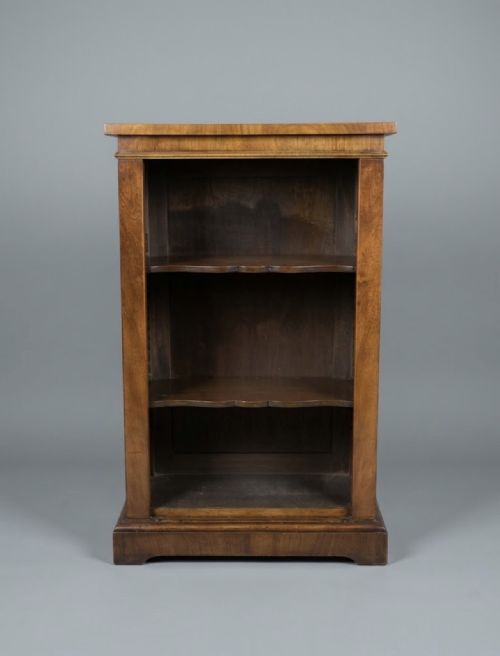
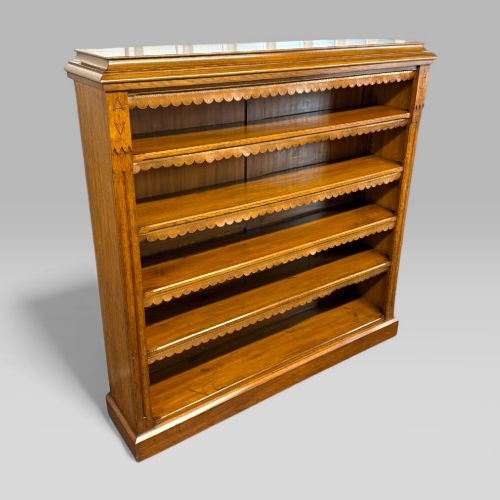
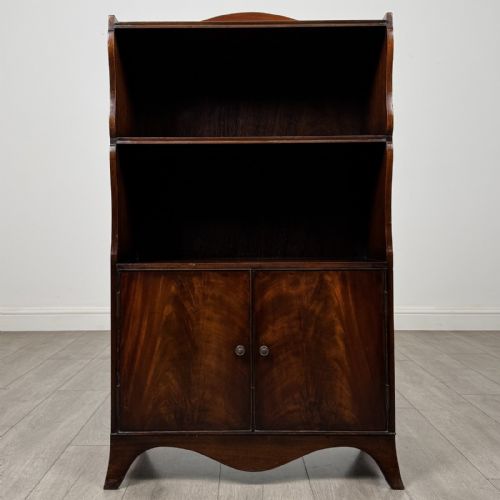
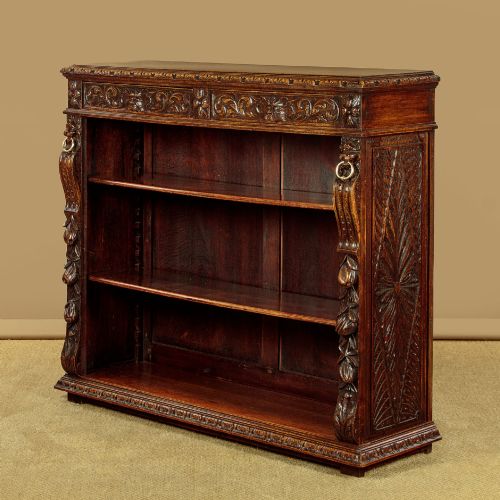
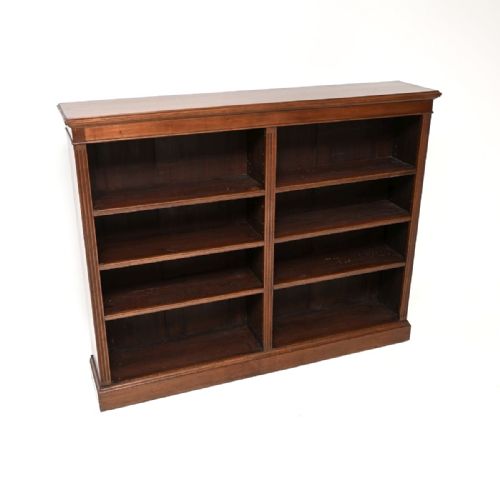
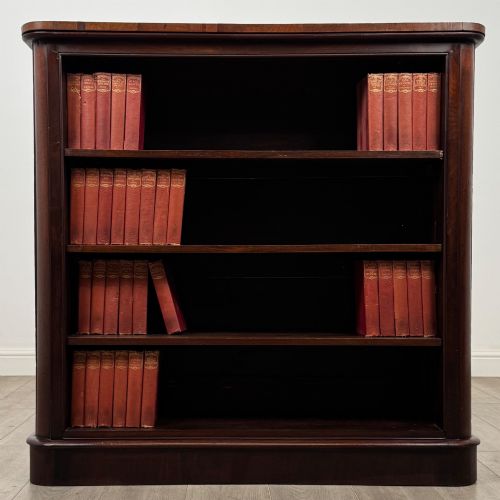
A victorian low shelf unit brings open storage to a room, offering accessible shelving in mahogany, oak, or walnut.
Victorian Low Shelf Unit
A victorian low shelf unit functions primarily as an open bookcase or dwarf cabinet designed to hold books and display objects at a reachable height. These items originate predominantly from the nineteenth century, spanning periods from the early decades through to the Edwardian era.
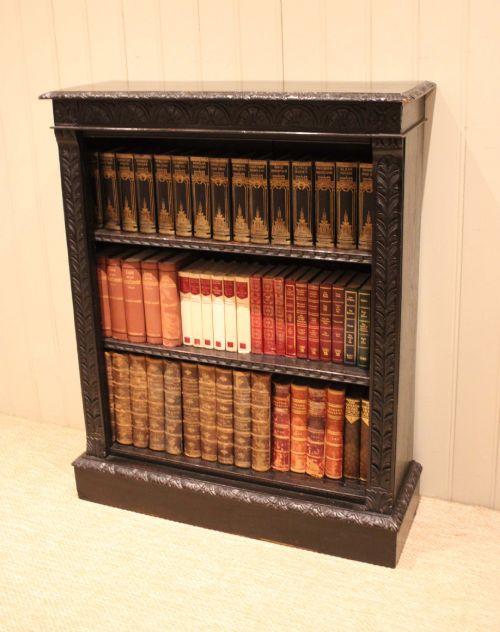
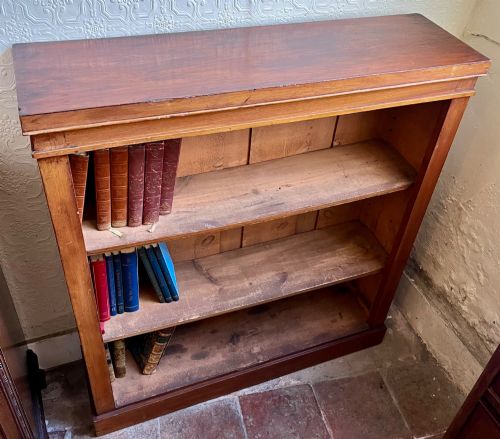
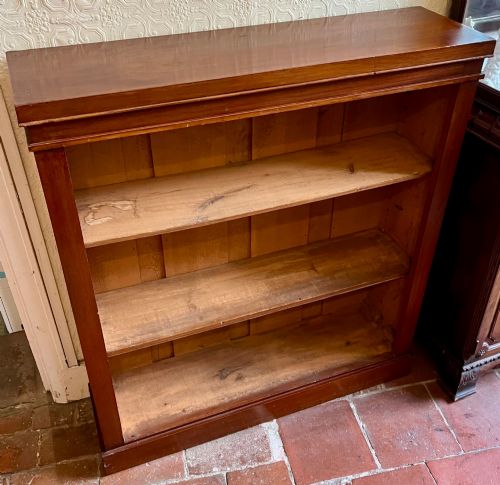
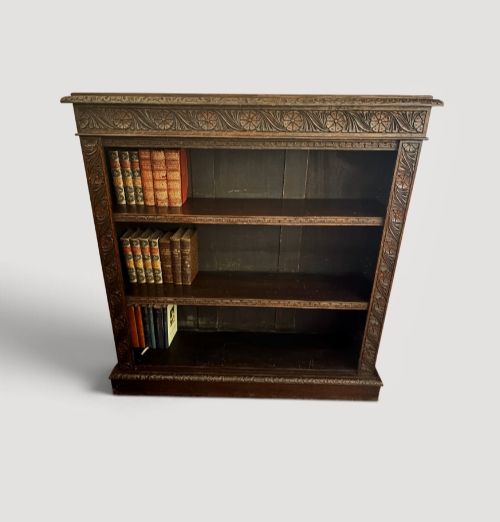
The pieces on this page appear most frequently as open bookcases constructed in timbers such as mahogany, oak, walnut, and pine. Variations include rustic country items, Gothic revival designs, and aesthetic movement examples with adjustable shelves.
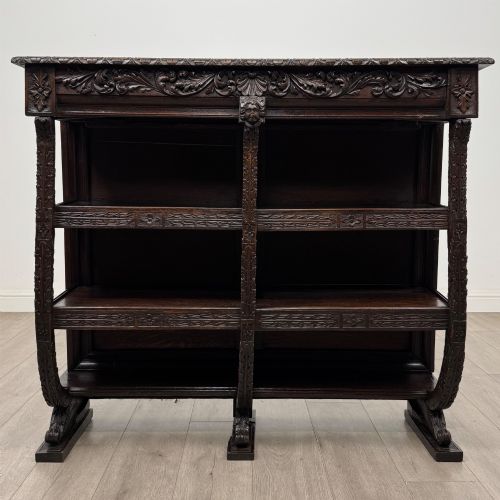
Makers shaped these low units for domestic libraries, parlours, and studies, often incorporating architectural mouldings, breakfront profiles, or carved details. Buyers find both compact bedside versions and larger library pieces suited to everyday organisation.
How they were made
Cabinet makers utilised dense hardwoods like mahogany, walnut, and rosewood, alongside softer timbers such as pine and oak. Timber selection dictated the character of the piece, with burr walnut and rosewood veneers adding figured grain patterns to formal designs.
Construction techniques combined solid wood carcases with tailored joinery, often integrating adjustable shelf mechanisms supported by brass pins or wooden tracks. Carved ornamentation, ebonised highlights, and brass fittings completed the physical structure of these units.
Victorian Low Shelf Unit Retail Price Guide 2026
Typical asking prices for victorian low shelf unit among the pieces listed under this phrase on Sellingantiques today, from the lower quarter to the upper quarter. They describe what is for sale here now, not the wider market.
Periods represented span the Victorian era, the William IV period, the Edwardian years, and the aesthetic movement.
What varies in quality
Quality rests upon the selection of timber and the precision of the cabinet work, particularly in the figuring of walnut veneers and the depth of oak or mahogany carving. Superior examples display refined proportions, balanced grain alignment, and intact original fixtures.
The sophistication of the joinery and the presence of specialised stylistic details, such as Gothic tracery or ebonised green man carvings, distinguish standard utility pieces from finer parlour furniture.
The Victorian Low Shelf Unit Glossary
- Open bookcase
- A shelving unit without doors, allowing direct access to books from the front. This form dominates the selection.
- Breakfront
- A cabinet design where the central section projects forward from the flanking wings. This creates architectural depth in larger library units.
- Dwarf bookcase
- A low shelving piece designed not to exceed the height of a picture rail or window sill. These items sit comfortably beneath wall art.
- Ebonised
- Wood treated with a dark stain or finish to imitate ebony. Cabinet makers applied this technique for dramatic contrast during the nineteenth century.
- Burr walnut
- Timber taken from the wart-like growth on a walnut tree, yielding complex, swirling grain patterns. It was sliced into veneers for high-status furniture.
Victorian Low Shelf Unit: Frequently Asked Questions
Where should I place a low shelf unit?
These units suit living rooms, studies, and bedrooms where wall space beneath windows permits low furniture. Their open fronts allow books and objects to remain within easy reach.
Because they lack doors, positioning them away from direct heat sources helps protect the timber and bindings from drying out over time.
Can I adjust the shelf heights?
Many nineteenth-century examples feature adjustable shelves supported by internal rack systems or brass studs. This flexibility accommodates volumes of varying heights.
Buyers should inspect the interior uprights to confirm whether the original adjustment mechanisms remain functional within the carcase.
How do I identify the timber?
Mahogany displays a reddish-brown tone with a straight or interlocking grain, while walnut offers darker brown shades with richer figuring. Oak presents a pronounced grain pattern with visible medullary rays.
Pine and other softer woods typically show lighter colouring and simpler grain structures, frequently found in rustic or country pieces.
What distinguishes Gothic revival pieces?
Gothic revival items incorporate architectural motifs inspired by medieval design, including pointed arches, quatrefoils, and heavy carved mouldings. These details reflect an interest in historical revivals.
Such units are usually constructed from solid oak and exhibit a heavier, more substantial presence than standard mahogany or walnut bookcases.