


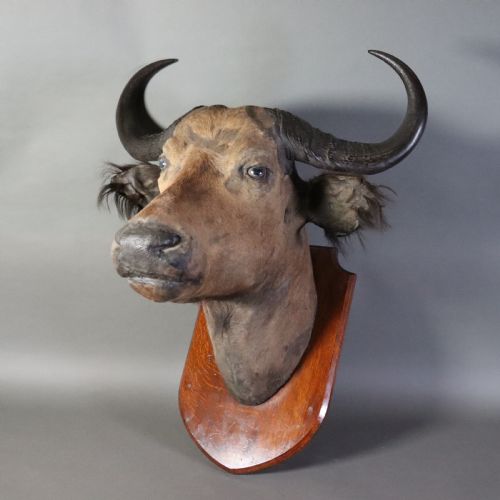


Victorian Wall Shield
These robust pieces bring centuries of heraldry and wildlife into a room, offering a commanding presence on any empty wall.
Victorian Wall Shield
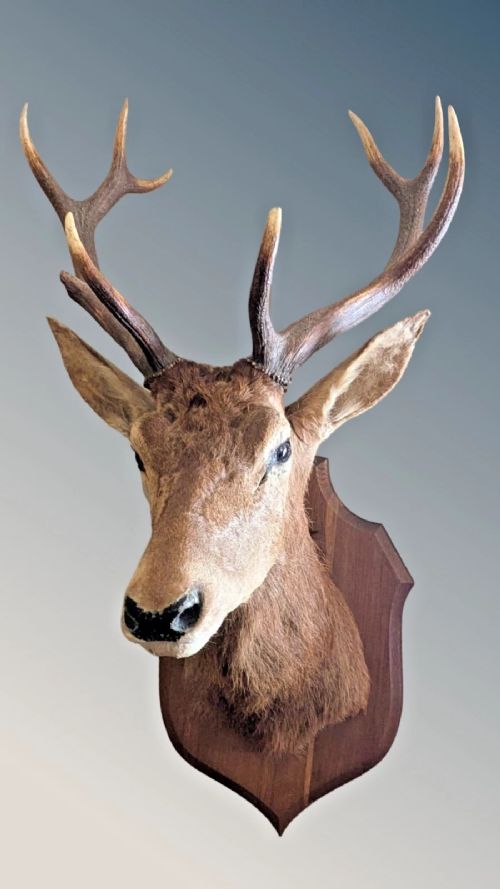
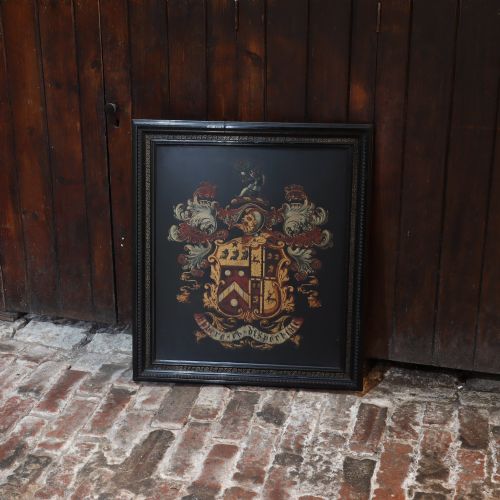
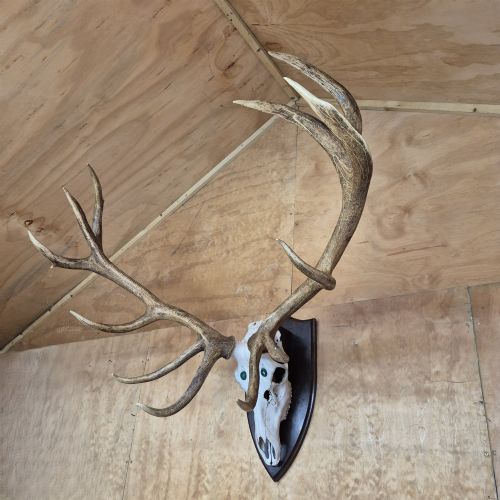
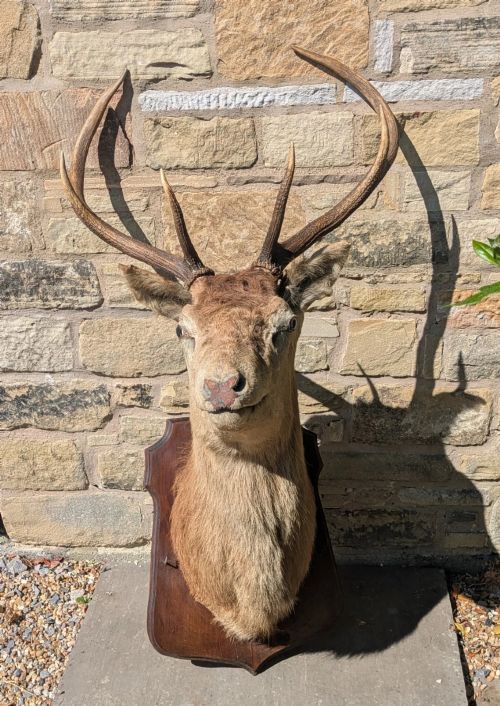
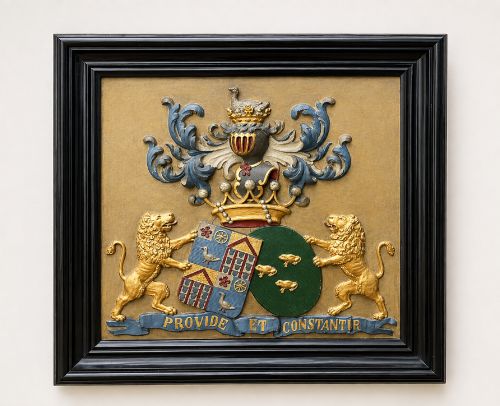
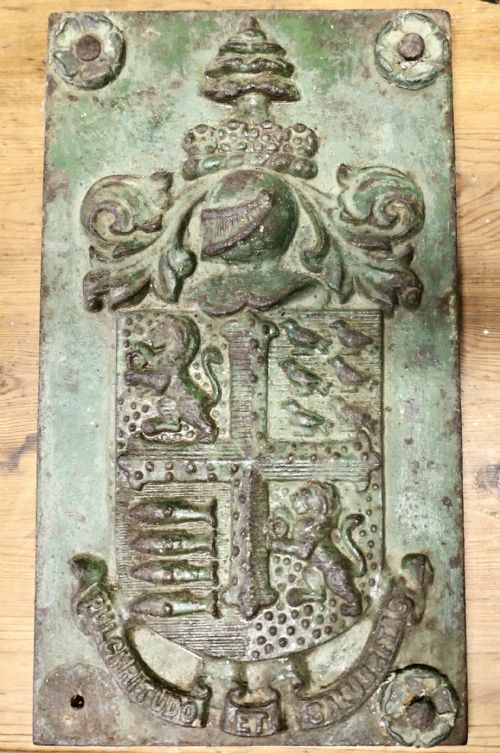
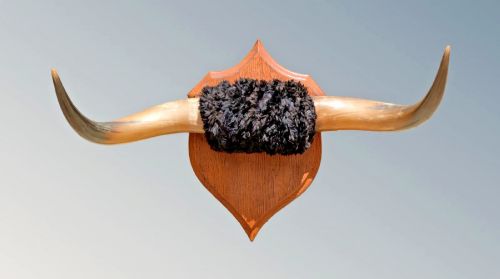
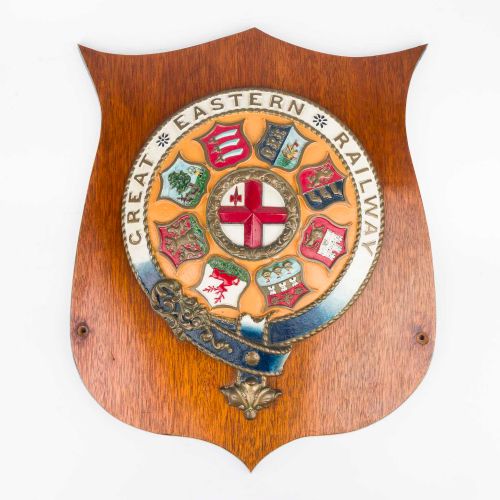
A victorian wall shield encompasses heavy cast iron armorial plaques, carved wooden crests, and taxidermy trophies mounted on wooden backs. The pieces on this page lean heavily towards two distinct traditions: heraldic displays bearing family coats of arms or railway crests, and taxidermy mounts featuring deer antlers, antelope horns, and animal heads.
The dates span the nineteenth century into the Edwardian era, with workshops producing carved oak heraldic lion shields alongside painted plaster armorial panels. Alongside these heraldic items, taxidermy mounts set upon carved wooden shields appear frequently, representing the Victorian and Edwardian passion for natural history and hunting trophies.
Mirrors shaped like shields also emerge within these listings, formed from walnut, mahogany, or giltwood with glass plates. Whether cast in solid iron or carved from tiger oak, each object serves to anchor a room's decorative scheme with historical weight.
Materials and Construction
Makers utilised seasoned oak, walnut, and cast iron to provide sturdy backings and relief plaques, often pairing these woods with brass frames or horn, bone, and antler elements. Taxidermy mounts required careful preservation of animal hides and horns, which were then bolted securely onto carved wooden shields.
Metal components involved casting iron for heavy armorial plaques, alongside repousse work in thin sheet metal and silver-plating on specialty items like lawn bowling plaques. Paint and gesso finishes added colour and detail to plaster armorial panels and wooden frames.
Victorian Wall Shield Retail Price Guide 2026
Typical asking prices for victorian wall shield among the pieces listed under this phrase on Sellingantiques today, from the lower quarter to the upper quarter. They describe what is for sale here now, not the wider market.
Huntsmen ensured their favourite hounds achieved domestic immortality by having their masks mounted on wooden shields for the parlour wall.
Craftsmanship and Distinction
Quality rests in the crispness of the carving and the fidelity of the casting, where sharper relief work on iron armorials and deeper chisel marks on tiger oak heraldic lions distinguish superior pieces from softer, coarser productions. Taxidermy varies according to the skill of the taxidermist, with renowned firms achieving lifelike forms that endure far better than anonymous commercial work.
The choice of materials dictates the baseline quality, as solid oak shields and substantial bronze or brass fittings outlast thin plaster mouldings and fragile veneers. Proportion and balance also matter significantly, ensuring that mounted horns or carved crests command the wall harmoniously rather than appearing awkward or disproportionate.
Peter Spicer and Sons·Gerrard and Sons London·Edward Gerrard and Sons
The Victorian Wall Shield Glossary
- Armorial
- Relating to heraldry or coat armour. These panels display official family or institutional crests.
- Repousse
- Metalwork hammered into relief from the reverse side. This technique creates three-dimensional designs on thin sheets of metal.
- Taxidermy
- The art of preserving and mounting animal skins. Victorian examples often include deer heads and horns mounted on wooden shields.
- Gesso
- A plaster-like mixture used as a base for painting or gilding. It provides a smooth surface on wooden mirror frames.
- Cartouche
- An oval or oblong sculptural frame or tablet. These often bear inscriptions or coats of arms.
Victorian Wall Shield: Frequently Asked Questions
What is the difference between taxidermy shields and heraldic shields?
Heraldic shields display coats of arms, family crests, or institutional badges carved in wood, cast in iron, or painted on plaster. They reflect lineage and civic pride.
Taxidermy shields combine animal horns, antlers, or mounted heads with wooden backboards, celebrating natural history and nineteenth-century sporting traditions.
How do I care for antique taxidermy mounts?
Keep taxidermy mounts out of direct sunlight to prevent the hair, horns, and wooden shields from fading or drying out over time. Gentle dusting with a soft brush helps maintain the condition.
Maintain stable room temperatures and avoid humid environments to protect the organic materials from deterioration.
Are these pieces strictly Victorian?
While many items date from the nineteenth century and the Victorian era, the selection also includes Edwardian pieces and early twentieth-century examples up to the 1930s. Styles such as Gothic Revival and Highland Traditional persisted across these decades.
Check the specific period details in each listing to confirm the exact era of manufacture.