





Victorian Wall Rack Shelves
These Victorian wall rack shelves combine practical storage with timber display, bringing sensible nineteenth-century utility to modern rooms.
Victorian Wall Rack Shelves
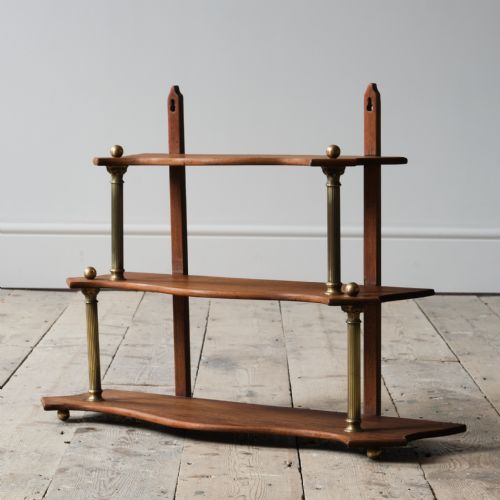
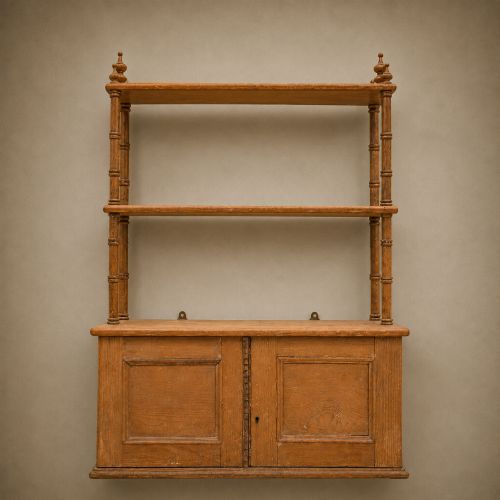
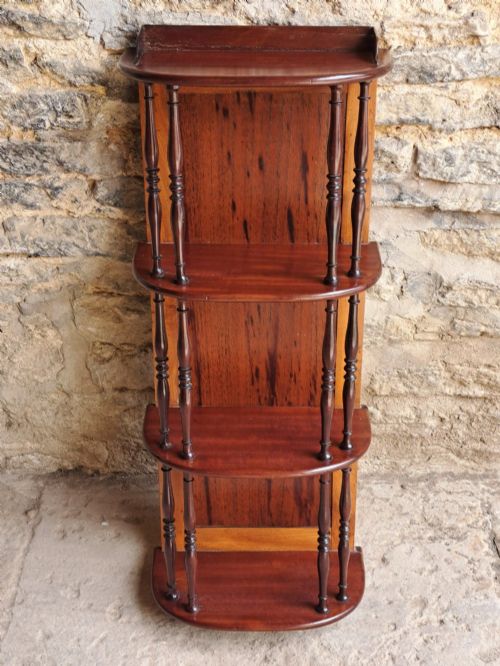
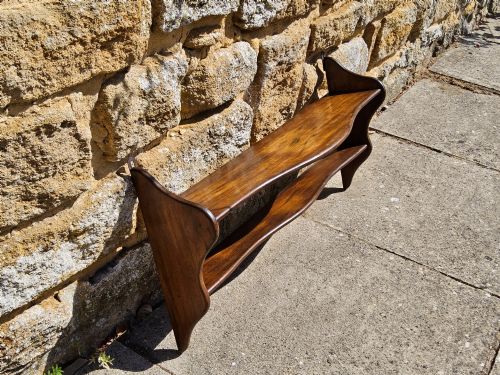
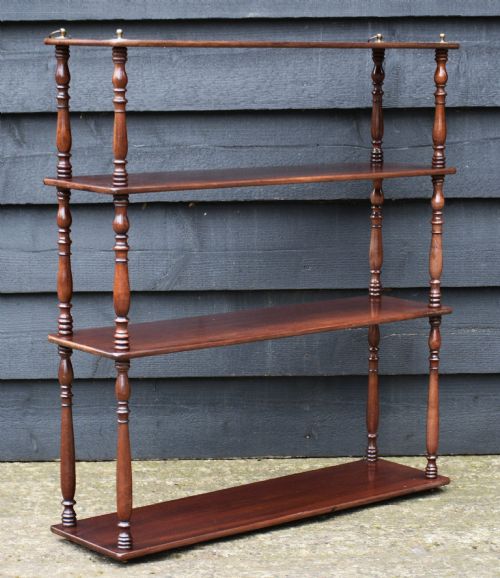
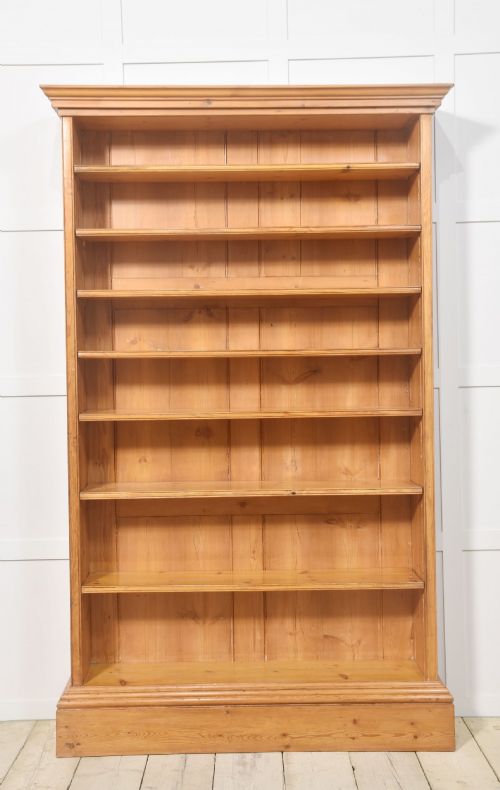
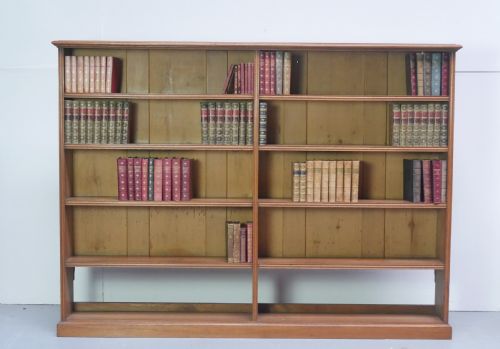
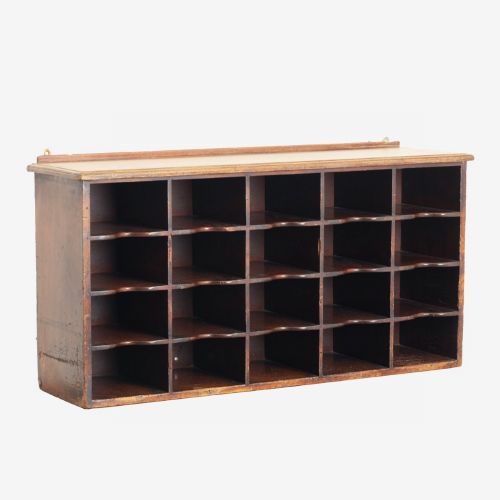
Victorian wall rack shelves are hanging timber units designed to keep books, plates, and small ornaments off the floor while mounting directly to plaster walls. You will frequently find them rendered in rich mahogany or sturdy pine, often arranged in multi-tiered formats or fitted with small cupboards and pigeon holes.
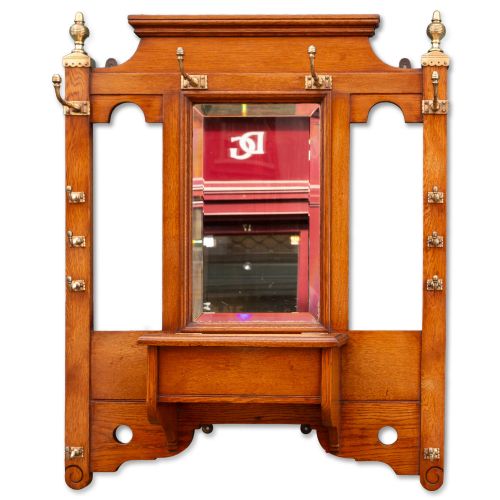
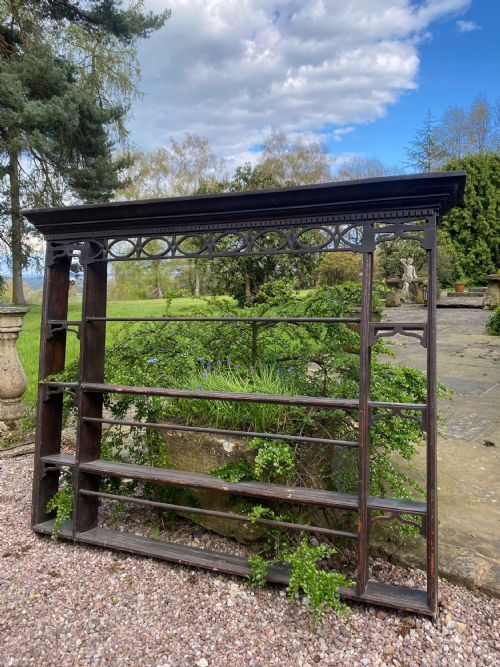
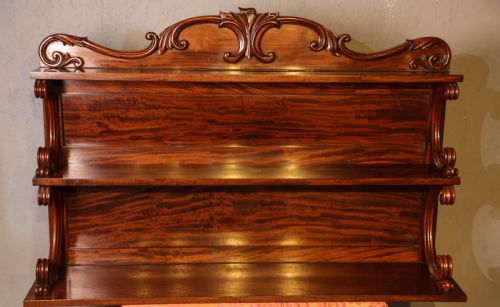
The selection ranges from simple open kitchen and delft racks to elaborate Gothic revival display pieces and French waterfall designs. Many pieces incorporate brass galleries, hooks for coats, or mirrored panels, reflecting the varied domestic tasks these wall-mounted units performed.
While most examples date firmly from the nineteenth century, you will also encounter earlier eighteenth-century oak formats and turn-of-the-century variations in cherry, walnut, and satin birch. The unifying element is their wall-hanging construction, which saves floor space while organising daily household belongings.
How they were made
Cabinetmakers built these shelves using traditional hardwoods like mahogany, oak, walnut, and cherry alongside utilitarian pine and ebonised wood. Timber selection dictated whether a piece received a polished cabinet finish or a simpler painted surface suited to domestic utility.
Construction relied on precise joinery, often enhanced by decorative fretwork, carved details, and applied mouldings in styles ranging from Chippendale revival to Victorian Gothic. Brass fixtures, including protective galleries, hanging brackets, and coat hooks, were integrated to provide both structural support and visual contrast.
Specialised variations incorporated turned horn, linden wood, or mirrored glass plates, particularly in coat racks and portmanteaus. These mixed-media elements required expert assembly to secure heavy items safely to vertical surfaces.
Object forms span simple open bookcases and kitchen plate racks to specialised desktop pigeon holes and mirrored portmanteaus.
What varies in quality
Quality separates standard utilitarian storage from pieces designed as formal parlour furniture by the depth of timber selection and the crispness of surface carving. Superior examples display carefully matched grain patterns in mahogany, walnut, or golden oak rather than plain, knot-heavy secondary timbers.
The refinement of the supporting structure dictates the tier of craftsmanship, visible in hand-cut joinery, delicate fretwork, and substantial brass galleries rather than simple nailed or screwed joints. Original fittings, such as untouched brass hooks and unblemished mirror plates, elevate the integrity of a hanging shelf.
Proportion and balance also define the upper range, where cornices, shelves, and side supports relate harmoniously without appearing heavy-handed or clumsy. Finer pieces maintain structural rigidity over time, supporting the weight of books or ceramics without sagging at the wall fixings.
The Victorian Wall Rack Shelves Glossary
- Portmanteau
- A combined wall-mounted rack featuring hooks for coats and hats, often incorporating mirrors, umbrella stands, or small display shelves. These multifunctional pieces were typically placed in entrance halls.
- Pigeon holes
- A grid of small, open compartments designed for sorting papers, letters, or small objects. They appear in desk organisers and wall-mounted storage units.
- Brass gallery
- A low protective metal rail fitted around the edge of a shelf to stop items from sliding off. This feature is particularly common on ship's shelves and display units.
- Waterfall shelves
- A set of graduated shelves where each tier steps back from the one below it, creating a cascading profile. This style gained popularity during the nineteenth century for displaying small ornaments.
- Fretwork
- Thin wood pierced with ornamental patterns using a fretsaw. It is frequently seen on decorative brackets and plate racks of the period.
Victorian Wall Rack Shelves: Frequently Asked Questions
How were wall shelves fixed safely?
These pieces use integrated hanging loops, brackets, or direct screw fixings through the backboards to bear weight securely against lath and plaster.
Because nineteenth-century walls differed from modern plasterboard, checking the internal framing or locating wall studs ensures the timber supports heavy books or ceramics without pulling loose.
What rooms suit these hanging shelves?
Compact wall units fit narrow hallways, kitchens, and studies where floor space is limited, serving as practical storage for everyday items.
Kitchens suit open pine and delft racks for plates, while living spaces and bedrooms take mahogany and walnut display shelves for books and ornaments.
How do I spot a Gothic revival piece?
Victorian Gothic examples feature pointed arches, cusping, heavy oak or beech timbers, and deep architectural mouldings that mimic ecclesiastical stone architecture.
These decorative elements give the shelves a solemn, robust character distinct from the lighter, curving lines of French walnut or Chippendale-style pieces.
Are coat racks different from wall shelves?
Coat racks incorporate sturdy brass or metal pegs designed for hanging garments, hats, and portmanteaus, whereas standard wall shelves prioritise flat surfaces for display.
Many nineteenth-century examples combine both functions, pairing a top display shelf with a row of hanging hooks underneath.