




Victorian Wall Hanging Unit
These Victorian wall hanging unit pieces bring practical display and storage to vertical spaces with period character.
Victorian Wall Hanging Unit
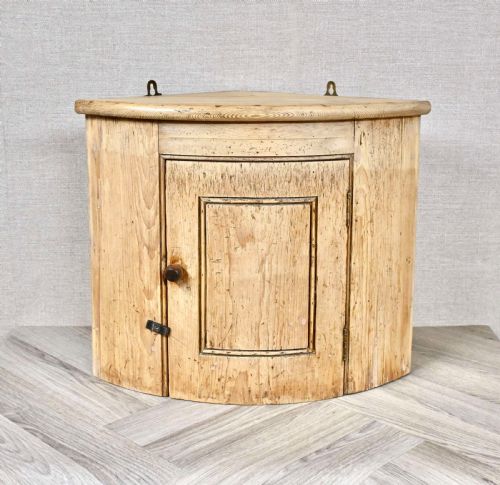
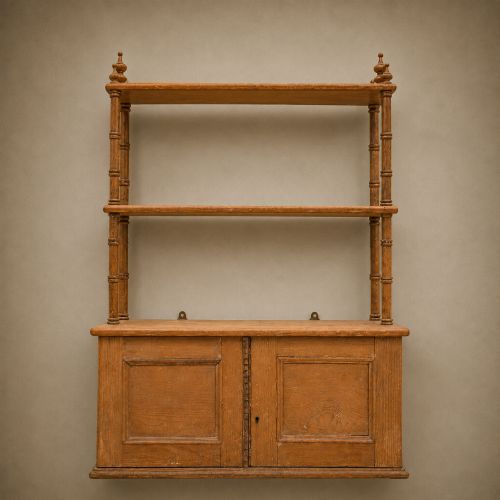
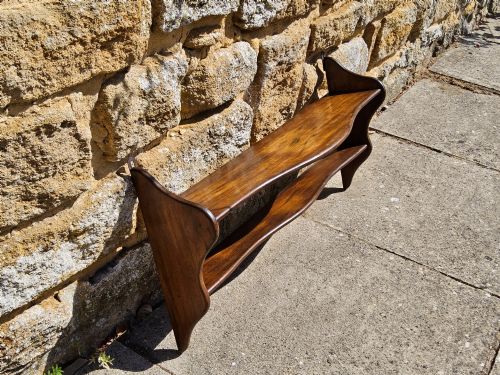
A victorian wall hanging unit combines display shelves and storage cabinets to save floor space while offering period charm. You will find various forms here, including open hanging shelves, corner cupboards, and wall cabinets.
Most pieces date from the nineteenth century, spanning Victorian, Regency, and Edwardian periods. Woods such as mahogany, walnut, oak, and pine dominate the selection, often shaped into corner shelves or bow front cabinets.
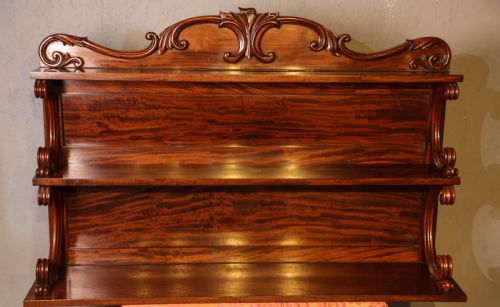
The selection ranges from rustic farmhouse pine to refined mahogany bookcase display shelves. Pieces originate from different regional traditions, including English country workshops and French provincial makers.
Materials and construction
Cabinet makers utilised solid hardwoods and softwoods like walnut, mahogany, oak, pine, and cherry wood. Joinery methods relied on traditional dovetails and fitted panels to support weight on walls.
Surface decoration involved wood carving, delicate inlay work, and painted finishes. Glass panels appeared in doors for display cabinets, while brass fittings provided hinges and hanging brackets.
The listings feature wood types including mahogany, oak, walnut, pine, satin birch, limewood, cherry wood, and olive wood.
Judging quality and craft
Quality rests on the choice of timber and the precision of the joinery. Fine examples show careful timber selection, such as figured mahogany or matched walnut veneers.
Decorative elements distinguish standard storage from superior pieces. Crisp hand carving, intricate Sorrento inlay, and well-fitted doors indicate higher workshop standards.
The Victorian Wall Hanging Unit Glossary
- Bow front
- A convex curved cabinet front that projects outward. This shape softens the corners of a room.
- Corner cupboard
- A triangular storage unit designed to fit neatly into a room angle. These maximise unused space.
- Whatnot
- An open multi-tiered set of shelves used for displaying ornaments and books. They gained popularity during the nineteenth century.
- Inlay
- Pieces of contrasting wood or other materials fitted into a recessed surface to form a design. Sorrento work is a well-known regional style.
- Dovetail
- An interlocking joint formed by interlocking wedge-shaped fingers. This method provides strong corner construction for drawers and carcases.
Victorian Wall Hanging Unit: Frequently Asked Questions
How do I hang a heavy wall cabinet safely?
Heavy nineteenth-century cabinets require secure fixing into solid masonry walls or direct attachment to timber wall studs. Professional installation ensures the weight of wood and contents is supported properly.
Check the original hanging brackets on the back of the unit before mounting. Additional internal reinforcement may be necessary for safety.
What is the difference between wall shelves and a wall cabinet?
Wall shelves are open structures designed for displaying books and ornaments without doors. They offer easy access to items stored upon them.
Wall cabinets feature enclosed doors, sometimes glazed, to protect contents from dust. Many nineteenth-century designs combine both open shelving and a closed cupboard.
Where should I place a corner cupboard?
Corner cupboards fit into unused room angles to provide storage without blocking floor space. They work well in dining rooms, hallways, or sitting rooms.
Matching the wood tone of the cupboard to existing furniture helps the piece integrate into the room.
How do I care for antique wood surfaces?
Maintain the timber by applying natural beeswax periodically to nourish the grain. Avoid placing wooden units in direct sunlight or near heat sources to prevent warping.
Dust regularly with a dry cloth and clean spills immediately to protect the antique finish.