


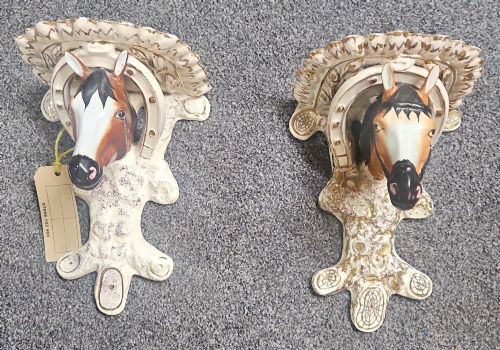


Victorian Wall Bracket Shelf
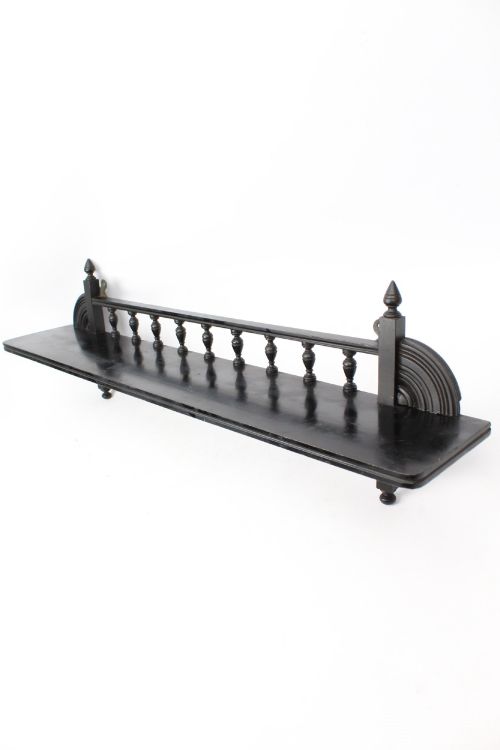
A victorian wall bracket shelf brings architectural display space to a room, holding small ornaments or clocks against the panelling.
Victorian Wall Bracket Shelf
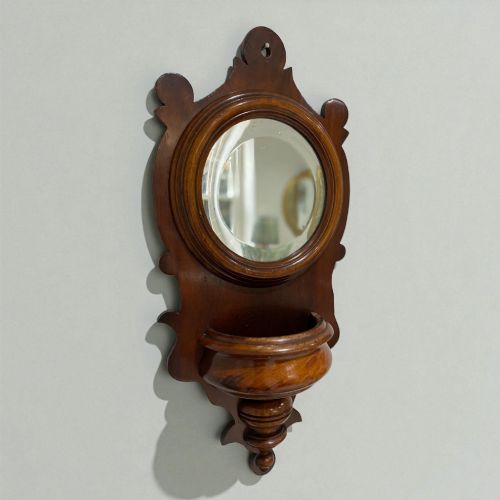
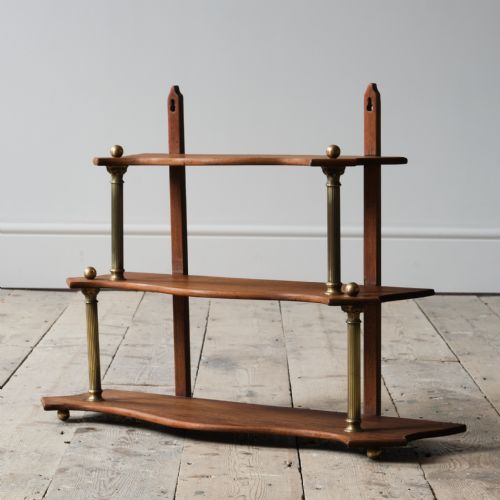
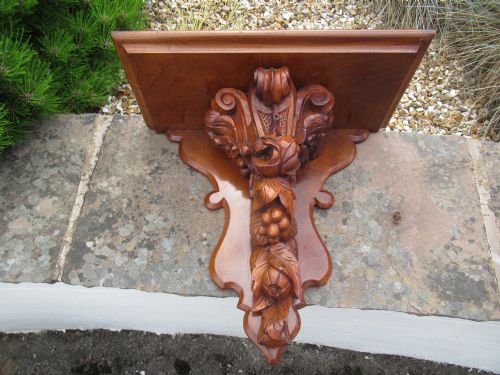
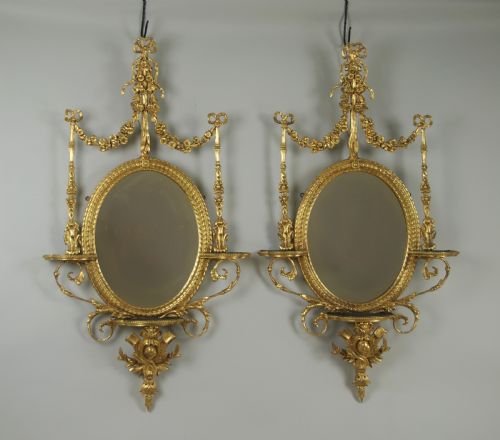
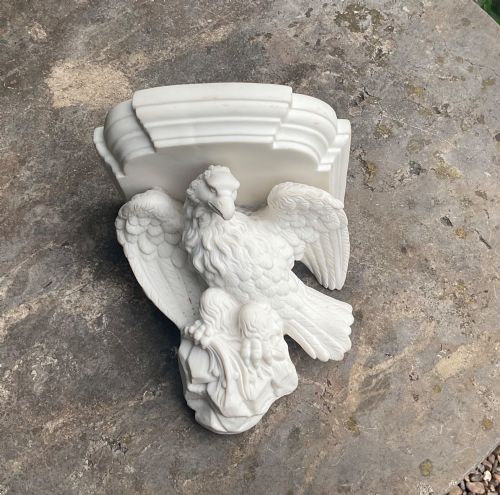
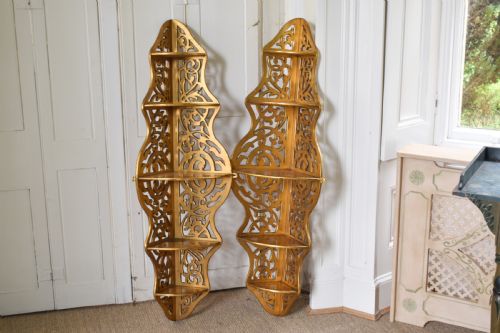
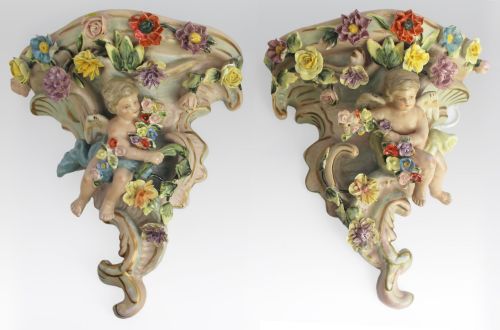
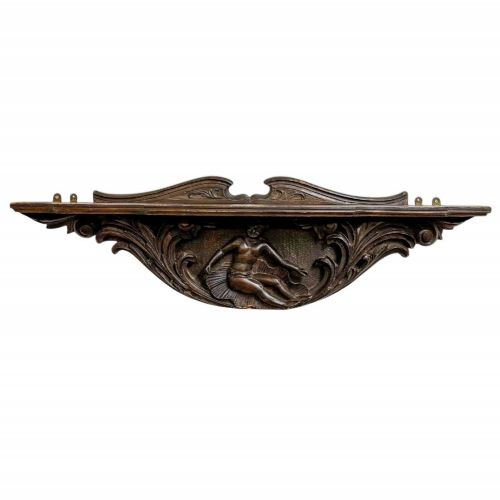
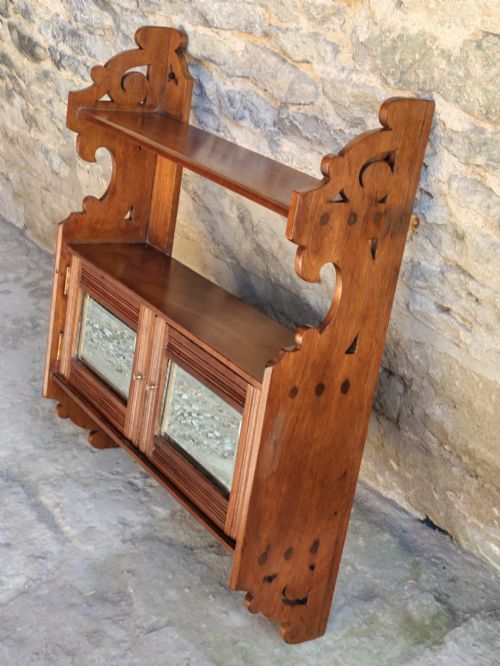
A victorian wall bracket shelf appears in various configurations, from single carved ledges to corner shelves and hanging cabinets designed for display. These pieces originate across the nineteenth century, with specific examples spanning from the eighteen-sixties through to nineteen-ten.
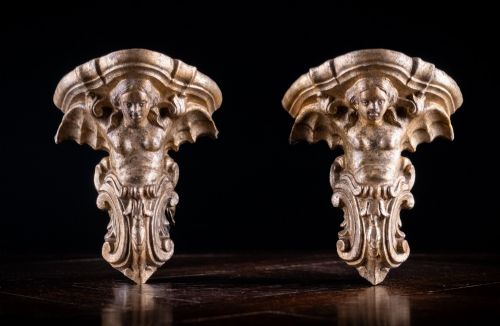
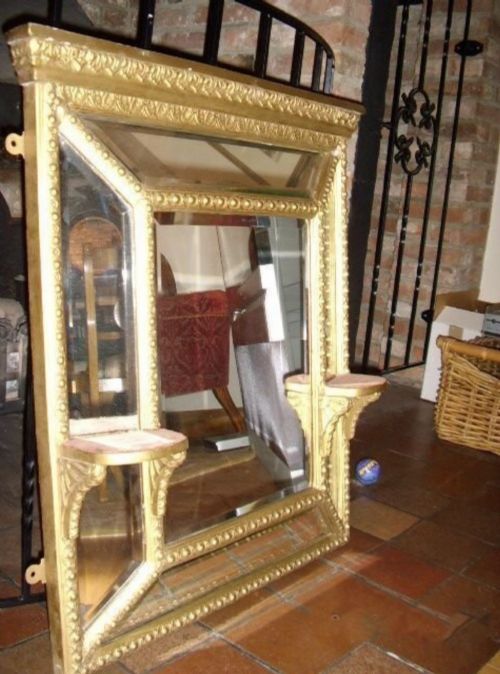
The selection includes paired corbels, mirrored wall shelves, and specialised mounts intended for clocks or pottery. Makers utilised diverse stylistic influences, ranging from Rococo Revival and Gothic to Anglo-Indian and French Chateau designs.
Craftsmanship and Proportion
The distinction between ordinary and superior pieces rests on the crispness of the hand-carving and the depth of the timber moulding. Finer examples display meticulous attention to detail in foliage, figures, or geometric inlay.
Structural integrity and the preservation of original gilt or surface finishes determine the standing of a bracket. Pieces retaining their original mirrors, brackets, or matching pairs command greater architectural cohesion.
Victorian Wall Bracket Shelf Retail Price Guide 2026
Typical asking prices for victorian wall bracket shelf among the pieces listed under this phrase on Sellingantiques today, from the lower quarter to the upper quarter. They describe what is for sale here now, not the wider market.
Materials in the records span mahogany, walnut, rosewood, oak, pine, giltwood, brass, cast iron, porcelain, and terracotta.
The Victorian Wall Bracket Shelf Glossary
- Corbel
- A projecting bracket of stone, wood, or metal supporting a weight above it. These often feature elaborate carvings of fruit, foliage, or figures.
- Giltwood
- Wood that has been treated with gold leaf or a gold-coloured finish. This technique highlights carved details on decorative display shelves.
- Ormolu
- Gilded bronze or brass applied as a mount or decorative accent on furniture and ceramics. It provides a bright metallic contrast to dark woods.
- Gesso
- A plaster mixture applied to wood as a base for painting or gilding. It allows for sharp, moulded relief ornamentations on wall brackets.
- Pier Glass
- A large vertical mirror designed to hang on the wall between windows. Some incorporate integrated display shelves or brackets at the base.
Victorian Wall Bracket Shelf: Frequently Asked Questions
What were wall bracket shelves used for?
These shelves provided compact display surfaces for small decorative objects, porcelain figures, or mantel clocks in nineteenth-century interiors. They maximised vertical wall space without requiring floor-standing furniture.
They also served as structural supports for heavy timepieces or architectural ornaments, combining utility with decorative display.
How do I hang a heavy wooden bracket safely?
Heavy wooden brackets require secure fixing into wall studs or solid masonry using appropriate wall anchors. The mounting points must bear the combined weight of the shelf and the object displayed upon it.
Consulting a professional installer ensures the structural integrity of the wall and the safety of the antique piece.
Are these shelves usually found in pairs?
While many wall brackets and corner shelves survive as single items, numerous examples appear in matched pairs. Pairs were typically manufactured to flank a mirror, doorway, or window.
Matching sets hold particular appeal for symmetrical interior arrangements.
How do I distinguish walnut from mahogany?
Walnut typically exhibits a rich brown colour with prominent, swirling dark grain patterns and occasional lighter figuring. Mahogany tends to display a straighter, red-brown grain that deepens in tone with age.
Both timbers were favoured by nineteenth-century makers for their durability and response to fine carving.