

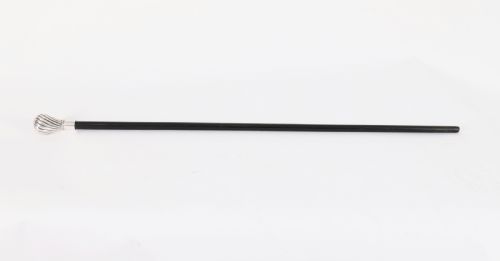


Victorian Walking Stick Top
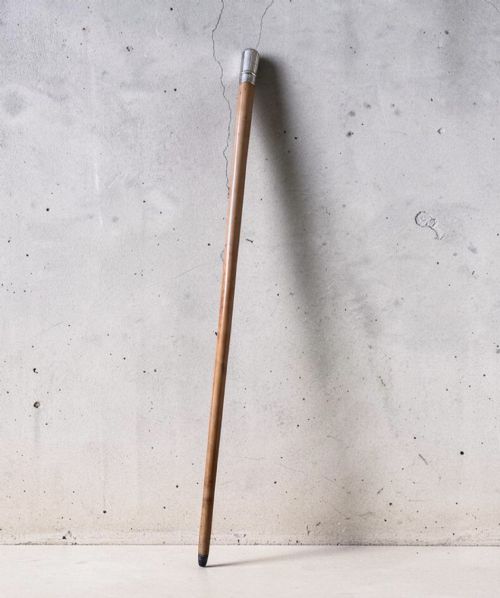
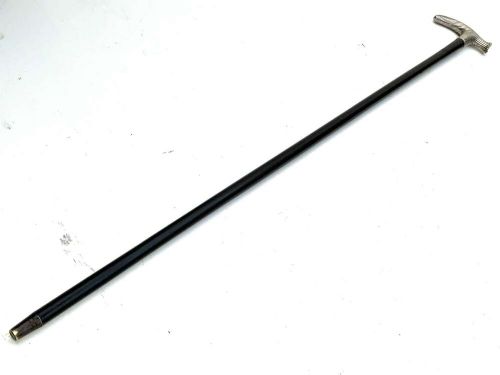
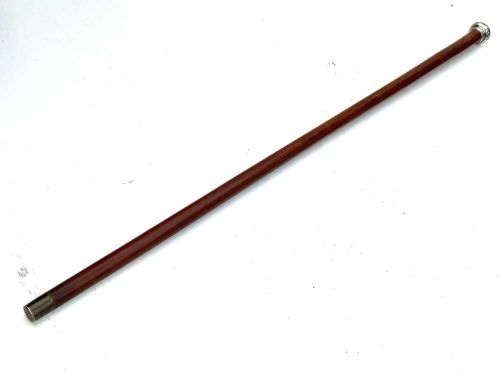
A victorian walking stick top offers a glimpse into nineteenth-century personal carriage, pairing functional support with intricate metalwork or carved detail.
Victorian Walking Stick Top
A victorian walking stick top sits at the head of a cane, functioning as a handle or pommel for daily carriage and support. When you search for a victorian walking stick top, you encounter handles fashioned from silver, gold, brass, and carved wood.
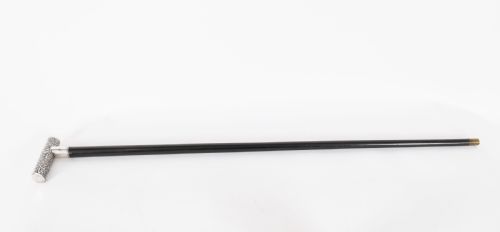
The selections span from simple ebonized shafts with modest mounts to elaborate Chinese export silver, British military pieces, and French nineteenth-century designs. Many examples integrate practical elements such as concealed blades or specialised handles.
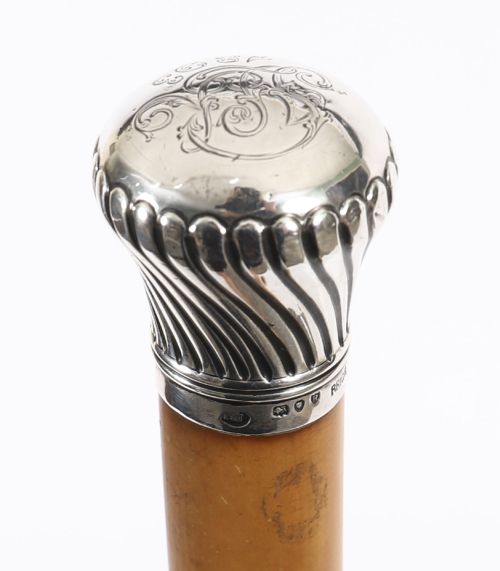
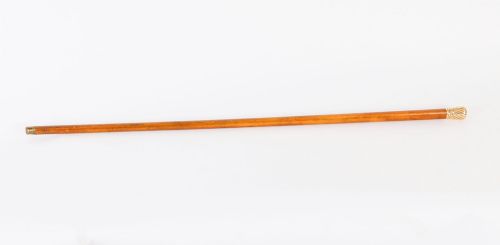
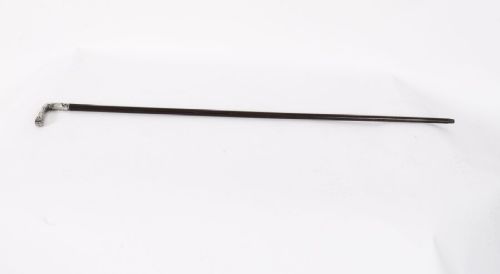
The most common formats on this page reflect the broader Victorian and Edwardian penchant for gentlemanly accessories, featuring sterling silver repoussé work, carved fruitwood, and horn pommels mounted on malacca or palm wood shafts.
Materials and construction
Craftsmen shaped these items using precious and base metals alongside dense timbers. Silver and silver plate appear frequently as repoussé knops or cast pommels, while gold provides high-status detailing.
Shafts and handles rely on durable materials including malacca, rosewood, oak, palm wood, and ebonised wood. Horn, antler, and fruitwood are carved directly to form grips, clenched fists, and animal heads.
Metal components often bear hallmarks indicating assay offices and production dates, particularly London hallmarks from the late nineteenth century. Internal mechanisms support functional additions like sword sticks and corkscrews.
Victorian Walking Stick Top Retail Price Guide 2026
Typical asking prices for victorian walking stick top among the pieces listed under this phrase on Sellingantiques today, from the lower quarter to the upper quarter. They describe what is for sale here now, not the wider market.
Some walking sticks double as secret timepieces, featuring functional watches embedded directly into the pommel.
Factors of quality
The distinction between standard utility items and exceptional pieces rests upon the depth of the metalwork and the precision of the carving. Fine repoussé handles display crisp relief without thinning of the silver.
Material selection dictates much of the original value, separating solid eighteen-carat gold and sterling silver mounts from silver plate and base metals. The choice of shaft timber, such as malacca or rosewood, similarly elevates the piece.
Artistic execution in carved elements, such as detailed fruitwood fists or cast boar heads, marks superior workshops. Maker marks from established silversmiths provide further indication of high-tier production.
Thomas Johnson·Briggs·Wang Hing And Company
The Victorian Walking Stick Top Glossary
- Pommel
- The rounded knob or handle at the top of a cane. This serves as the primary grip for the user.
- Knop
- A decorative rounded knob or protuberance on a stick handle. Repoussé knops display hammered designs in relief.
- Repoussé
- A metalworking technique where the artisan hammers the metal from the reverse side to form a raised design. This creates ornate surface decoration on silver handles.
- Ebonised
- Wood treated to resemble ebony through staining or painting. This finish provides a uniform black appearance on walking stick shafts.
- Malacca
- A slender rattan cane imported from Southeast Asia. It is prized for its strength and mottled brown finish.
Victorian Walking Stick Top: Frequently Asked Questions
How do I date a silver top?
Silver tops often carry hallmarks stamped directly onto the metal surface. These assay marks reveal the year of manufacture and the city of origin.
Items lacking hallmarks are dated by style, construction methods, and associated materials typical of the nineteenth century.
Were all these sticks used as weapons?
Many walking sticks contained concealed sword blades or daggers for personal protection. Officers and gentlemen carried them as part of standard daily attire.
Other sticks served purely for support or fashion, featuring decorative pommels without internal blades.
What woods are used for shafts?
Shafts employ dense and flexible timbers chosen for durability. Common materials include malacca, rosewood, oak, palm wood, and ebonised hardwood.
Each timber offers distinct weight and resilience, influencing the balance of the stick.
How do I care for silver handles?
Silver handles benefit from gentle cleaning with a soft cloth to maintain the metal finish. Avoid harsh chemical dips that strip away natural patination.
Store the sticks in stable environments away from excessive moisture to protect both the metal top and the wooden shaft.