

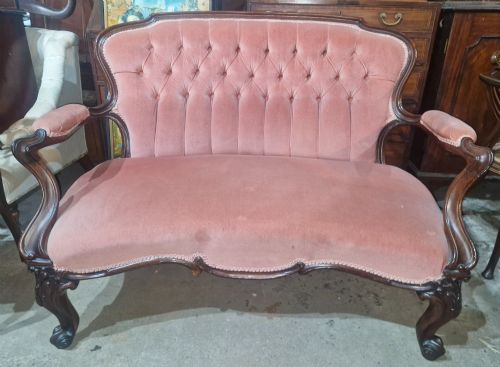
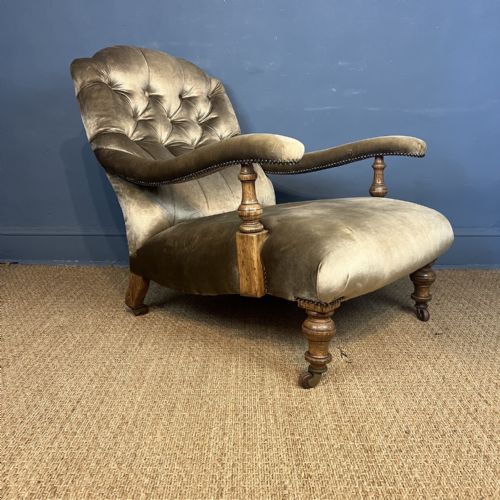
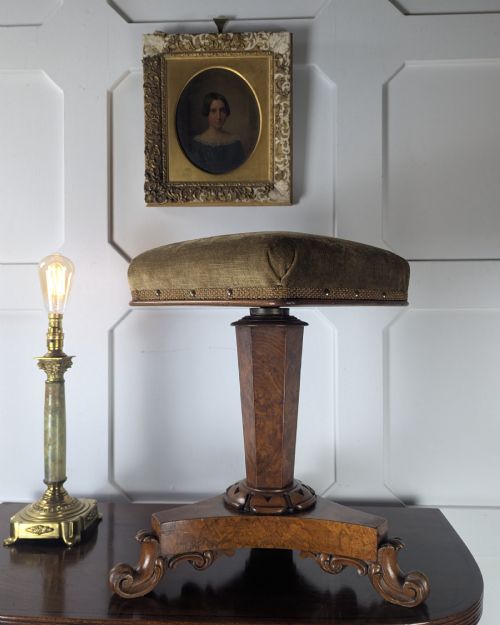
Victorian Velvet Seating
Victorian velvet seating brings tactile warmth and deep period character to a room through richly upholstered armchairs, chairs and benches.
Victorian Velvet Seating
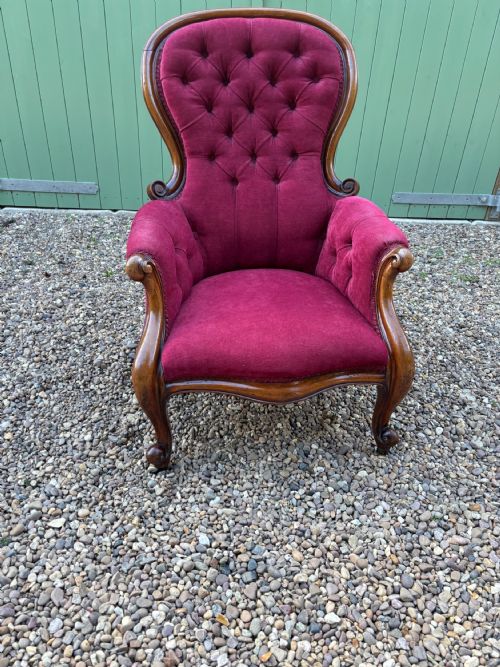
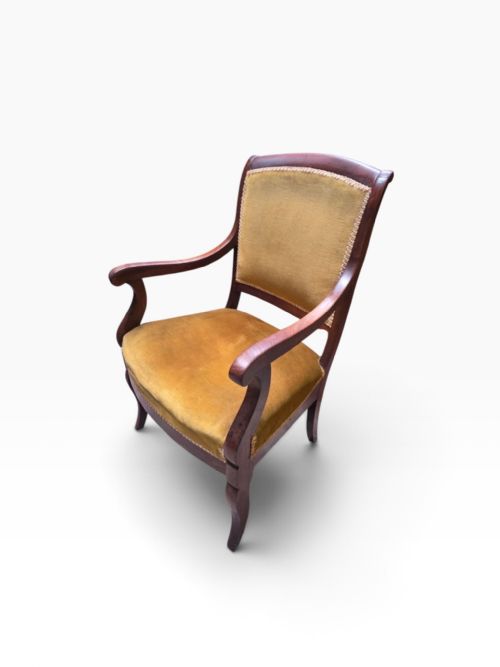
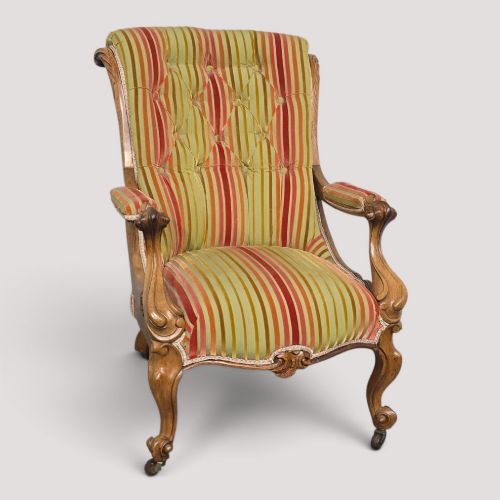
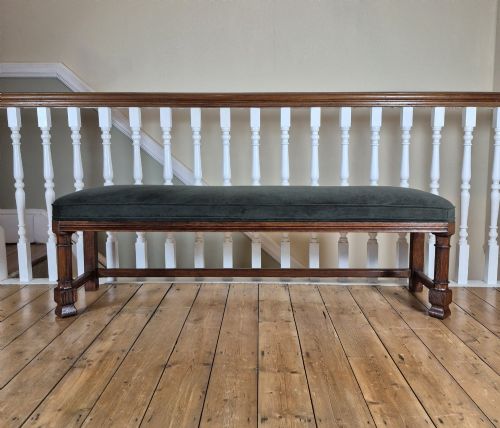
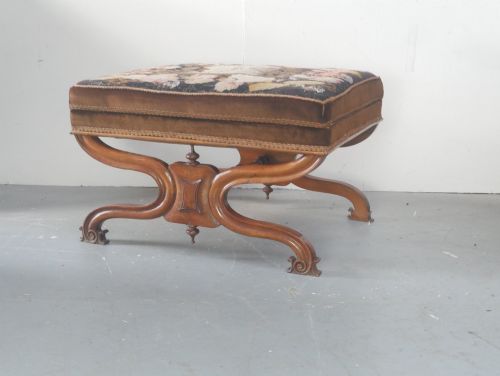
Victorian velvet seating encompasses a wide variety of domestic furniture designed for comfort and display, including armchairs, nursing chairs, dining chairs, stools, and benches. These pieces originate predominantly from the nineteenth century, spanning periods from Regency and Victorian eras into Edwardian times.
Materials and Construction
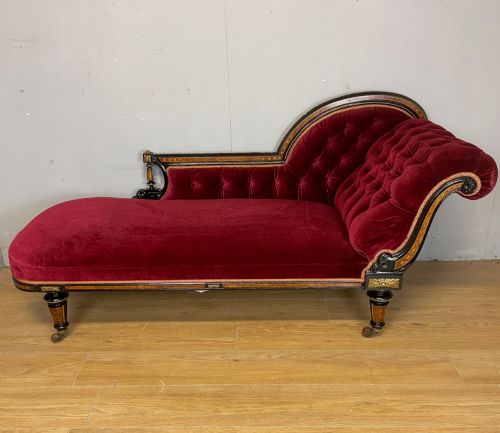
Frames are constructed from solid timbers such as mahogany, walnut, oak, rosewood, and ebonised wood, occasionally enhanced with brass framing, ormolu decoration, or inlaid walnut panels. These structural woods provide the necessary durability to support centuries of daily use and intricate carved detailing.
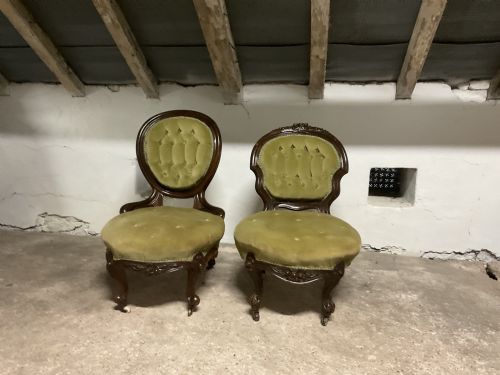
Upholstery utilises soft velvet alongside alternative textiles like chenille twill, paired with traditional stuffing and button-back techniques to create cushioned surfaces. Metal components such as brass appear in specific functional pieces like club fenders and harpists' seats.
Listings feature woods including walnut, mahogany, oak, rosewood, and ebonised wood across Victorian, Edwardian, and Regency periods.
Craftsmanship and Distinction
Quality in Victorian velvet seating is defined by the depth of carved detail on the wooden frame and the integrity of the timber selection, such as figured walnut or solid mahogany. Pieces bearing maker stamps or originating from notable workshops demonstrate superior craftsmanship that elevates them above standard domestic output.
The sophistication of the upholstery work, including precise button-backing and the preservation of original fabric or sympathetic recovering, separates standard utilitarian items from exceptional salon suites and library armchairs.
Strahan·Hampton and Sons·James Shoolbred·Gillows
The Victorian Velvet Seating Glossary
- Ebonised wood
- Timber treated to resemble ebony through a dark staining or painting process. This finish was frequently utilised on nineteenth-century frames to create a dramatic, contrasting backdrop for bright upholstery.
- Nursing chair
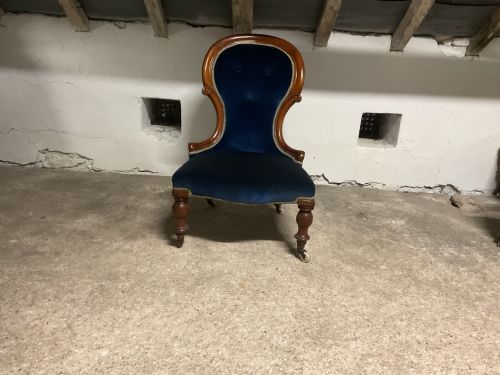
- A low-seated upholstered chair designed originally to assist mothers with infant care. These pieces typically feature a padded back and seat without arms to allow comfortable movement.
- Ormolu
- Gilt bronze ornamentation applied to furniture frames. This decorative technique adds metallic lustre and neoclassical or Napoleon III flair to wooden surfaces.
- Balloon back
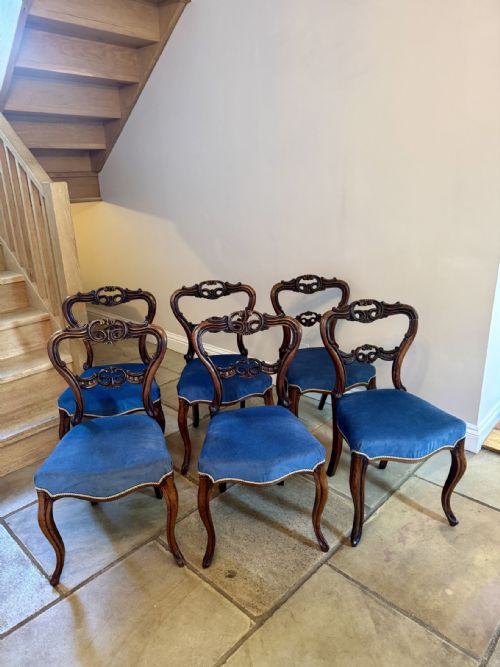
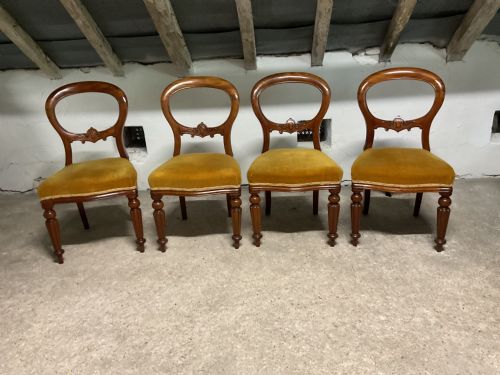
- A rounded, oval-shaped chair back resembling the profile of a hot air balloon. This silhouette is characteristic of mid-nineteenth-century dining and occasional chairs.
- Bergere
- An enclosed upholstered armchair with wooden framing and cane or upholstered side panels. These seats offer substantial comfort and refined proportions.
Victorian Velvet Seating: Frequently Asked Questions
How do I identify Victorian velvet seating?
Examine the timber frame for period characteristics such as mahogany or walnut construction, carved scrollwork, and styles ranging from Gothic Revival to Aesthetic Movement. The presence of dense velvet upholstery combined with nineteenth-century joinery methods confirms the era.
Check for maker stamps on the wood or webbing, and assess the overall silhouette against documented Victorian forms like balloon-back dining chairs or low nursing chairs.
Where were these pieces used in the home?
These items served specific domestic functions across nineteenth-century households, from library armchairs placed beside fireplaces to dining chairs gathered around large tables. Bedroom chairs and nursing chairs furnished private chambers, while piano stools and window seats occupied parlours and music rooms.
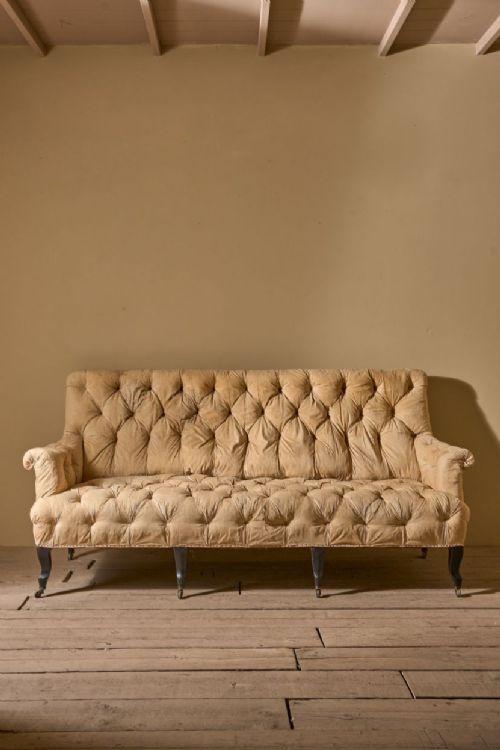
Larger conversation sofas and salon suites were positioned in formal reception rooms to accommodate guests during social gatherings.
Can I use original Victorian velvet seating daily?
Many of these pieces remain structurally robust due to solid hardwood frames made from oak, mahogany, or walnut. Daily use depends on the stability of the wooden joints and the condition of the internal webbing and padding.
Consider whether the upholstery requires conservation or professional reupholstering to support regular sitting without damaging fragile historic fabric.
How do I care for antique velvet upholstery?
Protect the fabric by keeping pieces away from direct sunlight, which fades rich pile colours over time. Gentle brushing with a soft-bristled tool helps maintain the nap and removes surface dust without crushing the fibres.
Avoid harsh chemical cleaners and consult a specialist restorer for deep cleaning or repairs to delicate button-backed padding.