

Victorian Vanity Glass
When you search for a Victorian vanity glass, you find scent bottles and dressing mirrors framed in brass, silver, and wood.
Victorian Vanity Glass
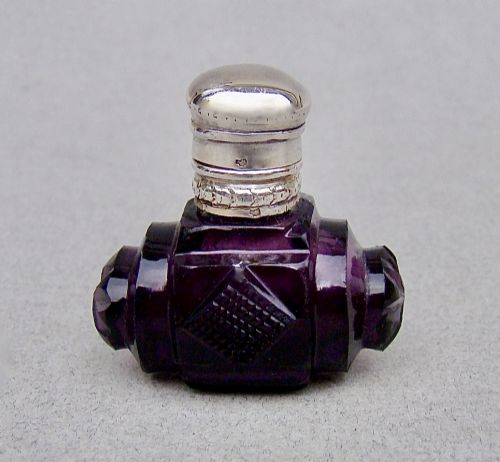
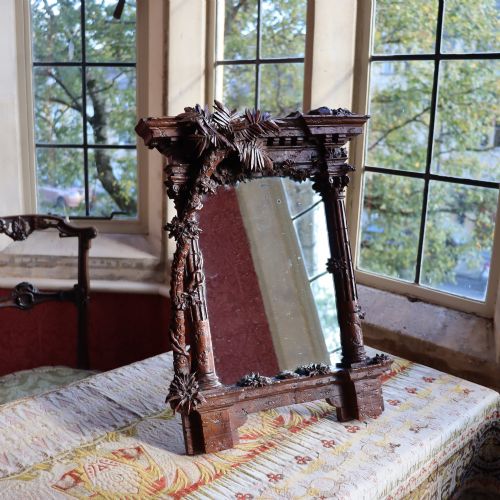
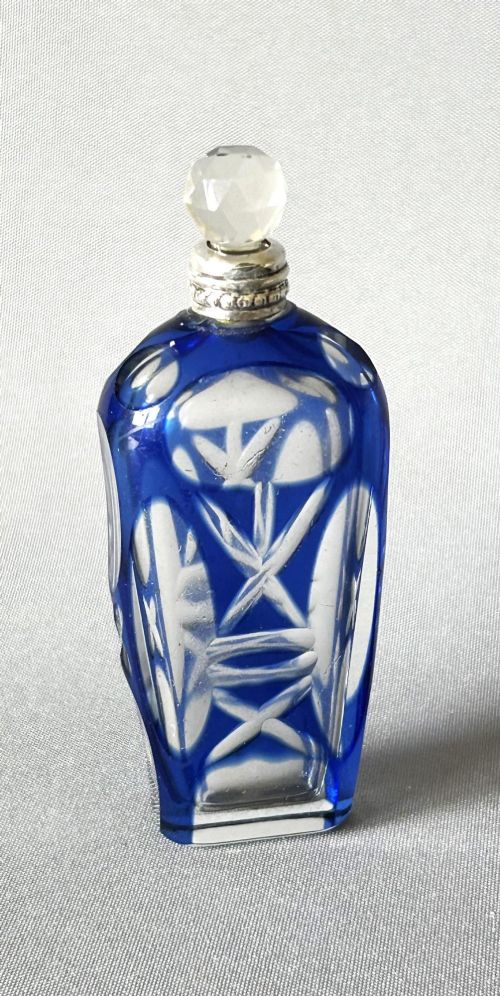
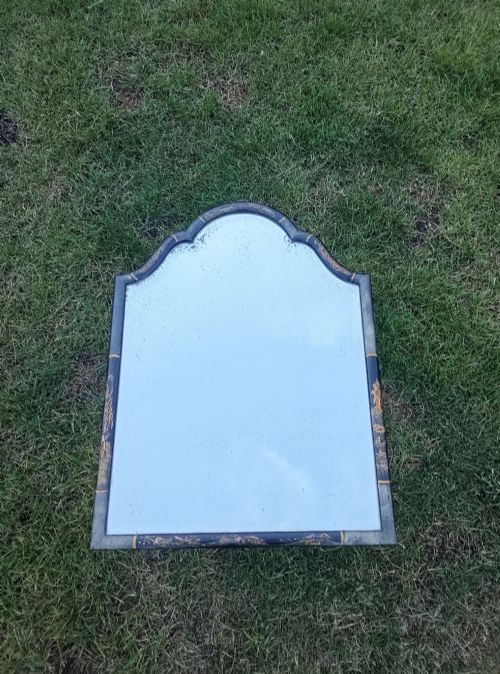
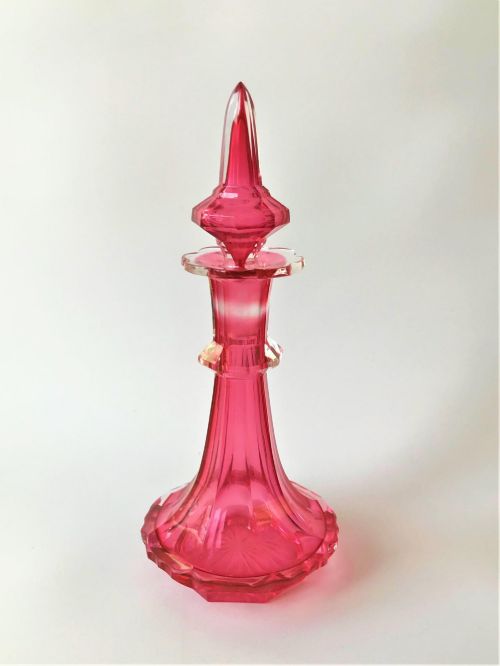
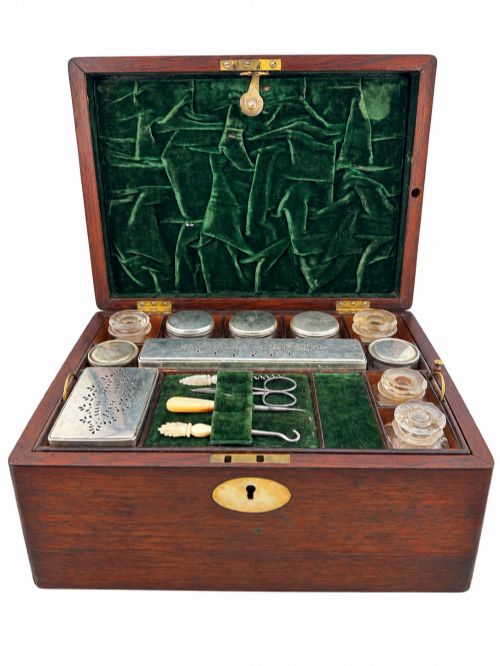
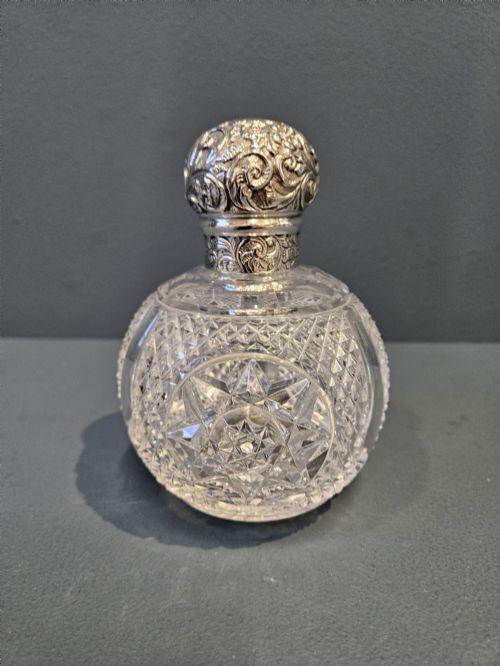
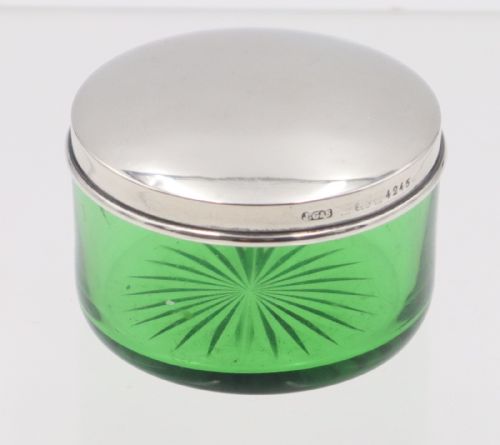
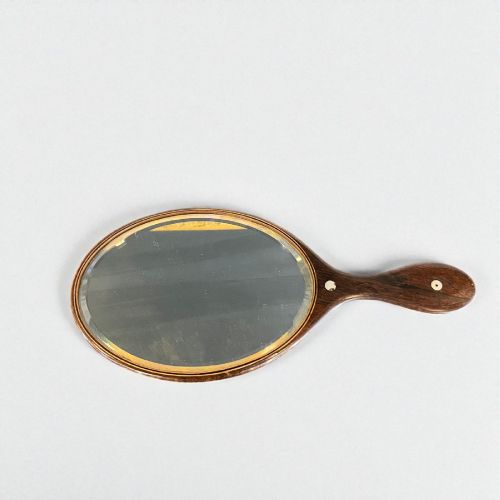
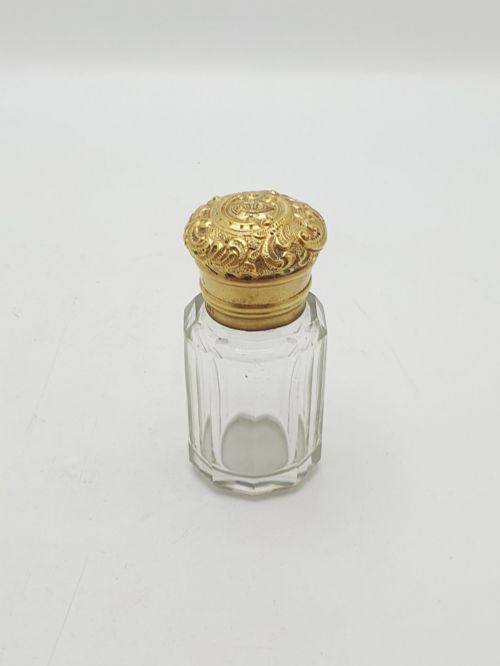
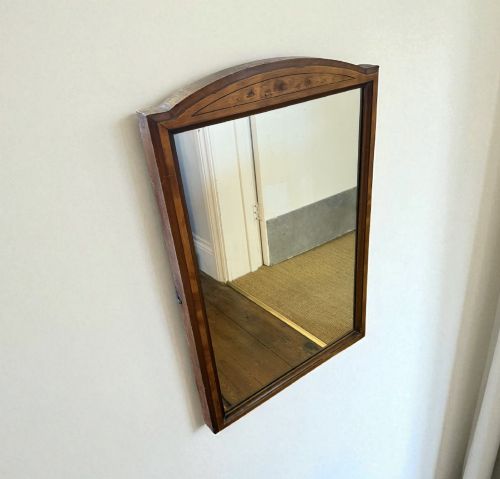
Victorian vanity glass describes portable dressing table objects and mirrors spanning the nineteenth century, including Edwardian examples. Buyers encounter cut glass scent bottles mounted in sterling silver, alongside mahogany and walnut dressing mirrors.
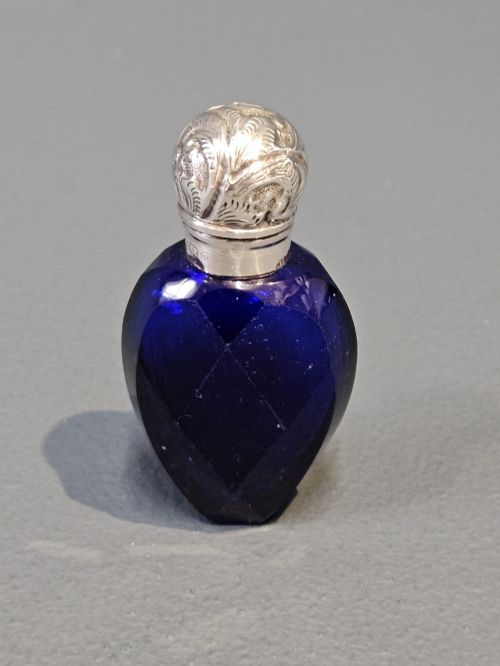
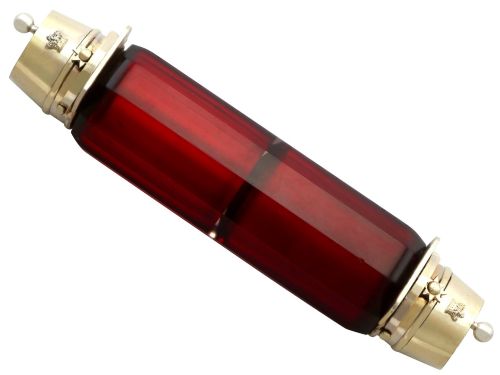
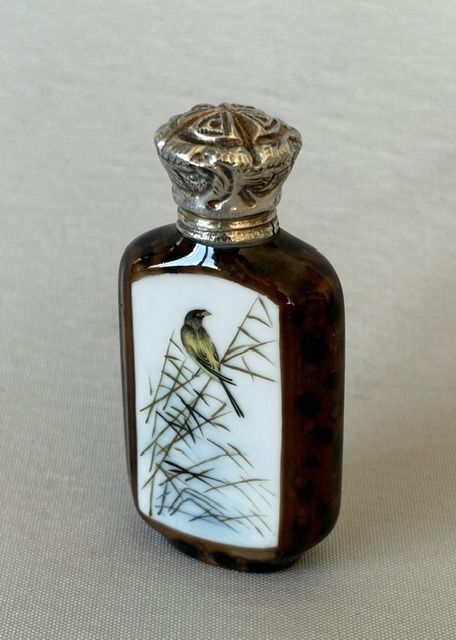
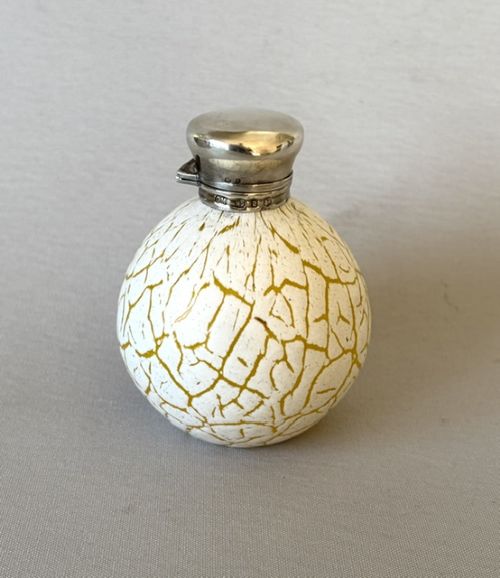
The objects serve personal grooming and room decor, taking the form of scent bottles in ruby, green, and opaline glass, alongside trinket boxes and adjustable table mirrors. Many pieces combine coloured glass with silver collars or hinged lids.
Origins stretch across English workshops and continental centres, featuring French or Anglo-Indian influences in mirrors and screens alongside standard domestic toilet mirrors.
How They Were Made
Glass production relies on cutting, moulding, and tinting to achieve ruby, green, cranberry, and opaline hues, frequently finished with enamel painting or crackle effects. Metalmountings utilise brass, ormolu, and sterling silver, cast and chased to fit bottle necks and box edges.
Cabinet work employs timbers such as mahogany, rosewood, walnut, kingwood, and oak, shaped into swing frames and fitted boxes with mother-of-pearl or tortoise shell inlay.
Victorian Vanity Glass Retail Price Guide 2026
Typical asking prices for victorian vanity glass among the pieces listed under this phrase on Sellingantiques today, from the lower quarter to the upper quarter. They describe what is for sale here now, not the wider market.
Listings feature glass in ruby, green, and opaline shades alongside sterling silver, brass, mahogany, and walnut.
What Varies in Quality
Quality rests upon the depth of the glass cutting and the purity of coloured batches like Bristol green or ruby glass. Silver mounts showing crisp hallmarks and detailed repoussé work distinguish finer pieces from plain collars.
Woodwork varies according to the figuring of veneers like burr walnut or mahogany and the joinery of adjustable mirror frames and fitted travel sets.
Sampson Mordan·Heal And Sons·Franchini And Bigaglia
The Victorian Vanity Glass Glossary
- Sterling silver
- A silver alloy containing 92.5 percent pure silver by mass, frequently stamped with assay office hallmarks on vanity item mounts.
- Opaline glass
- An opaque, pastel-coloured glass popular in nineteenth-century decorative items and scent bottles.
- Vinaigrette
- A small ornamental box featuring a perforated internal grill, designed to hold a vinegar-soaked sponge.
- Ormolu
- Gilded bronze or brass applied as decorative mounts to glass and wooden objects.
- Murrine
- Coloured glass cane slices fused together in patterns, seen in specialised nineteenth-century Italian perfume bottles.
Victorian Vanity Glass: Frequently Asked Questions
What is a Victorian vanity glass?
These items comprise glass scent bottles, powder jars, and dressing table mirrors produced during the nineteenth century. They sit upon dressing tables and washstands to hold perfumes and assist with personal grooming.
Materials range from cut crystal and coloured glass to silver mounts and hardwood frames. Each piece reflects the functional and decorative tastes of the Victorian period.
How were double-ended scent bottles used?
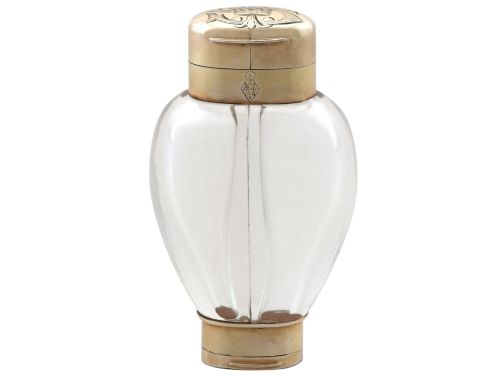
Double-ended scent bottles held two different liquids, usually perfume in one end and smelling salts in the other. Each compartment closed with its own hinged or screw cap.
Ladies carried them within fitted travelling sets or reticules for use during social outings. The dual function provided both a pleasant fragrance and relief during sudden faintness.
How do I date a dressing mirror?
Dating relies on timber choices, mirror plate bevelling, and framing styles characteristic of specific decades. Earlier frames use dense mahogany with simple swing supports, while later variants incorporate brass or gesso.
Secondary woods and construction methods inside drawer compartments also help establish the decade of manufacture. Hallmarks on any attached silver hardware provide precise year markers.
How should I clean silver mounts?
Cleaning requires a soft cloth and gentle polishing compound formulated specifically for silver. Care must be taken to avoid abrasive contact with adjacent glass or enamel panels.
Harsh dips should be avoided to protect glass fittings and soldered hinge pins. Regular light dusting maintains the metal lustre without wearing down chased details.