

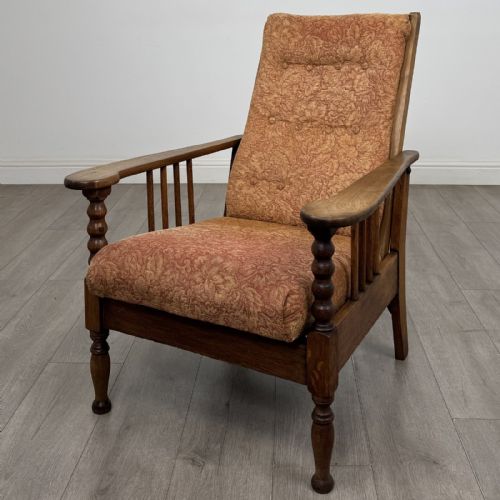
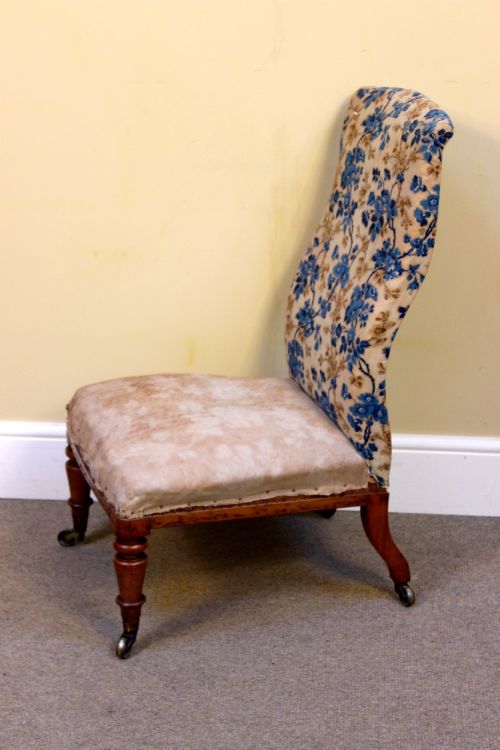
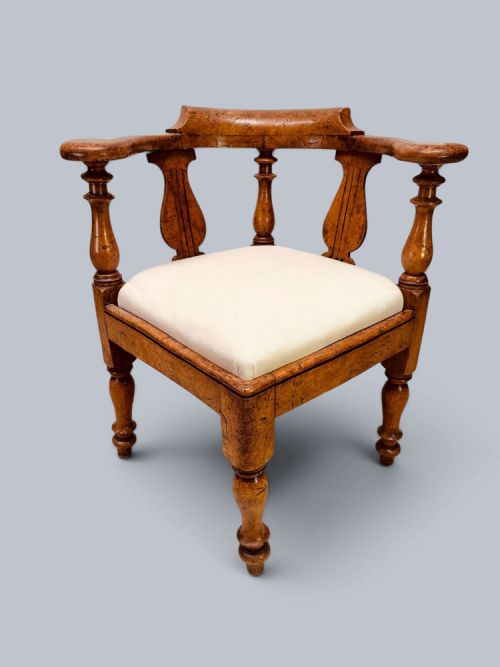
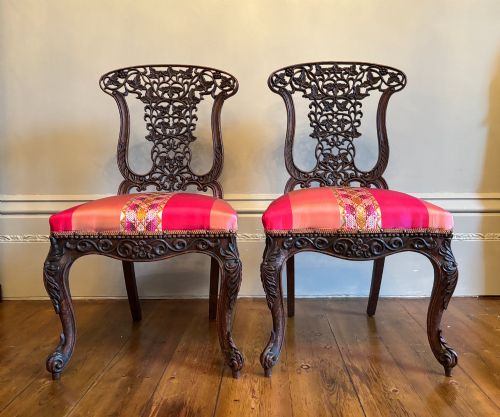

Victorian Upholstered Furniture
Victorian upholstered furniture brings substantial timber frames and deep textiles together, offering solid comfort and period character.
Victorian Upholstered Furniture
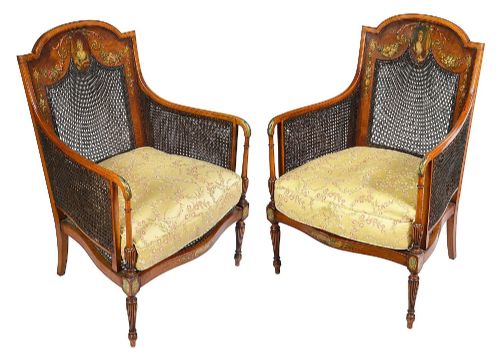
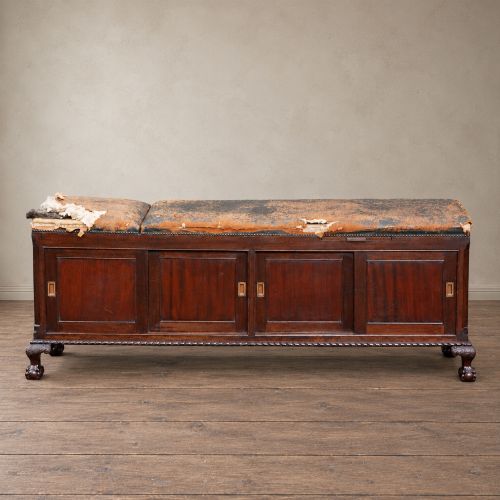
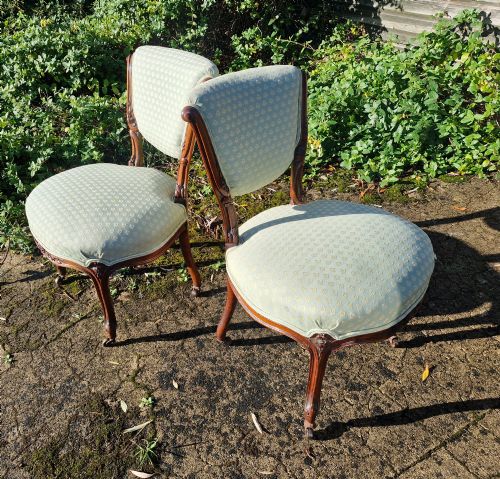
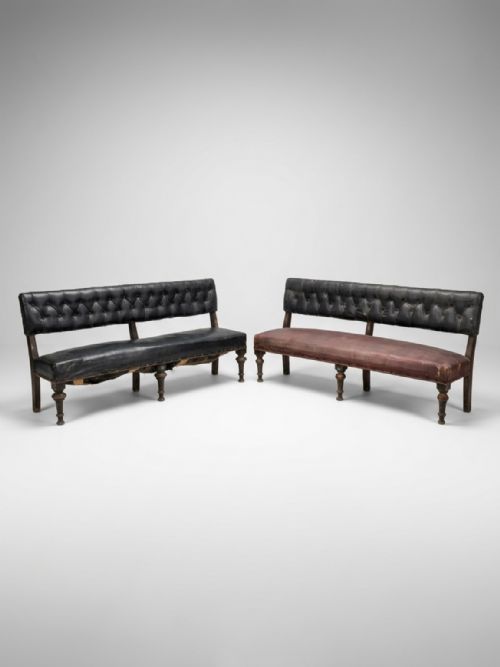
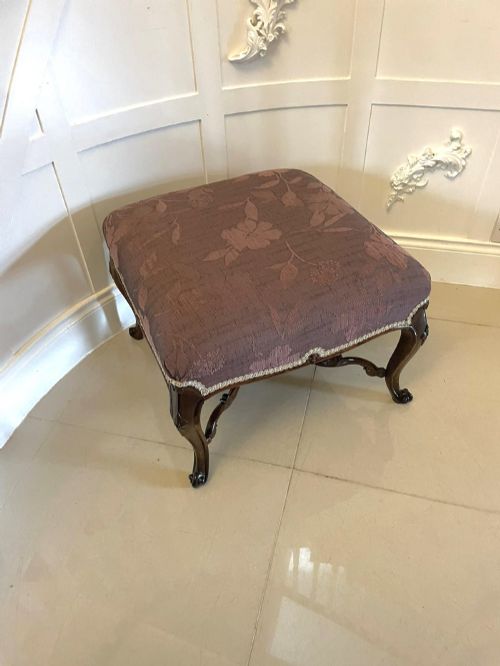
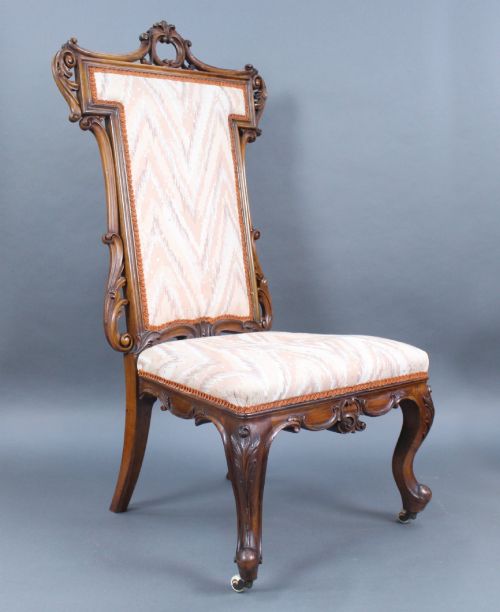
Victorian upholstered furniture encompasses a wide array of seating, ranging from dining chairs and armchairs to large salon suites, settees, and various stools. These pieces reflect the varied domestic needs of the nineteenth century, utilising robust timbers to support intricate textile coverings.
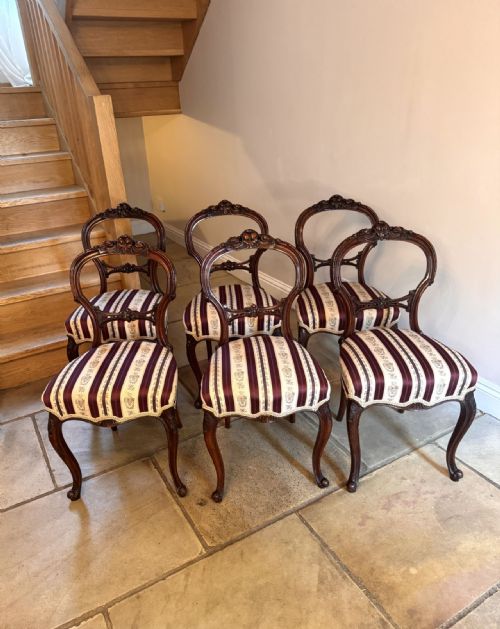
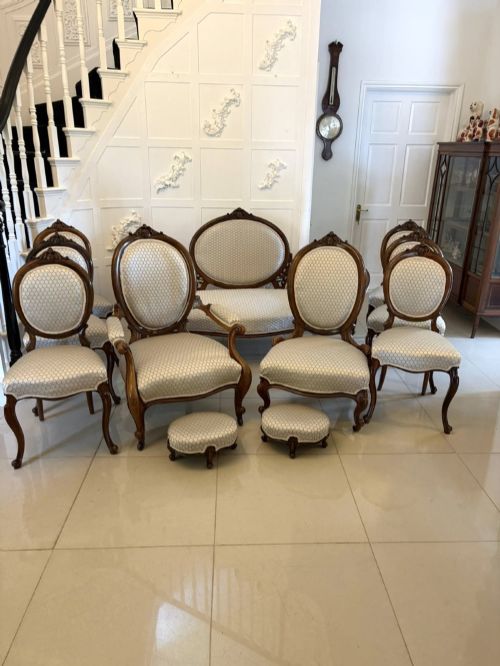
On this page, buyers frequently encounter walnut and mahogany frames, often shaped in balloon backs or supported by cabriole legs. Alongside standard domestic chairs, the selection includes specialised seating like gout stools, harpist seats, and extensive drawing room suites.
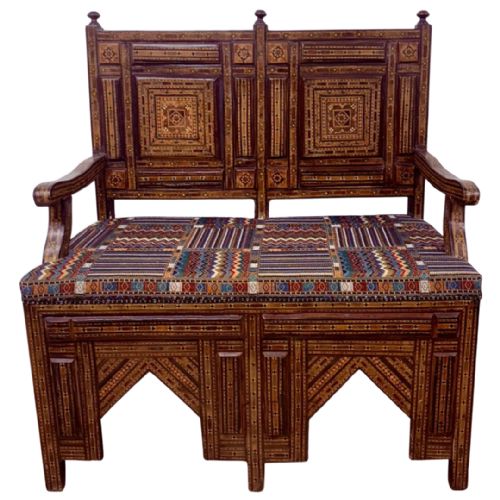
The aesthetic scope stretches from early Victorian interpretations through to Gothic revival, Aesthetic movement, and regional pieces such as Syrian, Ottoman, or Anglo-Indian works. This variety allows collectors to find items that suit both formal period interiors and eclectic modern spaces.
How they were made
Makers relied heavily on dense hardwoods such as mahogany, walnut, rosewood, and oak to build sturdy structural frames that could withstand rigorous daily use. Brass components occasionally provided functional hardware or structural support, particularly in campaign pieces and specific stool designs.
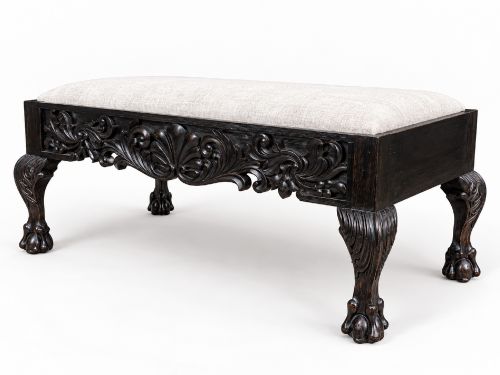
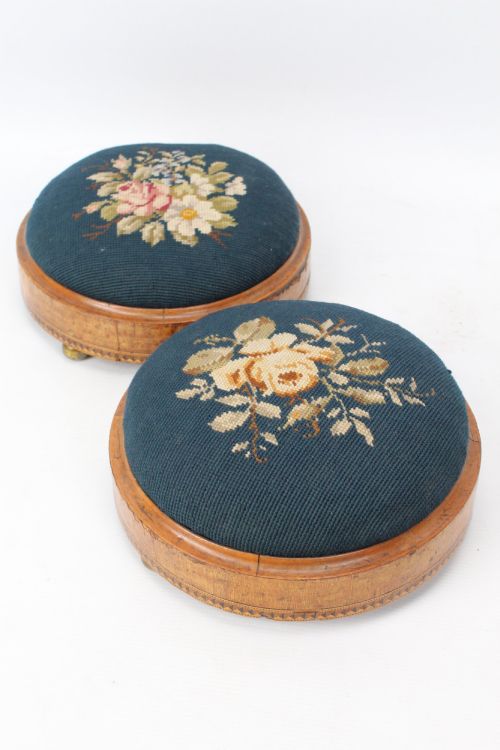
Upholstery techniques involved traditional stuffing and springs secured beneath textiles, velvet, needlepoint, tapestry fabric, and needlework seats. Carving and inlay work frequently adorned the exposed woodwork, displaying the detailed craftsmanship typical of the period workshops.
Victorian Upholstered Furniture Retail Price Guide 2026
Typical asking prices for victorian upholstered furniture among the pieces listed under this phrase on Sellingantiques today, from the lower quarter to the upper quarter. They describe what is for sale here now, not the wider market.
Listings feature diverse nineteenth century timber frames, including walnut, mahogany, rosewood, oak, and birds eye maple.
What varies in quality
The distinction between ordinary production and exhibition quality pieces lies in the crispness of the timber carving and the selection of figured veneers like birds eye maple or rosewood. Superior items exhibit harmonious proportions and meticulous joinery that remain tight after generations of use.
Upholstery finish and the preservation of original or sympathetic textiles significantly influence the overall integrity of a piece. Better examples retain sophisticated frame lines, specialised hardware, and decorative details that elevate them beyond standard utility furniture.
Howard and Sons·C. Hindley and Sons·Morison and Co·Holland and Sons·W.A. Willcocks
The Victorian Upholstered Furniture Glossary
- Balloon back
- A chair back shaped in a continuous curved loop resembling a balloon, characteristic of mid nineteenth century seating. This design provides both ergonomic support and a graceful silhouette.
- Gout stool
- A specialised footstool featuring an adjustable inclined top designed to elevate and support the foot of a sufferer. These items often incorporate mahogany frames and dedicated mechanical adjustments.
- Tunbridge Ware
- Small wooden items decorated with precise mosaic patterns formed from thousands of tiny tinted wood blocks. This intricate craft originated in Kent and frequently adorns nineteenth century needlepoint footstools.
- Salon suite
- A matched set of seating furniture, including a sofa, armchairs, and side chairs, designed for formal entertaining. These large groupings share uniform timber frames, carvings, and upholstery fabrics.
Victorian Upholstered Furniture: Frequently Asked Questions
What defines Victorian upholstered furniture?
These pieces combine dense timber frames, such as walnut or mahogany, with traditional textile coverings and padding.
They span various seating forms from simple footstools to large drawing room suites created during the nineteenth century.
How do I care for antique upholstery?
Protect delicate textiles and needlework from direct sunlight to prevent fading and fibre degradation over time.
Regular gentle vacuuming with a soft brush attachment helps remove dust without stressing the underlying nineteenth century frame.
Were these items used daily?
Most pieces served practical functions in nineteenth century homes, ranging from dining and reading to formal entertaining.
Sturdier frames endured generations of domestic use, while exhibition quality items were often reserved for formal reception rooms.
How can I identify different stylistic periods?
Early Victorian examples often retain heavier proportions, whereas later pieces incorporate Gothic revival or Aesthetic movement details.
Examining the turning of the legs, timber choices, and carving styles helps place a piece within the broader nineteenth century timeline.