


Victorian Two Seater Couch
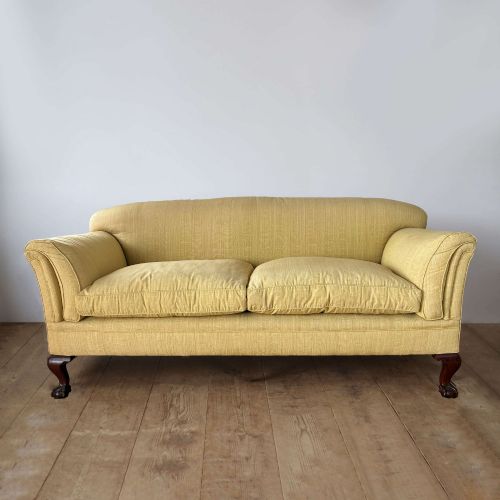
A victorian two seater couch offers compact seating built with nineteenth-century joinery and traditional upholstery.
Victorian Two Seater Couch
Buyers seeking a victorian two seater couch encounter compact seating forms categorized across listings as sofas, settees, and couches. These pieces typically originate from the nineteenth century, including Victorian periods alongside Edwardian and later years, spanning styles from traditional English country house to Aesthetic Movement and revival designs.
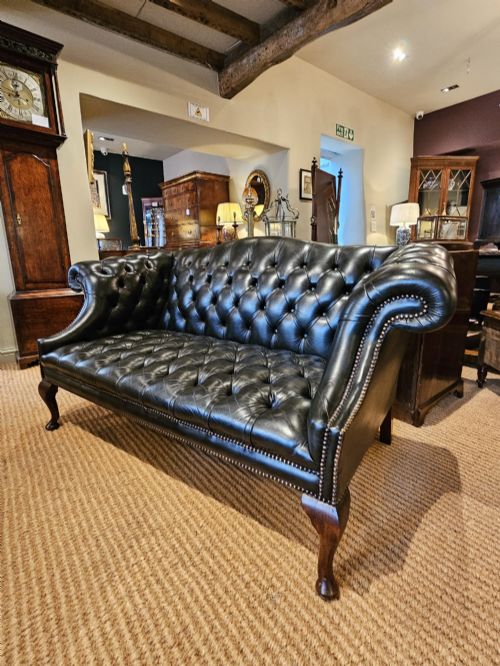
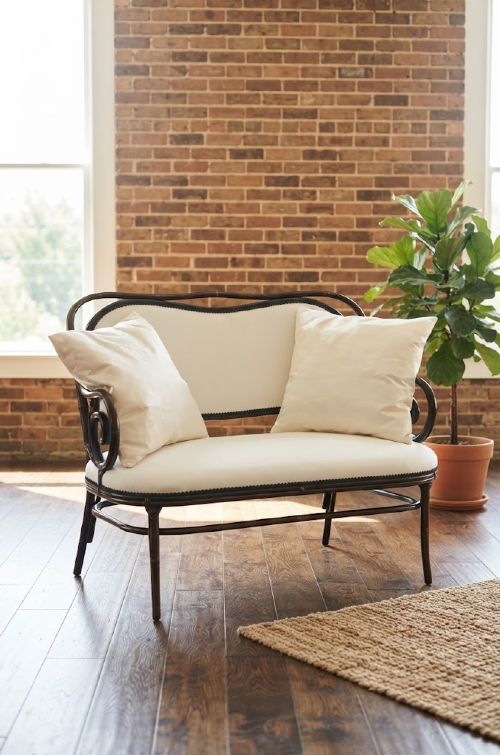
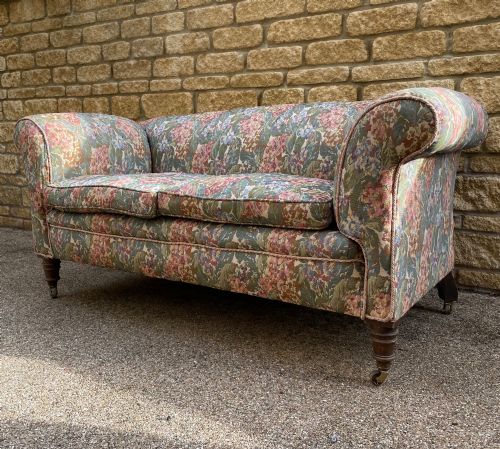
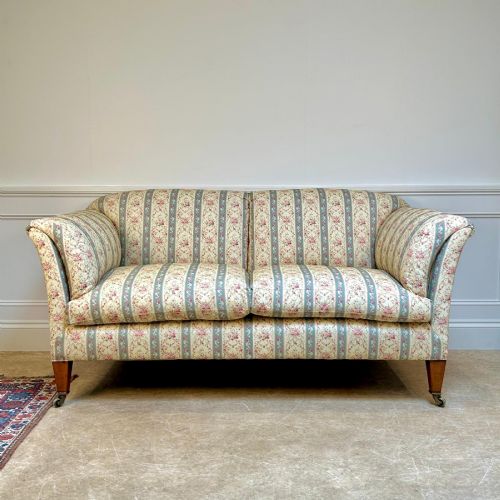
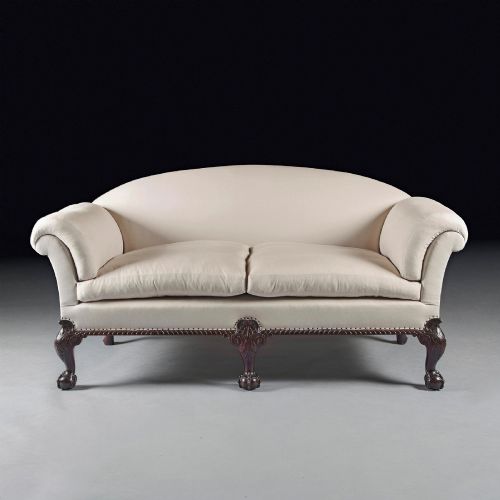
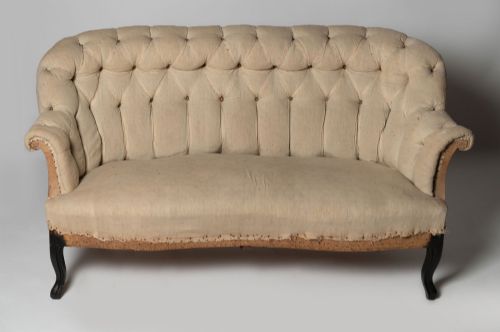
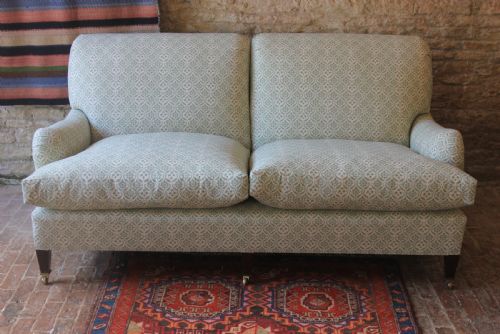
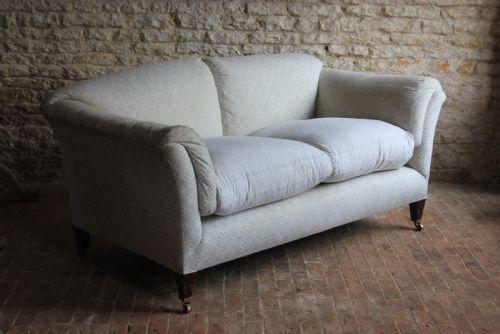
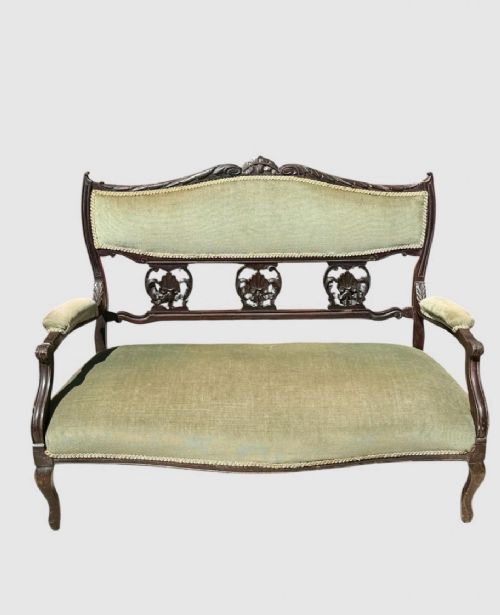
The most common versions on this page are walnut or mahogany framed settees and upholstered sofas featuring two-seat capacities. Examples range from drop arm configurations and carved wooden frames to leather button-back designs and low-slung window seats.
Materials and construction methods
The framework relies on dense hardwoods such as mahogany, walnut, rosewood, and general wood or hardwood. Artisans shaped these timbers into turned legs, carved floral details, and inlaid frames.
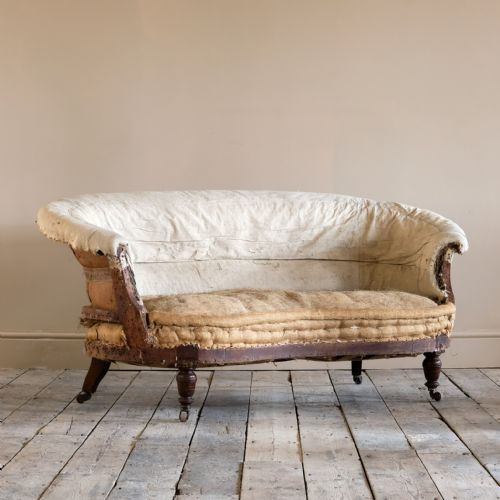
Upholstery involves fabric, upholstery fabric, and hand-dyed leather, often supported by traditional fillings like horsehair beneath button-back or ticking fabric finishes.
Listings feature woods including mahogany, walnut, rosewood, and brass hardware across Victorian, Edwardian, and Aesthetic Movement periods.
Judging quality in compact nineteenth-century seating
Quality rests in the precision of the timber framing, seen in the depth of hand-carved floral motifs, the selection of solid walnut or mahogany, and the integrity of joints such as ball and claw feet.
Upholstery standards distinguish pieces through the selection of materials, from aged hand-dyed leather and tailored ticking to the execution of button-back tufting and structural spring or horsehair support.
Thonet·Howard and Sons·Hampton and Sons
The Victorian Two Seater Couch Glossary
- Drop arm
- A moveable arm mechanism that lowers on one or both sides of the couch. This allows the seating to convert into a daybed or chaise lounge format.
- Button back
- An upholstery technique where buttons are pulled deep through the padding and secured to the frame in a diamond pattern. This creates distinct tufting across the backrest.
- Ball and claw
- A furniture foot design depicting a bird's talon grasping a spherical ball. It appears frequently on the legs of revival seating.
- Bentwood
- Wood softened by steam and bent into curved structural forms. This technique characterises specific Aesthetic Movement settee designs.
- Ticking
- A tightly woven, durable cotton or linen fabric traditionally used as a base mattress cover. It appears as an original or replacement upholstery choice on workshop pieces.
Victorian Two Seater Couch: Frequently Asked Questions
Where should I place a two seater couch?
These compact seats fit well in smaller reception rooms, studies, or bedrooms where a full-sized sofa overwhelms the floor plan.
They also function effectively as window seats or occasional seating in hallways and dressing rooms.
How do I care for leather upholstery?
Keep leather conditioned with appropriate balms to prevent the hide from drying out over decades of use. Avoid placing the couch near direct heat sources or strong sunlight.
Dust regularly with a soft, dry cloth to protect hand-dyed finishes.
What is the difference between a settee and a couch?
Settees generally feature an upholstered bench seat with a raised back and arms, often showing exposed wood framing. Couches historically served lounging purposes, sometimes incorporating adjustable drop arms.
In modern listings, terms often overlap depending on the specific frame shape.
How do I identify the period of a wooden frame?
Examine the wood species, such as walnut or mahogany, and the style of carving, which shifts from Victorian floral motifs to Aesthetic Movement ebonised lines. Turned legs and construction joints also indicate the manufacturing era.
Consulting maker stamps on frames or casters provides definitive dating evidence.