

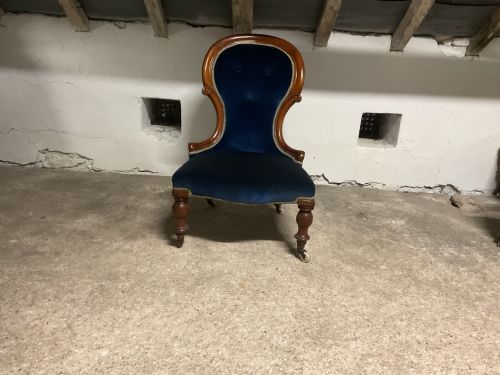
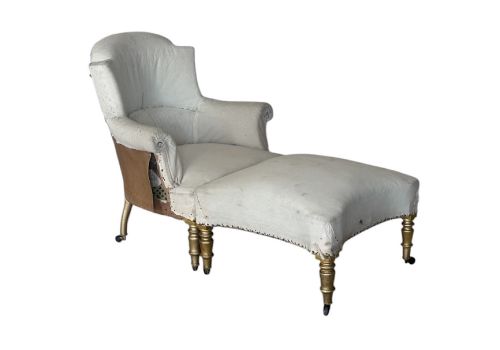
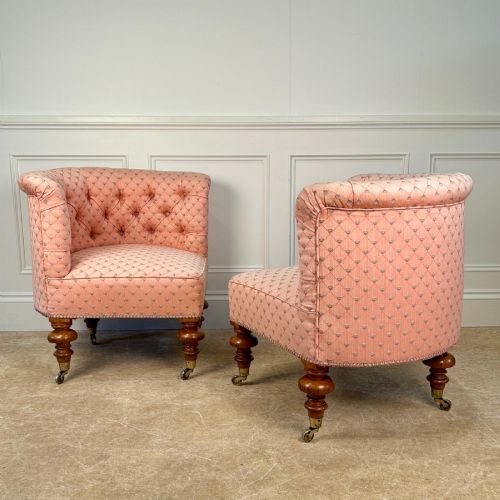
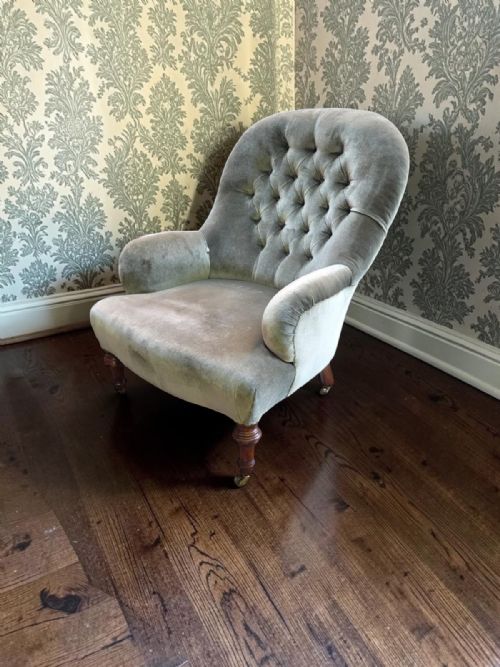
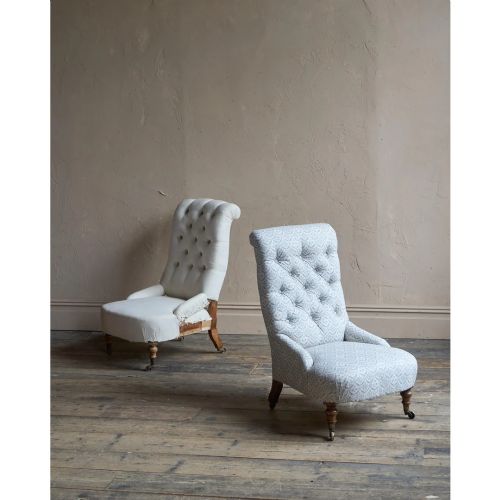
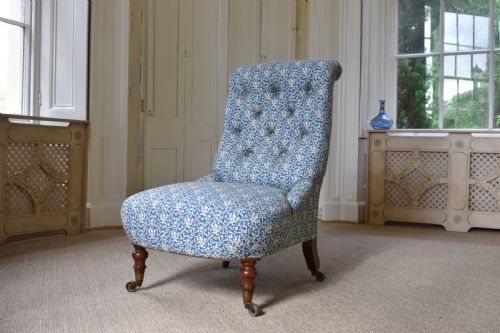
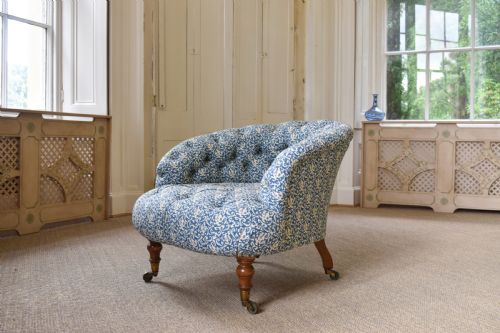
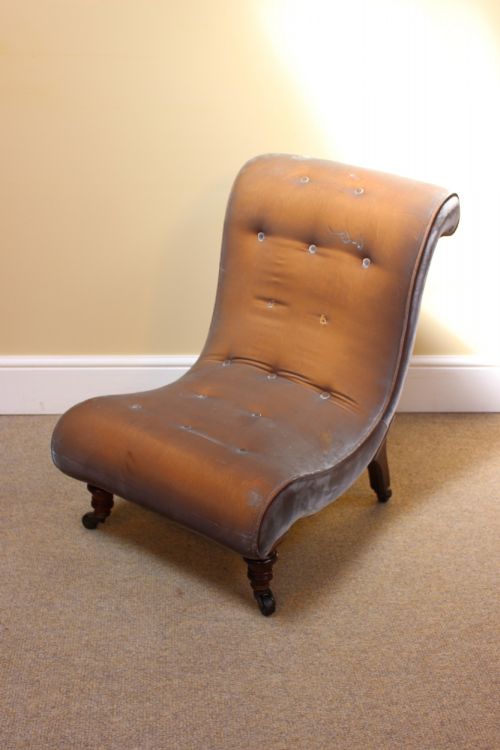
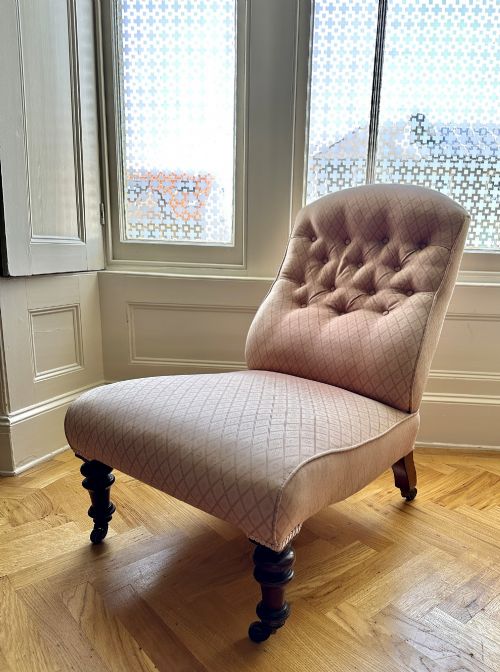
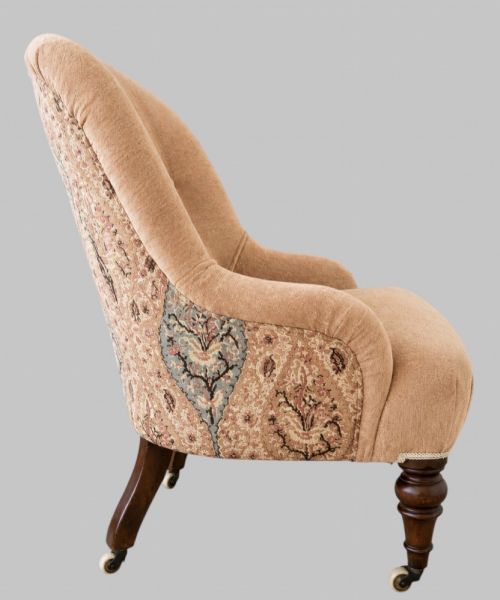

Victorian Turned Leg Bedroom Chair
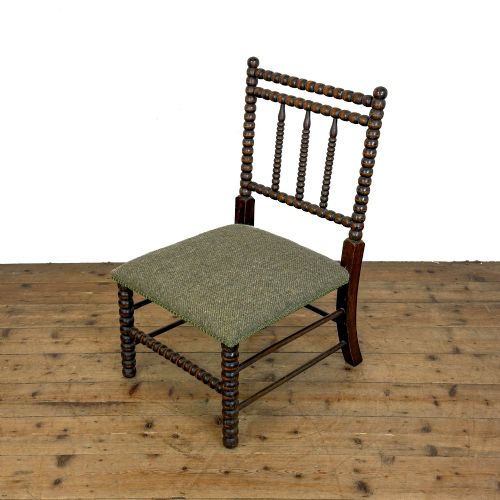
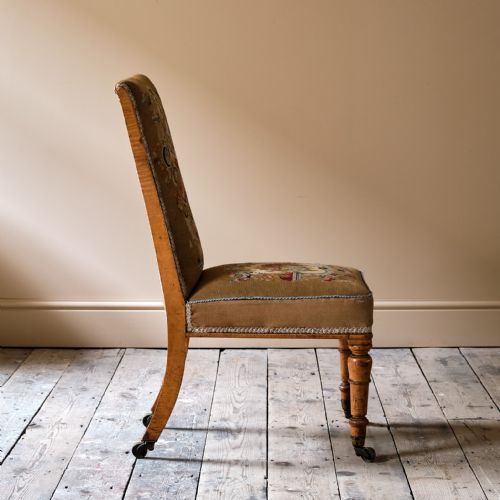
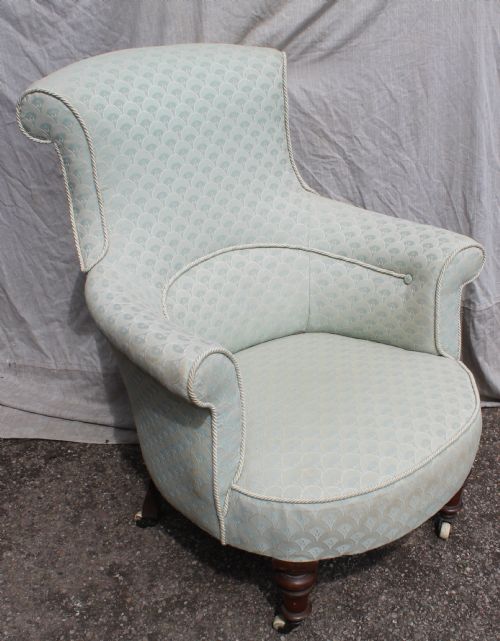
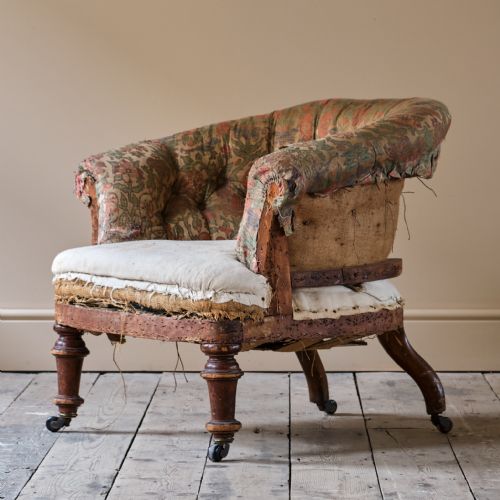
These Victorian turned leg bedroom chair examples offer low seats and sturdy supports designed for dressing rooms and intimate chambers.
Victorian Turned Leg Bedroom Chair
A Victorian turned leg bedroom chair serves as a low-slung seat originating in nineteenth-century chambers and dressing rooms. Buyers searching this phrase meet low-backed upholstered forms suited to intimate domestic spaces.
The selections span mid-to-late nineteenth-century periods, incorporating related nineteenth-century forms such as nursing chairs, slipper chairs, and occasional seating. Mahogany and walnut frameworks frequently appear alongside turned wooden supports and upholstered pads.
Makers and makers' marks occasionally surface on these frames, alongside distinctive stylistic crossovers like Gothic Revival and French nineteenth-century influences. Most examples combine dense timber frames with modern or period textiles.
How these chairs were made
Craftsmen built these frames using solid hardwoods like mahogany, walnut, oak, and birds-eye maple. Turned legs were shaped on a lathe, frequently fitted with metal castors for mobility across carpets.
Upholstery techniques relied on webbing, stuffing, and springs secured beneath fabrics including velvet, cotton, and tapestry. Frames incorporated buttoning and hand-tacked textiles to finish the seat and back.
Some nineteenth-century sitters required low chairs simply to manage voluminous skirts without tangling in high-backed frames.
What varies in quality
Timber selection dictates the baseline quality of the frame, with dense mahogany and walnut outlasting softer woods. Precision in the lathe-turned leg profiling demonstrates the skill of the original workshop.
Upholstery execution, from the tension of internal springing to the neatness of hand-stitched welting, distinguishes utilitarian chamber seating from high-end parlour pieces. Stamped maker marks add distinction to specific frames.
Howard and Sons·Hindley and Sons·Miles and Edwards
The Victorian Turned Leg Bedroom Chair Glossary
- Turned leg
- A wooden support shaped by rotating the timber against a chisel on a lathe. This technique creates cylindrical, fluted, or bobbin-moulded profiles.
- Slipper chair
- A low-set bedroom chair designed originally for ladies to sit upon while putting on shoes. These pieces typically feature short legs and an upholstered seat.
- Nursing chair
- A low upholstered seat traditionally used for feeding infants. The reduced height allowed the sitter to hold a child comfortably without obstruction.
- Button back
- An upholstery style where depressions are formed in the padding by stitching through to the frame, holding buttons in a diamond or square grid pattern.
- Castor
- A small wheel mounted in a swivel frame attached to the foot of a leg. It permits smooth rolling of heavy chairs across nineteenth-century floor coverings.
Victorian Turned Leg Bedroom Chair: Frequently Asked Questions
Where were bedroom chairs used?
These low seats belonged primarily in private chambers, dressing rooms, and boudoirs. Their compact dimensions made them easy to position near washing stands or hearths.
Unlike formal dining or parlour seating, they accommodated relaxed postures during morning routines or private correspondence.
How do I identify a Victorian piece?
Look for characteristic timber choices like mahogany and walnut, alongside traditional joinery methods. Turned wooden legs and upholstered sprung seats are typical hallmarks of the era.
Specific stylistic indicators, such as button-backed padding and nineteenth-century textile choices, help confirm the period of manufacture.
Can I use these chairs daily?
Most solid hardwood frames withstand regular daily use when structurally sound. Many survive with updated upholstery that suits modern domestic comfort.
Careful placement protects antique fabrics and turned wooden legs from heavy wear in high-traffic zones.