
Victorian Turned Chair
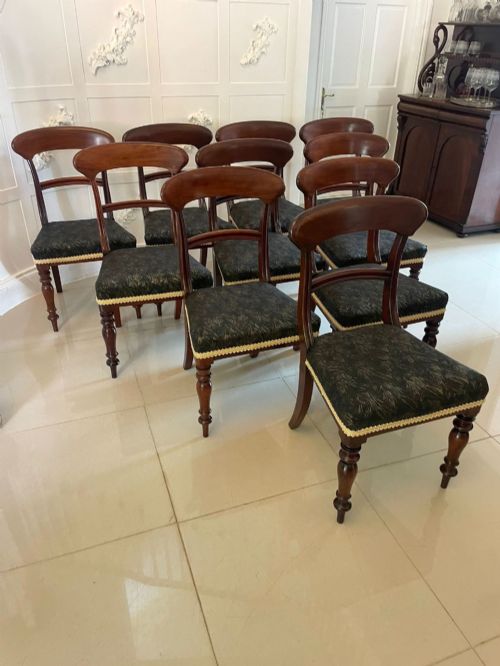
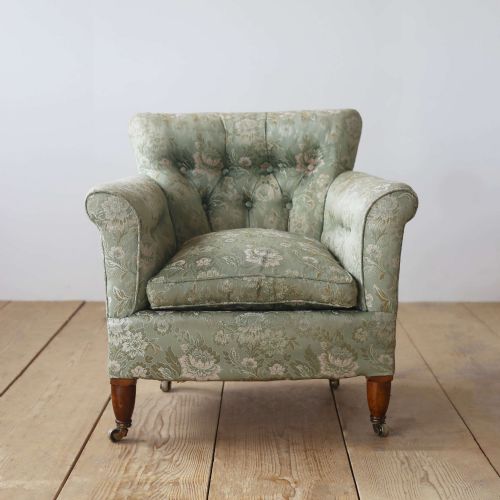
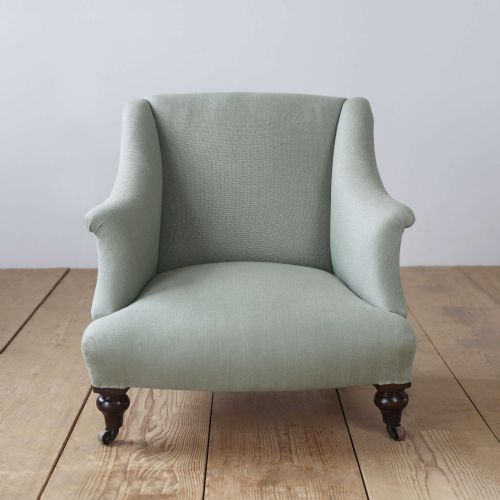
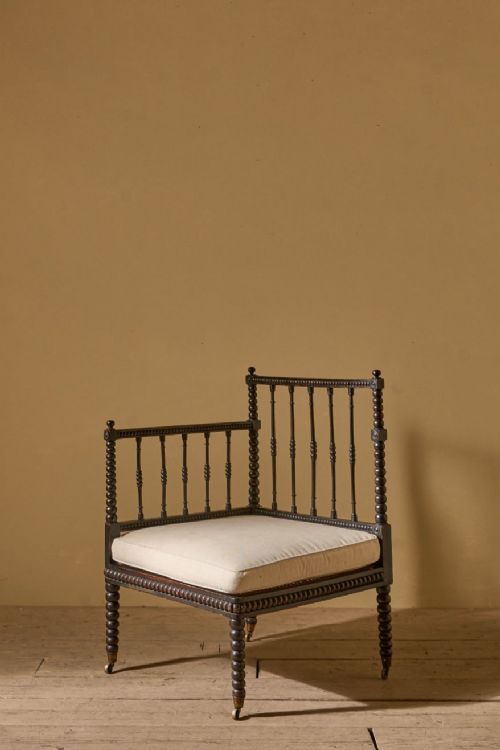
A victorian turned chair brings substantial nineteenth-century craft into a room through spindles, bobbin work, and structural lathe shapes.
Victorian Turned Chair
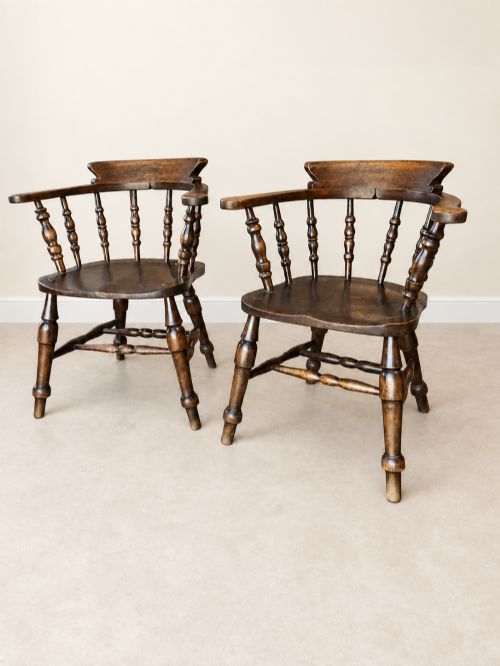
When searching for a victorian turned chair, a buyer encounters seating defined by lathe-cut wooden components, ranging from heavy library armchairs to delicate bedroom side seats. The examples found here span nineteenth-century periods, incorporating regional English country styles alongside formal mahogany and walnut library models.
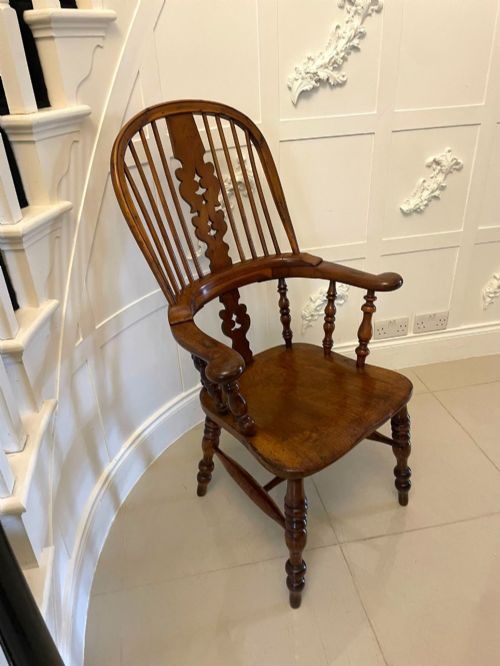
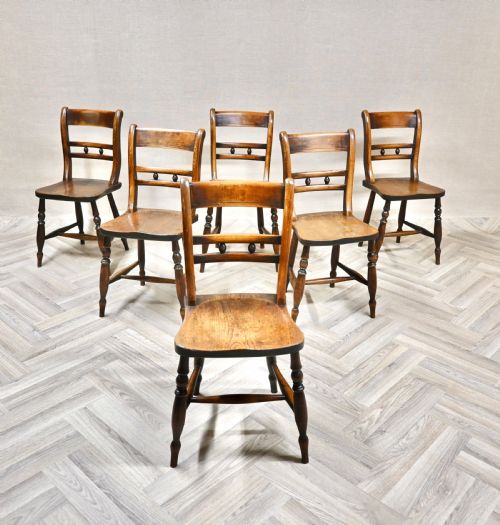
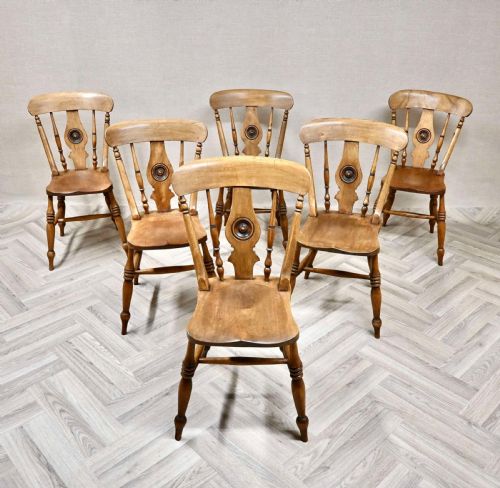
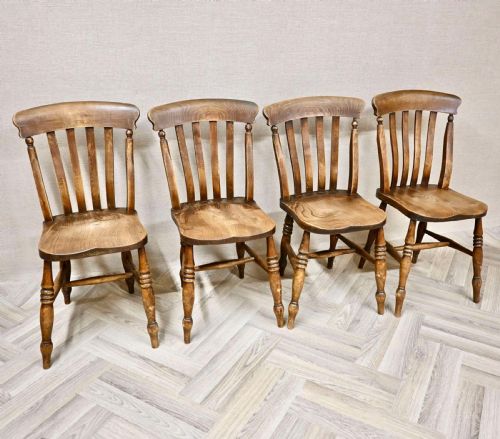
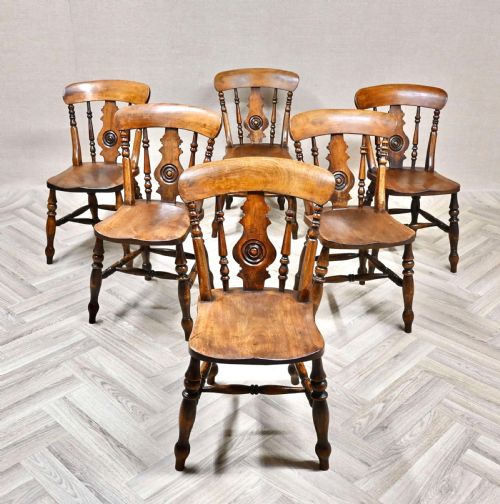
The most common versions met on this page combine sturdy vernacular frames in elm, ash, or beech with prominent spindle backs, bobbin turnings, or barley-twist supports. These forms trace back to earlier country traditions while firmly inhabiting the Victorian era, offering robust construction suited to daily use.
How they were made
Cabinet makers and country joiners shaped these frames using traditional hardwoods such as mahogany, oak, beech, elm, and ash, frequently combining native timbers within a single piece. Lathe turning created the signature structural members, including bobbin-turned stretchers, ring-turned legs, and slender back spindles.
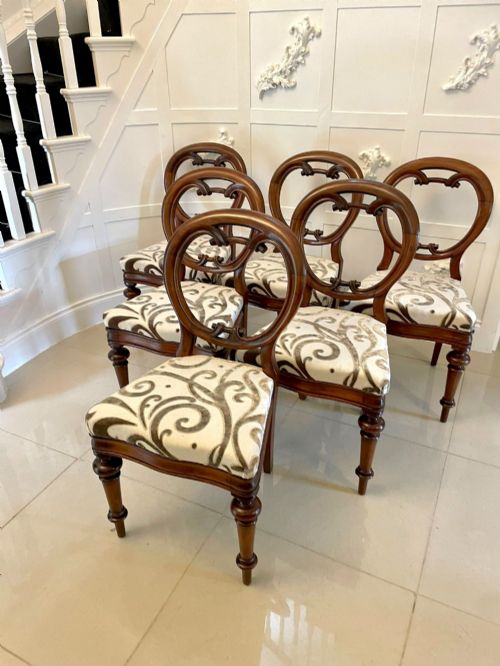
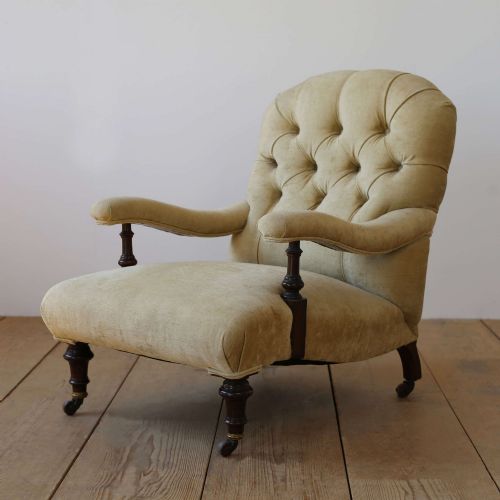
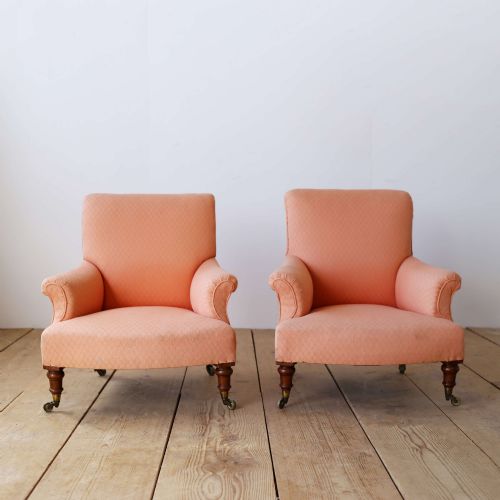
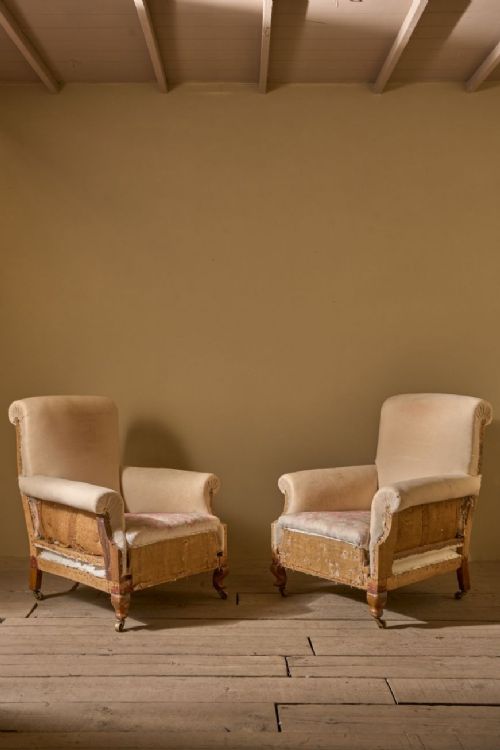
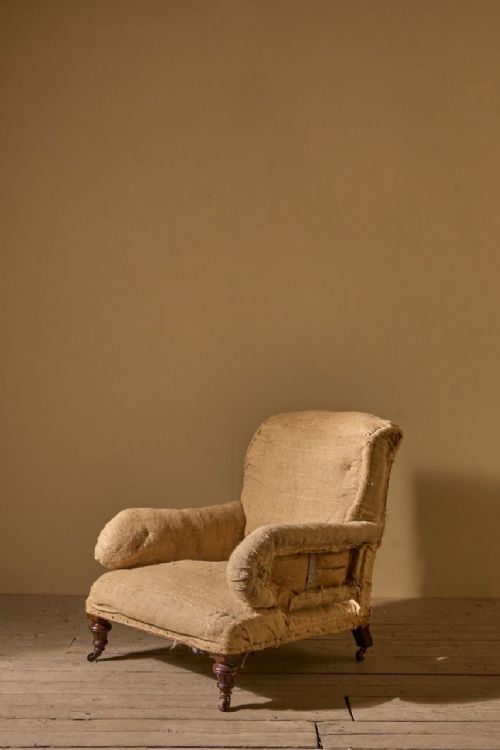
Upholstered variants incorporate traditional stuffing covered in leather, fabric, or caned bergere panels, often secured with brass cappings and castors. Joinery relied on precise tenons and turnings designed to withstand heavy domestic loading without losing rigidity.
Listings feature woods including mahogany, oak, beech, elm, ash, and walnut, paired with fabric, leather, and cane upholstery.
What varies in quality
The distinction between standard utility seating and finer workshop production lies in the crispness of the lathe work and the selection of timber figures, such as dense mahogany or well-matched elm and ash grain. Superior pieces display intricate bobbin or barley-twist detailing executed with sharp definition across every turned member.
Structural integrity and the survival of original surface finishes dictate desirability, with untouched patinas and intact original castors or leather upholstery elevating an example above heavily restored counterparts.
Morris & Co·Philip Webb·William Birch
The Victorian Turned Chair Glossary
- Bobbin turning
- A form of lathe work producing a series of rounded, spool-like shapes along the length of a wooden spindle or leg. This decorative technique appears frequently on nineteenth-century frames and library seating.
- Barley-twist
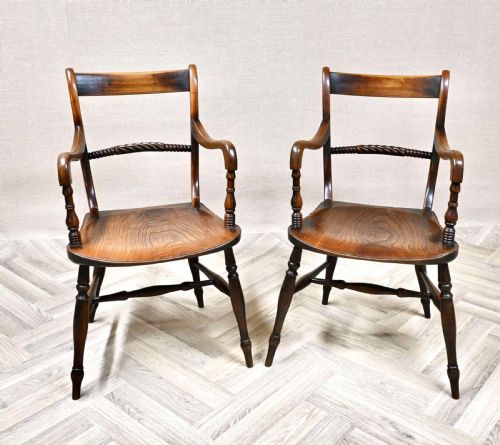
- A helical carving or turning resembling a twisted rope, commonly found on the legs and supports of Victorian chairs. It adds visual movement and structural strength to the frame.
- Bergere
- A traditional upholstered armchair featuring an enclosed canework back and sides, often supported by turned wooden legs. The technique provides a lighter visual weight while maintaining durability.
- Spindle back
- A chair back constructed from a series of slender, turned wooden rods fitted between a top rail and seat. This vernacular design is characteristic of many country kitchen and Windsor chairs.
- Smoker's bow
- A low-backed Windsor armchair with a continuous arched arm rail resting on turned spindles, designed for domestic comfort. These robust seats typically feature shaped elm timber bottoms.
Victorian Turned Chair: Frequently Asked Questions
Are these chairs comfortable for daily use?
Many of these pieces were built for practical domestic tasks, including desk work, reading, and dining, which makes them well-suited for everyday seating. Ergonomic considerations varied by type, from upholstered library models with padded arms to upright kitchen and hall seating.
Upholstered variants with leather or sprung seats offer softer support, while solid timber saddle seats provide durable, firm seating positions.
What is the difference between a Windsor and a turned chair?
A Windsor chair is defined by a heavy solid wooden seat into which the legs and back spindles are directly wedged, whereas a turned chair relies primarily on visible lathe-formed structural components throughout its entire frame. While many Windsor variants incorporate turned spindles, the core distinction lies in the seat construction and framing method.
Hybrid forms like country Windsor armchairs frequently combine both traditions by featuring turned legs and stretcher systems beneath a carved elm seat.
How should I care for nineteenth-century wood?
Preserving nineteenth-century timber requires maintaining stable indoor humidity levels away from direct heat sources and harsh sunlight. Gentle dusting with a dry cloth helps protect the original finish without stripping historical patinas.
Applying microcrystalline wax occasionally feeds dry hardwood surfaces, while leather elements benefit from specialised conditioning to prevent cracking over time.