
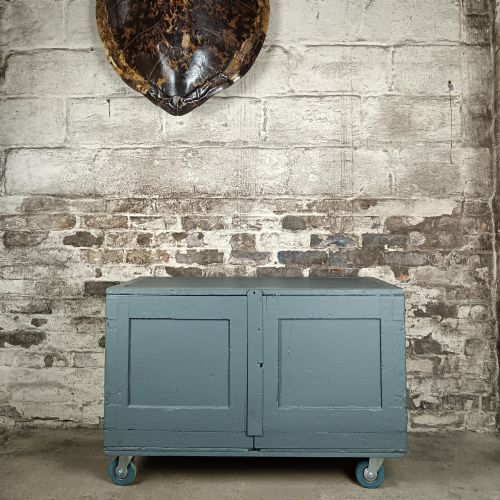
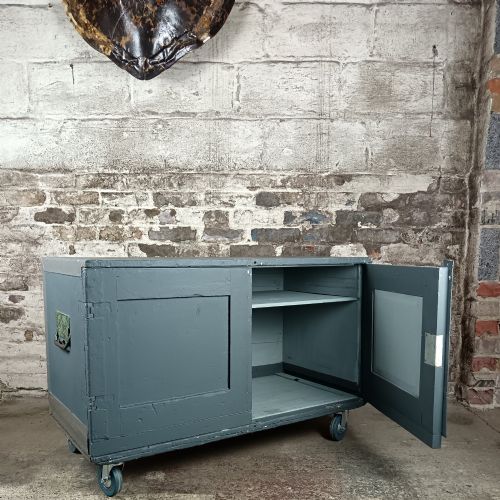
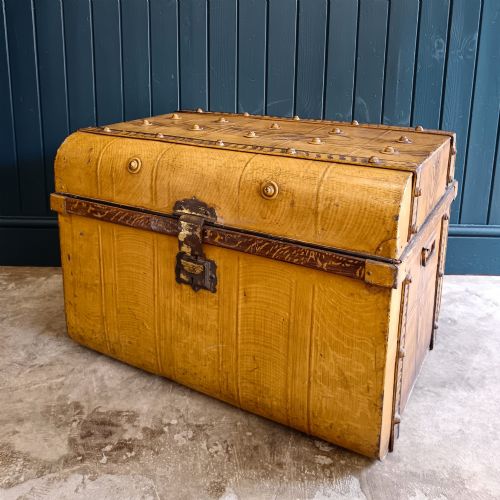
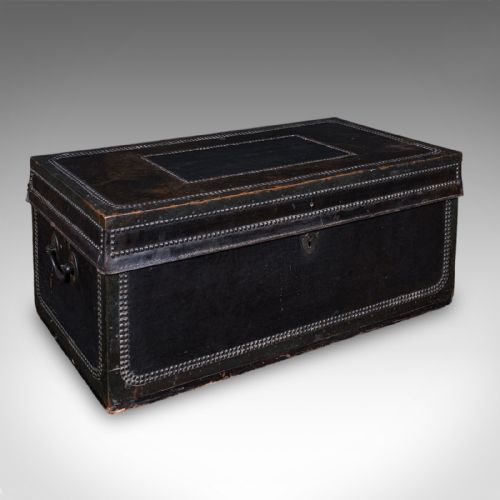
Victorian Travel Chest
A victorian travel chest is a portable case built for movement, offering rugged utility and enduring character that anchors modern rooms.

Victorian Travel Chest
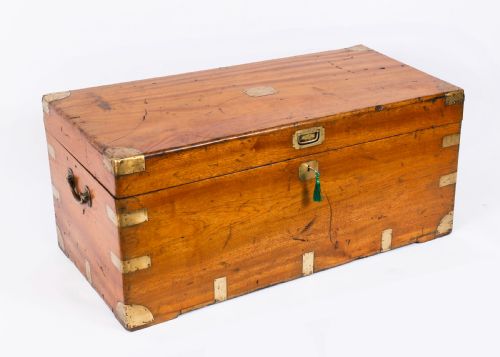
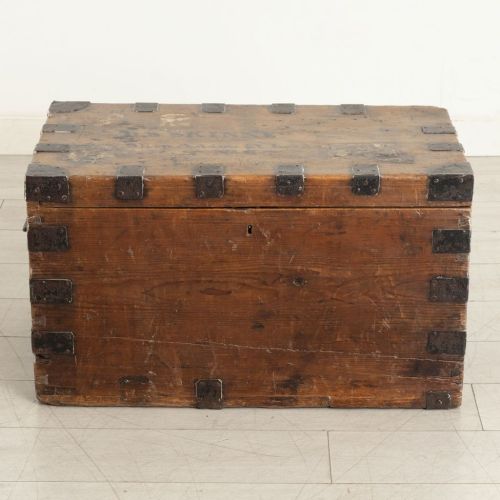
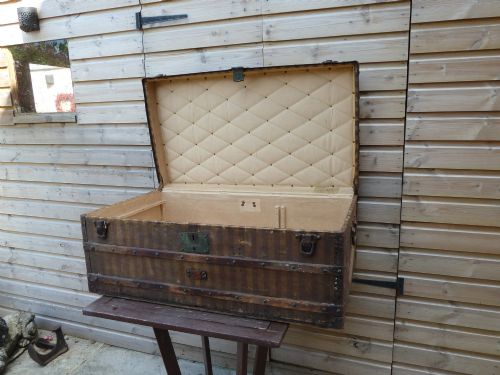
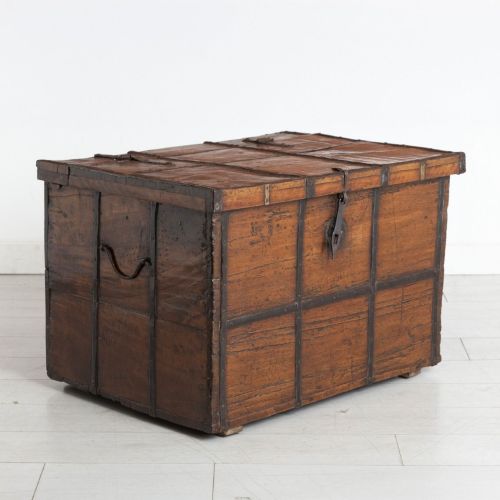
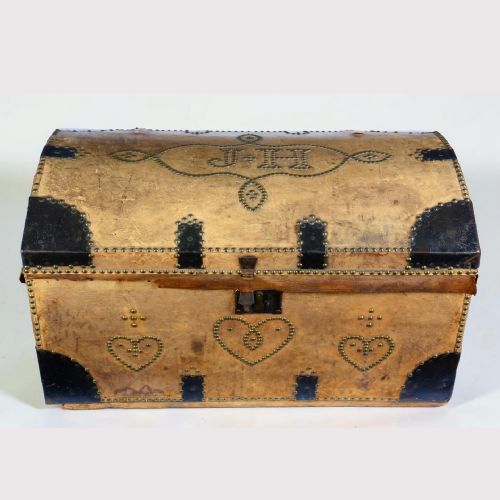
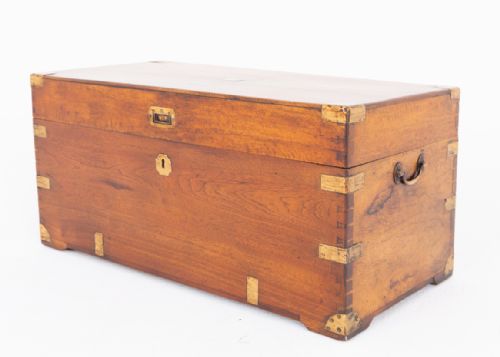
A victorian travel chest encompasses heavy-duty storage boxes, trunks, and fitted chests built during the nineteenth century for transit by coach, ship, and rail. Buyers encounter robust pine travel trunks alongside dense camphor wood and teak campaign chests designed to withstand long journeys.
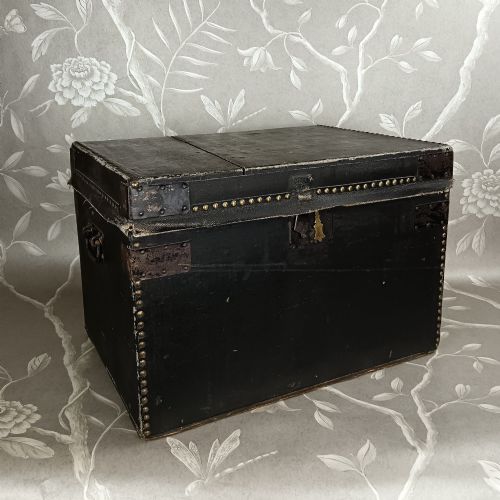
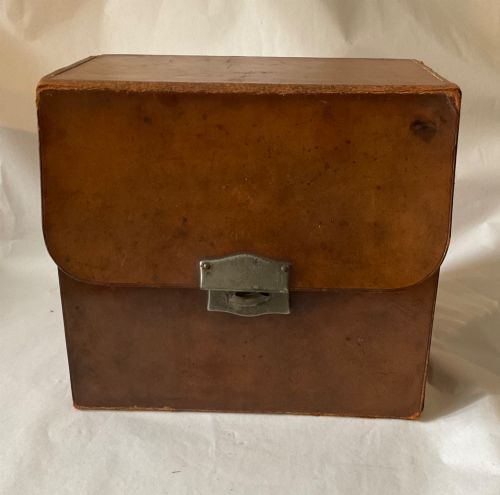
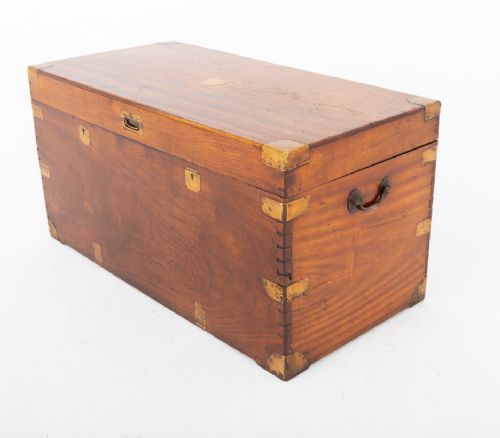
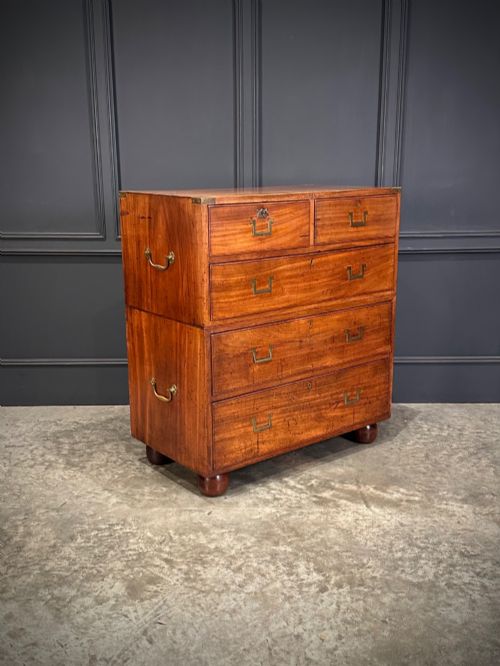
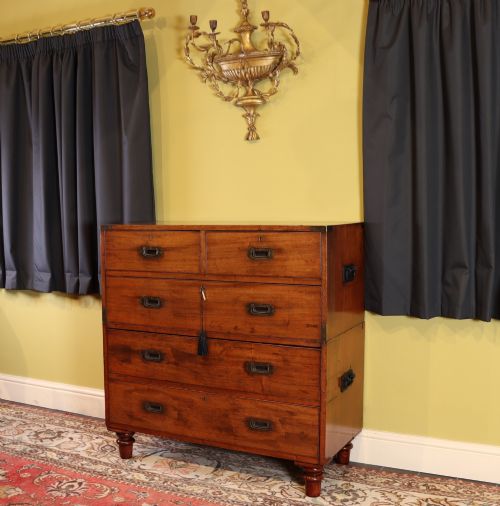
The pieces on this page range from iron-bound shipping trunks to mahogany military campaign chests and leather-covered officer cases. These sturdy containers served soldiers, explorers, and travellers before evolving into distinctive decorative storage for contemporary homes.
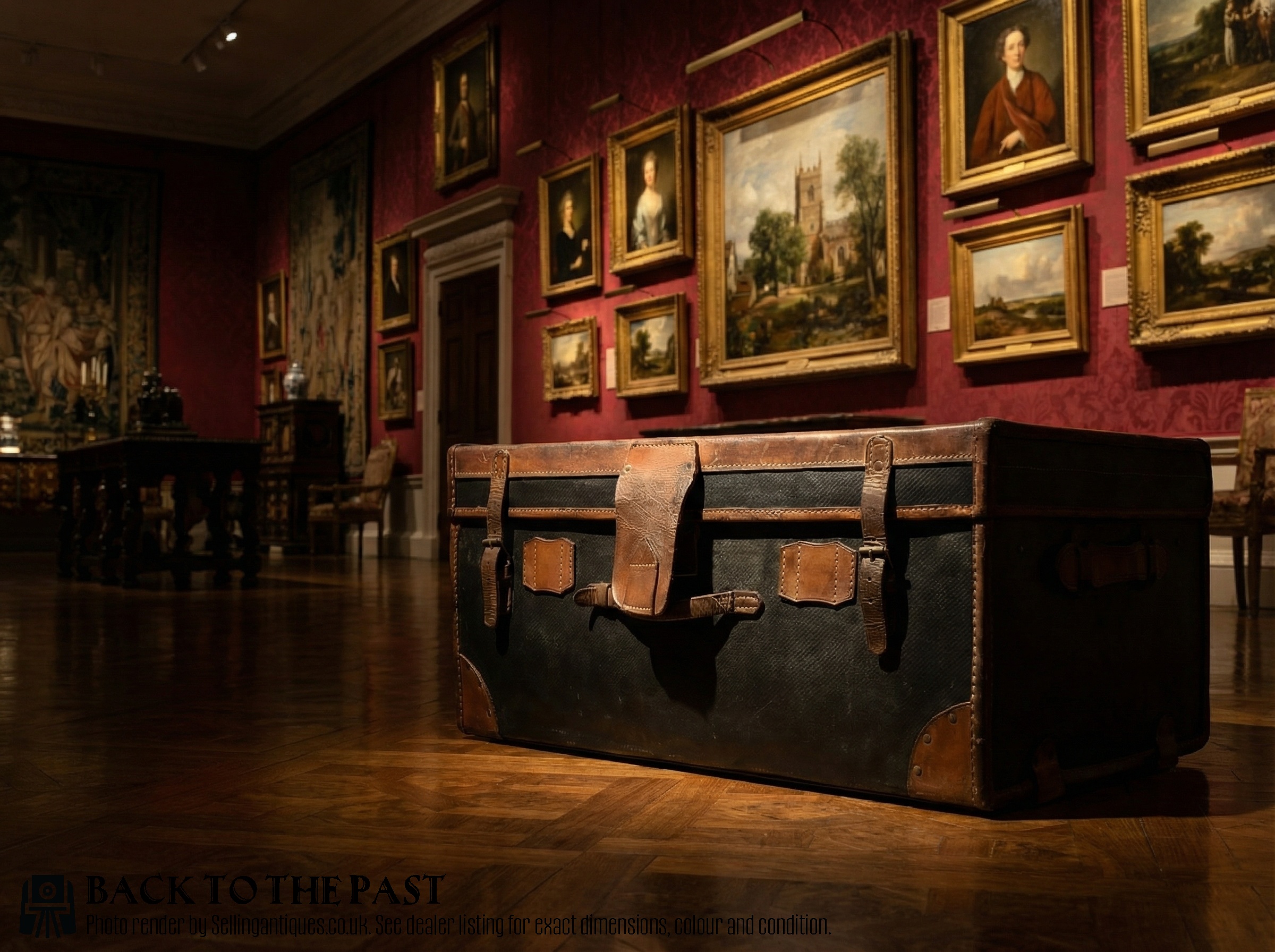
Materials and Construction
Makers utilised durable timbers such as pine, teak, mahogany, cedar, and fragrant camphor wood to construct the primary body of each victorian travel chest. These woods were chosen for their resilience against moisture, insects, and the heavy impacts of transit.
Structural integrity was reinforced with brass corners, iron bands, steel strapping, and brass studwork to protect edges and joints during long voyages. Leather coverings, painted finishes, and canvas linings provided further weatherproof shielding for the contents inside.
Victorian Travel Chest Retail Price Guide 2026
Typical asking prices for victorian travel chest among the pieces listed under this phrase on Sellingantiques today, from the lower quarter to the upper quarter. They describe what is for sale here now, not the wider market.
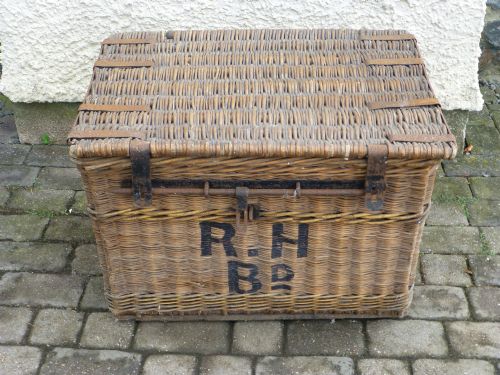
Listings feature oak, cedar, iron, and canvas alongside brass-bound teak and camphor wood.
Judging Quality
Quality rests upon the integrity of the original mounts, flush-fitting brass hardware, and the choice of primary timber. Pieces featuring solid camphor wood, teak, or finely figured mahogany sit at the upper end of the scale compared to utility pine.
Internal complexity also distinguishes finer examples, such as fitted apothecary compartments, secret drawers, and original locks bearing maker stamps. The retention of untouched surfaces, original leatherwork, and working hardware determines the desirability of a piece.
Wm. Insall of Bristol·Arthur Wannop·S. W. Silver & Co·Drew & Sons·Elkington
The Victorian Travel Chest Glossary
- Campaign chest
- A sectional chest of drawers built in two or more stacking parts with recessed brass handles for military transport.
- Camphor wood
- An aromatic timber traditionally utilised for military campaign chests because its natural scent repelled insects.
- Steamer trunk
- A lower-profile travel trunk designed to fit beneath a ship passenger cabin berth during ocean voyages.
- Secretaire chest
- A storage chest featuring a fitted writing drawer with a drop-front fall and small internal compartments.
Victorian Travel Chest: Frequently Asked Questions
What is a campaign chest?
A campaign chest is a modular piece of furniture designed to split into separate stacking sections for easy transport by military officers on the move.
These chests feature inset brass pull handles and protective brass corners to prevent damage during rough journeys across colonies and battlefields.
How were travel chests used?
Travellers packed clothing, documents, and personal valuables into these sturdy containers for long journeys by sea, rail, and stagecoach.
Officers, diplomats, and merchants relied on them to keep their belongings secure and organised in distant locations.
How do I clean a leather trunk?
Leather trunks require gentle cleaning with a soft, dry cloth to remove surface dust without harming the aged hide.
Preserving the original patina involves applying a specialist leather conditioner sparingly, avoiding harsh chemical cleaners that strip historical finishes.
Are camphor wood chests safe?
Solid camphor wood chests are entirely safe for home storage and naturally deter moths and other pests with their distinct aromatic oils.
This timber was specifically selected for nineteenth-century travel chests to keep stored garments fresh during humid voyages.