


Victorian Tobacciana Silver
Victorian tobacciana silver comprises pocket and table accessories for smokers, forged from sterling silver to elevate everyday habits.
Victorian Tobacciana Silver
Victorian tobacciana silver covers functional smoking items made during the nineteenth century and associated eras. A buyer exploring this category encounters pocket gear alongside pieces designed for the smoking table or desk.
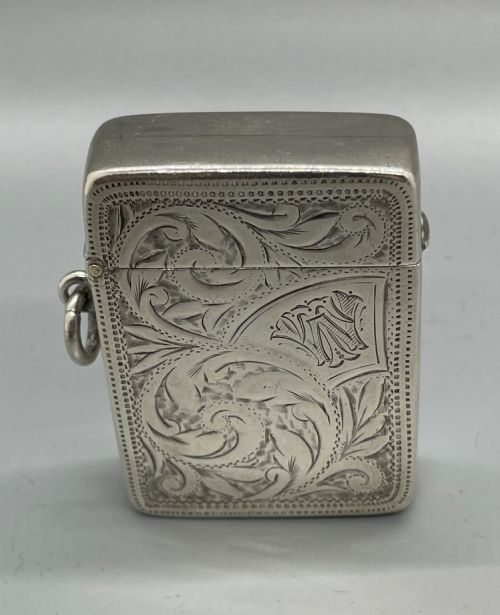
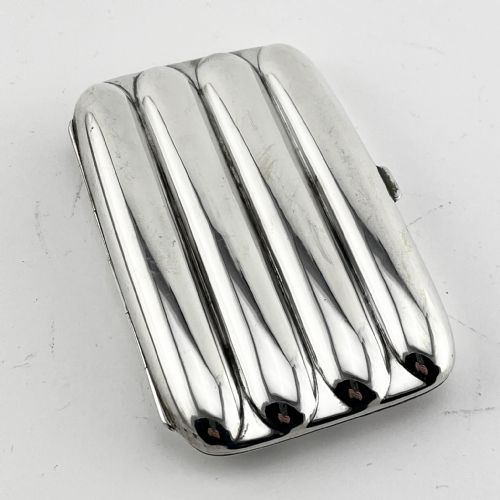
The objects appearing in this selection span vesta cases, cigar and cheroot cases, cigarette cases, table lighters, pipe tampers, and snuff mulls. Pocket vesta cases and cigar cases form the majority of encounters for anyone browsing these items.
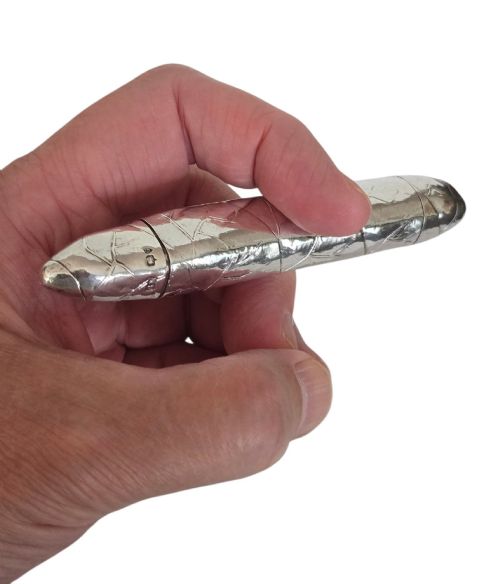
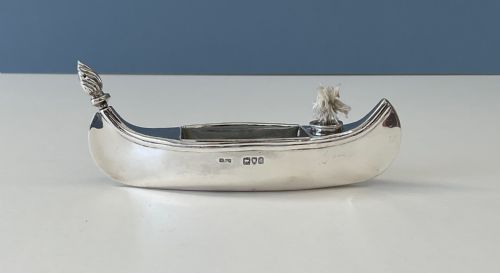
Makers shaped these utilitarian objects into playful novelty forms such as canoes, fire carriages, and dog heads alongside traditional reeded or plain designs. Materials extend beyond pure metal to incorporate amber, leather, horn, crocodile, and glass alongside sterling silver.
Materials and Techniques
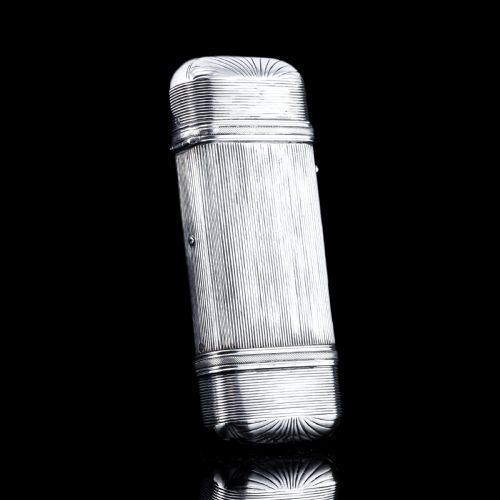
Silversmiths utilised sterling silver and solid silver for the structural body of these cases and lighters, often employing techniques like engine-turning or engraving to create reeded and patterned surfaces. Some items incorporate silver gilt or contrasting 9ct gold mounts.
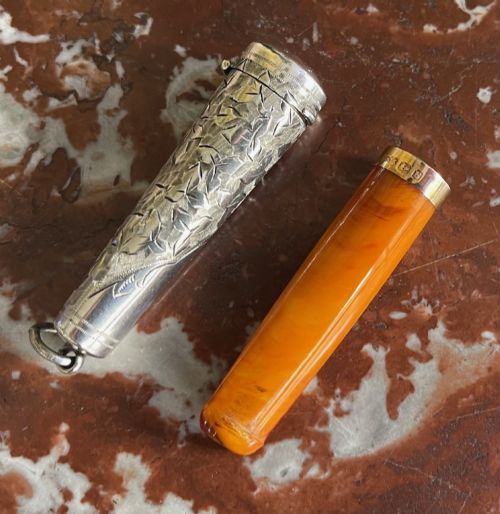
Makers combined silver with organic materials such as amber, leather, horn, fabric wick, and crocodile skin to finish cigar and cheroot cases or mouthpieces. Enamel work also appears on select vesta cases to render detailed imagery like dog heads.
Workshops stamped pieces with hallmarks denoting assay offices, standard marks, and makers' marks, while novelty items required intricate casting and hinged construction to function as match safes or table lighters.
One exceptional smoker's companion takes the literal form of a silver fire carriage.
Factors of Quality
The calibre of a piece rests on the crispness of its chasing, engraving, and overall casting, particularly in novelty forms where anatomical or vehicular details must remain sharp. Finer specimens display unblemished hinges and tightly closing lids that protect matches or cigars.
Material combination dictates distinction, separating standard plain receptacles from those enhanced with enamel portraits, jewelled embellishments, or high-grade amber and leather mounts. Maker attribution to established firms like Sampson Mordan adds discernible weight to an object's execution.
Sampson Mordan & Co·Elkington
The Victorian Tobacciana Silver Glossary
- Vesta case
- A small pocket box designed to hold wax matches, known as vestas, featuring a striking serrated base. These cases typically have a spring-loaded hinged lid to keep the matches dry.
- Snuff mull
- A container used for holding ground tobacco, traditionally fashioned from Scottish horn mounted with silver. These vessels often include small spoons or picks suspended by chains.
- Table lighter
- A stationary smoking accessory placed on a room's furniture, constructed here in novelty shapes like canoes or fire carriages. They burn a fabric wick fed by internal fuel reservoirs.
- Cheroot case
- A slim container engineered specifically to protect open-ended cigars known as cheroots. They frequently pair sterling silver with leather, crocodile skin, or amber components.
- Pipe tamper
- A small tool used by pipe smokers to pack down tobacco inside the bowl evenly. They are often grouped with matching picks for clearing ash.
Victorian Tobacciana Silver: Frequently Asked Questions
What is a vesta case?
A vesta case is a small, portable box designed during the nineteenth century to carry matches safely in a pocket or handbag. They typically feature a hinged lid and a striated patch on the bottom for striking.
Smokers relied on them before safety matches became universal, protecting fragile wax vestas from moisture and accidental ignition against clothing.
What is a snuff mull?
A snuff mull is a receptacle used to store powdered tobacco for nasal consumption, rooted particularly in Scottish traditional craftsmanship. They were frequently carved from ram's horn and trimmed with silver.
These pieces often incorporated tiny attached implements like spoons and picks for dispensing the snuff cleanly.
How do I identify a novelty piece?
Novelty silver tobacciana takes the form of animals, vehicles, or everyday objects rather than standard rectangular boxes. Examples include match safes shaped like dog heads or lighters modelled after watercraft.
Silversmiths designed these to amuse and converse, hiding functional compartments beneath hinged elements of the sculpture.