


Novelty Silver Matchbox
These novelty silver matchbox pieces are whimsical pocket items fashioned into animals, figures and buildings, offering a clever blend of utility and amusement that collectors prize.
Novelty Silver Matchbox
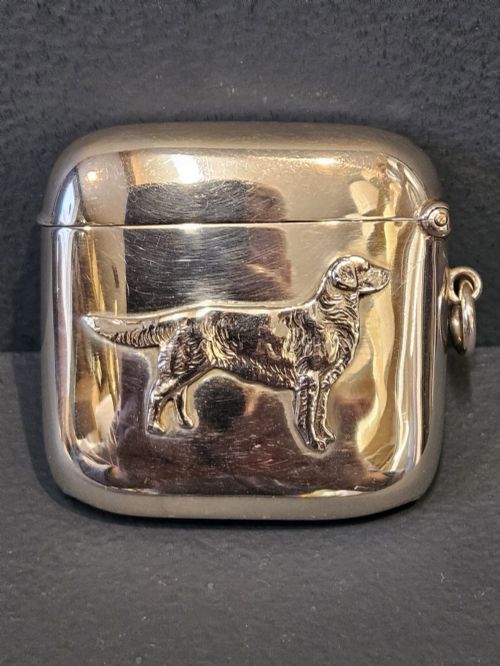
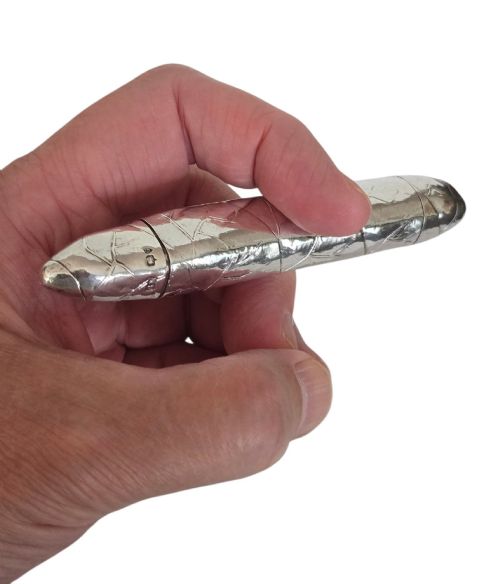
When you search for a novelty silver matchbox, you are looking at small match safes and vesta cases shaped to resemble animals, portraits, structures and everyday objects. These pieces range from Victorian trick cases and sentry boxes to mermaid repousse designs and double-ended cigar holders.
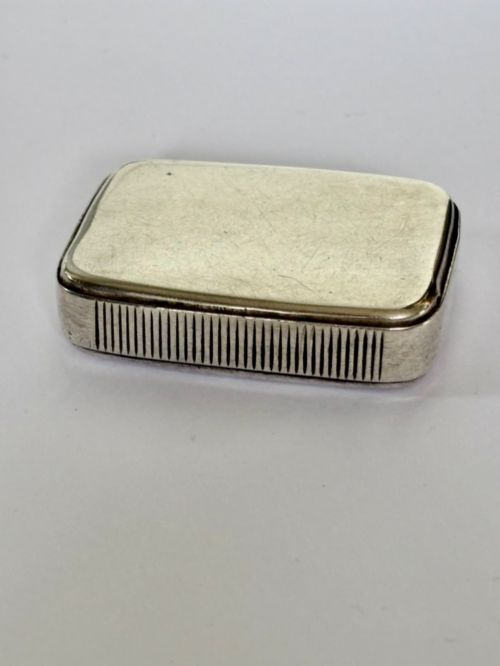
The version you are most likely to meet on this page is a Victorian sterling silver or enamel vesta case dating from the late nineteenth century. These objects combine the practical function of carrying matches with elaborate, sculptural forms produced by notable makers.
The selection encompasses pieces made from sterling silver, silver gilt, nickel-plated brass and enamel, reflecting both high-end silversmithing and more accessible novelty metalwork from the period.
How they were made
Silversmiths utilised sterling silver and silver gilt to form the primary body of the matchbox, often employing repousse techniques to raise intricate designs like mermaids or animal figures from the metal sheet. Hand-chasing added fine details such as fur, scales and architectural brickwork.
Enamel work provided vibrant colour on pieces like sentry box vesta cases, requiring skilled firing to bond the glass paste to the silver base. Other examples combined sterling silver with integrated wax taper holders known as go-to-bed combinations.
What varies in quality
The presence of undamaged enamel and clear hallmarks adds significantly to the standing of a piece. Finer examples also exhibit clever trick mechanisms or multi-part engineering, such as double-ended compartments, rather than simple stamped construction.
Sampson Mordan and Co·A and J Zimmerman·Levi and Salaman
The Novelty Silver Matchbox Glossary
- Vesta case
- A small pocket container designed to hold matches, known as vestas, featuring a textured strike surface on the base. These cases were essential pocket accessories in the nineteenth century before safety matches became universal.
- Sterling silver
- An alloy consisting of pure silver and other metals, usually copper, to increase durability while maintaining a high purity standard. Most quality matchboxes from this period bear marks indicating this standard.
- Silver gilt
- Sterling silver that has been coated with a thin layer of gold on the interior or exterior surfaces. This technique added a rich colour and provided protection against tarnishing.
- Repousse
- A metalworking technique where the artisan hammers the metal from the reverse side to create a raised design in relief on the front. It allowed makers to shape flat silver into rounded animal and figural forms.
- Go-to-bed
- A combination match safe and candle holder used for lighting a bedroom candle before electricity. These pieces include a small wax taper alongside the match compartment.
Novelty Silver Matchbox: Frequently Asked Questions
What are novelty matchboxes called?
These items are frequently catalogued as vesta cases or match safes, deriving their name from the short wax matches they were designed to carry. In period terms, they served as pocket containers for lighting cigars, pipes and lamps.
Collectors and dealers also refer to specific functional variants as go-to-beds or trick cases, depending on whether they incorporate candle holders or hidden opening mechanisms.
How do I spot a trick vesta case?
Trick vesta cases feature concealed hinges, unusual sliding panels or deceptive openings that require the user to press a specific hidden point to access the matches. These playful designs were intended to amuse companions in smoking rooms.
Examination of the edges and seams reveals the subtle division lines where the concealed lid or compartment operates.
What period are most novelty matchboxes from?
The majority of these pieces date from the Victorian era, particularly the late nineteenth century between eighteen eighty and nineteen hundred. This period saw a peak in the production of whimsical silver pocket items.
Later pieces extend into the early twentieth century, reflecting ongoing demand for novelty smoking accessories.