

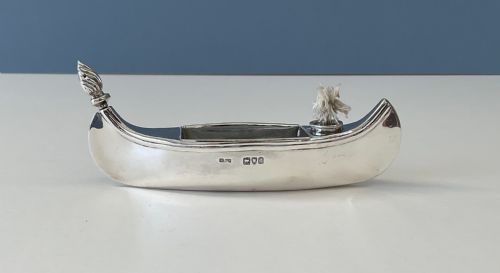


Victorian Tobacciana Accessories
Victorian tobacciana accessories are the functional companions of nineteenth-century smoking culture, offering intricate craftsmanship that collectors prize for everyday display.
Victorian Tobacciana Accessories
Victorian tobacciana accessories comprise the portable and domestic equipment used by nineteenth-century smokers, including vesta cases, cigar cutters, table lighters, and pipe racks. These items bridge utility and ornament, serving the rituals of pipe, cigar, and cheroot smoking.
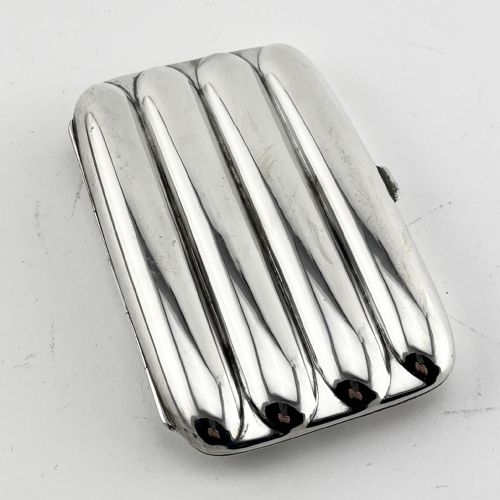
The versions most commonly met on this page stem from the broader Victorian period, alongside pieces marked around eighteen-ninety and nineteen hundred. They take forms ranging from pocket cigar cases to standing table lighters and mounted match strikers.
Makers utilised specific regional traditions, producing items in British and continental workshops. The selection unites silver work with carved woods and utilitarian brass to form a cohesive group of smoking antiques.
Materials and construction
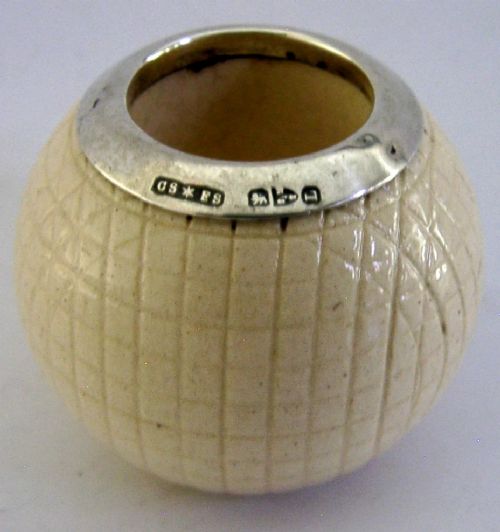
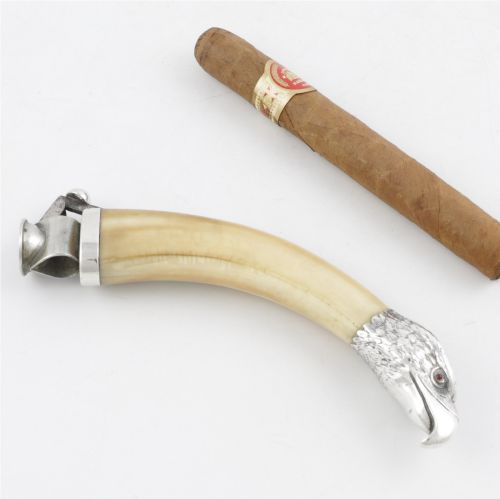
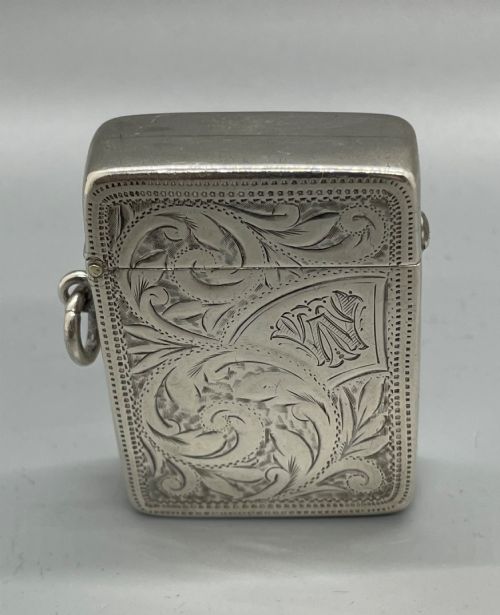
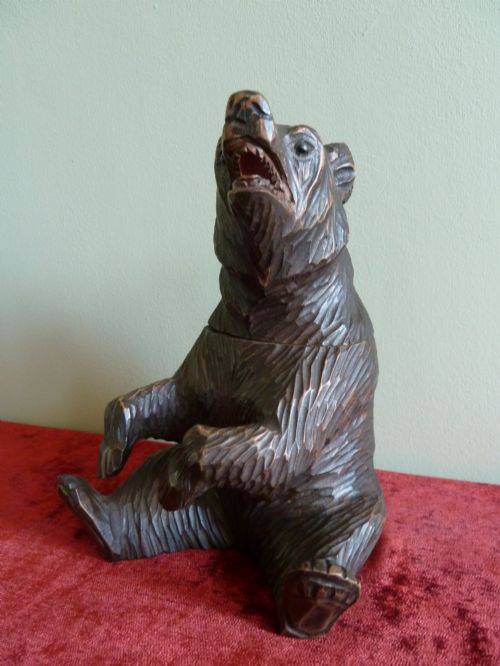
Makers fashioned these pieces from sterling silver, brass, glass, and steel, often combining them with organic elements such as boar tusk, oak, linden wood, mahogany, and crocodile skin. Woodcarvers shaped linden wood into novelty animal forms like bears, whilst metalsmiths hammered and chased sterling silver for pocket and table items.
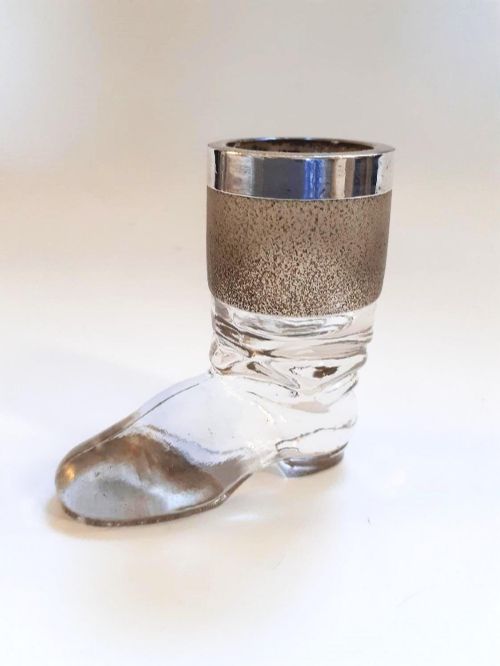
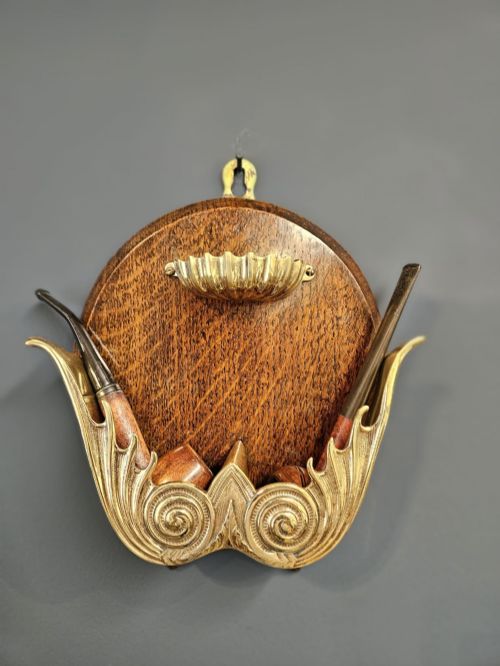
Construction methods relied on precise joining of brass and wood in pipe racks and stands, alongside hinged silver mechanisms for vesta cases and cigar cutters. Glass bodies were fitted with silver mounts to create complex smoking compendiums in novelty shapes.
Victorian Tobacciana Accessories Retail Price Guide 2026
Typical asking prices for victorian tobacciana accessories among the pieces listed under this phrase on Sellingantiques today, from the lower quarter to the upper quarter. They describe what is for sale here now, not the wider market.
Listings feature sterling silver, brass, glass, oak, and linden wood across Victorian and Edwardian periods.
Distinctions in quality
Quality rests upon the crispness of the chased metalwork and the depth of carving in wooden elements such as Black Forest animal figures. Superior pieces display finely articulated novelty designs, such as canoes, fire carriages, and eagle heads, rather than plain utility forms.
The standard of finishing in the hinges of vesta cases, the tautness of crocodile skin mounting, and the structural integrity of fitted glass and silver components divide standard items from exceptional examples.
George Adam Scheid
The Victorian Tobacciana Accessories Glossary
- Vesta case
- A small pocket container designed to hold matches, typically fitted with a striking serration on the base. These cases often feature hinged lids and maker marks.
- Table lighter
- A desk or smoking table accessory designed to ignite cigars or pipes, frequently cast in novelty shapes such as canoes or animals. They incorporate fuel reservoirs and internal wick mechanisms.
- Pipe tamper
- A small tool used to press down burning tobacco inside a pipe bowl, sometimes accompanied by matching picks. They are frequently fashioned from sterling silver.
- Match striker
- A receptacle or surface designed to ignite strike-anywhere matches, often mounted in silver or brass. They appear as standalone table pieces or wall-hanging containers.
- Black Forest
- A style of wood carving originating from the mountain region of Germany, noted for realistic animal figures such as bears holding tobacco containers. These pieces utilise Linden wood.
Victorian Tobacciana Accessories: Frequently Asked Questions
How were table lighters used?
Table lighters sat on smoking desks, mantelpieces, or smoking room tables to provide a shared flame for guests. They often took elaborate novelty shapes, such as canoes or animal figures.
Users would remove the fitted burner to ignite cigars and pipes indoors.
What materials are common?
The pieces utilise a mix of metals, organic substances, and carved timbers. Sterling silver and brass appear frequently alongside oak, mahogany, and linden wood.
Some items incorporate glass, steel, boar tusk, and crocodile skin to add texture and distinction.
How do I date these items?
Dating relies on hallmarks stamped into silver components, stylistic cues of the Victorian and Edwardian eras, and construction techniques. Maker marks and assay office symbols provide precise chronological markers.
Carved wooden pieces are generally attributed through stylistic comparison to regional workshops like the Black Forest tradition.