


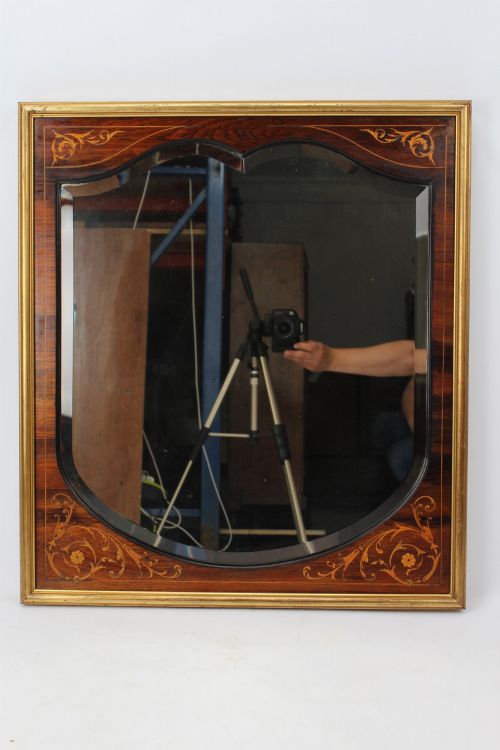

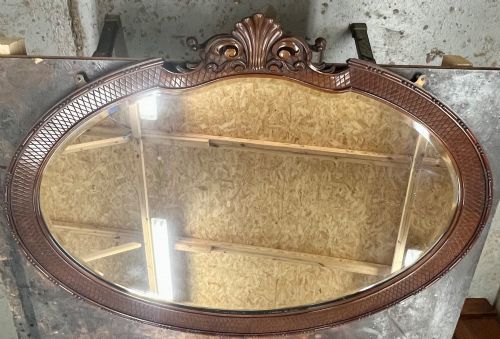
Victorian Timber Mirror
A victorian timber mirror brings warmth and depth to a room through dense hardwoods and honest joinery.
Victorian Timber Mirror
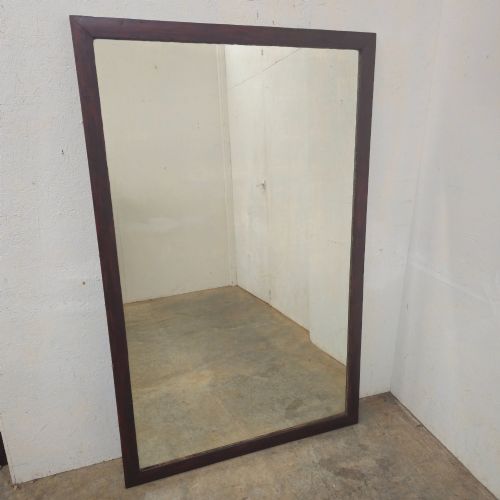
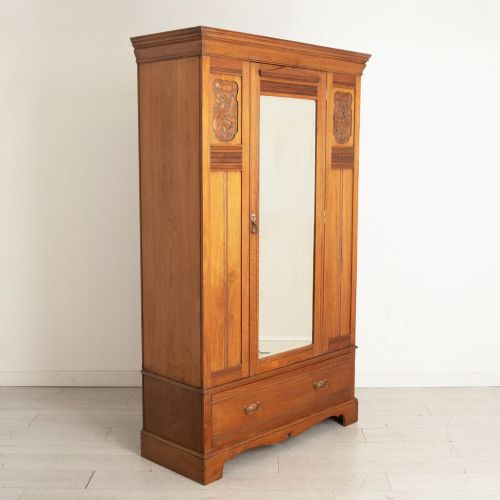
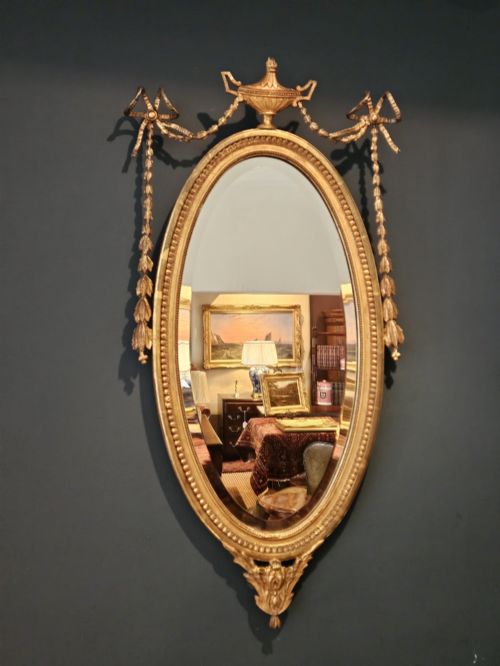
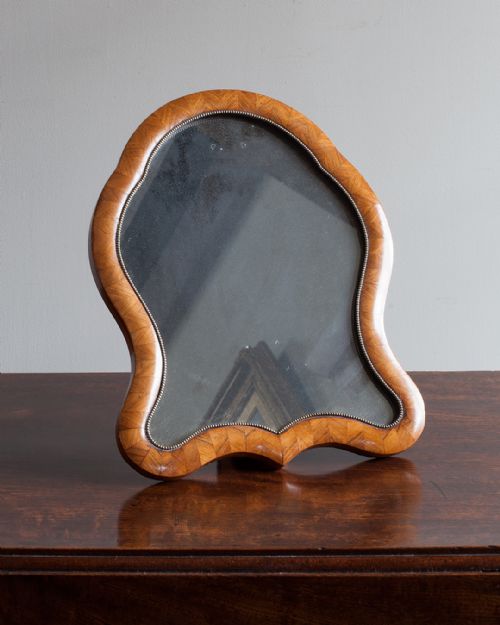
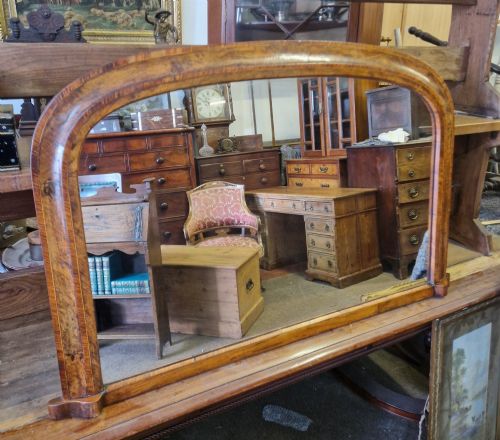
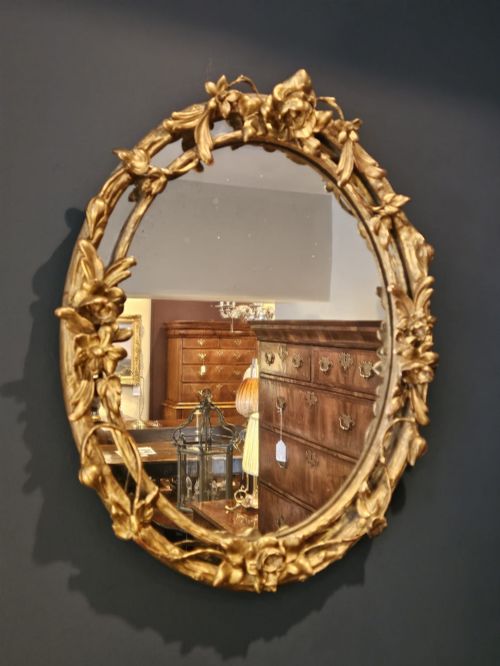
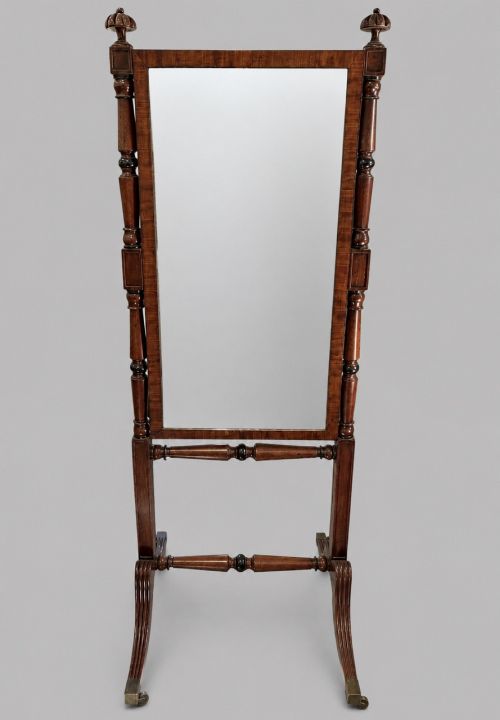
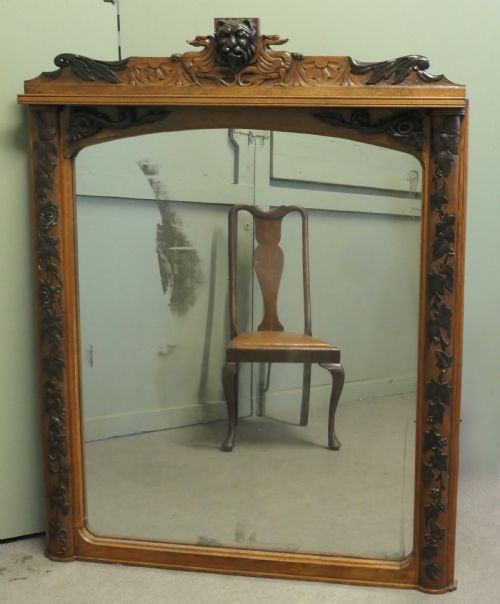
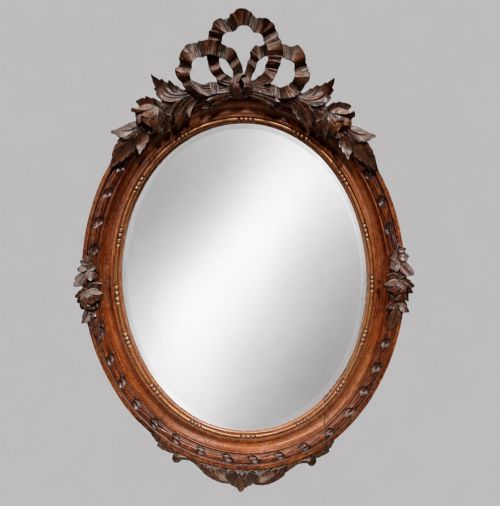
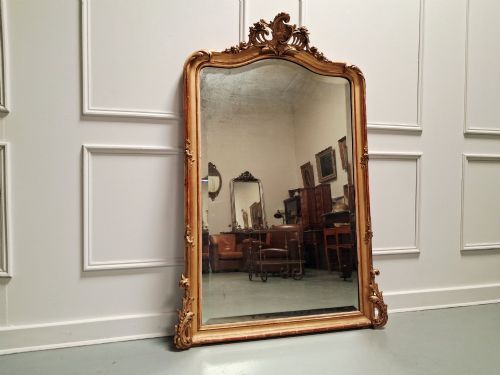
When searching for a victorian timber mirror, buyers encounter a diverse selection of wall hanging, overmantel, and cheval forms dating from the nineteenth century. These pieces reflect the varied domestic interior styles of the period, ranging from robust provincial designs to highly decorative urban examples.
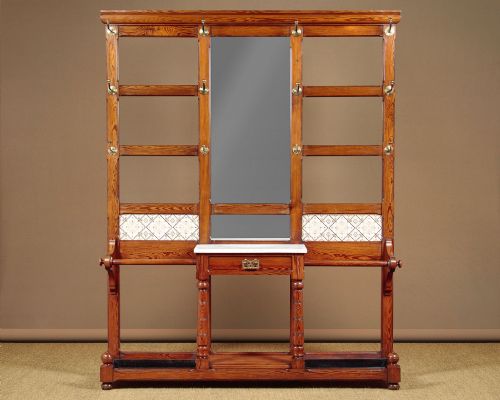
Beyond standard wall fittings, the selection includes specialised items such as hallstands and table mirrors incorporating functional timber frames. These objects demonstrate the practical application of decorative woodworking across various domestic spaces during the Victorian era.
Materials and construction techniques
Frames rely on solid foundational timbers such as oak, mahogany, walnut, and pine, often selected for their strength and grain pattern. Cabinet makers utilised traditional joinery methods to construct sturdy housings capable of supporting heavy glass panels over decades of use.
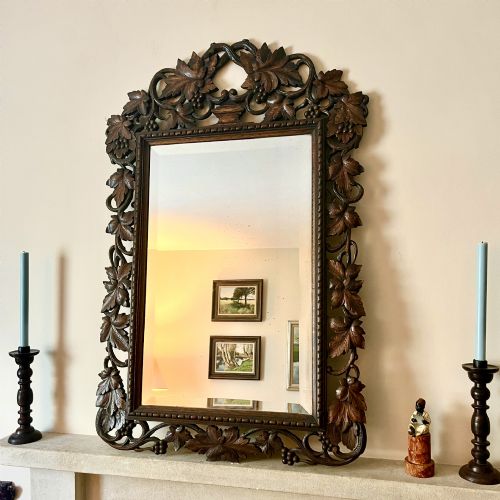
Decorative surface treatments frequently involve hand carving, parcel gilding, and applied wood veneers like rosewood or maple. Specialised regional styles, such as Black Forest carving, employ intricate relief work depicting natural subjects directly onto the wooden substrate.
Victorian Timber Mirror Retail Price Guide 2026
Typical asking prices for victorian timber mirror among the pieces listed under this phrase on Sellingantiques today, from the lower quarter to the upper quarter. They describe what is for sale here now, not the wider market.
Listings feature eighteenth and nineteenth century periods utilising oak, mahogany, walnut, rosewood, and pine across wall, overmantel, and cheval mirror forms.
Assessing craftsmanship and finish
Quality rests in the depth and precision of the timber carving, where hand-tooled execution displays sharper relief and greater naturalism than mechanical production. The selection of the underlying wood grain, particularly in figured mahogany, walnut, or rosewood veneers, dictates the visual richness of the frame.
The integrity of the structural joinery and the original condition of the glass plate influence the overall integrity of the piece. Superior examples maintain uncompromised frames with harmonious integration of brass mounts, gilt accents, and carved pediments.
The Victorian Timber Mirror Glossary
- Overmantel mirror
- A large horizontal mirror designed specifically to hang on the wall directly above a fireplace mantelpiece.
- Cheval mirror
- A freestanding full-length mirror suspended within a vertical wooden frame on pivots, allowing the glass to tilt.
- Pediment
- The decorative architectural crowning feature positioned at the very top of a mirror frame.
- Giltwood
- Timber that has been coated with a thin layer of gold leaf or gold paint to provide a reflective, opulent surface.
- Cushion frame
- A mirror frame with a broad, rounded profile that swells outward toward the outer edge like a pillow.
Victorian Timber Mirror: Frequently Asked Questions
Where should I hang an overmantel mirror?
These large horizontal mirrors anchor comfortably above a living room fireplace or anchor a principal wall in a dining room. Their scale helps distribute natural light across the space while adding architectural presence.
Ensure the wall fixings are secured into solid masonry or structural studs to safely support the considerable weight of the timber and glass combination.
How do I care for antique timber frames?
Dust the carved wooden surfaces regularly with a soft, dry cloth to prevent particulate buildup in the recesses of the carving. Avoid chemical polishes and keep the piece away from direct heat sources to protect the historic wood and finish.
Inspect the hanging wire and backboards periodically to ensure the structural support remains secure against the wall.
What is a Black Forest mirror?
This descriptor refers to highly detailed, rustic wood carvings originating from the mountainous regions of central Europe during the nineteenth century. They typically feature naturalistic motifs such as birds of prey, foliage, and animals.
The deep relief work requires careful dusting with a soft brush to maintain the intricate details without damaging the delicate wooden projections.
How do I distinguish Victorian from Edwardian mirrors?
Victorian pieces often display heavier proportions, darker timbers like walnut and mahogany, and dense decorative carving or gilt accents. Edwardian examples tend to introduce lighter woods such as maple and simpler, more restrained outlines.
Examining the construction of the backing boards and the bevel of the glass plate helps confirm the manufacturing era.