

Victorian Tilt Top Side Table
A victorian tilt top side table combines a pivoting top with a compact tripod or pedestal base for practical versatility.
Victorian Tilt Top Side Table
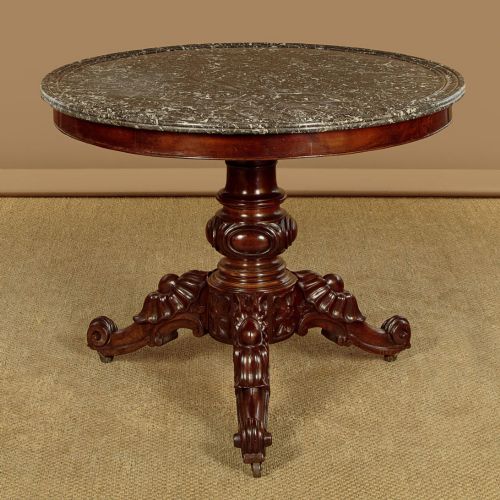
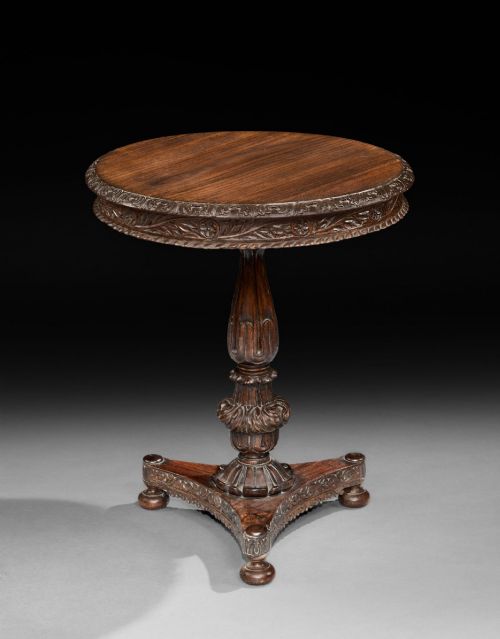
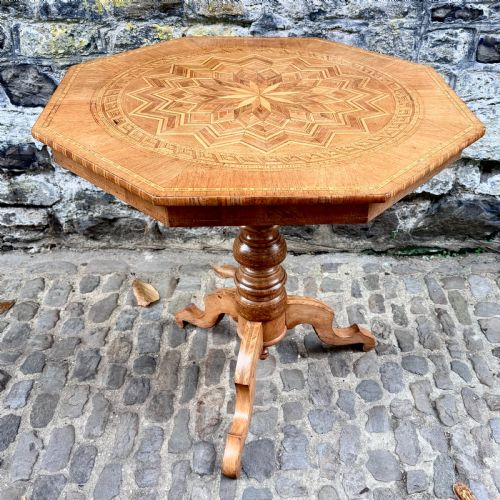
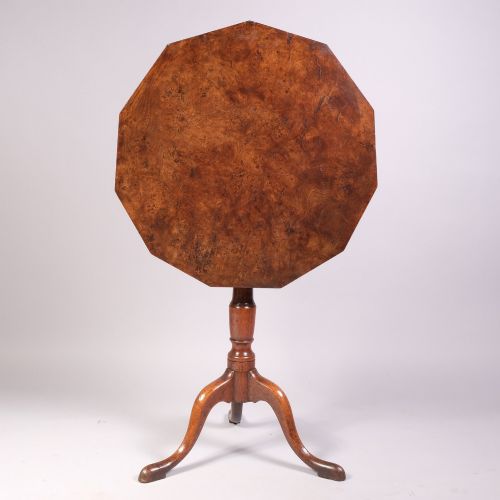
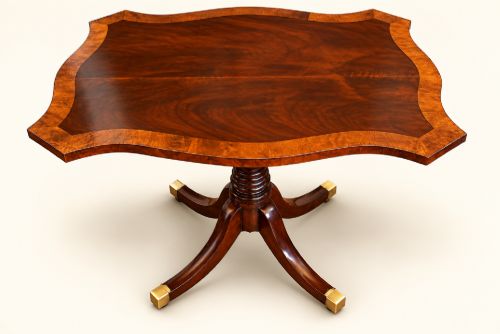
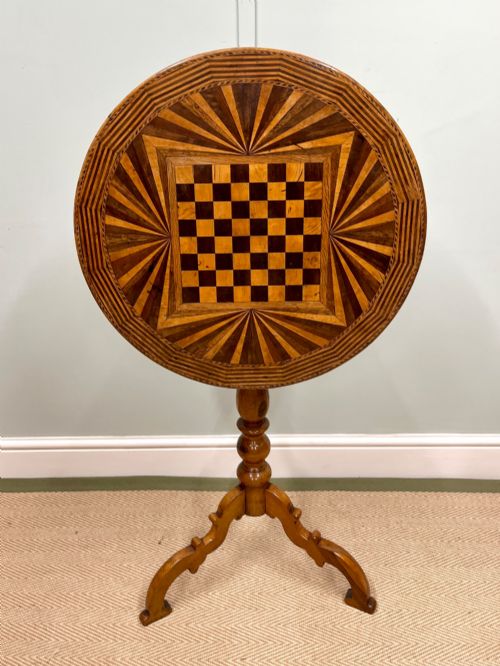
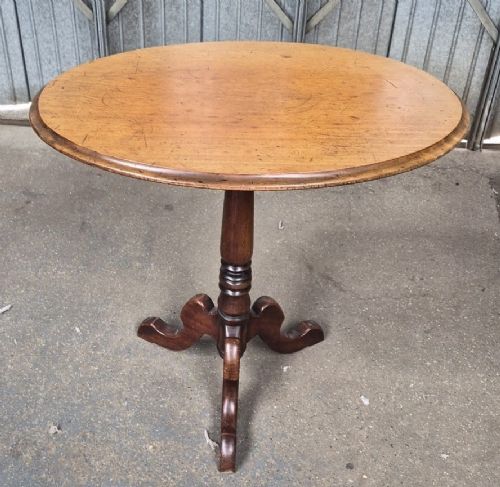
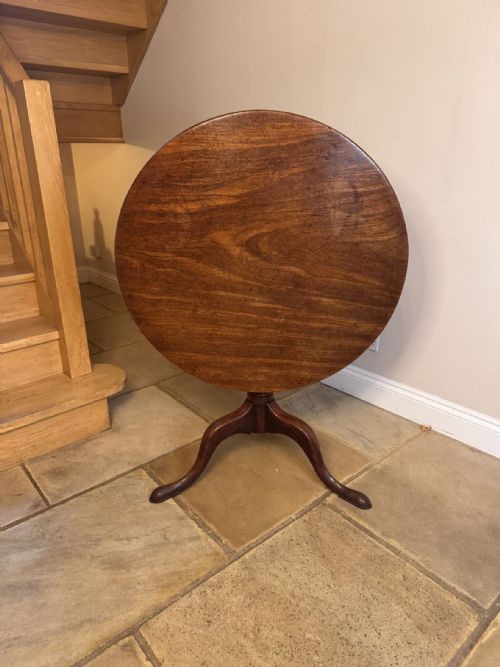
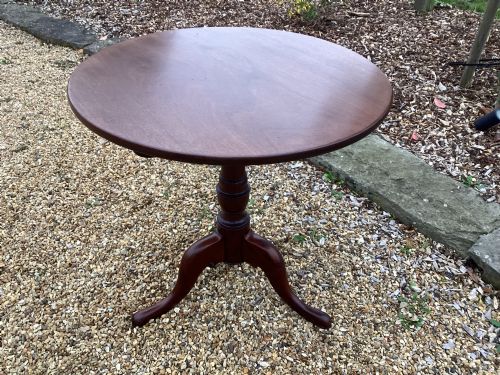
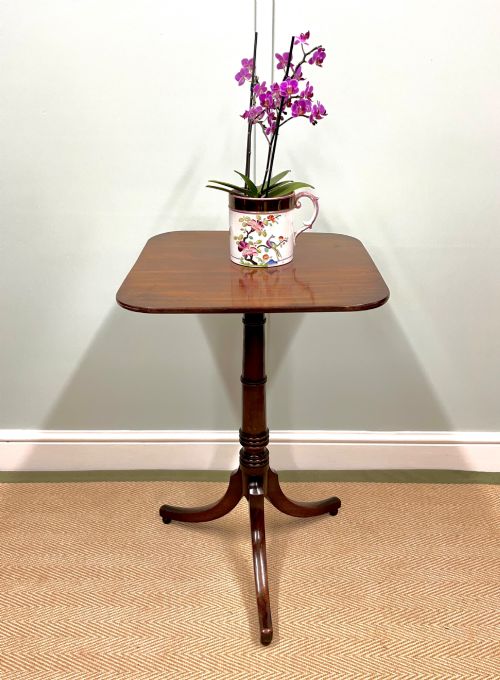
A victorian tilt top side table appears across the nineteenth century in forms such as wine tables, lamp tables, and occasional tables designed to fold flat when not in use. These pieces emerge in styles ranging from plain mahogany or oak to decorative burr walnut, rosewood, and marquetry inlaid designs.
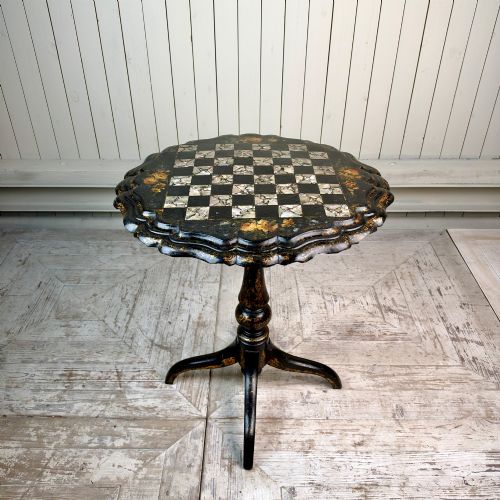
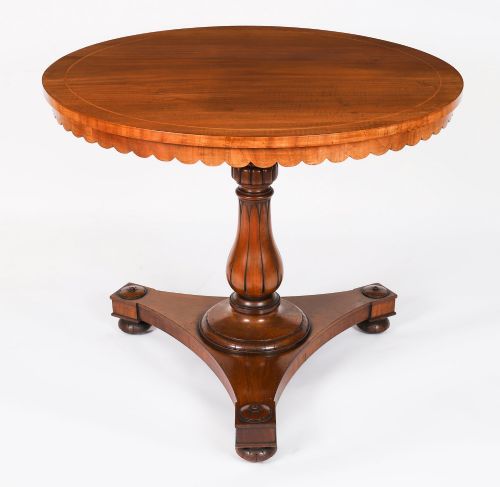
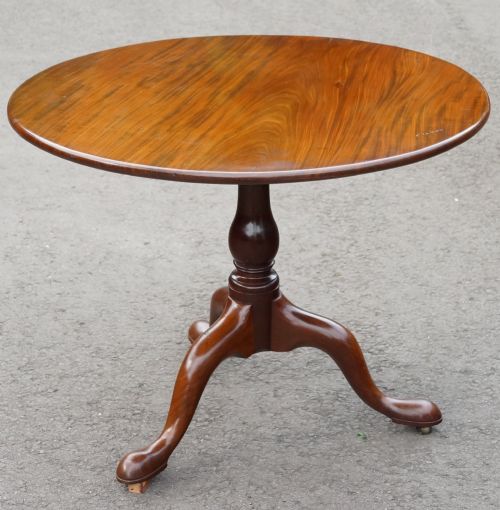
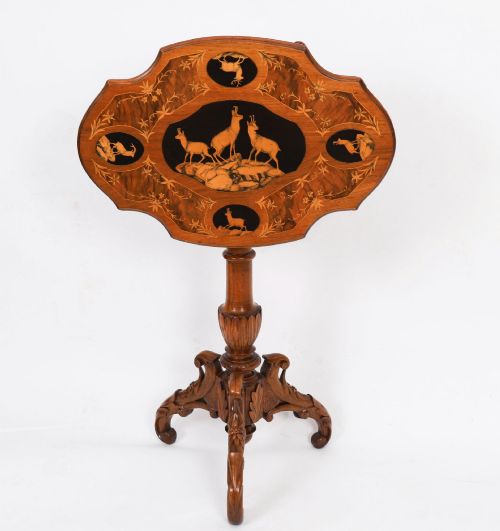
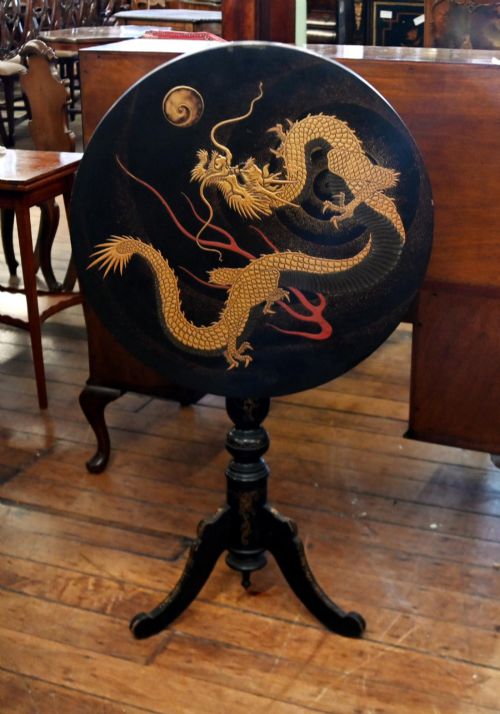
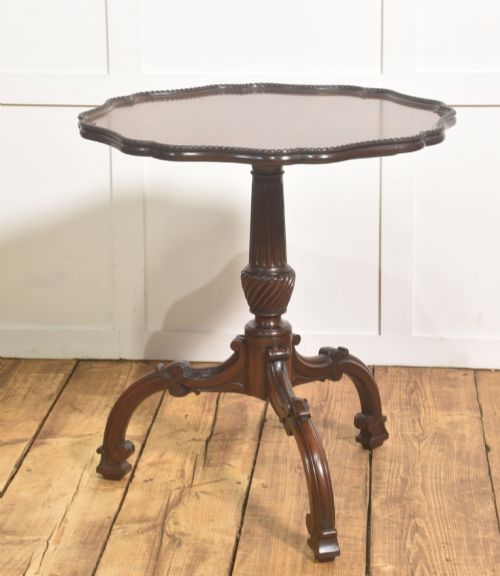
The versions most commonly met on this page date from the mid to late nineteenth century, frequently utilising tripod bases with circular, oval, or scalloped tops. Makers also produced specialised variations including miniature furniture, japanned finishes, and occasional Anglo-Indian or Black Forest interpretations.
Materials and Technique
Cabinetmakers constructed these tables from dense timbers such as mahogany, walnut, and oak, often applying burr walnut or fruitwood veneers to the visible surfaces. Construction techniques include pedestal columns supported by three-legged tripod bases alongside functional wooden or brass pivoting mechanisms.
Decoration relied heavily on natural wood grains supplemented by marquetry inlay, mother-of-pearl, parcel gilding, and hand-painted or lacquered motifs. Specialised examples incorporate carved linden wood, papier-mâché, and shaped piecrust edges.
Victorian Tilt Top Side Table Retail Price Guide 2026
Typical asking prices for victorian tilt top side table among the pieces listed under this phrase on Sellingantiques today, from the lower quarter to the upper quarter. They describe what is for sale here now, not the wider market.
Listings feature woods such as mahogany, walnut, burr walnut, oak, fruitwood, and linden wood alongside papier-mâché.
Craftsmanship and Construction
The standard of a victorian tilt top side table depends on the choice of timber and the precision of the pivoting mechanism. Finer examples display carefully matched burr walnut veneers, crisp carving, and robust pedestal joints that maintain stability in both positions.
Surface ornamentation distinguishes utilitarian pieces from finer parlor furniture, with detailed marquetry, mother-of-pearl inlay, and hand-applied paintwork marking higher tiers of execution. Original pivoting hardware and well-balanced tripod legs also separate better-preserved specimens.
The Victorian Tilt Top Side Table Glossary
- Tilt top
- A tabletop mounted on a pivoting mechanism that allows the surface to rotate vertically for storage.
- Tripod base
- A support structure featuring three legs radiating from a central pedestal column.
- Marquetry
- Decorative patterns formed by fitting together contrasting pieces of wood veneer onto a surface.
- Piecrust edge
- A raised, carved tabletop perimeter shaped into alternating curves and points resembling pastry.
- Burr walnut
- Timber taken from a tree growth that yields highly figured, swirling grain patterns favored for veneers.
Victorian Tilt Top Side Table: Frequently Asked Questions
What is a tilt top side table used for?
These tables served as versatile furniture for holding lamps, wine glasses, or reading material in nineteenth century parlours and drawing rooms.
Their pivoting mechanism allowed the top to fold upright so the table could stand flat against a wall when floor space was needed.
How do I care for a veneer table?
Keep the wood away from direct heat sources and strong sunlight to prevent the timber and delicate veneers from drying out.
Dust regularly with a dry cloth and avoid applying modern chemical polishes that can damage historic finishes.
How can I tell the period?
Dating relies on observing timber choices, construction methods, and stylistic details typical of nineteenth century cabinetmaking.
Earlier pieces often feature plain solid mahogany, while mid to late Victorian versions frequently incorporate burr walnut veneers, marquetry inlay, or revival styles.
Are these tables sturdy?
The stability depends on the condition of the central pivoting catch and the alignment of the three tripod legs.
A properly adjusted mechanism holds the top firmly horizontal during everyday use without excessive wobble.