

Victorian Tiered Shelving
Victorian tiered shelving brings layered display space to a room, combining open timber tiers with upright supports for books and ornaments.
Victorian Tiered Shelving
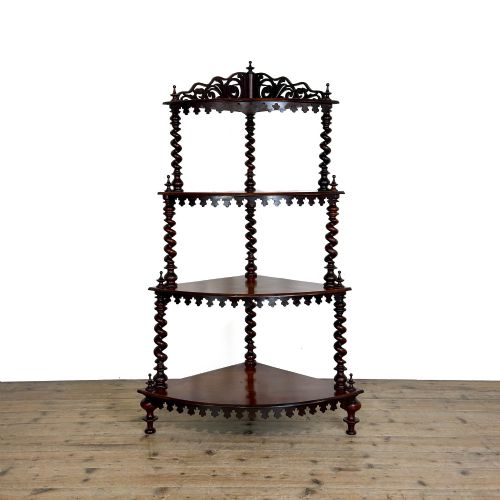
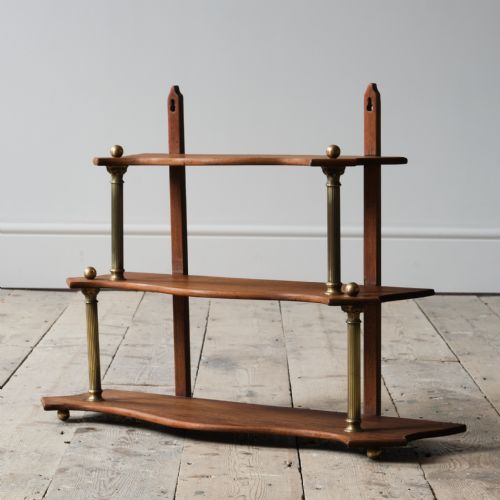
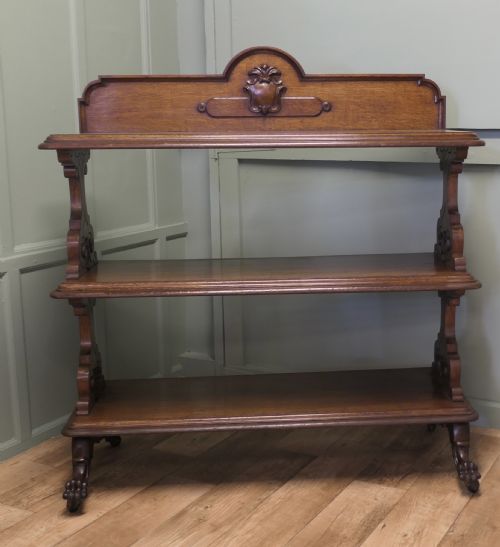
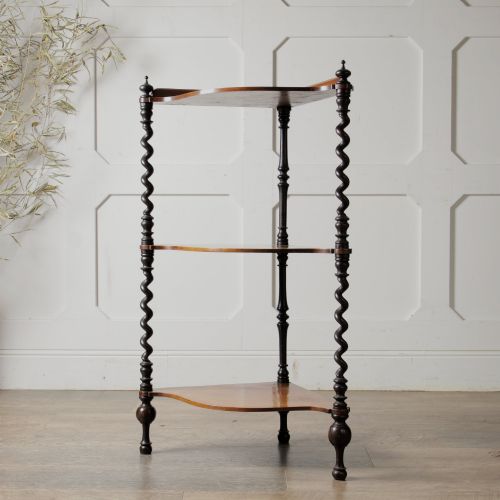
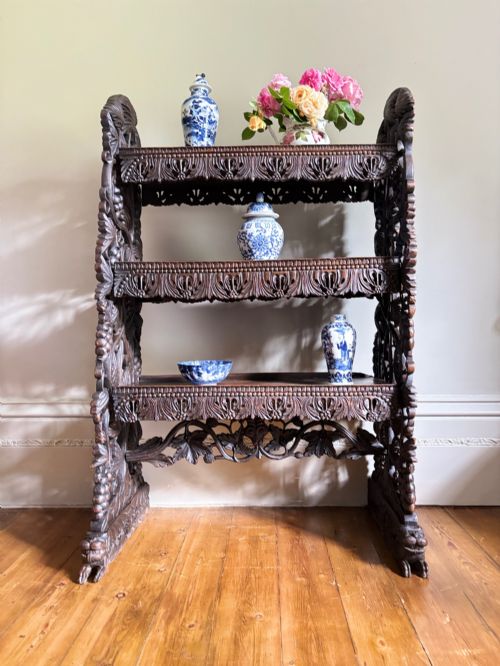
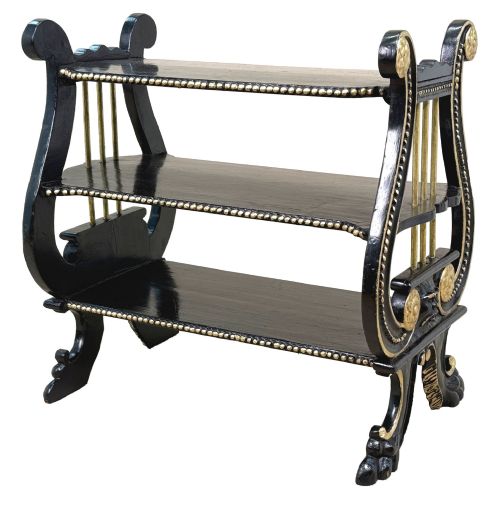
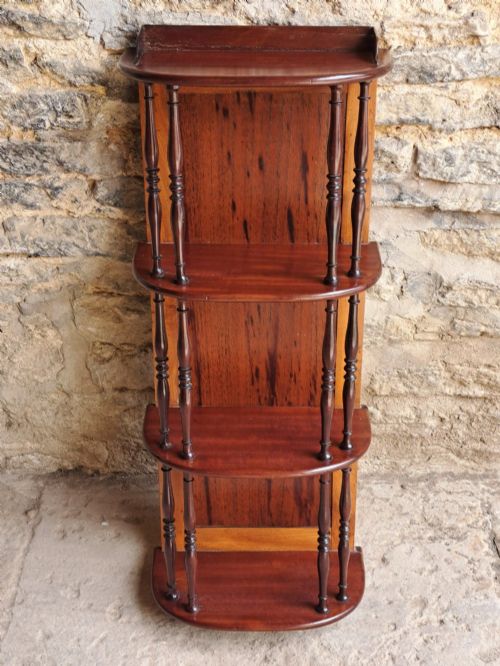
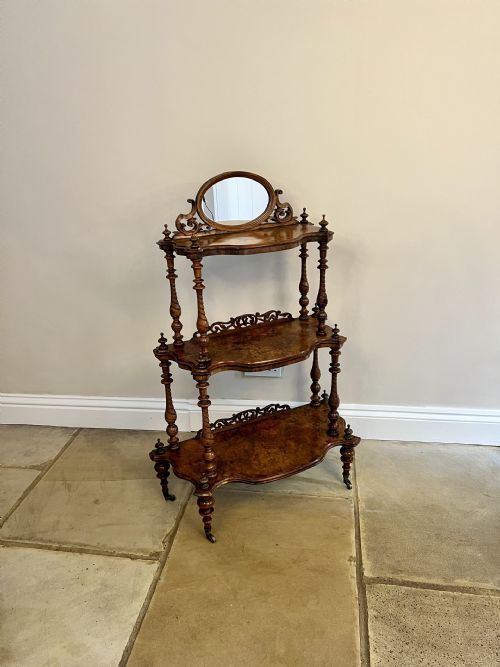
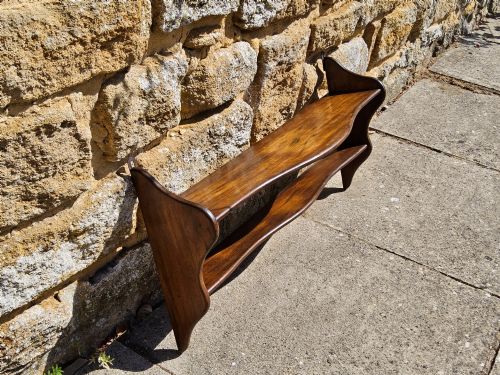
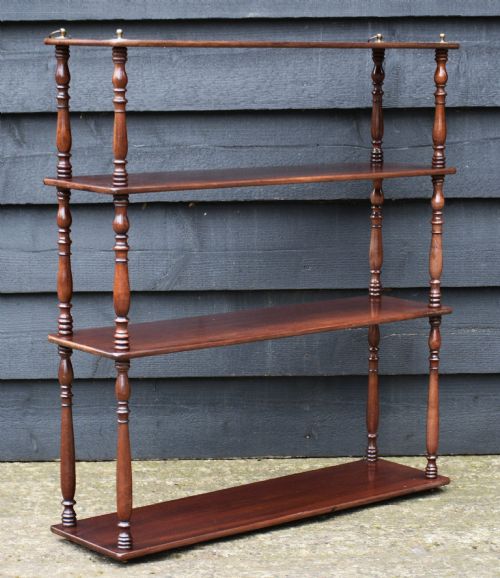
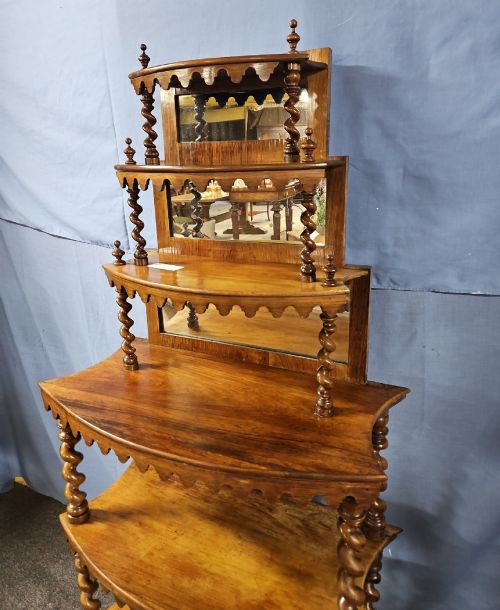
Victorian tiered shelving primarily takes the form of whatnots, etageres, and wall-hanging shelves built across the nineteenth century. These pieces offer multiple horizontal levels supported by columns, barley twists, or upright panel sides, designed to hold books, ceramics, and ornaments in reception rooms and parlours.
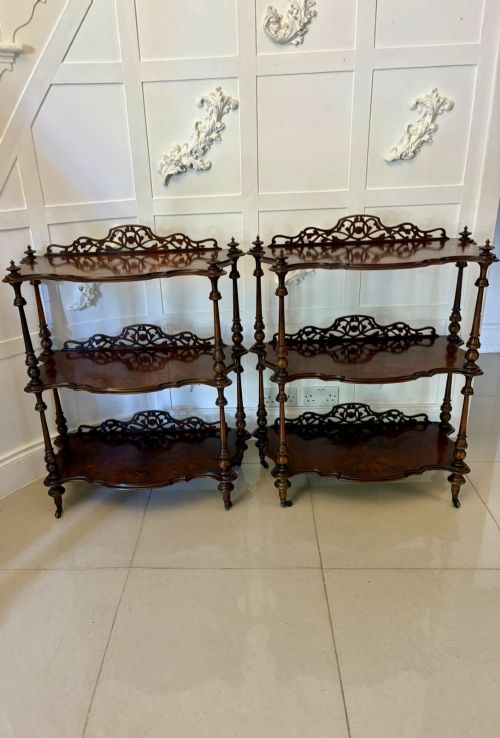
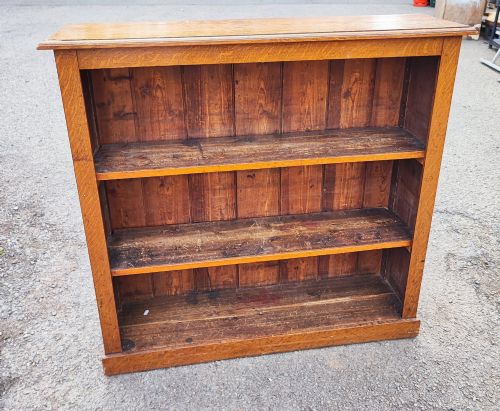
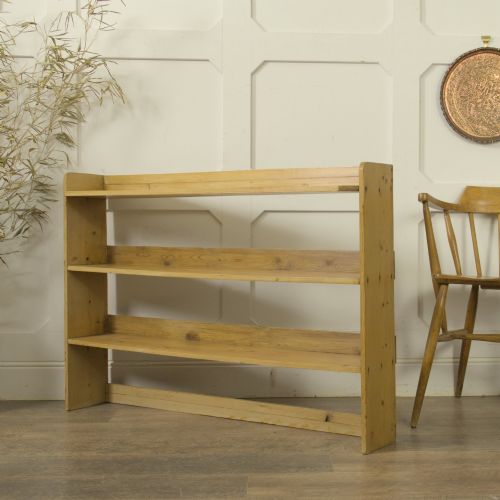
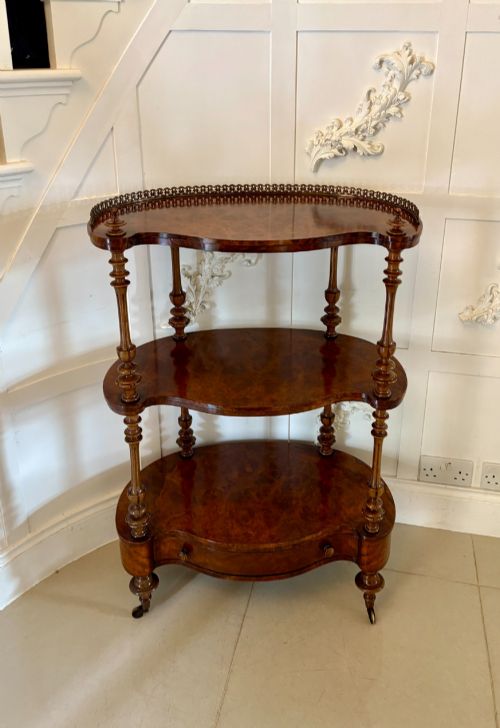
The selection ranges from corner whatnots and serpentine-shaped walnut stands to slim mahogany etageres and large oak bookcases. Most examples adhere to nineteenth-century British cabinet-making traditions, though variations encompass French mannerisms, Anglo-Indian padauk constructions, and rustic country pine formats.
Materials and Construction
Cabinet-makers relied heavily on dense hardwoods such as mahogany, walnut, burr walnut, and rosewood, frequently selecting figured veneers for top surfaces and cabinet bases. Ebonised wood, satin birch, birdseye maple, and oak also appear, sometimes paired with brass mounts, gilt metal, or brass castors.
Construction techniques involve joining horizontal timber tiers to vertical supports, ranging from turned columns and barley twists to fixed wall brackets. Finer pieces incorporate carved detailing, inlaid motifs, and tiered graduating shelves that narrow toward the top.
Some six-tier ebonised dumb waiters from eighteen-sixty double as towering repositories for afternoon tea debris and forgotten volumes.
Judging Quality
Quality rests in the choice of timber and the handling of grain, particularly where burr walnut, rosewood, or figured mahogany veneers cover the tiers. Superior examples show careful matching of wood figures across multiple shelves and crisp execution in turned supports or carved ornaments.
Structural integrity and proportion distinguish better pieces from simpler utility shelving. Refined joints, balanced tier spacing, and integrated details such as brass gallery rails or original castors elevate the standing of a whatnot or etagere.
The Victorian Tiered Shelving Glossary
- Whatnot
- A piece of furniture consisting of several open shelves for displaying small objects. They became popular in the nineteenth century for drawing rooms.
- Etagere
- A piece of furniture with a set of open shelves for displaying ornaments. Originating in France, these stands often feature slender upright supports.
- Barley Twist
- A type of turned wooden column resembling the spirals of barley sugar. This decorative turning style is common on nineteenth-century vertical supports.
- Serpentine
- A curved shape resembling a snake, featuring a convex centre flanked by concave curves. Cabinet-makers used this outline on the front edges of shelves and tabletops.
- Padauk
- A heavy tropical hardwood with a reddish hue used in cabinet-making. Pieces utilising this timber occasionally originate from Anglo-Indian workshops.
Victorian Tiered Shelving: Frequently Asked Questions
Where should I place tiered shelving?
These pieces suit living rooms, studies, and hallways where vertical display space is needed without blocking light. Corner versions fit unused room angles efficiently.
Freestanding etageres and whatnots stand well against plain walls, while hanging shelves clear floor space in compact areas.
How do I care for polished wood shelves?
Dust regularly with a soft, dry cloth to prevent grit accumulation on polished mahogany, walnut, or rosewood surfaces. Avoid placing furniture in direct sunlight or near heat sources to protect the timber and veneer.
Apply occasional appropriate wax polish to nourish the wood and maintain its natural sheen without creating a heavy buildup.
Can these shelves hold heavy books?
Wall-hanging shelves depend entirely on the strength of their fixings and wall construction, making them better suited for lighter volumes and decorative objects. Heavier books sit safely on sturdy floor-standing bookcases and robust oak or mahogany whatnots.
Check the thickness of the timber tiers and the rigidity of the upright supports before loading any shelf with dense folios.
How do I date a Victorian piece?
Dating relies on observing timber choices, construction methods, and stylistic cues recorded across the nineteenth century. Burr walnut and ebonised finishes often point toward the middle and later decades of the period.
Turned elements like barley twists and the presence of brass castors provide further clues when compared against documented nineteenth-century cabinet designs.