






Victorian Textile Wall Hanging
These Victorian textile wall hanging examples bring rich texture and heritage colour directly into your interior spaces.
Victorian Textile Wall Hanging
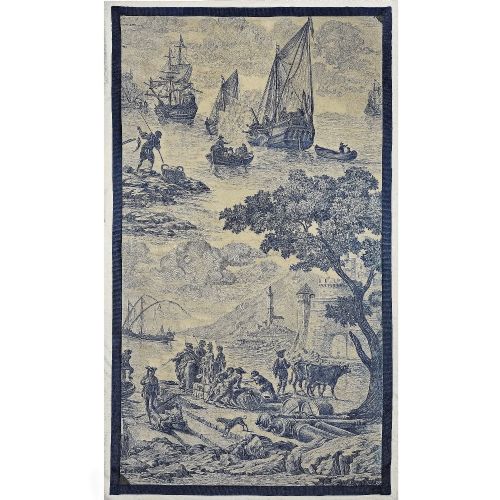
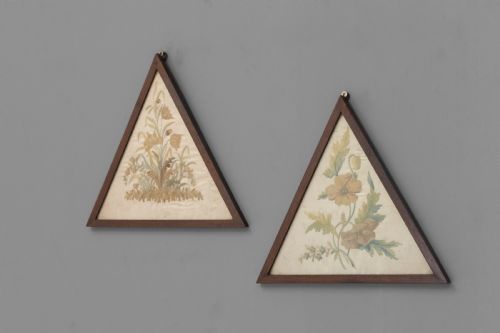
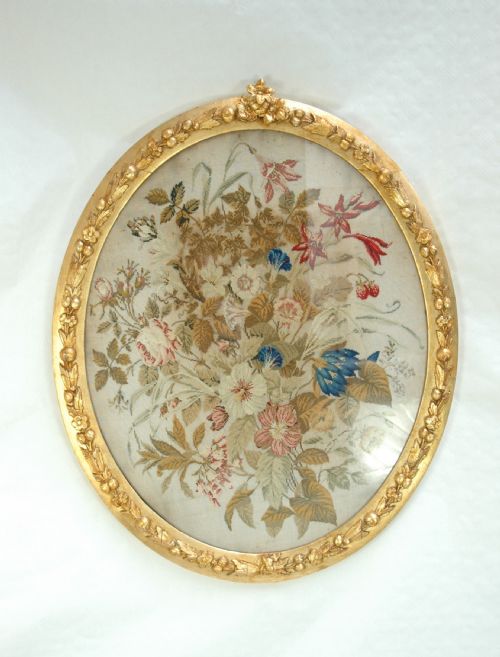
A victorian textile wall hanging encompasses a diverse range of fabric arts designed for interior display, from framed needlework to large woven panels. When exploring a victorian textile wall hanging selection, you encounter items shaped by nineteenth century tastes across Britain, Europe, and beyond.
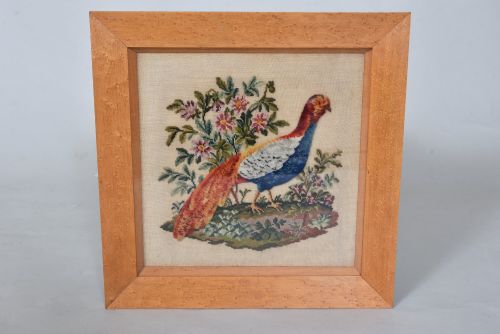
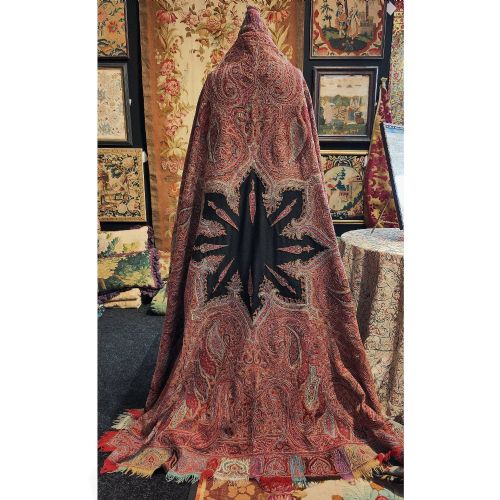
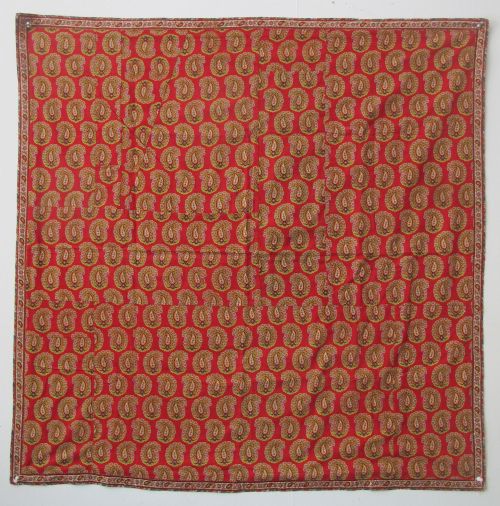
The objects span varied domestic and ceremonial forms, including embroidered silk bell pulls, large wool shawls, patchwork panels, and historic flags. Many pieces incorporate timber frames or glass protection to preserve the delicate fabrics during display.
Geographic influences stretch from English country houses to Central Asian workshops, introducing diverse motifs into nineteenth century interiors. Collectors select these items to introduce historic depth, tactile warmth, and intricate pattern work to plain wall surfaces.
How they were made
Maker construction relies heavily on natural fibres such as wool, cotton, silk, and linen, often combined on canvas foundations. Artisans utilised needlework techniques like gros point and plushwork alongside blockprinting and traditional weaving methods.
Mounting and framing frequently involved wood and brass components to support heavier textiles like tapestries and large embroidered squares. These durable material combinations ensured that delicate surface stitching remained stable over decades of interior display.
Victorian Textile Wall Hanging Retail Price Guide 2026
Typical asking prices for victorian textile wall hanging among the pieces listed under this phrase on Sellingantiques today, from the lower quarter to the upper quarter. They describe what is for sale here now, not the wider market.
What varies in quality
Quality differences emerge through the precision of the needlework, the complexity of the woven motifs, and the integrity of the natural fibres. Pieces featuring intricate silk embroidery or detailed tapestry scenes demonstrate greater artisan skill than simpler printed cotton panels.
Condition and completeness also separate standard examples from finer items, particularly regarding original backing materials and structural framing. Items retaining their full scale, vibrant natural dyes, and undamaged wooden or brass mounts command stronger interest from serious collectors.
The Victorian Textile Wall Hanging Glossary
- Plushwork
- A form of embroidery utilising raised, cut-pile stitches that create a tactile, velvety surface texture. This technique often appears on nineteenth century animal depictions and figural panels.
- Bell pull
- A long, narrow decorative strap connected to a mechanical bell system in historic homes. Examples often combine embroidered silk, wool, and brass hardware.
- Suzani
- A large, embroidered tribal textile originating from Central Asia, typically worked in silk on a cotton foundation. These vibrant pieces feature bold botanical motifs and geometric medallions.
- Gros point
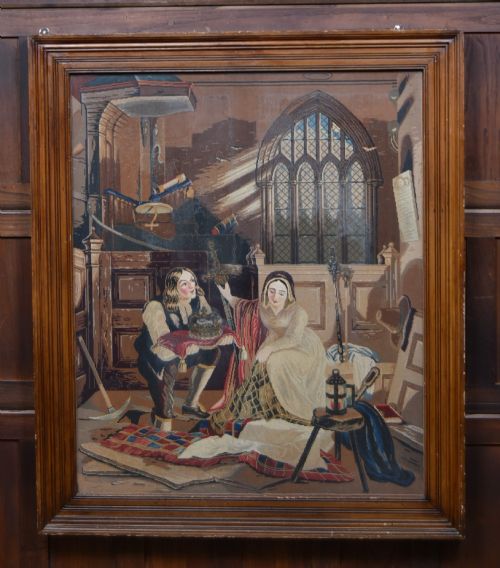
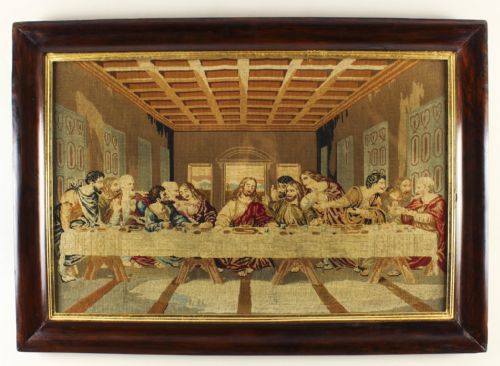
- A counted-thread needlepoint stitch worked on canvas using wool or silk yarn. It produces a durable, textured surface frequently employed for historic pictorial scenes.
- Chuval
- A large tent bag produced by Turkmen nomadic groups, featuring traditional gul motifs. These woven items are often displayed flat as decorative wall panels.
Victorian Textile Wall Hanging: Frequently Asked Questions
How do I hang a heavy textile safely?
Support heavy woven or framed textiles evenly across their width using appropriate timber battens or secure mounting brackets.
Avoid hanging large fabric pieces in direct sunlight to prevent fading of the historic wool, cotton, and silk threads.
What is a gros point needlework panel?
Gros point is a robust needlepoint technique worked on canvas using heavy yarns to create pictorial wall art.
These panels often depict narrative scenes or figures and were frequently framed behind glass in nineteenth century homes.
How do I identify a Kashmiri shawl?
Kashmiri shawls, including amli rumals, feature intricate fine wool embroidery worked in elaborate boteh and paisley patterns.
These textiles demonstrate exceptional handwork originating from the Kashmir region during the nineteenth century.
Can I clean an antique fabric wall hanging?
Surface dust can be removed gently using a soft brush or low-suction vacuum through a protective mesh screen.
Wet cleaning historic textiles requires specialist textile conservators to prevent dye bleeding and fibre degradation.