

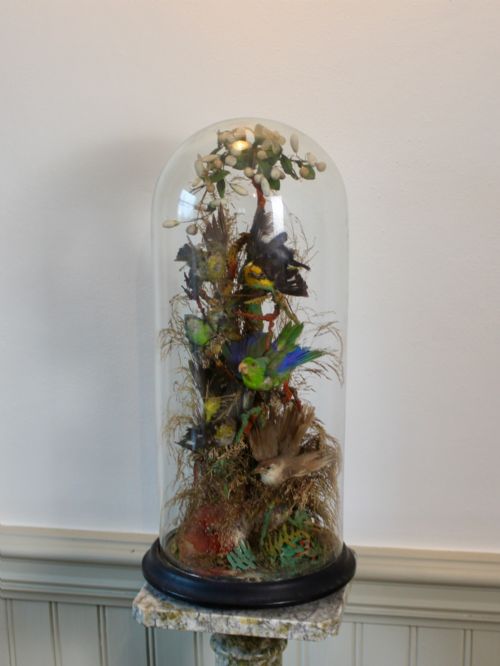


Victorian Taxidermy Display Case
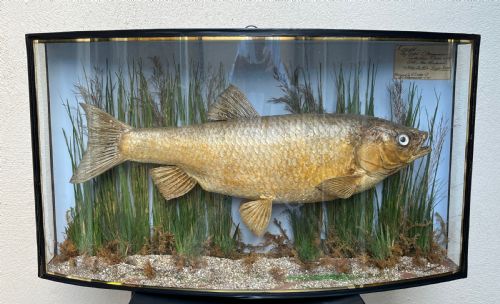
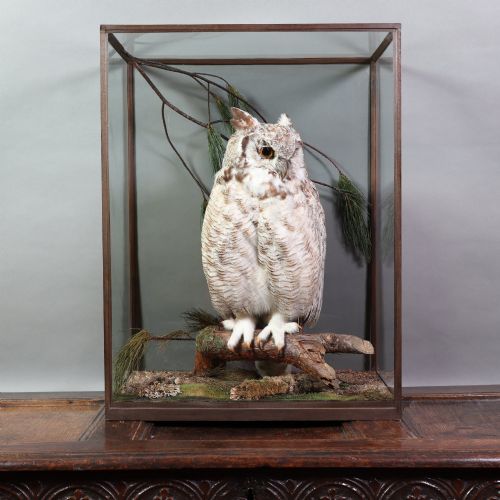
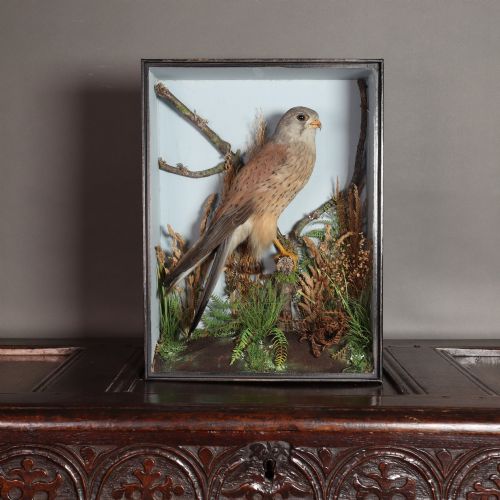
A victorian taxidermy display case preserves birds, mammals and fish behind glass for domestic natural history study.
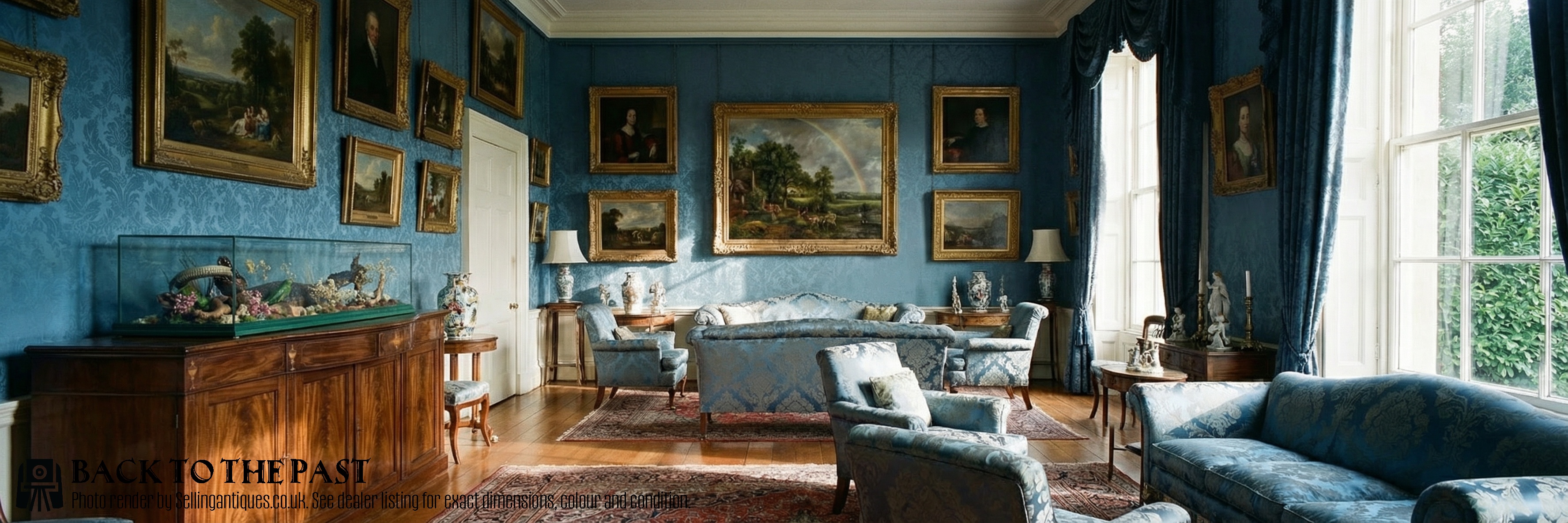
Victorian Taxidermy Display Case
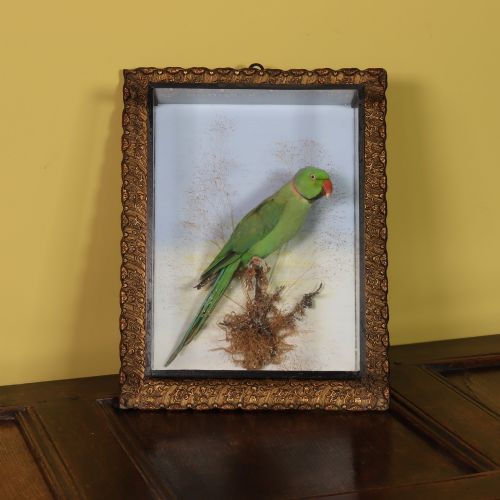
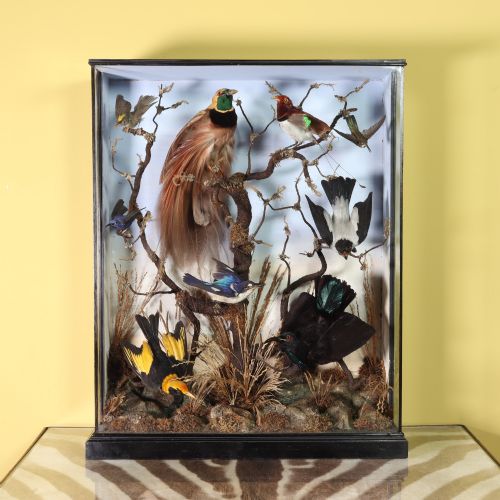
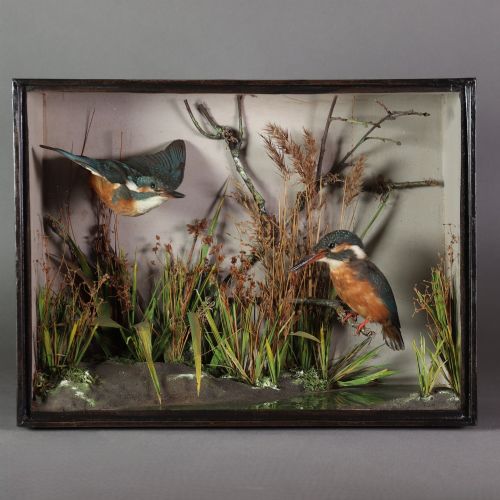
A victorian taxidermy display case brings preserved specimens into domestic rooms inside tailored glass enclosures, protecting delicate feathers and fur from household dust. The versions found on this page span the nineteenth century into the early twentieth century, incorporating styles labelled as Victorian Natural History and Victorian Sporting.
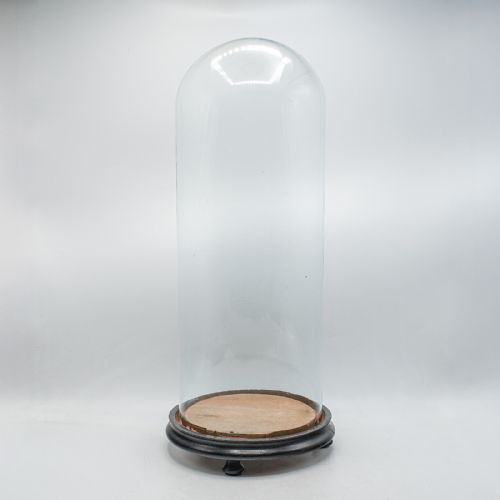
Most examples house single birds, pairs or small compositions set against painted backgrounds or naturalistic foliage. The broader category also includes freestanding glass domes and cloches that cover mounted specimens resting on wooden bases.
Materials and Construction
Makers housed preserved specimens within wooden cabinets, wall cases and flat-sided domes using blown glass panels joined to timber frames. Interiors frequently incorporate paper, fabric and dried moss to recreate natural habitats for birds, fish and mammals.
Wood varieties such as ebonised timber, oak and mahogany formed the structural bases and surrounds, often paired with mirrored backs to reflect light through the glass enclosure.
Listings record specimens housed in ebonised wood, oak and mahogany alongside glass domes paired with wooden bases.
Distinctions in Execution
Quality rests upon the anatomical accuracy of the taxidermy and the naturalism of the internal setting, where detailed painted backdrops and convincing foliage separate skilled work from simpler mounts. The clarity and thickness of the original blown glass and the cabinet joinery further distinguish workshop standards.
Little and Co·J Griffiths of Burford·Rowland Ward Ltd·T E Gunn·William Bazeley and Sons·S King·Hutchings of Aberystwyth·James Jones·J Cooper and Sons·James Gardner·W F Homer·Davis and Co Bristol
The Victorian Taxidermy Display Case Glossary
- Taxidermy display case
- A glass-fronted wooden box designed to enclose and protect preserved animal specimens.
- Glass dome
- A blown glass cover shaped to protect a mounted specimen or object resting on a flat base.
- Cloche
- A bell-shaped glass cover utilised for tabletop display of delicate specimens.
- Naturalistic setting
- An artificial habitat constructed inside a case using moss, paper, fabric and painted backgrounds.
Victorian Taxidermy Display Case: Frequently Asked Questions
Where were these cases placed in nineteenth century homes?
These enclosures sat in studies, libraries and drawing rooms where families displayed natural history specimens for guests.
Their glass covers kept delicate plumage clean while allowing close inspection of exotic and native birds.
How do I clean the glass on a display case?
Use a soft cloth dampened slightly with water or a mild glass cleaner applied directly to the cloth rather than the wood.
Avoid spraying liquid near antique wooden frames or old paper backgrounds.
Are the mounts inside original to the cases?
Most specimens and their surrounding moss, paper or painted backgrounds remain intact together from the original workshop assembly.
Taxidermists built the interior habitat specifically to fit the dimensions of each individual wooden case or dome.
How do I distinguish Edwardian cases from Victorian examples?
Edwardian versions typically date from the early twentieth century and often feature simpler oak frames or lighter woods.
Victorian pieces frequently utilise ebonised wood or heavier mahogany surrounds with ornate mouldings.