

Victorian Tableware Set
These dining pieces bring nineteenth-century refinement to the table through matched silver, ceramic services, and condiment cruets.
Victorian Tableware Set
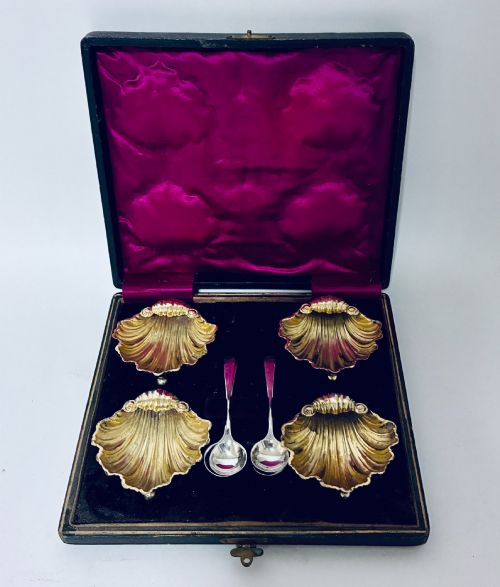
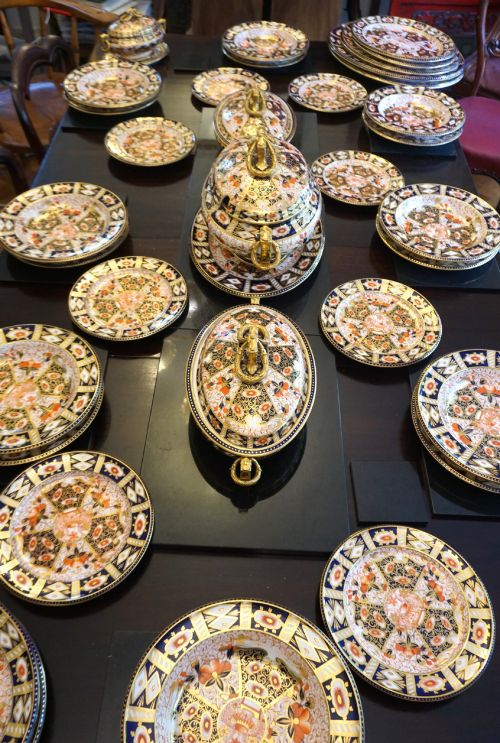
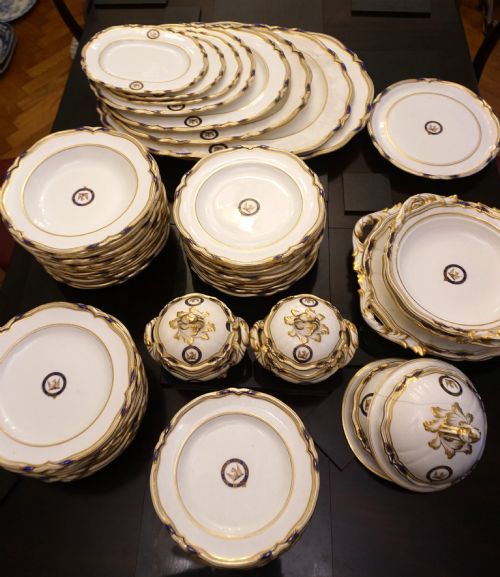
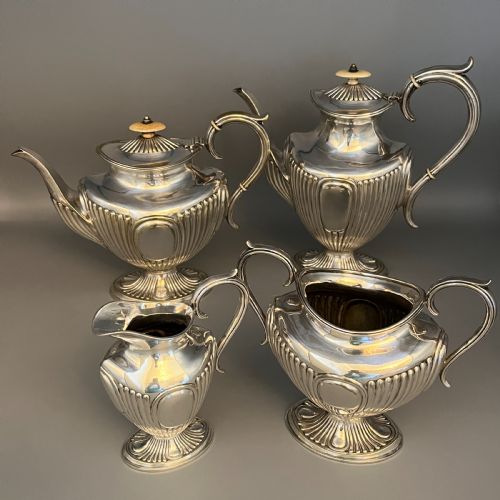
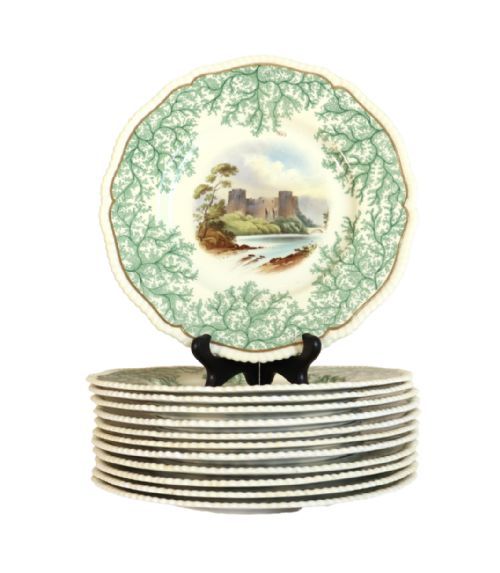
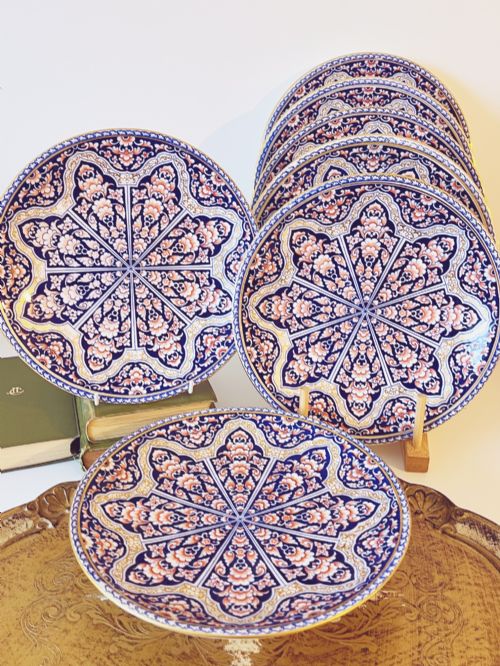
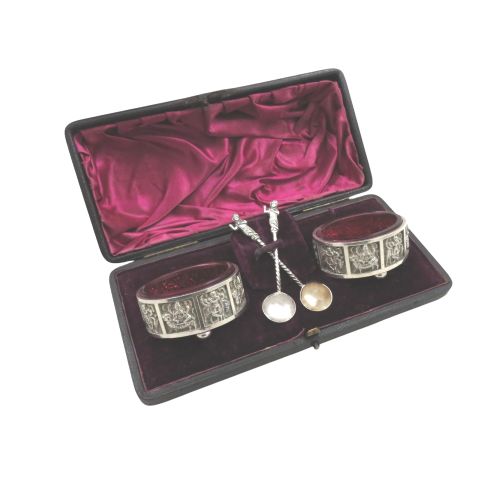
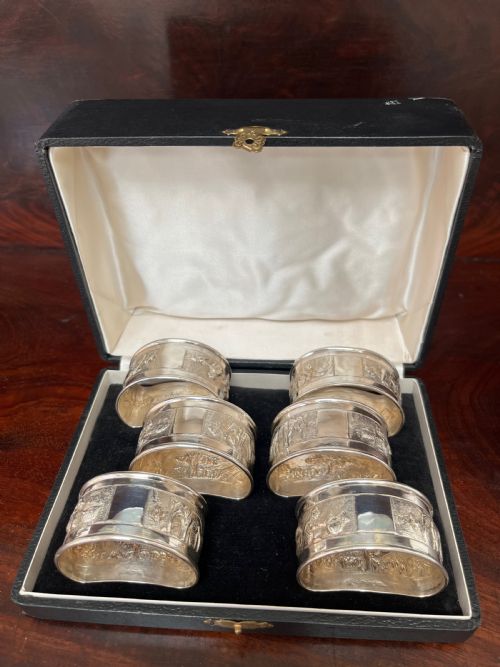
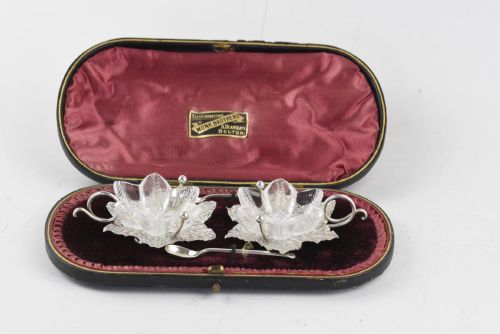
A victorian tableware set comprises dining elements spanning the nineteenth and early twentieth centuries, including ceramic dinner services, dessert sets, and tea services. Buyers encounter extensive porcelain dessert plates alongside smaller groupings like salt cellars, mustard pots, and napkin rings.
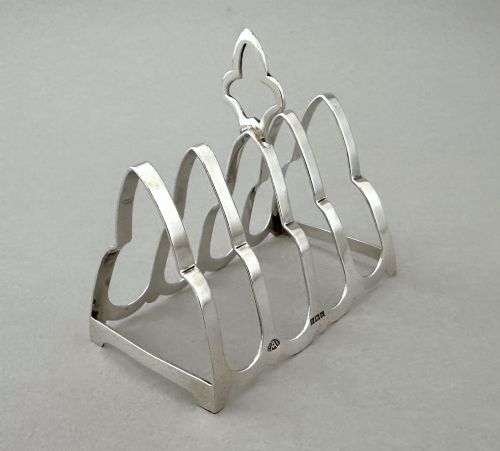
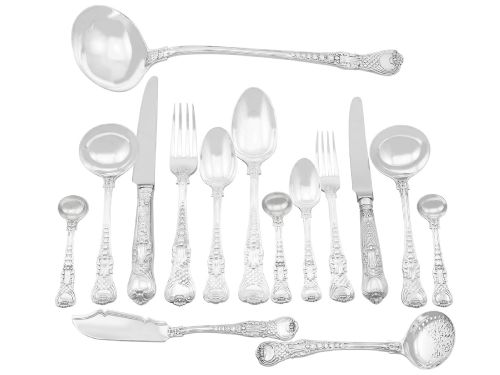
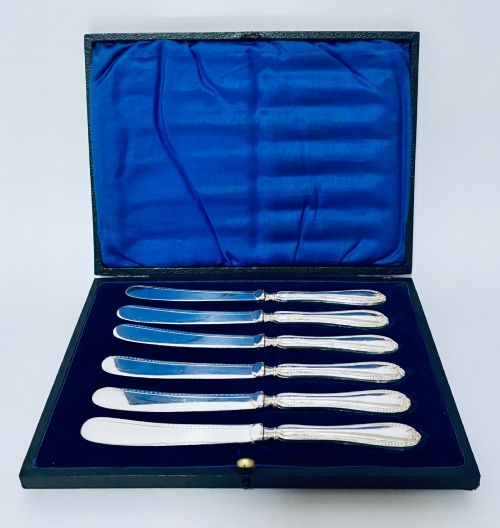
Ceramic services hail from major makers like Wedgwood, Spode, and Davenport, featuring hand-painted botanical or landscape motifs. Metal components range from sterling silver cruet frames to plated toast racks and cased cutlery.
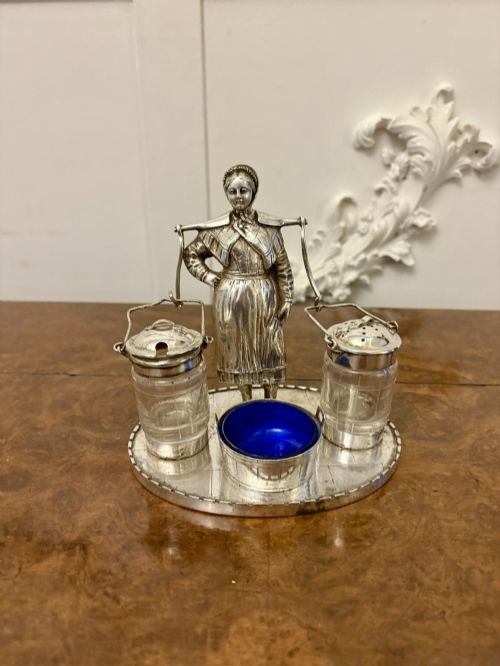
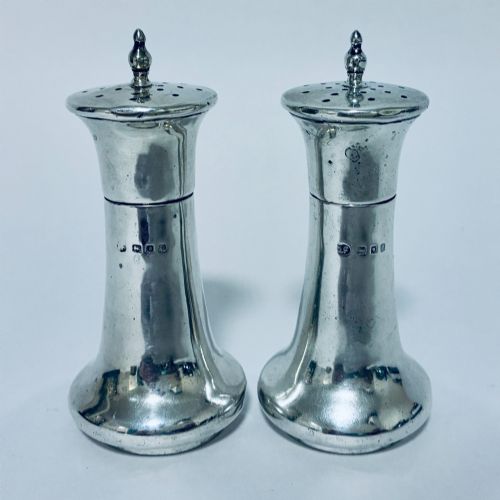
The assortment reflects Victorian and Edwardian dining rituals, uniting earthenware plates with silver-mounted glassware and novelty pepper pots. Sets vary from large multi-piece dinner services to intimate two-person strawberry sets.
Materials and technique
Ceramic tableware relies on bone china, earthenware, and stoneware shaped into plates, tureens, and teapots, often enriched with hand-painted polychrome enamel and gilt highlights. Makers utilise transfer printing alongside detailed brushwork to render intricate border patterns and central scenes.
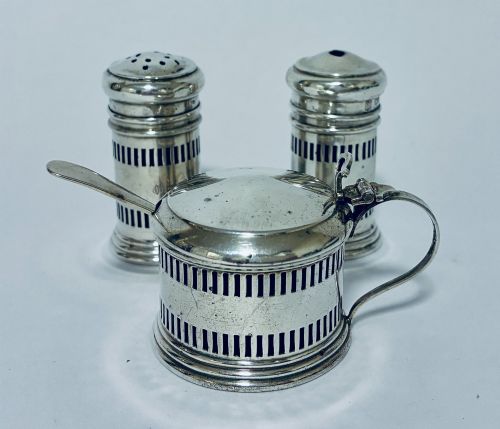
Metal items employ sterling silver, silver plate, and 800 solid silver, shaped through casting, piercing, and engraving. Glass inserts, agate handles, and carved oak barrels complement the metalwork in cruet stands and condiment sets.
Victorian Tableware Set Retail Price Guide 2026
Typical asking prices for victorian tableware set among the pieces listed under this phrase on Sellingantiques today, from the lower quarter to the upper quarter. They describe what is for sale here now, not the wider market.
Victorian dining included whimsical touches, demonstrated by silver condiment sets modelled as vintage cars, oak barrels, and belt buckle napkin rings.
Distinctions in execution
Quality rests upon the crispness of ceramic moulding and the precision of hand-painted enamel decoration across dinner and dessert services. Finer porcelain exhibits delicate translucency and well-preserved gilding on intricate borders.
Metalware distinction depends on the depth of chased decoration, the crispness of pierced silver galleries, and the structural integrity of plated frames. Maker marks and clear hallmarks indicate superior workshop origins among silver mustard pots and cruet sets.
Charles and George Fox·William Comyns·Daniel Arter·Walker and Hall·Royal Crown Derby
The Victorian Tableware Set Glossary
- Cruet set
- A matched collection of condiment containers, typically holding salt, pepper, mustard, and oil, housed in a metal frame. These stands often incorporate silver plate or oak barrels with glass liners.
- Dessert service
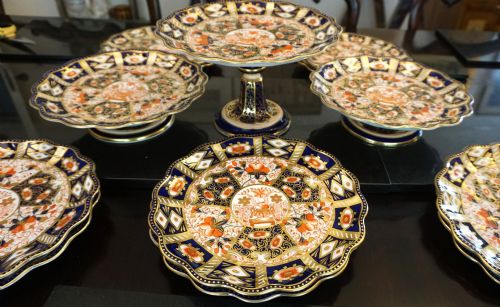
- A matching suite of plates and a comport intended for serving fruit or sweets at the conclusion of a meal. Nineteenth-century examples frequently feature hand-painted botanical or landscape scenes on porcelain.
- Majolica
- A type of colourful lead-glazed earthenware popular during the nineteenth century. It displays rich moulded relief decoration with vibrant green, brown, and purple glazes.
- Sterling silver
- An alloy containing 92.5 percent silver by mass, widely utilised for Victorian napkin rings, salt cellars, and flatware. Items bear official assay office hallmarks indicating purity and date.
- Comport
- A raised dish or bowl placed centrally on a table to hold fruit or dessert courses. These pieces form the centrepiece of ceramic dessert services.
Victorian Tableware Set: Frequently Asked Questions
What is included in a dessert service?
A dessert service typically comprises a collection of painted ceramic plates accompanied by a matching comport for serving fruit or sweets.
These suites often feature hand-painted botanical scenes or intricate border patterns created by nineteenth-century potteries.
How were cruet sets used?
Cruet sets held condiments like salt, pepper, mustard, and vinegar, positioned centrally on the dining table for guests.
The metal frames kept the small glass bottles organised and allowed servants to pass seasonings easily.
How do I identify silver purity?
Sterling silver items feature official hallmarks stamped into the metal, denoting the assay office, maker, and year of production.
Silver plate utilises a base metal core covered with a thin layer of silver, often marked with manufacturer ciphers rather than standard hallmarks.
How do I care for antique ceramics?
Antique ceramics require gentle hand washing in warm water with mild soap, avoiding abrasive sponges or modern dishwashers.
Hand-painted enamels and delicate gilt edges degrade easily if exposed to harsh detergents or prolonged soaking.